Why Farmers Benefit from the 5% VAT Imposed on Fertilizers
The implementation of a 5% VAT on fertilizers not only helps create a level playing field between domestic and imported products but also brings direct benefits to farmers.
1. Current VAT Policy on Fertilizers
Since 2015, when Law No. 71/2014/QH13 came into effect, fertilizers were shifted from being subject to a 5% VAT rate to being exempt from VAT.
Initially, this policy was expected to reduce fertilizer prices and benefit farmers.
However, after nearly a decade, reality has shown the opposite — fertilizer prices have not decreased but instead continued to rise.

2. Why Does “VAT Exemption” Actually Make Fertilizer Prices Rise?
Under the current law, fertilizers are not subject to VAT, but in reality, production costs still include a 10% input VAT on materials and services.
This means fertilizer manufacturers must include these input tax costs in their selling prices.
Previously, when fertilizers were taxed at 5% VAT, producers could deduct or even receive refunds on input taxes. However, since the exemption policy took effect, companies can no longer claim these deductions, forcing them to absorb the entire 10% input VAT themselves.
As a result, production costs have increased, and ultimately, farmers bear this burden through higher fertilizer prices.
To put it simply — companies now pay the input VAT upfront to the State, and then recover it indirectly from farmers through product prices. In the end, it’s the farmers who shoulder the 10% input VAT.
3. Benefits of Applying a 5% VAT on Fertilizers
When fertilizers are once again subject to a 5% VAT, farmers will actually benefit.
This is because the input VAT paid by fertilizer manufacturers can be deducted or refunded, helping to lower production costs.
Farmers will then only need to pay a 5% VAT on the final product, instead of indirectly bearing the 10% input tax already included in the current selling price.
As a result, fertilizer prices will decrease, allowing farmers to save costs and increase profits.

Another important issue is that imported fertilizers are currently exempt from VAT, giving them a significant price advantage over domestically produced fertilizers.
By applying a 5% VAT, the government can create a fairer competitive environment between domestic and imported fertilizers, thereby encouraging the growth of Vietnam’s fertilizer manufacturing industry.
If the current situation continues — where local producers bear input taxes without deduction rights — investors will be reluctant to invest in advanced technology for fertilizer production.
Reintroducing the 5% VAT rate will help motivate the domestic fertilizer industry to grow more sustainably, ensuring agricultural security and enhancing the competitiveness of Vietnamese-made products.
Conclusion
The implementation of a 5% VAT on fertilizers is essential to reduce prices, support farmers, and protect the domestic fertilizer industry.
This policy not only provides direct benefits to farmers but also contributes to the sustainable development of Vietnam’s agricultural sector.
Source: PetroTimes – Journal of the Vietnam Oil and Gas Association

Related news
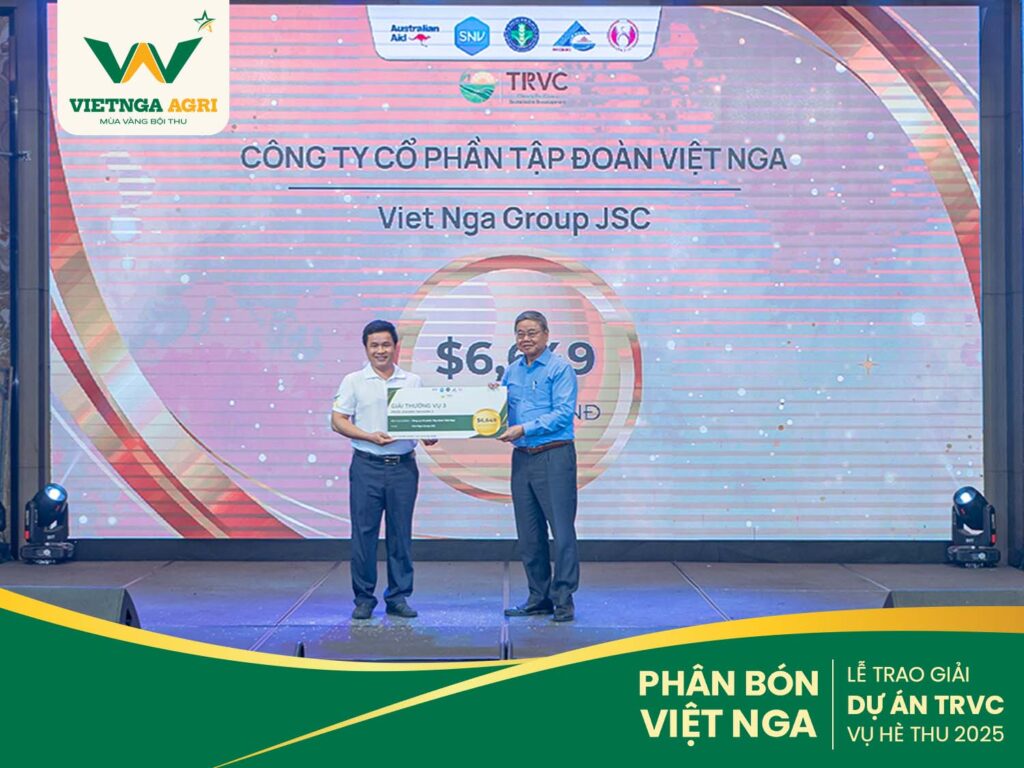
Viet Nga Fertilizer Receives TRVC Project Award for the 2025 Summer Autumn Rice Season
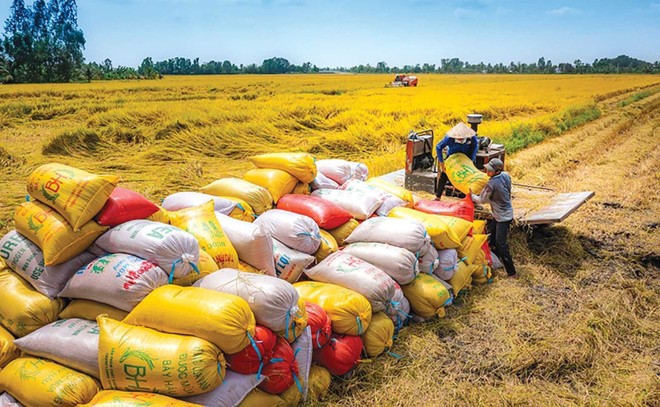
Global Rice Supply Faces Risks as Fertilizer Prices Rise and El Nino Returns

Viet Nga Joint Stock Company announces the holiday schedule for Hung Kings Commemoration Day, Reunification Day (April 30), and International Workers’ Day (May 1).
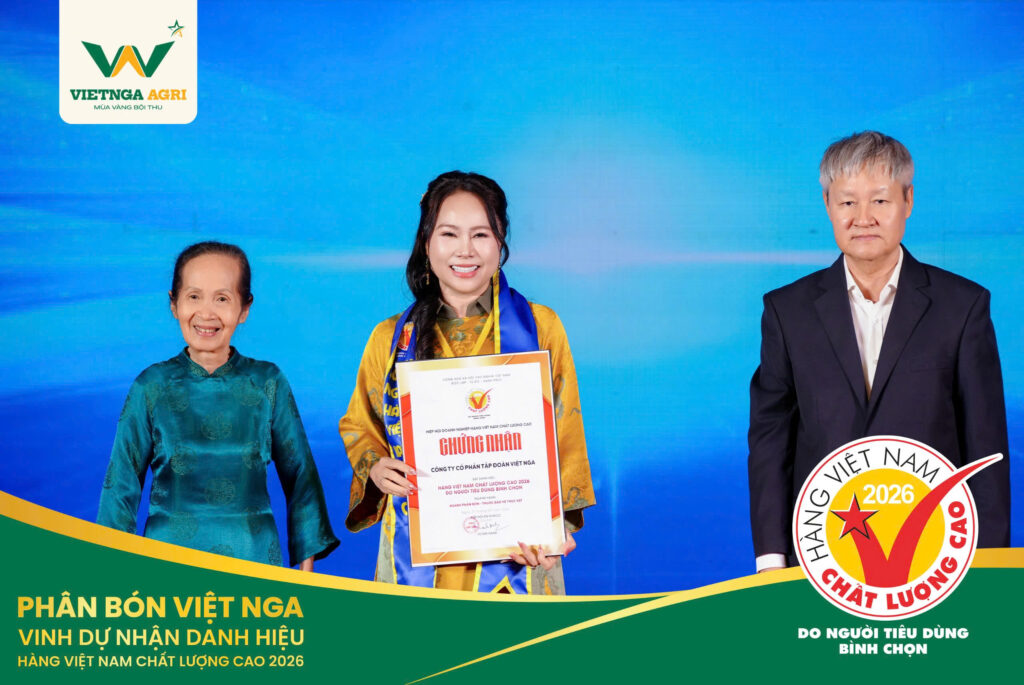
Viet Nga Agri Achieves High-Quality Vietnamese Goods Certification for Two Consecutive Year

Viet Nga Fertilizer Holds Workshop to Promote the Development of the TRVC Project in Dong Thap Province