Middle East Conflict Drives Fertilizer Prices Higher, Supply Faces Risk of Disruption
The ongoing conflict in the Middle East is causing significant volatility across global commodity markets, particularly in energy-related products and fertilizers. As the region is home to many major producers of urea, ammonia, and key raw materials for the fertilizer industry, instability there may affect global supply availability and transportation costs. As a result, many experts have warned that the conflict could lead to supply disruptions and sharp price fluctuations in the international fertilizer market.
1. Middle East Conflict Raises Concerns Over Global Fertilizer Supply
Geopolitical tensions in the Middle East are significantly affecting international commodity markets, particularly the energy and fertilizer sectors. The region is home to many large-scale urea and ammonia production complexes, while also supplying essential raw materials such as sulfur for the global fertilizer industry.
According to Vietnam Agriculture, “the conflict in the Middle East is raising concerns over the risk of disruptions to global fertilizer supply.” Many countries in the region, including Iran, Qatar, Saudi Arabia, Oman, and the UAE operate major chemical and fertilizer complexes that play an important role in supplying urea and ammonia to international markets. When tensions escalate, production, transportation, and export activities in this region may be disrupted, making the global fertilizer market more sensitive and more vulnerable to short-term price volatility.
The international fertilizer market is also experiencing price volatility. According to Tien Phong Newspaper, global urea prices have risen sharply in recent times, at some points reaching around USD 530 per ton, reflecting market concerns over potential supply disruptions and higher transportation costs.
2. Strait of Hormuz – A Key Global Fertilizer Shipping Route
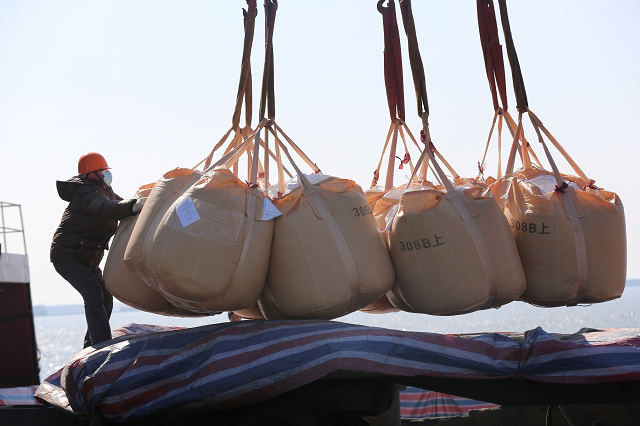
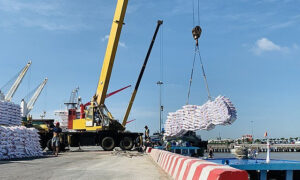
In addition to production capacity, the Middle East also controls one of the most strategic shipping routes for the global fertilizer industry—the Strait of Hormuz. According to Reuters, around one-third of global fertilizer trade passes through this maritime corridor. Therefore, any disruption in the area could drive freight costs higher and delay supply deliveries to importing markets.
Key commodities transported through this area include urea, ammonia, and sulfur—essential inputs for the fertilizer manufacturing industry. According to market reports, a substantial volume of fertilizers and chemical raw materials from the Middle East is exported to global markets through this shipping route.
Therefore, if shipping traffic through the Strait of Hormuz is disrupted by conflict or military tensions, the global fertilizer supply chain could face significant impacts, ranging from higher freight costs to reduced supply availability for importing markets.
3. Some Fertilizer Plants in the Middle East Have Been Affected
Tensions in the Middle East are not only affecting transportation activities, but are also directly impacting fertilizer production in the region. Several manufacturing plants have been urea and ammonia plants have had to adjust operations, including reducing output or temporarily suspending production due to security concerns and issues related to raw material supply.
In addition to regional security concerns, volatility in the energy market is also creating further pressure on the fertilizer manufacturing industry. Natural gas—an essential feedstock for the production of urea and ammonia—has shown an upward price trend., driving up fertilizer production costs in many countries. This has raised concerns that global fertilizer supply could tighten in the short term if tensions continue to persist.
4. Global Fertilizer Prices Show an Upward Trend
Recent tensions in the Middle East are driving an upward trend in international fertilizer prices. In particular, global urea prices have recorded notable increases across many trading regions, reflecting market concerns over potential supply disruptions and rising transportation costs.
According to Tien Phong Newspaper, “the conflict in the Middle East is stirring the fertilizer market, causing global urea prices to rise sharply in recent times.” . Many experts believe that if geopolitical tensions continue, global fertilizer prices may remain volatile in the coming period due to the combined impact of supply conditions, energy costs, and international shipping activities.
5. The Domestic Fertilizer Market Is Beginning to Feel the Impact
Amid volatility in international markets, the domestic fertilizer market has also begun to show signs of price adjustments in certain areas. According to observations from agricultural input dealer networks, prices of some fertilizer products have edged up slightly in recent times, particularly those that depend heavily on imported supply.
According to market information, Ca Mau urea is currently priced at around VND 610,000–650,000 per 50kg bag, while Phu My urea ranges from VND 610,000–660,000 per bag (March 2026). Other fertilizer products such as Hong Ha DAP are priced at approximately VND 1.25–1.30 million per bag, while granular potash ranges from VND 500,000–530,000 per bag. (March 2026), depending on the region and distributor. Source reference: Tien Phong Newspaper. )
Compared with the end of the previous month, prices of many commonly used fertilizer products have increased by around VND 10,000 per 50kg bag, indicating that the domestic market is beginning to respond to the recent rise in international fertilizer prices.
6. Farmers Need to Closely Monitor the Market and Use Fertilizers Efficiently
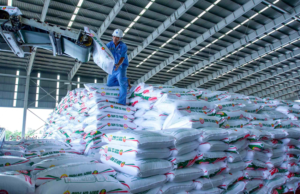
Amid growing volatility in the global fertilizer market, staying updated on market developments and proactively planning production has become increasingly important for farmers and agricultural input dealers. As fertilizer prices tend to fluctuate in response to supply conditions and international shipping costs, producers need to closely monitor market movements in order to plan purchases and fertilizer use more effectively.
In addition, industry experts recommend that farmers apply fertilizers according to the “4 Rights” principle—the right product, the right rate, the right timing, and the right method—in order to optimize nutrient efficiency for crops. Choosing fertilizer products with clear origins and consistent quality can also help reduce production risks while maintaining farming efficiency in a period of volatile input costs.
Overall, rising tensions in the Middle East are making the global fertilizer market increasingly sensitive to risks related to supply availability and transportation costs. In this context, world fertilizer prices may continue to fluctuate if geopolitical conditions do not ease in the near term.
For the domestic market, closely monitoring market developments and proactively planning production will help farmers and agricultural input dealers minimize risks related to input costs. Follow Viet Nga Agri for the latest updates on the fertilizer market and agricultural industry in the coming period.

Related news
Viet Nga Fertilizer Receives TRVC Project Award for the 2025 Summer Autumn Rice Season
Global Rice Supply Faces Risks as Fertilizer Prices Rise and El Nino Returns

Viet Nga Joint Stock Company announces the holiday schedule for Hung Kings Commemoration Day, Reunification Day (April 30), and International Workers’ Day (May 1).

Viet Nga Agri Achieves High-Quality Vietnamese Goods Certification for Two Consecutive Year

Viet Nga Fertilizer Holds Workshop to Promote the Development of the TRVC Project in Dong Thap Province