Global Rice Supply Faces Risks as Fertilizer Prices Rise and El Nino Returns
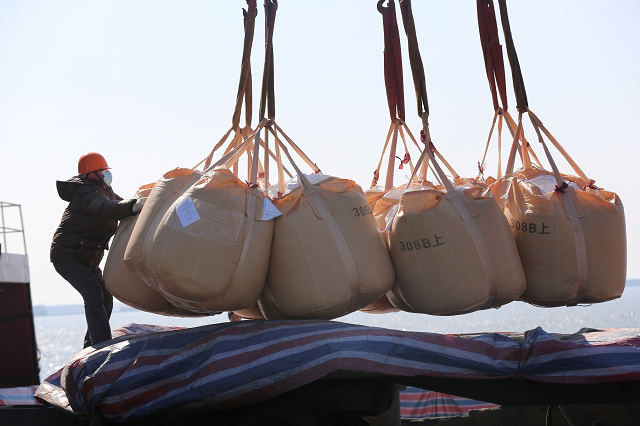
Global rice supply is facing multiple risks as rising fertilizer prices, increasing fuel costs, and the potential return of El Nino could lead to hotter and drier weather conditions across Southeast Asia in the second half of the year. The Food and Agriculture Organization of the United Nations (FAO) previously forecast that global rice production for the 2025–2026 season could increase by 2% to a record level. However, new challenges related to input costs, logistics, and weather conditions are making the rice market enter a more sensitive period.
Global Rice Supply Shifts from Surplus to Tightening Risks
In the previous period, the global rice market was supported by abundant supply, strong production, and high inventory levels in major exporting countries. However, entering 2026, the market outlook has started to change as multiple challenges emerge at the same time, from Middle East tensions disrupting fuel and fertilizer flows through the Strait of Hormuz to the risk of El Nino causing drought conditions across Southeast Asia, a region home to many key rice-producing and consuming countries.
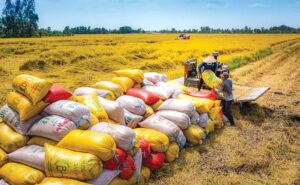
Rice is an essential commodity for global food security. Therefore, even a small disruption in supply can create pressure on prices, living costs, and household budgets, especially in price-sensitive markets such as Asia and Africa.
Notably, the rice market is not facing an immediate shortage, but early signs of supply tightening have started to appear and may become more evident from the second half of this year into early next year.
Middle East Conflict Disrupts Fertilizer and Energy Supplies
One of the key factors putting pressure on rice production is the ongoing tensions in the Middle East, particularly those affecting transportation routes through the Strait of Hormuz – a strategic shipping passage connecting the Persian Gulf region with global markets.
When the flow of fuel and fertilizers through this region is disrupted, agricultural production costs in many countries increase significantly. This directly affects major rice-exporting countries such as Thailand and Vietnam, while also impacting import-dependent markets such as the Philippines and Indonesia.
Rising fertilizer and fuel prices are forcing farmers in many Asian countries to adjust their cultivation plans. Mr. Maximo Torero – Chief Economist of FAO, stated: “Farmers in some countries have already started planting but are reducing input usage due to rising costs. We are likely to see tighter global supply in the second half of the year and early next year.”
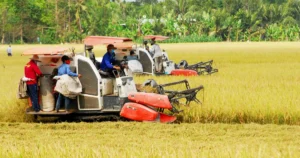
The situation in many countries shows that farmers are reducing fertilizer usage or decreasing cultivated areas to limit financial risks. This could potentially lead to lower production output in upcoming seasons. In the Philippines, this risk has become even more evident as rice production may decline significantly, while import supplies are also facing uncertainties due to export restriction policies.
In 2008, export restrictions from major rice-supplying countries caused rice prices to double, reaching around USD 1,000 per ton and creating instability in many countries. More recently, during the 2022–2023 period, tightening supply conditions, along with India’s export restrictions, also drove prices sharply higher and led to panic stockpiling.
In Thailand, a farmer reported that production costs have increased significantly compared to the previous season, with fertilizer prices rising from around 850 baht to 1,000–1,200 baht per bag, forcing her to cut fertilizer usage by half. In the Philippines, some farmers are also considering stopping cultivation or reducing fertilizer application, which could lead to a significant decline in production in the coming period. “Currently, some farmers have said they may not plant or will reduce fertilizer usage, which will certainly lead to lower production,” said Ms. Arze Glipo, Executive Director of the Integrated Rural Development Foundation.
In Vietnam, fertilizer prices have recently remained at high levels and continued to fluctuate in line with global market trends, with major fertilizer products staying at higher price ranges compared to previous years. According to market updates in early May 2026, domestic urea prices commonly ranged from approximately 660,000 to 690,000 VND per bag, DAP prices ranged from around 1,000,000 to 1,270,000 VND per bag depending on the product type, while popular NPK fertilizer lines were generally priced between 700,000 and nearly 1 million VND per bag.
This price level is considered to be in a high-price cycle and has increased significantly compared to previous years, with many major fertilizer products rising by approximately 20–40% compared to the 2022–2023 period. This reflects the impact of higher energy costs, logistics challenges, and fluctuations in global supply.
El Nino Increases Yield Risks Across Southeast Asia
In addition to fertilizer prices, El Nino is another factor that could significantly impact rice production in 2026. When El Nino develops, weather conditions across Southeast Asia often become hotter and drier, reducing water availability for agricultural production and increasing pressure on rice crops.
For rice crops, water plays an essential role throughout the entire growth process. Prolonged hot and dry weather conditions can weaken rice plants, reduce nutrient absorption efficiency, and affect root development as well as grain filling. With fertilizer costs already remaining high, if farmers continue to reduce investment in crop nutrition, the risk of lower yields could become even greater.
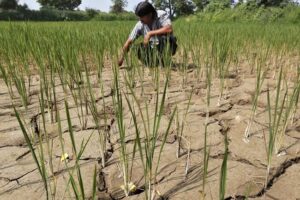
In Indonesia, fertilizer supply is not considered a major issue; however, El Nino is expected to reduce production output. Indonesia’s statistics agency estimates that the rice harvested area from March to May will decrease by 10.6% to 3.85 million hectares (approximately 9.5 million acres), while unmilled rice production is projected to decline by 11.12% to 20.68 million tons.
Global Rice Supply Chain Faces Multiple Challenges
The rice market is not only affected by production challenges but is also facing difficulties in logistics. “The logistics sector has become a nightmare, especially in Asia, with shortages of polypropylene bags, a lack of trucks to transport rice to ports, and disruptions in maritime shipping,” said a Singapore-based trader from a major global rice trading company. In addition, shortages of materials and transportation disruptions are increasing distribution costs and affecting the speed of bringing rice supplies to the market.
While fertilizer shortages and drought conditions have already affected smaller rice crops currently being harvested in Southeast Asia, the upcoming main season is expected to face greater impacts. Countries such as India, Thailand, and the Philippines will enter their main planting season from June to July, while Vietnam and Indonesia are currently planting their second rice crops. Most Asian countries produce two to three rice crops per year; therefore, fluctuations in production costs and weather conditions could continuously affect overall rice supply.
Despite concerns over supply risks, the world still maintains abundant rice inventories after several years of strong harvests. According to data from the United States Department of Agriculture (USDA), India – the world’s largest rice exporter – currently holds a record stockpile of 42 million tons, accounting for approximately one-fifth of global rice reserves, helping ease pressure from potential production declines.
Mr. Torero (FAO) stated that rice prices currently remain relatively stable, but they are likely to increase even if the situation in the Strait of Hormuz is resolved immediately. Restoring operations through this key shipping route soon could help prevent a major supply crisis. However, he warned: “If we are unable to reopen this route within the next 2–3 weeks, the situation will become extremely serious.”
Overall, global rice supply is not currently facing an immediate shortage, but it is entering a period of higher risks. The combination of rising production costs, unfavorable weather conditions, and logistics disruptions could tighten supply in the coming period, creating additional pressure on prices and the global food market.
Reference source: The Japan Times (japantimes.co.jp)

Related news
Viet Nga Fertilizer Receives TRVC Project Award for the 2025 Summer Autumn Rice Season
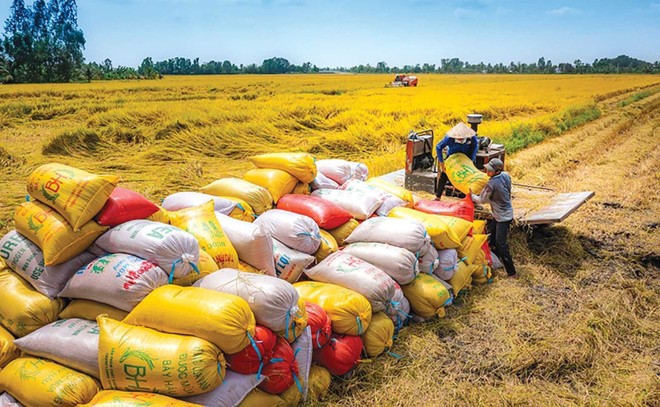
Global Rice Supply Faces Risks as Fertilizer Prices Rise and El Nino Returns

Viet Nga Joint Stock Company announces the holiday schedule for Hung Kings Commemoration Day, Reunification Day (April 30), and International Workers’ Day (May 1).

Viet Nga Agri Achieves High-Quality Vietnamese Goods Certification for Two Consecutive Year

Viet Nga Fertilizer Holds Workshop to Promote the Development of the TRVC Project in Dong Thap Province