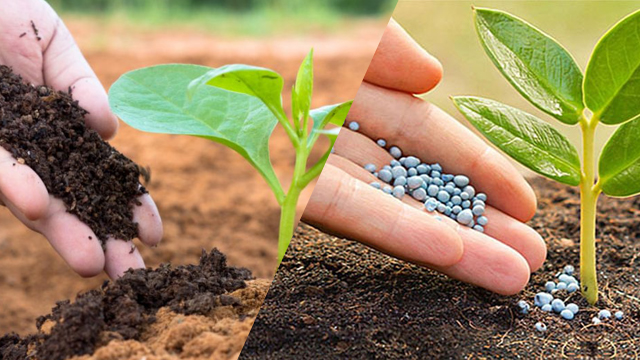
ACCOUNTING WITH FURTHER FARMERS
What fertilizer should I use to make my passion fruit plant produce large, beautiful fruit?
Passion fruit, with its plump, flavorful, and nutritious fruits, is a favorite fruit tree among many farmers. However, proper fertilization is essential for the plant to thrive and produce large, beautiful fruits.
Providing the right and sufficient nutrients will help passion fruit plants not only grow healthily but also improve the quality and yield of their fruit. In this article, we invite you to explore the most suitable fertilizers for passion fruit plants, along with effective fertilization techniques to achieve a bountiful harvest.
1. Characteristics of passion fruit
– Passion fruit is an easy-to-grow plant that is not at all picky about soil.
– The most suitable temperature range for plant growth is between 15-30°C, with a warm climate and ample sunlight.

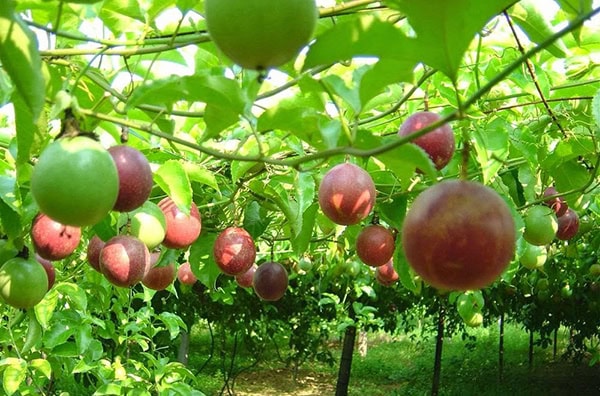
- Unripe passion fruit flowers and fruits
– Passion fruit plants prefer high humidity, so when growing them, ensure they receive enough water to thrive, especially during dry seasons when humidity is low.
– If water shortage occurs, passion fruit plants will simultaneously drop their flowers and fruits, or the fruits will shrivel and dry out, losing all their water and becoming completely unusable after harvest. This is a particularly important characteristic of this plant to note.
2. What fertilizer should I use to help my passion fruit plant grow well?
2.1. Use fertilizers for passion fruit plants at each stage of growth.
Base fertilization
If the soil pH is below 5, mix 2 kg of lime powder with the topsoil and sprinkle it into the planting hole one month before planting to neutralize acidity and kill harmful fungi.
Top dressing
Fertilization should be divided into several applications throughout the year, depending on the plant’s growth stage, to provide the appropriate amount of fertilizer for growth and development, contributing to high yields.

- The passion fruit plant from flowering to fruit development.
– Seedlings one month after planting:
Apply 0.1 kg of NPK 16-16-8+TE fertilizer to each plant. In subsequent applications, gradually increase the amount of fertilizer to 10-20 kg/1000m2 with a fertilization cycle of 15-20 days.
– When the plant is preparing to flower:
For plants 4-5 months old, apply 0.5-0.7kg of NPK 16-16-16+TE fertilizer per plant, supplementing macronutrients and micronutrients during flowering periods to promote concentrated flowering, abundant blooms, and a high fruit set rate.
– Fruit development stage:
After flowering for about a week, the flowers will wither and begin the fruiting process. From flowering to fruit formation and ripening, it takes approximately 60-90 days.
After the young fruit sets, use fertilizers with similar or high levels of Nitrogen, Phosphorus, and Potassium, such as NPK 16-16-16+TE, NPK 15-7-20+TE, applying 0.5 kg/tree, 2-3 times (stop fertilizing one month before harvesting).
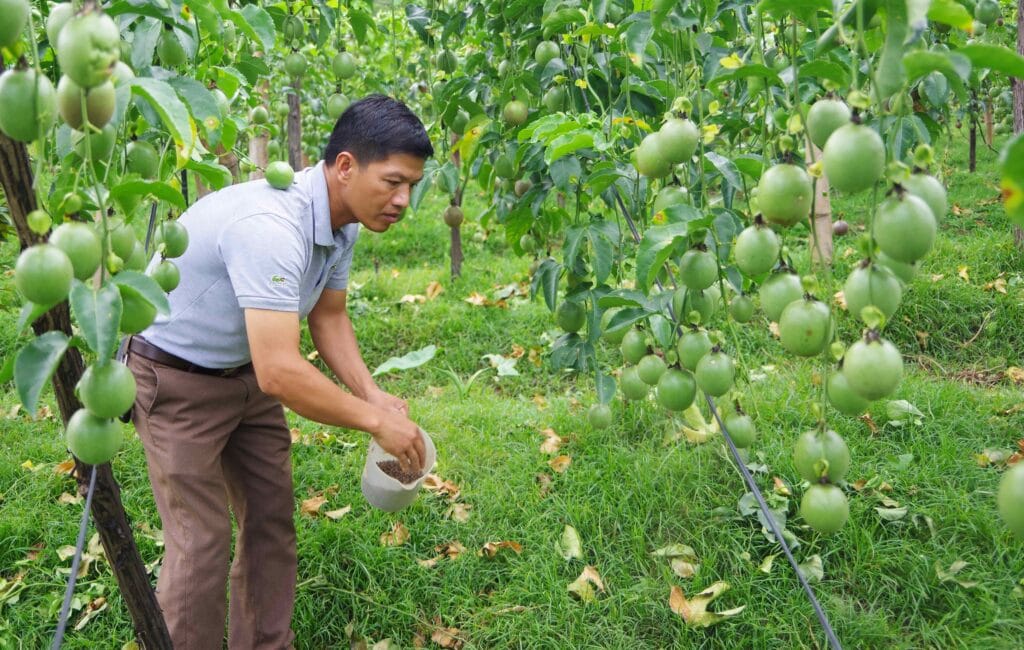
- Proper fertilization of passion fruit plants is essential for high yields.
– Post-harvest stage:
One week after harvesting, we fertilize the passion fruit plants to help them recover.
Use NPK fertilizers with high nitrogen and phosphorus content to help passion fruit plants recover, such as NPK 16-16-8+TE; NPK 20-15-7+TE… Increase the application rate to 0.3 – 0.5 kg/application, applying regularly (once a month) until the plant begins to flower (one month before flowering), then stop.
2.2. Instructions on how to fertilize passion fruit plants.
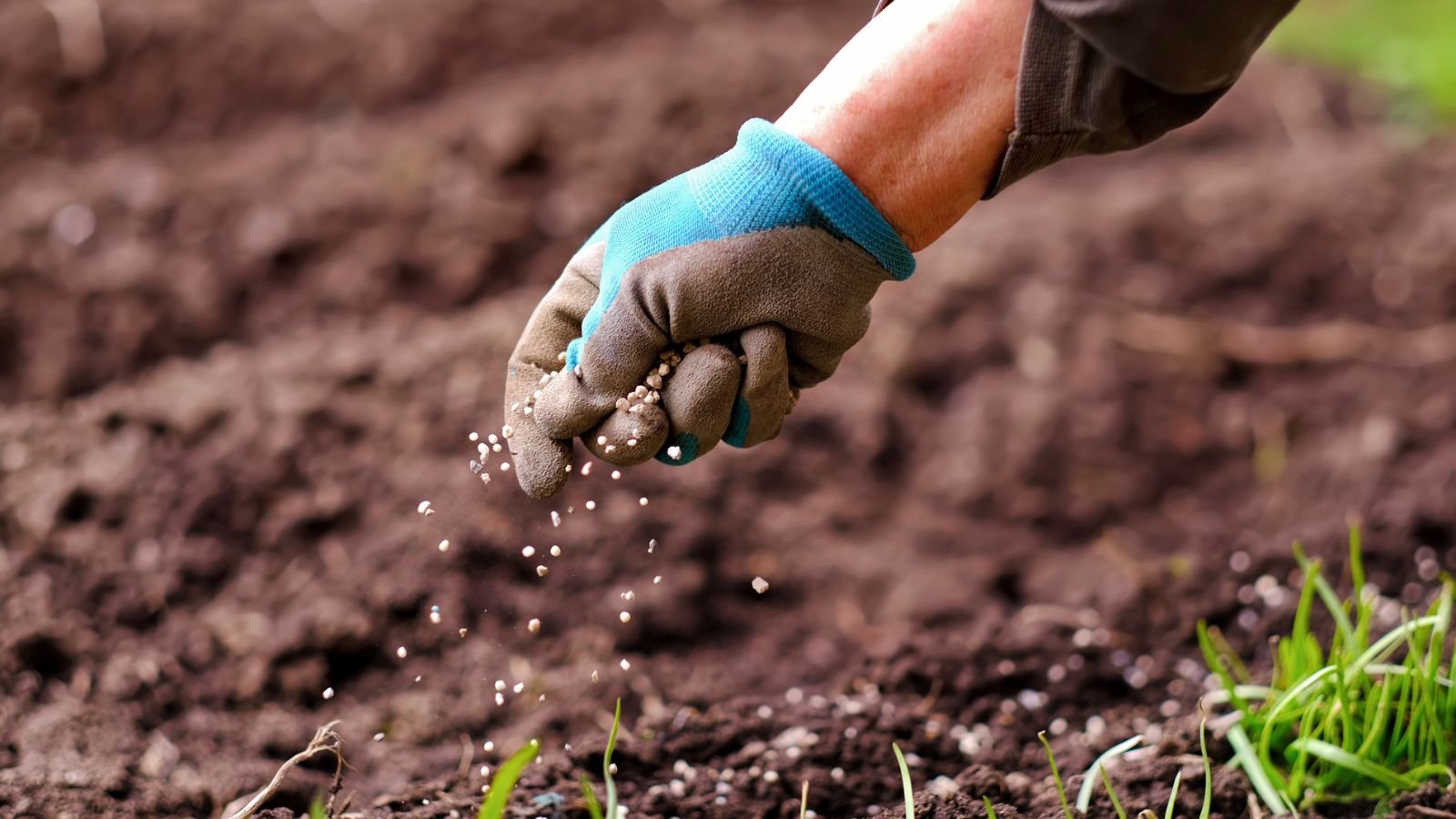
Dig a circular trench around the base of the passion fruit plant, following the width of the canopy. The trench should be 10-25 cm deep and 15-30 cm wide. Apply fertilizer, cover with soil, and water the plant. Once the passion fruit plant’s canopy closes, you can lightly loosen the soil around the canopy with a hoe, sprinkle fertilizer, then loosen the soil again and water.
Note: Periodically (3 times/year), we should supplement the passion fruit plants with well-rotted manure or organic fertilizer, applying 10-15 kg per plant.
3. Caring for passion fruit plants
3.1. Water requirements and irrigation for passion fruit plants.
Passion fruit plants require high humidity and frequent watering, so they should be watered every two days, especially during the dry season. More watering will help the plant continuously produce shoots, flowers, and fruit. Water is required at various stages of fruit formation and development; lack of water will cause flowers and fruits to drop or the fruits to shrivel.
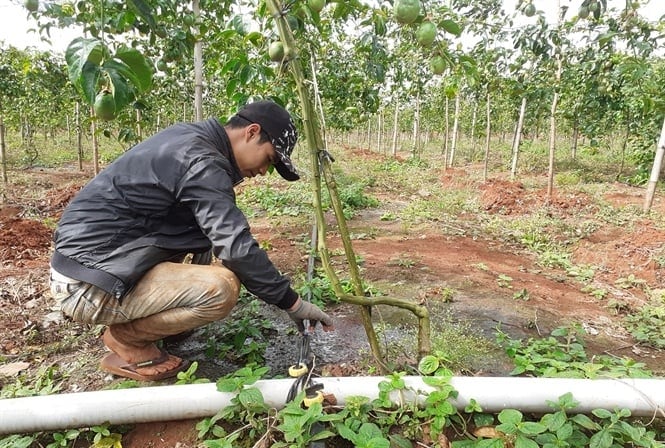
- Watering passion fruit plants
3.2. Pruning and shaping passion fruit plants.
Regular pruning and shaping should be done to create new secondary branches evenly distributed across the trellis, which helps the plant to flower and bear fruit better.
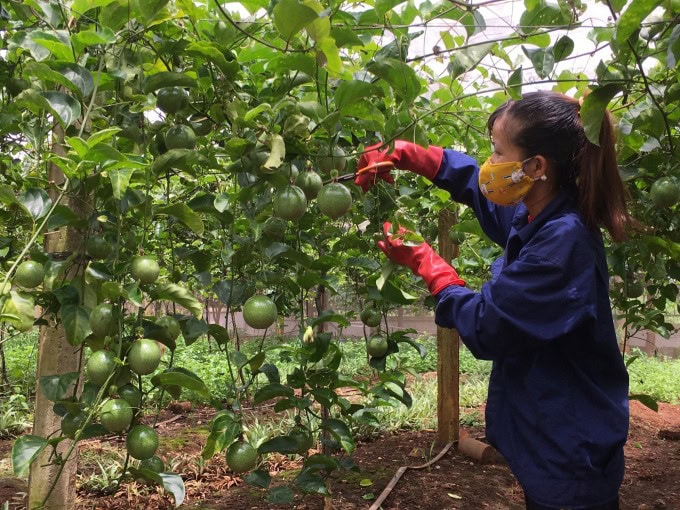
- Pruning and shaping passion fruit plants.
– Once the plant has climbed the trellis, it needs to be shaped and pruned regularly to create new secondary branches evenly distributed across the trellis, which helps the plant to flower and bear fruit better.
– Once the plant has climbed the trellis, it needs regular shaping and pruning, especially removing excess leaves during the rainy season to limit the development of harmful fungal diseases and to inhibit growth, helping the plant produce more buds and set more fruit.
Pruning should be done regularly. After harvesting, cut off all fruit-bearing branches on the trellis. If passion fruit vines are not completely pruned at the end of the year, it will greatly affect their growth and development the following year, especially limiting yield.
Conclusion
Throughout the development stages of passion fruit plants, from planting to harvesting, providing sufficient nutrients will help the plants grow vigorously and bear fruit better. At the same time, farmers should regularly monitor the condition of the plants to adjust the amount of fertilizer accordingly.
Viet Nga Fertilizer wishes farmers success in applying fertilization methods and achieving bountiful passion fruit harvests with large, beautiful, and delicious passion fruit.
Related news
The Role of Base Fertilization in Soil Improvement and Enhancing Agricultural Fertility
Measures to Improve and Treat Saline Soil
Winter-Spring rice blast warning – Don’t let leaf and flower burns rob you of your golden crop

Rice Sowing Techniques for the Early Winter–Spring Crop
What Is Slow-Release Fertilizer? Learn How to Use It Effectively