ACCOUNTING WITH FURTHER FARMERS
What are TE micronutrient fertilizers? What does TE mean on fertilizer packaging?
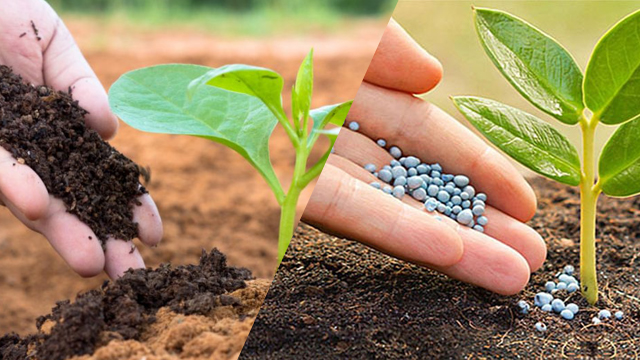
When choosing fertilizers, in addition to the familiar nutrients N, P, and K, farmers will see the symbol “TE” on the packaging of some products. This is a type of micronutrient fertilizer containing a group of nutrients that play a very important role in the overall growth and development of plants. In this article, Viet Nga Fertilizer will help farmers understand what TE is, what its effects are, and how to use it effectively.
What are trace element fertilizers (TE)?
Trace Elements (TE) is a general term for a group of trace elements. – these are substances that plants need in very small amounts but have a significant impact on plant health and yield. Some common TEs include: Iron, Zinc, Manganese, Copper, Boron, Molybdenum.
However, TE is just a common designation and doesn’t fully reflect each specific element. When choosing fertilizers, farmers should carefully examine each type of micronutrient in the product.
What is NPK TE?
NPK TE is a type of fertilizer that combines three essential macronutrients for plants: nitrogen (N), phosphorus (P), and potassium (K), along with trace elements (TE). such as Iron, Zinc, Boron, Copper, Manganese… This formula helps plants grow quickly, nourish flowers and fruits well, and increase resistance to pests and diseases. This is a suitable choice if farmers want to provide complete and balanced fertilization for their crops.
7 terms on fertilizer packaging that farmers need to know
1. Nitrogen fertilizer
Phân đạm giúp cây phát triển thân lá, chồi non. Trên bao bì, hàm lượng đạm được ghi dưới dạng %N (Nitơ). Hai loại đạm phổ biến nhất hiện nay là:
- Urea: Contains 44–48% pure protein, dissolves quickly, and is hygroscopic. Production may generate certain substances. Biure – harmful to plants if the concentration exceeds 3%. Urea fertilizer is in crystalline or granular form, white, yellow, or green in color. It is odorless and easily absorbs moisture.
- Ammonium Sulfate (SA): Contains 20–21% nitrogen and 23% sulfur (S), in the form of fine, off-white or bluish-gray crystals. It has a salty, slightly sour taste and a mild ammonia odor. Sulfur dioxide (SA) is hygroscopic, so avoid storing it in damp places.
2. Phosphate fertilizer
Phosphate fertilizers provide phosphorus (P). – it helps plants develop strong roots, flower, and bear fruit well. The phosphorus content is usually indicated in the form of… %P2O5 and generally fall into two main groups:
- Superphosphate: Easily soluble, containing 15–17% P2O5 and 11–12% sulfur. It has an acidic reaction, so it needs to be combined with lime when applied. Produced using acid technology, it is a gray powder with a sour odor and is hygroscopic. This phosphorus dissolves well in water, so plants absorb it quickly, making it suitable for base fertilization or top dressing.
- Molten phosphorusContains 15–17% readily available phosphorus, along with many macro and micronutrients such as calcium, magnesium, silicon, iron, zinc, etc. It is a grayish-green powder, non-hygroscopic, and dissolves well in acidic environments secreted by plant roots. Suitable for saline soils, acidic soils, and sloping hillside soils.
3. Potassium fertilizer
Potassium fertilizer supplements potassium (K). – improves fruit quality, makes plants stronger, reduces flower and fruit drop. Potassium content is calculated as follows: K2O. Some common types:
- Potassium chloride (KCl/MOP): Contains 50–62% K2O, a pink or white powder, easily absorbs moisture and clumps together. It is a physiologically acidic fertilizer – if used continuously, farmers need to add lime or micronutrient fertilizers to improve the soil.
- Potassium sulfate (K₂SO₄/SOP): Contains 45–50% K2O and 18% sulfur, less hygroscopic than MOP, in the form of fine white crystals. It causes less soil acidification, making it suitable for fruit trees, vegetables, and ornamental plants sensitive to chlorine.
4. Micronutrient fertilizers
These fertilizers contain micronutrients such as Calcium (Ca), Magnesium (Mg), Sulfur (S), and Silicon (Si).. Plants don’t need as much nitrogen, phosphorus, and potassium as they do, but deficiencies can lead to yellowing leaves, weak roots, and poor nutrient absorption.
- Calcium (CaO): Found abundantly in lime, seashells, fused phosphate, etc. It helps plants become stronger, increases their resistance, and improves acidic soil.
- Magnesium (MgO): Magnesium is a major component of chlorophyll. A magnesium deficiency will cause yellowing of leaves and premature shedding of older leaves. It is usually indicated on packaging as a percentage of magnesium (%MgO).
- Silicon (SiO2): Enhances cell tissue, helping plants resist pests and diseases. Very important for rice, corn, sugarcane, pineapple, etc.
- Sulfur (S): Silicon is commonly found in fused phosphate fertilizers, indicated as %SiO₂ on the packaging. Silicon helps plants grow strong, sturdy, reduces lodging, and increases resistance to pests and diseases.
5. Micronutrient fertilizers
These fertilizers supply trace elements (TE) such as iron (Fe), zinc (Zn), boron (B), copper (Cu), manganese (Mn), molybdenum (Mo), etc. Plants only need very small amounts of these elements, but a deficiency can lead to plant diseases.
- Yellowing leaves, curled leaves, fruit drop.
- Flowering disorders, stunted growth.
- Tăng nguy cơ sâu bệnh.
Trace element content is usually indicated on the packaging in ppm or % units.. Some products are simply labeled “TE” without specifying each ingredient – consumers should choose reputable brands with detailed information to easily track dosages.
6. Phân hỗn hợp
Mixed fertilizers are fertilizers containing two or more nutrient components, which can be single fertilizers mixed together (mechanical mixtures) or produced through chemical reactions (chemical mixtures). This type of fertilizer can contain sufficient nutrients. macronutrients (NPK), micronutrients, and trace elements.
- It can be a chemically mixed fertilizer (mixed through a chemical reaction) or a mechanically mixed fertilizer (mixed from dry materials).
- Mixed fertilizers provide sufficient nutrients with just one application, saving effort and making them suitable for modern farming practices.
The largest fertilizer manufacturer and distributor in the Mekong Delta.
With over 30 years of experience in the agricultural sector, Viet Nga Fertilizer is proud to be the official first-tier manufacturer and distributor of two major brands – Phu My Fertilizer and Ca Mau Fertilizer. in the Mekong Delta region. We have been and continue to be one of the leading fertilizer companies in the Western region, a long-standing partner of farmers for the past three decades.
Viet Nga Fertilizer is committed to providing:
- High-quality products that meet national standards.
- The product range is diverse, from nitrogen, phosphorus, and potassium fertilizers to macro and micronutrients, organic fertilizers, and microbial products.
- The supply of goods is always stable, with no worries about disruptions.
- Chính sách bán hàng linh hoạt, hỗ trợ tối đa cho đại lý.
- Professional marketing support to effectively promote products.
- Agricultural technicians work alongside farmers, providing on-site advice.
- Excellent after-sales service and prompt problem resolution.
- Fast and timely delivery.
- Provide regular training and updates on new knowledge for dealers.
- Reasonable and competitive pricing maximizes profit for sellers.
Viet Nga Fertilizer doesn’t just sell fertilizer – we partner with farmers for sustainable development.
Conclusion
Although trace elements (TE) make up a small percentage of fertilizers, they have a significant impact on plant health and yield. Proper and sufficient TE supplementation helps plants develop balanced growth, increases resistance, and achieves high yields. If you need advice on selecting TE-containing fertilizers suitable for your soil type and crops, Viet Nga Fertilizer is always ready to assist and support you.
Related news
The Role of Base Fertilization in Soil Improvement and Enhancing Agricultural Fertility
Measures to Improve and Treat Saline Soil
Winter-Spring rice blast warning – Don’t let leaf and flower burns rob you of your golden crop

Rice Sowing Techniques for the Early Winter–Spring Crop

What Is Slow-Release Fertilizer? Learn How to Use It Effectively