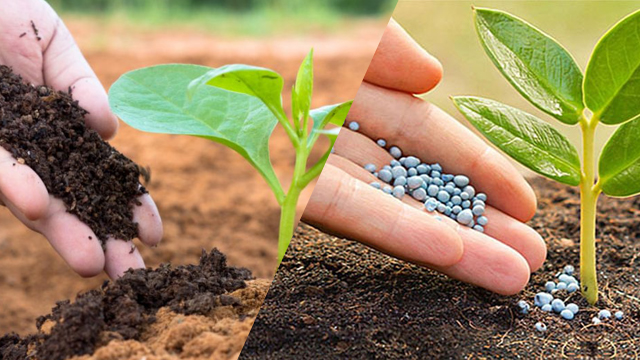
ACCOUNTING WITH FURTHER FARMERS
Learn about the technical process of fertilizing rice for high yields.
Rice is an important food crop in our country, well-suited to tropical conditions. For rice plants to grow well and produce high-quality rice, fertilization is a crucial issue that farmers need to pay attention to. Viet Nga Fertilizer would like to share with farmers the technical process of fertilizing rice for the best results.
The importance of fertilizers for rice plants.
Các chất dinh dưỡng là vô cùng cần thiết đối với sự phát triển và sinh trưởng của cấy lúa như sắt, kẽm, vôi, đồng, magie, lưu huỳnh, đạm (N), lân (P), kali (K), cacbon, oxy, hydro, mangan, mô-líp-đen, bo, silic. Đây đều là những thành phần quan trọng mà cây lúa cần.
The role of fertilizers in rice cultivation.
Fertilizers provide nutrients that play different roles. Different stages and growth periods of rice plants require different amounts. Therefore, fertilization techniques for winter-spring or summer-autumn rice crops need to be carefully studied. This allows for the development of appropriate formulas for each growth stage, each variety, and specific climatic and soil conditions.
The types of fertilizers needed for rice cultivation.
There are three groups of nutrients essential for rice plants: macronutrients, micronutrients, and trace elements such as nitrogen, phosphorus, and potassium. A certain amount of nitrogen is particularly needed during the tillering and heading stages of rice growth. In the early growth stage, rice plants require more phosphorus, while in the seedling, heading, and flowering stages, potassium is essential. Several other elements, present in smaller quantities, such as Si, Ca, Mg, Bo, etc., are also crucial for rice growth and development. Let’s look at some common rice fertilizers available on the market:
Phosphate fertilizer: Stimulates root growth, helping to absorb nutrients and water from the soil.
Potassium fertilizer: Accelerates the transport of synthesized carbohydrates from the leaves to other parts of the plant, helping the plant to photosynthesize normally.
Nitrogen fertilizers include ammonium nitrogen, nitrate nitrogen, and urea. Urea, with its high concentration, is suitable for application on degraded soils and rice paddies; nitrate nitrogen, applied as a topdressing during the heading stage, is suitable for application on saline and acidic soils.

Learn about the technical process of fertilizing rice for high yields.
Rice fertilization techniques are divided into several stages, each suited to the rice variety and soil type. To achieve high efficiency, knowing how to fertilize is essential. Let’s explore the correct rice fertilization techniques below:
Phase 1: Base fertilization
Apply additional fertilizer during the final plowing before applying base fertilizer to help enrich the soil and improve rice growth. Rice plants absorb a lot of fertilizer during their initial growth stage. Therefore, base fertilization and top dressing should be done early or as a full base fertilization. Before sowing, spread the fertilizer evenly across the field, along with potassium and nitrogen fertilizers.
For rice varieties that tiller excessively, short-duration rice, or rice that is susceptible to toxicity, flooding, or heavy rainfall, more potassium fertilizer should be applied. If transplanting short-duration rice varieties or using mature seedlings, apply about 1/3 to 2/3 of the nitrogen fertilizer as a base dressing.
Phase 2: Fertilizing to encourage branching
The tillering stage, when the rice plant has 2-3 leaves, is approximately 15-20 days old. This is the ideal time to remove seedlings to encourage early tillering and rapid development. Farmers should combine nitrogen and phosphorus fertilizers during this stage, especially in very acidic or saline soils, where topdressing is necessary. This helps reduce toxins and acidity in the soil and provides nutrients for the rice. Granular phosphorus fertilizer should be used to avoid adhesion that can cause leaf burn.
Furthermore, this is also the time when the rice plant’s nitrogen requirements increase significantly. Applying nitrogen fertilizer helps the plant tiller faster, and for short-duration or long-duration rice varieties, or those sown or transplanted in high temperatures, a higher nitrogen fertilization is needed.
Phase 3: Applying fertilizer to rice plants during heading stage.
After sowing for 40-45 days, she also carries out topdressing, a crucial step that determines crop yield. For rice varieties with large panicles but low tillering, where yield depends on the number of panicles, she focuses on fertilizing during panicle initiation and grain filling to ensure firm grains and high yield. Once sufficient basal and tillering fertilizers have been applied, panicle-starting fertilizer is not necessary.
During this stage, farmers should use potassium fertilizer to promote panicle development in seedlings with fewer branches, sparse planting, long-duration varieties, and those planted in alkaline, rainy, or acidic soils.
Stage 4: Seed Cultivation
After the rice plants have flowered, farmers can nourish the grains by spraying foliar fertilizer 1-2 times to increase rice yield and improve grain quality.
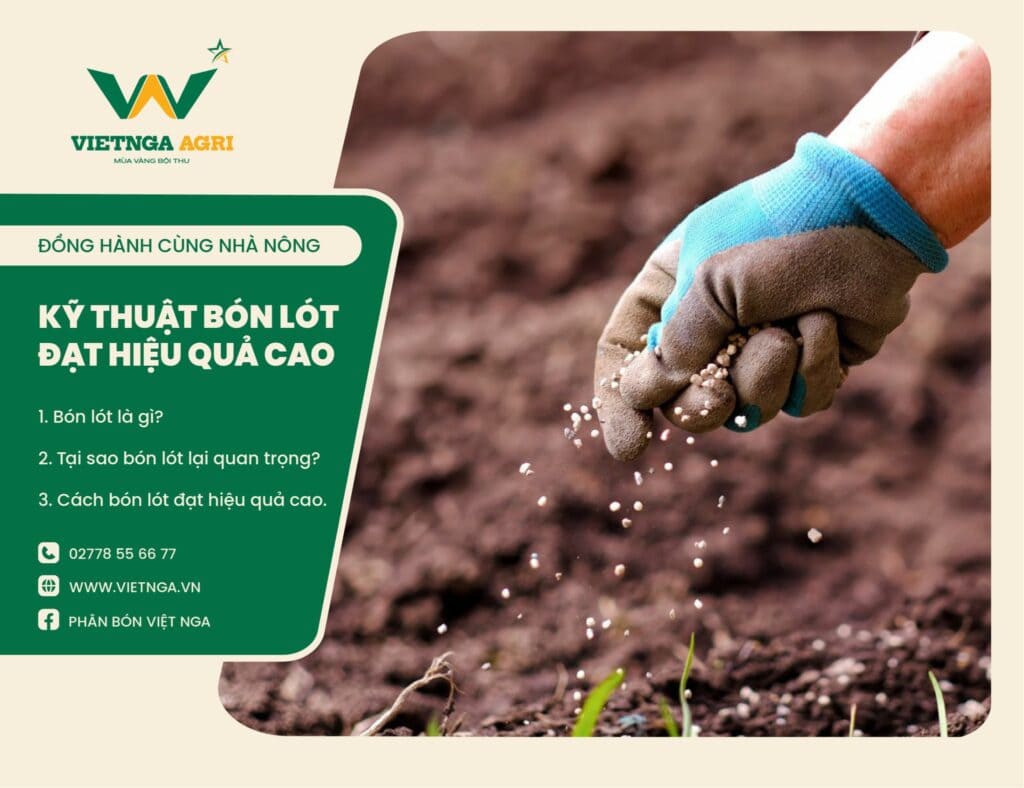
With the information shared above, we hope to help farmers better understand rice fertilization techniques. This useful knowledge will lead to high yields and a bountiful harvest.
Related news
The Role of Base Fertilization in Soil Improvement and Enhancing Agricultural Fertility
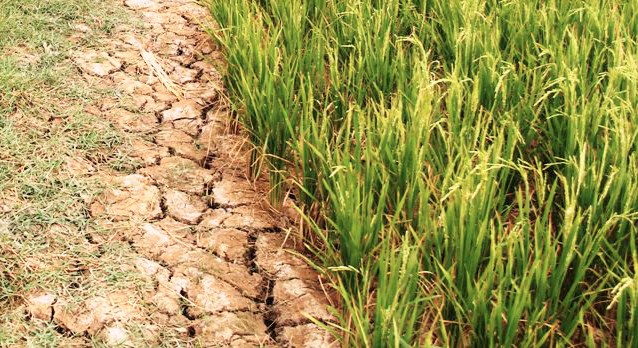
Measures to Improve and Treat Saline Soil
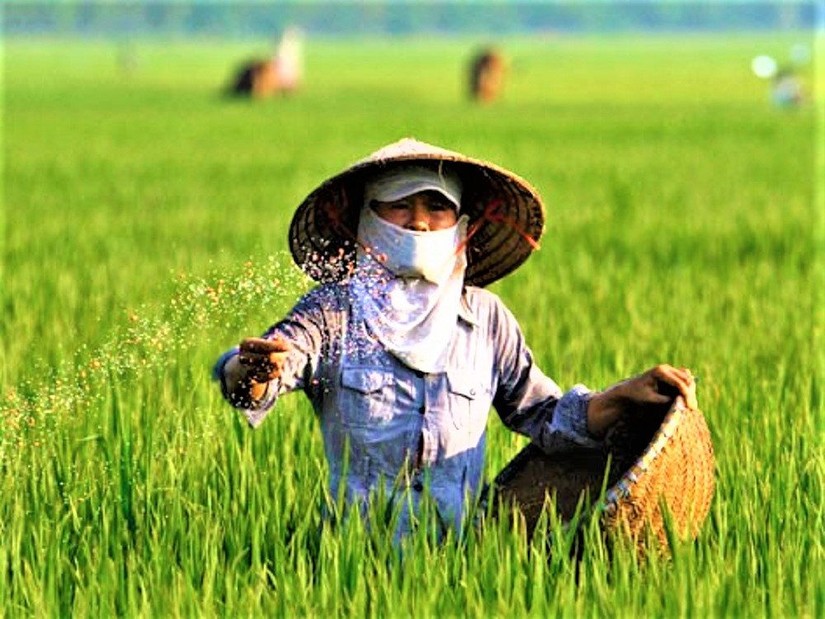
Winter-Spring rice blast warning – Don’t let leaf and flower burns rob you of your golden crop

Rice Sowing Techniques for the Early Winter–Spring Crop
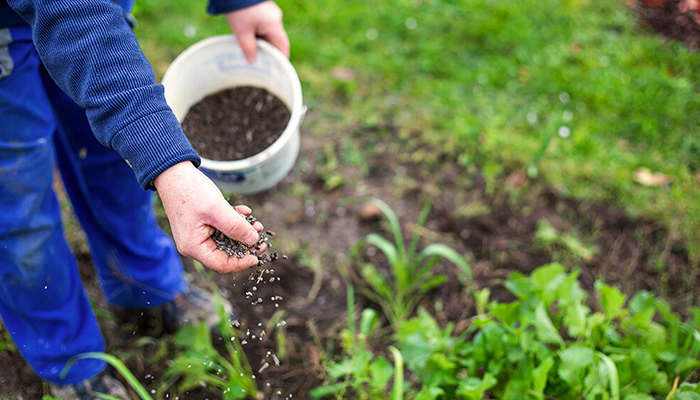
What Is Slow-Release Fertilizer? Learn How to Use It Effectively