ACCOUNTING WITH FURTHER FARMERS
Rice Cultivation Methods to Reduce Lodging During the Rainy and Stormy Season
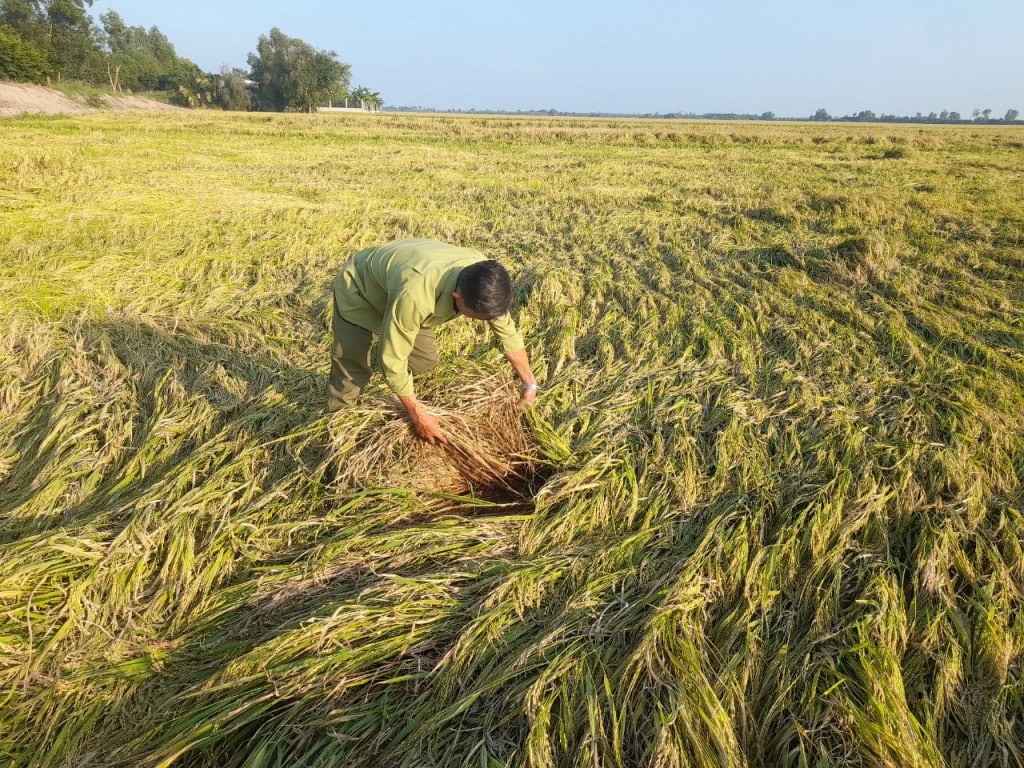
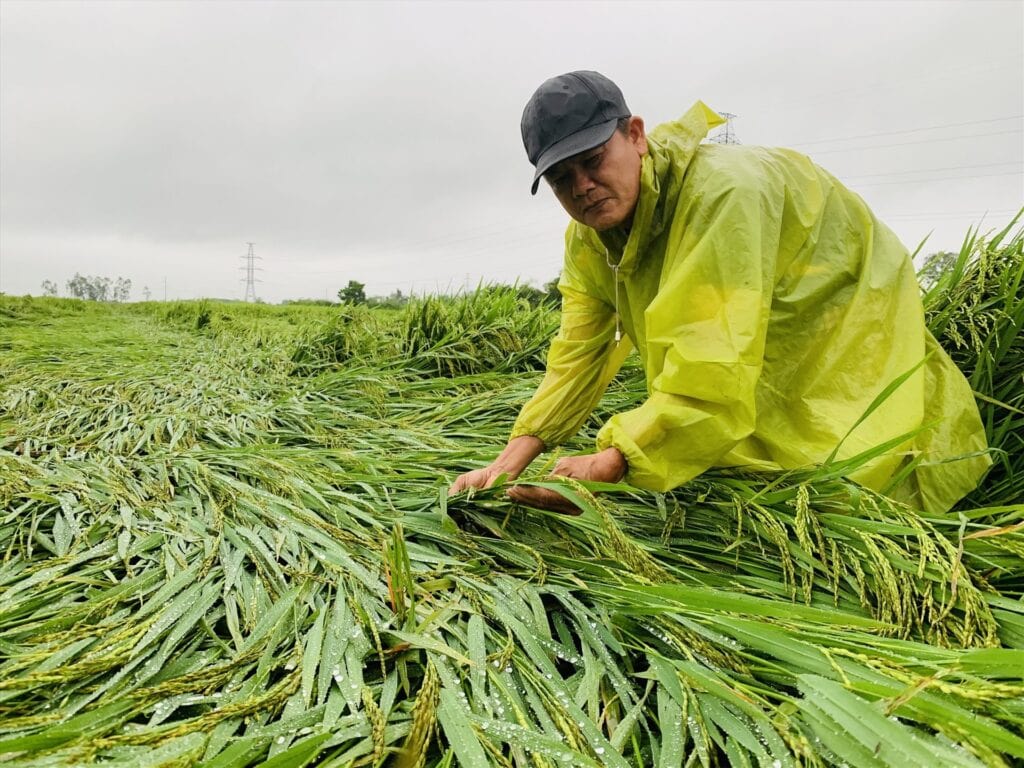
The rainy season brings thunderstorms and tornadoes that affect rice plants, causing them to fall over. This lodging reduces rice yield, affects rice quality, and makes harvesting difficult, especially when using machines.
Let’s explore solutions to prevent and reduce rice lodging with Viet Nga Fertilizer in the article below!
1. The harmful effects of rice cultivation when the rice plants are lodged.
– Lodging reduces rice yield (by over 10%), affects rice quality, and makes harvesting difficult, especially when using machines.
– When rice plants fall over, photosynthesis is reduced, grain formation is halted due to impaired transport of dry matter (starch), the percentage of empty and partially filled grains increases, and the lodging causes the rice panicles to be submerged in water, promoting germination or rotting due to fungal diseases, thus reducing rice quality.
– When rice is flattened, it results in post-harvest losses, increased harvesting costs (manual cutting, machine cutting), and drying costs, which incur additional government budget allocations for disaster relief.
2. Causes of rice lodging
Rice lodging has been a frequent occurrence in recent years, especially during the summer-autumn rice crop, where the risk of lodging is very high. There are many causes of rice lodging, and it is necessary to identify the main cause.
2.1. Weather
This cause is easily apparent, especially during the summer-autumn or autumn-winter seasons, when the weather is often cloudy, rainy, and lacks sunlight. As a result, rice plants tend to grow taller, and when encountering heavy rain and strong winds, sometimes even tornadoes, if the rice plants are in the milky stage or later, they are very susceptible to lodging due to the weight imbalance between the base and the top.
2.2. Rice varieties and planting density
– Rice variety is a crucial factor in cultivation. Using tall rice varieties with weak internodes and thin, fragile walls can easily cause the rice stalks to break (weak straw), leading to lodging. Some rice varieties have 3 or 4 internodes (counting from the top down) that are longer, making them even more prone to lodging.
– High seeding densities exceeding 150 kg/ha, especially during the summer-autumn season when there is insufficient sunlight, cause the rice plants to crowd together, competing for light and growing tall (prioritizing height growth, resulting in poorly developed roots), making the plants weak and prone to lodging.
2.3. Preparing the soil
– Fields that are not tilled, especially those that are not plowed to expose the soil or only lightly plowed, and only tilled over many seasons, will form a plow pan layer near the surface, making the cultivated layer thin, only about 7-8 cm thick (the plow pan layer is a hard, compact soil layer that prevents roots from penetrating deep; roots only grow on the surface of the ground, making them very susceptible to uprooting and causing rice plants to fall over).
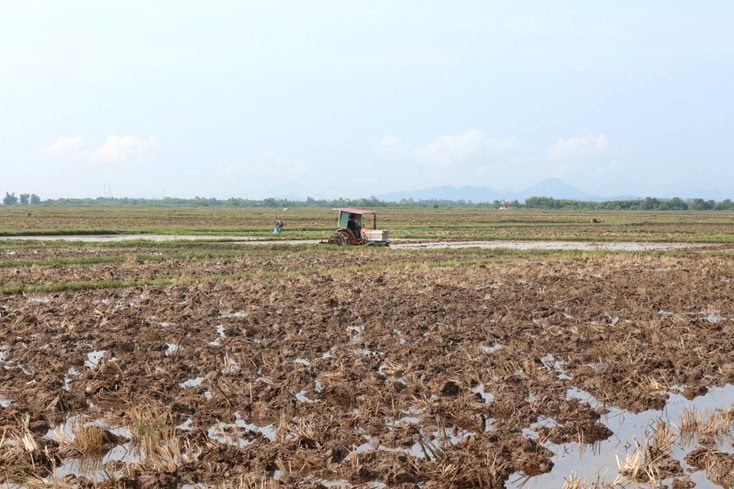
– In addition, un-plowed land is susceptible to acid sulfate soil toxicity and organic toxicity, resulting in poor rice plant growth and low yields.
2.4. Water management
Water is a crucial need for rice plant growth and development; however, rice fields that are deeply flooded due to heavy rains and poor or slow drainage cause the rice plants to grow long and easily fall over during the heading and ripening stages.
2.5. Applying fertilizer
Rice fields suffer from unbalanced fertilization, a common problem in fields poor in phosphorus, potassium, and calcium, or in soils with high humus content. Applying excessive nitrogen fertilizer in disproportionate to phosphorus, and especially potassium, can lead to lodging in the rice plants.
3. Solutions to reduce lodging when cultivating rice during the rainy and stormy season.
– Regarding the weather:
Regularly monitor and keep up-to-date with weather forecasts, adjusting planting schedules as the weather changes to minimize damage from rice lodging, especially during the ripening stage.
– Regarding breed selection:
It is advisable to choose rice varieties that are sturdy, resistant to pests and diseases, and less prone to lodging when ripe. Some examples include: OM 11735, OM 18, OM 426, OM 429, OM 8901, OM 7262, Huong Chau 6,…
– Regarding rice cultivation:
Depending on the soil conditions, a suitable sowing density should be applied. For row sowing, use 80-100 kg/ha; for broadcast sowing, use 100-120 kg/ha; for cluster sowing using a machine, use 60-80 kg/ha; or use a transplanter. Thin sowing promotes good tillering, ensures sufficient sunlight, reduces competition preventing the plants from growing too tall, results in stronger plants with fewer pests and diseases, minimizes lodging, and facilitates easier machine harvesting.
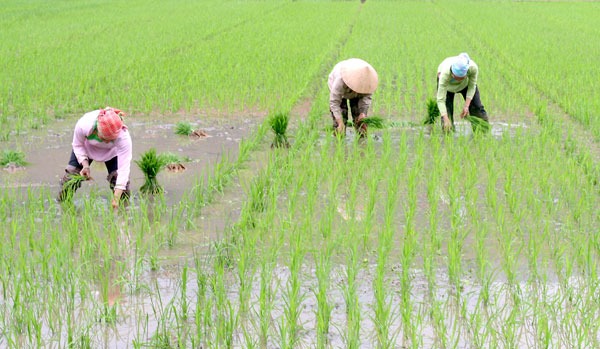
– Regarding land preparation:
After harvesting, rice fields need to be plowed and left to dry to create a plow pad, preventing waterlogging, helping to mineralize organic matter and remove toxins from the soil, allowing rice roots to develop, absorb nutrients better, and resulting in stronger rice plants.
Rice fields need to be leveled and have a drainage system slightly sloped towards the water outlet so that water can drain easily when needed, and water management is also more convenient when spraying herbicides and applying fertilizer.
– Regarding water management:
It is advisable to restrict water levels for about 7 days before the rice plants begin to flower to help the roots grow deeper, create aeration in the field, and enhance photosynthesis to accumulate organic matter, making the rice plants stronger. 7-10 days before harvest, the water should be drained completely to allow the rice plants to stand firmly, reduce lodging, and facilitate harvesting.
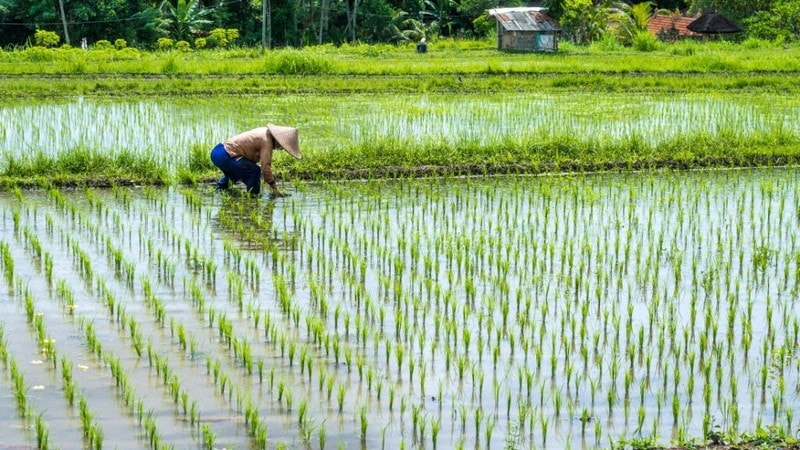
See also: Pocket Guide to Water Management Methods to Keep Rice Plants Healthy and Minimize Pests and Diseases
– Regarding fertilizers:
Bón phân cân đối, hợp lý theo nhu cầu cây lúa. Để tránh bón thừa đạm bà con nên áp dụng bón phân theo bảng so màu lá lúa, tăng cường bón Kali ở giai đoạn làm đòng để vách lóng dầy hơn.
For a simpler and more economical option, farmers can use specialized fertilizers designed for rice plants, which have optimized the appropriate amount of fertilizer for each stage of rice development, avoiding nutrient excess that the plant cannot fully absorb and thus preventing waste.
4. The Viet Nga specialized rice cultivation solution helps to effectively reduce lodging in rice crops.
The Viet Nga specialized fertilizer solution is a special line of fertilizers for rice plants, offering many outstanding advantages, helping farmers increase productivity and save costs.
In addition, with balanced nutrition, avoiding excess nitrogen, the plant develops abundant roots, grows into a bushy clump, is strong and healthy, has no excess leaves, does not grow too tall, saves on pesticides, reduces lodging, and yields superior productivity.
Reduce rice lodging.
Balanced nutrition stimulates strong root development, enhances resistance to adverse weather conditions, strengthens immunity, and helps rice plants fight against pests and harmful agents.
Increase productivity, save costs:
Viet Nga’s specialized rice fertilizer helps rice plants grow vigorously, significantly increasing yield while reducing costs by eliminating the need to mix various other fertilizers.
Phù hợp với nhiều phương pháp bón:
The product is suitable for various fertilization methods, including modern drone fertilization technology, making rice field care easier and more efficient.
Providing essential nutrients at each stage:
Viet Nga fertilizers provide all the necessary nutrients for rice plants at each stage of development, from tillering and panicle initiation to grain filling, ensuring healthy growth and development of the rice plant.

Currently, the Viet Nga line of specialized fertilizers for rice, comprising four sets of solutions, is being trusted and chosen by many farmers for their rice fields.
- NPK 22-15-8 +TE (Tillering – Bush Formation) & NPK 19-7-25 + TE (Heading – Grain Development)
- NPK 20–15–7 + TE (Multipurpose) & NPK 15-7-20 + TE (Large Left)
- NPK 25-25-5+TE Viet Nga (Tillering – Bushy Growth) & NPK VNG 19-9-19+TE (Heading – Grain Nurturing)
Regarding the fertilization process, farmers can refer to the image below.

Conclusion
Trong mùa mưa bão, việc áp dụng biện pháp canh tác phù hợp giúp hạn chế tình trạng đổ ngã của cây lúa là cực kỳ quan trọng. Sử dụng các sản phẩm
Viet Nga Fertilizer wishes you success!
Related news
The Role of Base Fertilization in Soil Improvement and Enhancing Agricultural Fertility
Measures to Improve and Treat Saline Soil
Winter-Spring rice blast warning – Don’t let leaf and flower burns rob you of your golden crop

Rice Sowing Techniques for the Early Winter–Spring Crop
What Is Slow-Release Fertilizer? Learn How to Use It Effectively