
ACCOUNTING WITH FURTHER FARMERS
Top 5 Effective Ways to Store Organic Fertilizer
Organic fertilizers play a crucial role in providing nutrients to the soil and promoting plant growth. To ensure the highest effectiveness of organic fertilizers and increase productivity in your gardens and pastures,
1. What is organic fertilizer?
Organic fertilizers are fertilizers derived from livestock and poultry waste, agricultural by-products, plant residues, peat, or organic waste from kitchens, households, aquaculture factories, and the seafood industry.
-

- Proper storage of organic fertilizer
These organic fertilizers contain many macro, micro, and trace nutrients in the form of organic compounds and are widely used in agriculture. When applied to the soil, organic fertilizers help improve soil structure, increasing its porosity and fertility by supplementing and supplying microorganisms, humus, and organic matter to the soil and plants. This contributes to improving soil quality and creating favorable conditions for plant growth and development in agricultural production.
2. Why is it important to store organic fertilizer properly?
Proper compost storage is crucial for maintaining its quality and ensuring that its valuable nutrients are preserved. By applying correct compost storage methods, you can:
Enhancing the efficiency of organic fertilizer use in soil improvement.
One of the key benefits of proper organic fertilizer storage is enhanced efficiency in soil improvement. Maintaining the integrity of nutrients in the fertilizer allows for more efficient decomposition and absorption of nutrients in the soil. This improves soil structure, increases water retention, and creates a favorable environment for the growth of beneficial microorganisms in the soil.
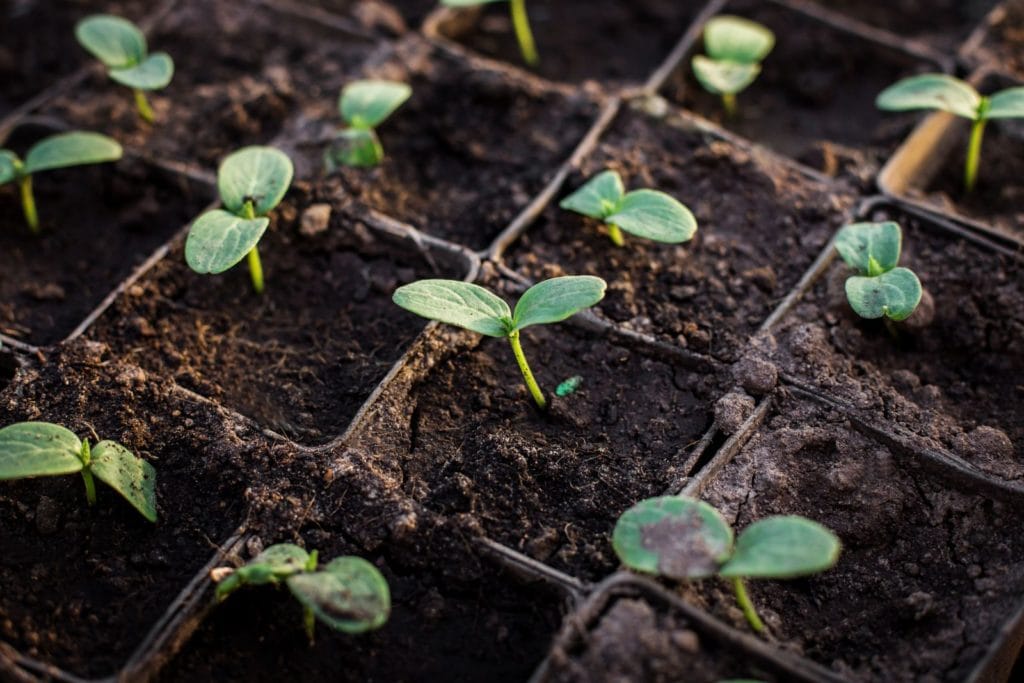
- Proper storage of organic fertilizer enhances its effectiveness in improving soil quality.
Ensure that plants receive all the necessary nutrients for vigorous growth.
The nutrients in organic fertilizers play a crucial role in providing plants with a natural source of nutrition. Proper storage ensures that these nutrients are not lost or altered during storage. This helps ensure that plants have sufficient nutrients for healthy growth, while also improving their resistance and ability to withstand diseases and pests.
Minimize fertilizer waste due to exposure to external elements.
Organic fertilizers are easily affected by the surrounding environment, including sunlight, humidity, and other chemicals. By carefully storing organic fertilizer, you minimize the risk of nutrient loss due to exposure to external elements. This not only enhances the value of the fertilizer but also reduces waste and costs associated with its use.

- Enhancing the value of fertilizer while reducing waste.
3. Effective ways to store organic fertilizer at home
3.1. Store organic fertilizer in a dry, cool place.
A crucial factor in properly storing organic fertilizer is ensuring that the storage area is dry and well-ventilated. Organic fertilizer can easily absorb moisture and become moldy when exposed to overly humid environments. Therefore, ensure that you store fertilizer in a dry place, avoiding direct contact with rain or high humidity.
3.2. Avoid direct sunlight exposure.
Sunlight can destroy some of the important nutrients in organic fertilizer. Therefore, it is crucial to store organic fertilizer away from direct sunlight. You can use materials to cover the fertilizer or place it in shaded areas to protect it from the effects of sunlight.
3.3. Avoid direct contact with chemicals.
Organic fertilizers for plants can easily absorb chemicals from their surroundings. To ensure the quality of the fertilizer is preserved, avoid exposing it to other chemicals such as pesticides, herbicides, rodenticides, or other chemicals in the storage area.
3.4. Regularly check organic fertilizer.
Moisture plays a crucial role in the preservation of organic fertilizer. Fertilizer can absorb moisture from the air if not stored properly. Therefore, you should regularly check the moisture level of your fertilizer and use methods such as desiccant bags to maintain a dry environment.
3.5. Avoid hot weather conditions.
Additionally, an effective way to store organic fertilizer at home is to keep it in a cool, well-ventilated place and avoid hot, sunny weather. Hot weather can increase humidity, thereby causing a loss of nutrients in the fertilizer.
Conclusion
With proper storage, organic fertilizer can be a valuable resource for increasing crop yields and improving soil quality. Apply the effective organic fertilizer storage methods shared by Viet Nga Fertilizer to ensure you achieve the best results.
If you have any further questions, please contact us immediately for prompt and timely answers!
Learn More:

Related news

The Role of Base Fertilization in Soil Improvement and Enhancing Agricultural Fertility

Measures to Improve and Treat Saline Soil

Winter-Spring rice blast warning – Don’t let leaf and flower burns rob you of your golden crop

Rice Sowing Techniques for the Early Winter–Spring Crop

What Is Slow-Release Fertilizer? Learn How to Use It Effectively