China Tightens Exports, Fertilizer Market Faces Strong Volatility
The global fertilizer market is experiencing strong volatility as China tightens exports to prioritize domestic supply amid ongoing Middle East conflicts that have disrupted global supply chains. The temporary suspension of NPK exports and continued restrictions on urea shipments from one of the world’s key suppliers have pushed fertilizer prices—especially urea—up by nearly 40%, while also increasing concerns over potential supply shortages and broader impacts on agricultural production. Follow Viet Nga Agri to explore more detailed insights below.
The Global Fertilizer Market Faces Volatility Following China’s Export Tightening Measures
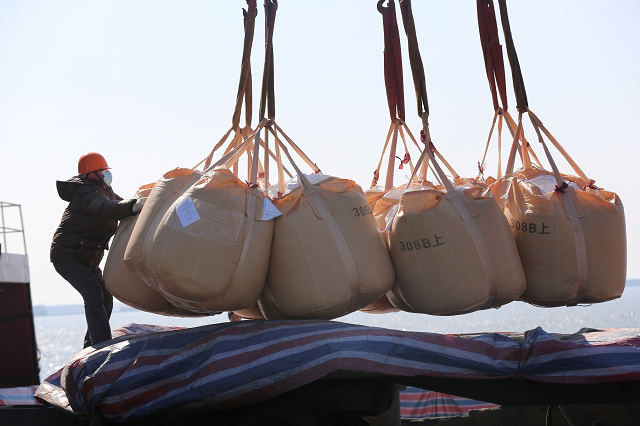
China is implementing stricter controls on fertilizer exports, including the temporary suspension of blended NPK fertilizer shipments and the continued maintenance of restrictions on urea exports. As a country that is both a major consumer and a key global supplier of fertilizers, any policy adjustments from China can create widespread ripple effects across the market.
The tightening of supply from China has quickly pushed the global fertilizer market into a more strained condition, especially as many regions are entering peak agricultural production seasons. This has increased pressure on fertilizer prices and forced many countries to seek alternative sources of supply in the short term.
Global Fertilizer Prices Rise Sharply
Urea prices are rising sharply in the global fertilizer market. According to market data, spot urea prices in China have increased by nearly 40% since tensions in the Middle East escalated (Source: Green Markets). Beyond China, global urea prices have also shown an upward trend across many regions due to supply disruptions. This is directly affecting current fertilizer prices in many countries, including Vietnam.
The main reason behind the sharp rise in fertilizer prices is tightening supply while demand continues to increase:
- China is restricting fertilizer exports to support its domestic planting season.
- Conflict in the Middle East is disrupting fertilizer production and transportation.
- Many plants in South Asia have reduced operating capacity due to natural gas shortages.
As many regions around the world enter their main production season of the year, fertilizer demand has risen noticeably. The imbalance between supply and demand is keeping fertilizer prices elevated across many markets. In practice, global urea prices are expected to remain volatile depending on supply conditions and geopolitical developments, requiring agricultural producers to closely monitor the market and plan fertilizer use accordingly.
Middle East Conflict Disrupts Global Fertilizer Production and Supply
The conflict in the Middle East is directly affecting fertilizer production activities, particularly in countries such as Iran—one of the world’s key urea suppliers, with annual production estimated at around 5 to 6.5 million tons. (Source: Dong Nai Department of Industry and Trade). Many plants in the region have been forced to reduce operating capacity or temporarily suspend operations due to the impact of geopolitical tensions.
In addition, shortages of natural gas—an essential feedstock for nitrogen fertilizer production—are forcing several South Asian countries such as India, Pakistan, and Bangladesh to reduce output. In some cases, certain plants are operating at only around 70% of capacity, and in some cases, facilities have even been temporarily shut down.
This disruption has quickly spread across the global market. The Middle East currently supplies around 20 million tons of urea annually, making the region one of the world’s most important fertilizer supply hubs.As a result, when supply from the region is disrupted, markets across Asia, Europe, and the Americas all face significant pressure on both availability and pricing. This has contributed to making the global fertilizer market more strained in the short term.
Global Fertilizer Supply Tightens
In addition to the impact on production activities, global fertilizer transportation is also facing significant challenges due to tensions in the Middle East, particularly along the Strait of Hormuz—one of the most critical chokepoints in the global fertilizer market.
According to market data, approximately one-third of global urea exports and 45% of global sulfur exports —key raw materials used in fertilizer production—pass through this region (Source: CRU Group). When shipping activities are disrupted, the global fertilizer supply chain is immediately affected. In fact, around 1.1 million tons of fertilizers and fertilizer raw materials are currently stranded in the Gulf region, including approximately 570,000 tons of urea that have not been able to move according to schedule.
The ongoing disruption in fertilizer supply is raising concerns over potential impacts on global agriculture and food markets in the coming period. Experts warn that if fertilizer availability continues to tighten, crop yields may decline due to insufficient nutrient inputs, especially during peak planting seasons.
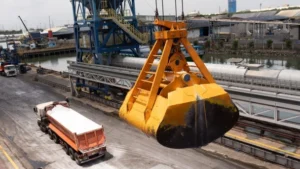
According to assessments cited by the Financial Times, the current fertilizer crisis could have serious consequences and is even considered by some to pose a greater risk than the situation in 2022, when global markets were heavily affected by the Russia–Ukraine conflict. At that time, sharply rising fertilizer prices drove up agricultural production costs and placed significant pressure on food prices.
Domestic Prices and Supply Are Being Affected by Global Market Conditions
Amid strong volatility in the global fertilizer market, Vietnam is unlikely to avoid certain impacts. Domestic fertilizer prices are tending to adjust in line with international developments, especially for products that rely on imported supply or imported raw materials such as urea, DAP, and potash.
When international supply is disrupted, fertilizer imports may face greater difficulties, leading to fluctuations in pricing and delivery timelines. This situation makes today’s fertilizer prices in the domestic market subject to change depending on timing and region.
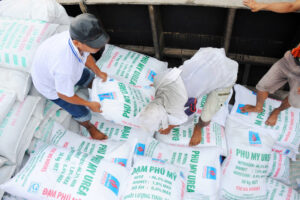
In addition, rising input costs will directly affect agricultural production efficiency. For farmers, fertilizer price fluctuations not only increase cultivation costs but also impact fertilizer application plans during each stage of crop growth.
What Should Businesses and Farmers Do Amid Fertilizer Market Volatility?
Amid fertilizer market volatility, being proactive in production planning and fertilizer use is a key factor in minimizing risks:
- Proactively monitor today’s fertilizer prices to plan purchases appropriately.
- Choose the right time to purchase, avoiding being caught unprepared when the market fluctuates.
- Prioritize using fertilizers suited to each stage of crop growth to optimize costs.
For dealers and farmers, choosing reputable suppliers with stable inventory can help ensure production schedules are maintained and reduce the risk of shortages during the farming season.
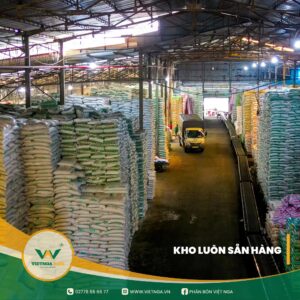
With a proactive supply system and extensive warehousing network, Viet Nga Agri is always ready to support valued dealers and farmers by providing market updates, timely product supply, and stable inventory availability—helping maintain farming efficiency amid ongoing market volatility.
Changes in China’s export policies, combined with conflict in the Middle East, are creating clear impacts on the global fertilizer market—from pricing to supply availability. Sharply rising urea prices, disrupted supply chains, and the risk of fertilizer shortages are posing significant challenges for the agricultural sector and food production in the coming period.
In this context, closely monitoring market developments, proactively planning production, and choosing stable sources of supply will be key factors in minimizing risks. For businesses and farmers, staying promptly informed about the fertilizer market not only helps optimize costs, but also ensures farming efficiency and greater stability in every growing season.

Related news
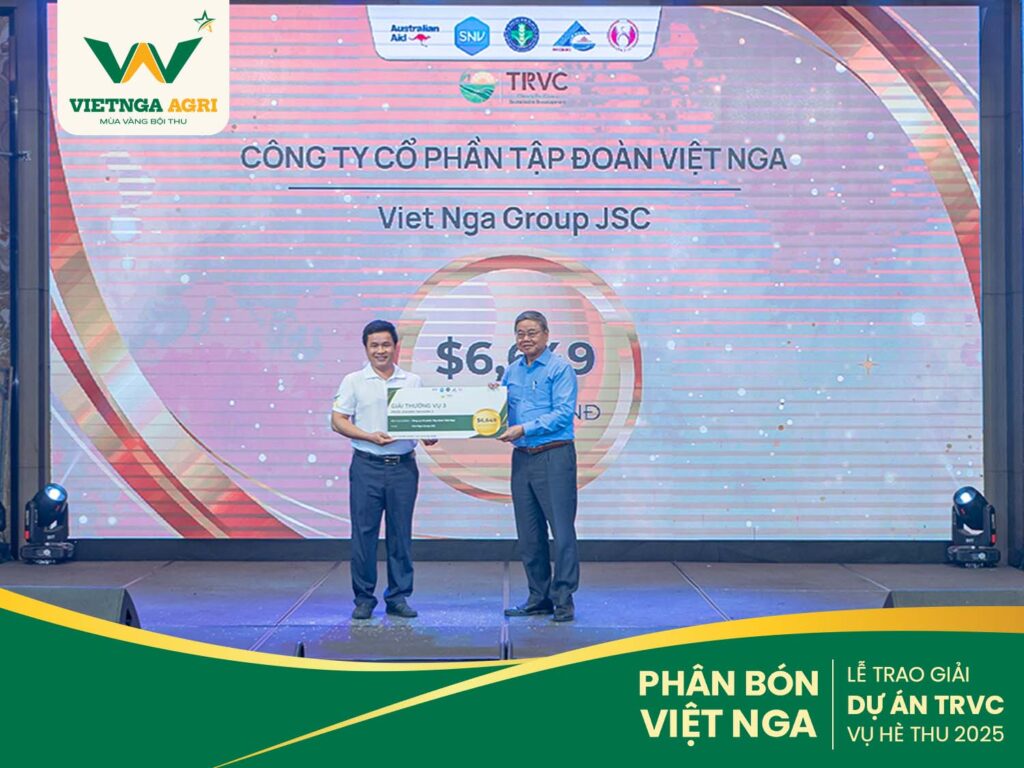
Viet Nga Fertilizer Receives TRVC Project Award for the 2025 Summer Autumn Rice Season
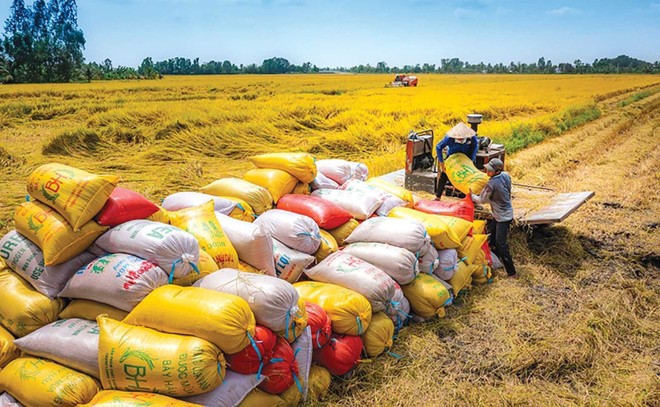
Global Rice Supply Faces Risks as Fertilizer Prices Rise and El Nino Returns

Viet Nga Joint Stock Company announces the holiday schedule for Hung Kings Commemoration Day, Reunification Day (April 30), and International Workers’ Day (May 1).

Viet Nga Agri Achieves High-Quality Vietnamese Goods Certification for Two Consecutive Year

Viet Nga Fertilizer Holds Workshop to Promote the Development of the TRVC Project in Dong Thap Province