
ACCOUNTING WITH FURTHER FARMERS
What is bio-fertilizer? The vital role of bio-fertilizers in supporting healthy crops
Bio-fertilizers are natural fertilizers that contain beneficial microorganisms which help improve soil fertility and support plants in absorbing nutrients more efficiently. Using bio-fertilizers not only helps farmers increase crop yields, but also protects the environment and reduces dependence on chemical inputs.
In this article, Viet Nga Fertilizer will explore what bio-fertilizers are and explain their key role in promoting healthy, sustainable plant growth.
What is Bio-Fertilizer?
Bio-fertilizers are a type of fertilizer that contains living beneficial microorganisms such as bacteria, fungi, and algae.
These microorganisms help increase soil fertility and provide natural nutrients for plants.
They work by fixing nitrogen, dissolving phosphorus, decomposing organic matter, and releasing enzymes and organic acids that improve soil health.
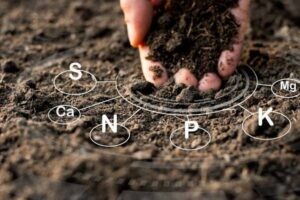
Common beneficial microorganisms found in bio-fertilizers include Rhizobium, Azotobacter, Azospirillum, Bacillus, Pseudomonas, and Mycorrhizal fungi.
These microorganisms help enrich the soil with essential nutrients, increase the population of beneficial bacteria, and improve soil structure — making it more porous, better at retaining moisture, and less prone to nutrient loss through leaching.
Nutritional Component of Bio-Fertilizers
Bio-fertilizers contain a rich mix of beneficial microorganisms and natural nutrients that make the soil more fertile and help plants grow stronger. Their main components include:
- Nitrogen-fixing bacteria (Rhizobium, Azotobacter, Azospirillum): These microorganisms absorb nitrogen from the air and convert it into a form that plants can easily use, helping reduce the need for chemical nitrogen fertilizers.
- Phosphate-Solubilizing Bacteria (Bacillus megaterium, Pseudomonas sp., Thiobacillus)
These microorganisms dissolve insoluble phosphorus compounds in the soil, making phosphorus (P) more available to plants — especially during flowering and grain-setting stages.
They play a vital role in improving root development and promoting strong, healthy growth. - Potassium-solubilizing bacteria (Bacillus mucilaginosus):These microorganisms help plants absorb potassium (K) more efficiently, improving their resistance to stress and enhancing the quality of agricultural products.
- Lactic acid-producing microorganisms:These microorganisms generate organic acids and natural antibacterial substances that suppress harmful pathogens and stimulate strong root development.
- Beneficial fungi (Trichoderma, Mycorrhiza):These fungi decompose organic matter, improve soil structure, retain moisture, and support nutrient exchange between the soil and plant roots.
- Actinomycetes (Streptomyces sp.): These microorganisms produce natural antibiotics that suppress harmful bacteria, helping loosen the soil and improve its aeration.
- Natural nutrients:Include nitrogen (N), phosphorus (P), potassium (K), and trace elements such as iron, zinc, and copper.
These nutrients support overall plant growth, resulting in higher and more sustainable yields.

Mechanism of Action of Bio-Fertilizers
Bio-fertilizers work through the natural life processes, growth, and interactions of beneficial microorganisms in the soil.These microorganisms help plants grow stronger and more sustainably. The main mechanisms include:
- Reducing stress and stimulating root growth: Certain microorganisms produce the enzyme ACC deaminase, which helps lower ethylene levels — a plant hormone that can inhibit root growth. As a result, roots grow longer and stronger, improving nutrient absorption, especially under drought conditions.
- Producing plant growth hormones: Microbial strains such as Azotobacter, Rhizobium, and Bacillus subtilis produce natural plant hormones like auxins, cytokinins, and gibberellins.
These hormones promote strong root formation, stem development, and enhance flowering and fruit setting. - Enhancing antioxidant enzyme activity: Beneficial microorganisms stimulate plants to produce protective enzymes such as SOD (superoxide dismutase), CAT (catalase), and POD (peroxidase).
These enzymes help neutralize reactive oxygen species, protect plant cells, and strengthen resistance against environmental stress. - Fixing and transforming nutrients: Nitrogen-fixing, phosphate-solubilizing, and potassium-mobilizing bacteria convert nutrients in the soil into forms that plants can easily absorb. As a result, crops receive sufficient nutrition, enhancing photosynthesis efficiency and improving yields.
- Activating natural defense mechanisms: Certain beneficial microorganisms help plants produce disease-resistant enzymes and bioactive compounds that strengthen their natural immunity.
This increases the plant’s resistance to pests, harsh weather conditions, and supports steady, healthy growth.
Types of Organic Bio-Fertilizers
Organic bio-fertilizers come in various types, classified based on the beneficial microorganisms they contain and the main functions they provide to plants.
Nitrogen-fixing bio-fertilizers
Nitrogen-fixing bio-fertilizers contain microbial strains capable of capturing nitrogen (N₂) from the air and converting it into a form that plants can absorb. This ensures that crops receive sufficient nitrogen for healthy growth without relying heavily on chemical fertilizers. Common nitrogen-fixing microorganisms include Rhizobium (forms a symbiotic relationship with legume plants such as peanuts and soybeans), Azotobacter, and Azospirillum. This type of fertilizer helps plants grow stronger, develop greener leaves, and naturally improve yield productivity.
Phosphate-Solubilizing Bio-Fertilizers
Phosphorus is an essential nutrient for plants, but it often exists in the soil in insoluble forms that roots cannot absorb. Phosphate-solubilizing bio-fertilizers contain beneficial microorganisms such as Bacillus megaterium, Bacillus subtilis, Pseudomonas spp., and Aspergillus niger, which convert insoluble phosphorus into forms that plants can easily take up.As a result, plants develop stronger root systems, grow vigorously, and are stimulated to flower, set fruit, and produce higher-quality yields. This type of fertilizer is particularly suitable for vegetables, fruit trees, and perennial crops.
Potassium-Solubilizing Bio-Fertilizers
Potassium-solubilizing bio-fertilizers help convert potassium-bearing minerals in the soil into soluble forms that plants can readily absorb. Microbial strains such as Bacillus mucilaginosus and Frateuria aurantia are commonly used in this type of fertilizer. Using potassium-solubilizing bio-fertilizers strengthens plant stems, thickens leaves, enhances resistance to pests and harsh weather, and improves the quality of agricultural products — including sweetness, color, and shelf life.
Antagonistic Bio-Fertilizers
Antagonistic bio-fertilizers act as a natural “biological shield” for crops. They contain beneficial microorganisms such as Trichoderma spp., Bacillus subtilis, and Pseudomonas fluorescens, which suppress and destroy harmful soil-borne fungi like Fusarium, Rhizoctonia, Pythium, and Phytophthora. Some of these beneficial strains also release natural enzymes and antibiotics that protect the root system, stimulate healthy plant growth, and significantly reduce the need for chemical pesticides.
Therefore, antagonistic bio-fertilizers are an ideal choice for farmers pursuing safe, sustainable, and eco-friendly cultivation practices.
The Role of Bio-Fertilizers in Crop Growth
Bio-fertilizers bring practical benefits to both soil and crops, helping farmers cultivate more effectively and sustainably. specifically
- Natural Nutrient Supply : Beneficial microorganisms in bio-fertilizers help convert nutrients already present in the soil into forms that plants can easily absorb. They also enrich the soil with essential elements such as nitrogen (N), phosphorus (P), potassium (K), and trace minerals, supporting healthy and balanced plant growth.
- Improving Soil Health : Bio-fertilizers help make the soil softer and more porous, increasing its fertility and water-holding capacity. They also restore the natural balance of soil microorganisms, creating a healthier and more productive soil ecosystem for crops to thrive.
- Stimulating Root Development : Beneficial microorganisms in bio-fertilizers stimulate strong root growth, helping plants absorb nutrients more efficiently. With a healthier root system, crops grow faster, stronger, and deliver higher yields naturally.
- Boosting Plant Resistance : Bio-fertilizers help plants grow stronger and more resilient. They enhance the plant’s natural defense system, allowing it to resist pests, diseases, and harsh weather conditions. As a result, farmers can reduce their dependence on chemical pesticides and maintain healthier, more sustainable crops.
- Protecting the Environment : Bio-fertilizers help reduce the use of chemical fertilizers, minimizing soil and water pollution. By maintaining the natural balance of the ecosystem, they support long-term sustainable farming and healthier soil for future generations.

Advantages and Limitations of Bio-Fertilizers
To make the most of bio-fertilizers, it’s important for farmers to understand both their advantages and limitations.
| Advantages of Bio-Fertilizers | Limitations of Bio-Fertilizers |
| Protecting the Environment : Bio-fertilizers help reduce soil and water pollution, supporting the development of greener and safer agriculture. | Slow-Acting Results : The effects of bio-fertilizers appear gradually, as beneficial microorganisms need time to become active in the soil — unlike chemical fertilizers that show quick but short-term results. |
| Improving Soil Quality : Bio-fertilizers enhance soil fertility, loosen compacted soil, and improve its water-holding capacity — helping maintain long-term soil health and productivity. | Reduced Effectiveness if Improperly Stored : Beneficial microorganisms are sensitive to heat and humidity. If bio-fertilizers are stored under unsuitable conditions, many of these microbes may die, reducing their effectiveness in the field. |
| Increasing Crop Yields : By providing natural nutrients, bio-fertilizers help plants grow stronger and healthier, resulting in higher yields and better-quality produce. | Higher Cost Compared to Conventional Fertilizers : Bio-fertilizers are often more expensive than common chemical fertilizers due to their production process and the need for careful storage and handling. |
| Safe and Eco-Friendly : Bio-fertilizers are safe for humans, animals, and the environment. | They contain no harmful chemicals and are fully compatible with the natural ecosystem. |
| Enhancing Plant Immunity : Beneficial microorganisms strengthen the plant’s natural defense system, helping it resist pests, diseases, and unfavorable weather conditions more effectively. | Challenging to Apply on a Large Scale : Applying bio-fertilizers evenly across large fields can be difficult without proper equipment or techniques. Their effectiveness depends on uniform distribution and suitable soil conditions. |
How to Use Bio-Fertilizers Effectively
When using bio-fertilizers, farmers should always pay attention to the product’s shelf life.
Bio-fertilizers remain effective only for a limited period — typically from 1 to 6 months, depending on the type and storage conditions. Before application, make sure to check the expiry date to ensure the microorganisms are still active and can perform at their best in the soil.
Bio-fertilizers deliver the best results when applied to newly cultivated land, acidic (saline or alum) soils, depleted soils, or areas that have become degraded after years of heavy chemical fertilizer use. They are also highly beneficial for fields that have not yet grown crops with symbiotic bacteria, as they help improve soil structure and restore the natural microbial ecosystem.
Viet Nga Fertilizer recommends applying bio-fertilizers during soil preparation or mixing them with well-decomposed organic manure for better results. When applying, make sure the soil stays moist — avoid hot, dry conditions or waterlogging, as these can reduce the activity of beneficial microorganisms.
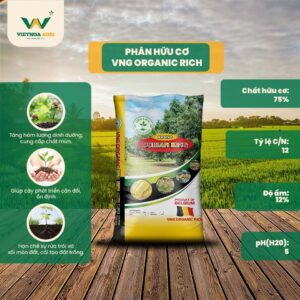
For farmers looking to combine natural nutrients with a rich source of beneficial microbes, Viet Nga Fertilizer offers a range of high-quality organic and bio-fertilizer products designed to enhance soil health and crop performance. using Viet Nga Fertilizer’s organic product — VNG Organic Rich It helps improve soil structure, replenish essential nutrients, and support sustainable plant growth for long-term productivity and soil health.
Important Notes When Using Bio-Fertilizers
To get the best results from bio-fertilizers, farmers should keep the following points in mind:
- Proper Storage : Keep bio-fertilizers in a cool, dry, and well-ventilated place, away from direct sunlight and high temperatures, to prevent the death of beneficial microorganisms.
- Use the Recommended Dosage : Always follow the manufacturer’s instructions for application rates. Avoid over- or under-application to ensure that plants receive the right amount of nutrients for optimal growth.
- Choose the Right Type of Bio-Fertilizer : Select the bio-fertilizer that best matches your crop type and the soil conditions of your farming area. Using the right product ensures that beneficial microorganisms work effectively and deliver the best results for your plants.
- Avoid Applying Under Strong Sunlight : Apply bio-fertilizers in the early morning or late afternoon, when soil moisture is higher and temperatures are cooler. These conditions help beneficial microorganisms survive and stay active, ensuring better performance in the soil.
- Combine with Proper Crop Care Practices : Maintain good farming practices such as regular watering, timely weeding, and crop rotation to enhance the effectiveness and long-term benefits of bio-fertilizers.
Proper field management helps beneficial microorganisms thrive, creating healthier soil and stronger plants.
Conclusion
Bio-fertilizers not only help plants grow stronger and produce higher yields, but also improve soil health and protect the farming environment in the long run.
By choosing and applying bio-fertilizers correctly, farmers can reduce costs, improve crop quality, and move toward more sustainable agriculture. Viet Nga Fertilizer is proud to accompany farmers on their journey toward safe, efficient, and eco-friendly farming — bringing long-term value to both the land and future generations.

Related news

The Role of Base Fertilization in Soil Improvement and Enhancing Agricultural Fertility
Measures to Improve and Treat Saline Soil

Winter-Spring rice blast warning – Don’t let leaf and flower burns rob you of your golden crop

Rice Sowing Techniques for the Early Winter–Spring Crop

What Is Slow-Release Fertilizer? Learn How to Use It Effectively