Farmers in the Mekong Delta Urgently Respond to Drought and Salinity Intrusion
According to forecasts from the Hydro-Meteorological Agency, the Mekong Delta is expected to experience a “low flood” season, raising concerns about drought and saltwater intrusion in the upcoming crop. Local farmers have already begun implementing preventive measures to protect their fields and ensure a successful harvest.
1. Experts’ Forecasts on Drought and Salinity for the 2023–2024 Season
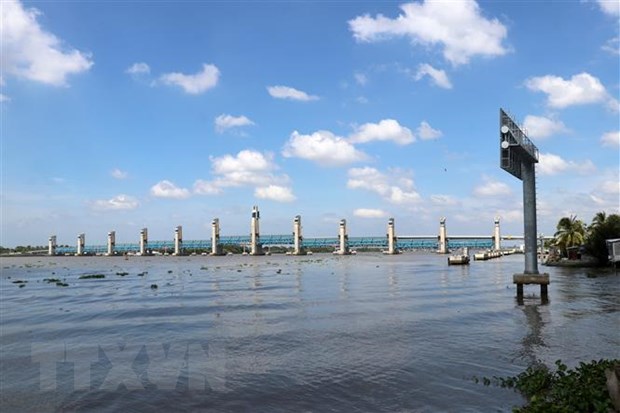
Source: Vietnam News Agency]
According to the National Center for Hydro-Meteorological Forecasting, the drought and salinity intrusion in 2024 is expected to be as severe as in 2016.
This is due to the low flood peak in 2023, which was lower than in 2022, and the total dry-season water flow is forecast to be 20–25% below the multi-year average.
One of the main causes is the Tonle Sap Lake (Cambodia) water level, which is currently about one meter lower than the long-term average, combined with the strong impact of the El Niño phenomenon.
Experts predict that dry and hot conditions will persist until April 2024, with high intensity, worsening the freshwater shortage across the Mekong Delta region.
This means that drought and salinity intrusion are expected to arrive earlier and be more intense than in previous years.
Typically, during the dry season, salinity intrusion lasts for about three months; however, in years with insufficient rainfall, it can extend up to six months.
For example, during the Winter–Spring crop of 2020, the prolonged drought and record-high salinity levels caused significant crop losses for many farmers across the Mekong Delta.
In reality, proper preparedness can greatly reduce the extent of damage.
During the 2020 drought, although the salinity levels were at a historic peak, thanks to experience and preventive measures, the affected rice-growing area was four times smaller compared to 2016.
2. Preparedness Measures of Farmers in the Mekong Delta Against Drought and Salinity
Source: Nature and Environment Magazine
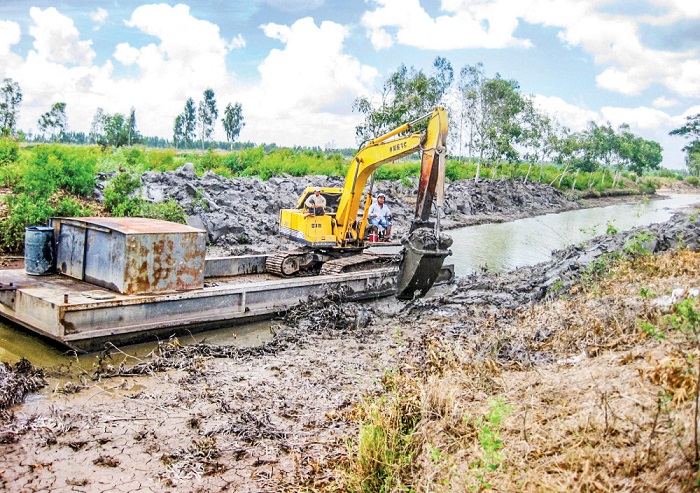
For short-term crops, farmers in the Mekong Delta have taken advantage of early planting to avoid water shortages during irrigation.
In particular, staple crops and grains, which are currently enjoying high market prices, were sown early in October and November 2023 — considered the golden period for cultivation.
For fruit trees and long-term industrial crops, after two previous seasons of drought and salinity, farmers have become more proactive in storing freshwater for both production and daily use.
Common methods include drilling wells, digging canals, building reservoirs, and using plastic water storage bags.
Meanwhile, local authorities across the Mekong Delta have been accelerating the completion of irrigation and anti-salinity projects along riverbanks to ensure water regulation during the dry season.
To maintain effective farming, farmers — especially those in coastal or saline-affected areas — are advised to regularly update weather and salinity information to adopt the most appropriate coping strategies.
Source: VNExpress, National Center for Hydro-Meteorological Forecasting

Related news
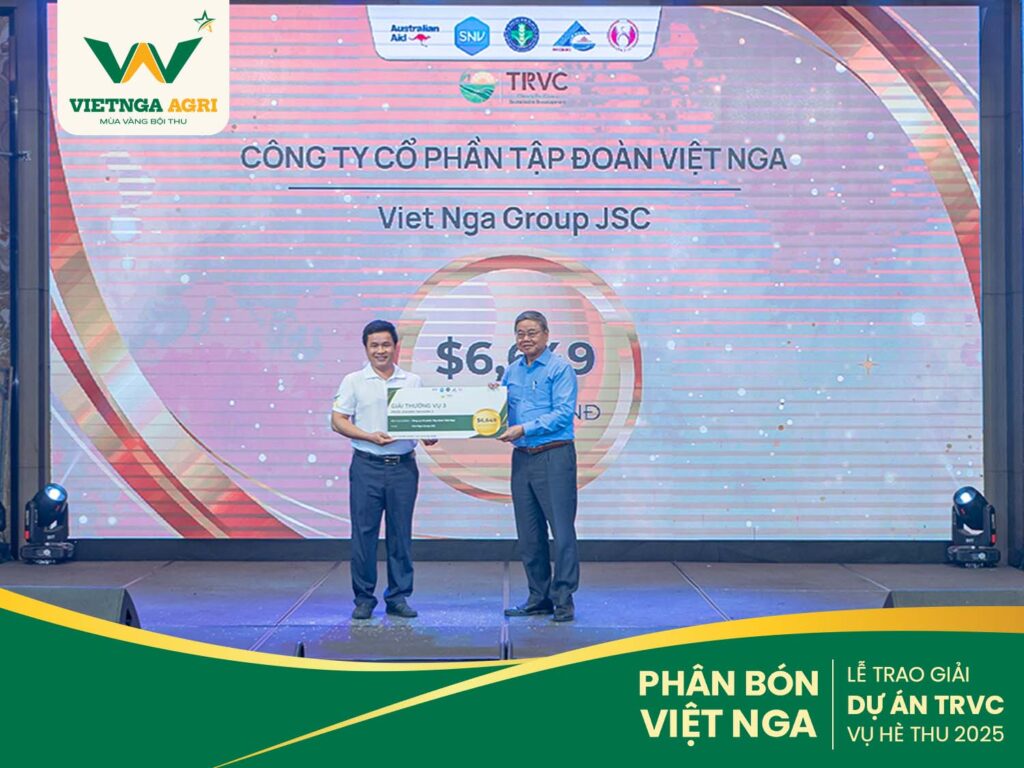
Viet Nga Fertilizer Receives TRVC Project Award for the 2025 Summer Autumn Rice Season
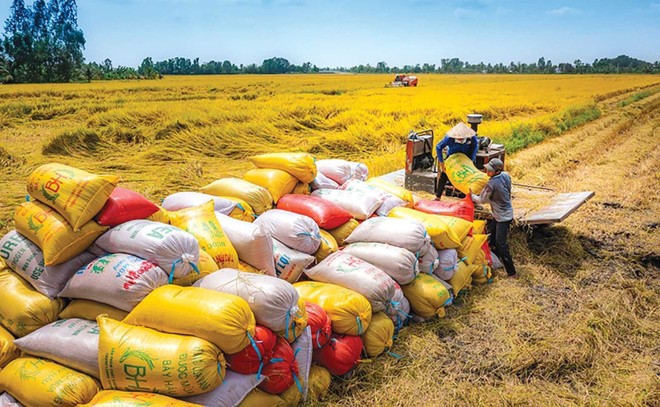
Global Rice Supply Faces Risks as Fertilizer Prices Rise and El Nino Returns

Viet Nga Joint Stock Company announces the holiday schedule for Hung Kings Commemoration Day, Reunification Day (April 30), and International Workers’ Day (May 1).
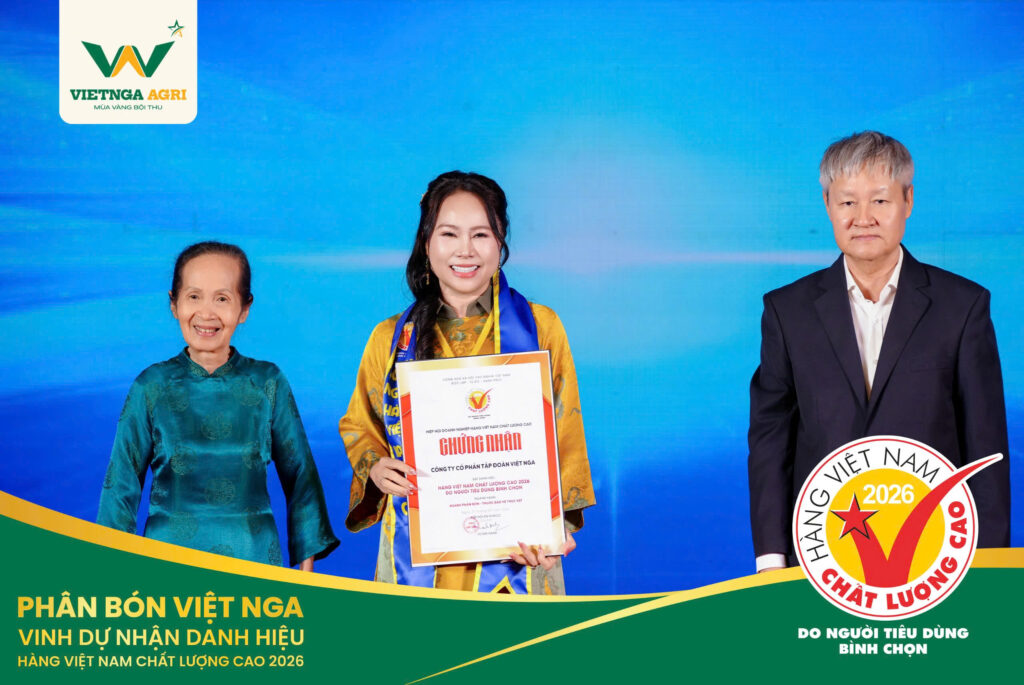
Viet Nga Agri Achieves High-Quality Vietnamese Goods Certification for Two Consecutive Year

Viet Nga Fertilizer Holds Workshop to Promote the Development of the TRVC Project in Dong Thap Province