
ACCOUNTING WITH FURTHER FARMERS
What is biofertilizer? How to use biofertilizer effectively
Biofertilizer is a type of fertilizer that helps improve soil fertility and promote plant growth. Thanks to its ability to fix nitrogen, release phosphorus and decompose organic matter, biofertilizer not only helps plants absorb nutrients better but also contributes to protecting the environment. So what types of biofertilizers are there and how to use them to achieve the highest efficiency? Let’s find out the details with Viet Nga Fertilizer in the following article!
What is biofertilizer? Effects of biofertilizer
Biofertilizers are fertilizers containing beneficial microorganisms such as bacteria, fungi and actinomycetes, which help improve soil fertility and promote plant growth. These microorganisms play an important role in decomposing organic matter, fixing nitrogen from the air and producing natural growth stimulants.
Effects of biofertilizers:
- Improve soil fertility: Biofertilizers help loosen the soil, increase water and nutrient retention, and promote the growth of beneficial microorganisms in the soil.
- Provide nutrients for plants: Bacteria such as Azotobacter and Rhizobium help fix nitrogen from the air, Bacillus bacteria convert phosphorus and potassium into easily absorbed forms, helping plants grow healthily without needing too much chemical fertilizer.
- Protect plants from pests: Some microorganisms such as Trichoderma, Metarhizium and Beauveria fungi have the ability to antagonize fungi and parasitize harmful insects, helping to reduce pests without overusing pesticides.
- Environmentally friendly: Biofertilizers do not contain toxic chemicals, helping to reduce soil and water pollution, suitable for organic and sustainable farming.
- Cost savings: With the ability to improve soil in the long term and reduce the need for chemical fertilizers, biofertilizers help farmers save costs during the cultivation process.
Distinguish between organic fertilizer, Biofertilizer and Organic biofertilizer
| Criteria | Organic fertilizer | Biofertilizer | Organic biofertilizer |
| Origin | From animal waste, agricultural waste, peat… | Is a biological product containing beneficial microorganisms | Is organic fertilizer fermented with beneficial microorganisms |
| Main ingredients | Organic matter | At least one beneficial microorganism | Organic matter and beneficial microorganisms |
| Organic matter | ≥ 20% | – | ≥ 15% |
| Microbial density | – | ≥ 1 x 10⁸ Cfu/g | ≥ 1 x 10⁶ Cfu/g |
| Microbial strains | – | Antagonism against fungi, nematode control, cellulose and phosphorus decomposition, nitrogen fixation | Biofertilizer varieties |
| How to use | Spread around the base of the tree, mix into the soil. | Direct fertilization, mixing into nursery pots, foliar spraying, composting | Organic fertilizer varieties |
| Uses | Soil improvement, helps loosen soil, retain moisture, and balance soil ecology | Providing microorganisms to help control plant diseases and decompose organic matter | Soil improvement, providing beneficial microorganisms for plants |
Biofertilizers bring many benefits to plants thanks to their ability to provide beneficial microorganisms, help decompose organic matter, fix nitrogen and improve soil health. However, to optimize efficiency, combining with organic fertilizers is an important solution. While biofertilizers supplement beneficial microorganisms, organic fertilizers provide a rich and long-term source of nutrients, helping plants grow healthily, while improving the soil, retaining moisture and increasing porosity.
Understanding this, Viet Nga Fertilizer provides many organic fertilizer products to help plants grow comprehensively, increase productivity and protect the environment. The products not only supplement nutrients for plants but also improve soil quality, help loosen the soil and support the development of beneficial microorganisms. Some typical organic fertilizer products include: VNG Organic Silver, VNG Organic Rich, VNG Organic Green 666, Goneco 06, Gronn (Nor Reindeer Green), Gronn,…
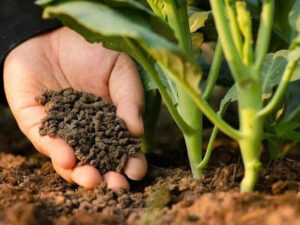
5 common types of biofertilizers on the market
1. Nitrogen-fixing microorganisms
Nitrogen-fixing microbial fertilizers contain microorganisms that help absorb nitrogen from the air and convert it into a form that plants can use. This allows plants to grow better without needing as much chemical fertilizer. Some common microorganisms:
- Rhizobium, Bradyrhizobium: Symbiotic with roots of legumes.
- Azospirillum, Spirillum: Support rice and other crops.
- Azotobacter, Clostridium: Free-living in soil, improving fertility.
2. Phosphate-solubilizing microorganisms
Phosphorus in soil is often in a form that is difficult for plants to absorb. Phosphorus-decomposing microorganisms help dissolve phosphorus, helping plants develop healthy roots. Microorganisms commonly found in this type of fertilizer include:
- Bacillus megaterium, Bacillus subtilis: Bacteria that help decompose phosphorus.
- Aspergillus niger: Fungi that can decompose phosphorus compounds.
3. Microbiological fertilizer decomposes fiber
This type of fertilizer contains microorganisms that help decompose straw, leaves, and organic matter into easily absorbed nutrients, improving soil looseness. Common microorganisms:
- Bacillus, Pseudomonas: Bacteria that help decompose organic matter.
- Trichoderma reesei, Streptomyces: Fungi that help process organic waste.
4. Antagonistic microorganisms
Phân vi sinh đối kháng giúp bảo vệ cây trồng khỏi các bệnh do vi khuẩn, nấm gây ra, giúp cây khỏe mạnh mà không cần dùng thuốc bảo vệ thực vật. Một số vi sinh vật quan trọng:
- Bacillus subtilis: Inhibits root-damaging fungi.
- Trichoderma spp.: Destroys fungal pathogens.
- Chaetoglobusin: Inhibits plant-pathogenic fungi.

5. Synthetic microbial fertilizer
Synthetic biofertilizer contains many beneficial microorganisms, helping plants grow comprehensively. This type of fertilizer also improves soil fertility and limits pests and diseases.
How to use biofertilizer effectively
1. Land improvement
Biofertilizers help improve fertility, strengthen soil structure and help plants absorb nutrients better. Biofertilizers are especially useful when used on newly reclaimed land, degraded soil, acid sulfate soil or areas degraded due to overuse of chemical fertilizers.
2. Seed treatment
Mixing biofertilizer with seeds before planting helps the seeds germinate faster, the seedlings grow stronger and increase their resistance to pests and diseases. This is an important step to help plants get off to a good start.
3. Foliar fertilization
Foliar fertilizers are microbial fertilizers that can be diluted with water and sprayed directly onto the leaves of plants. This method helps plants absorb nutrients faster, stimulates growth and increases resistance to pests and diseases, especially during the seedling stage or when plants need to recover from a dry period.
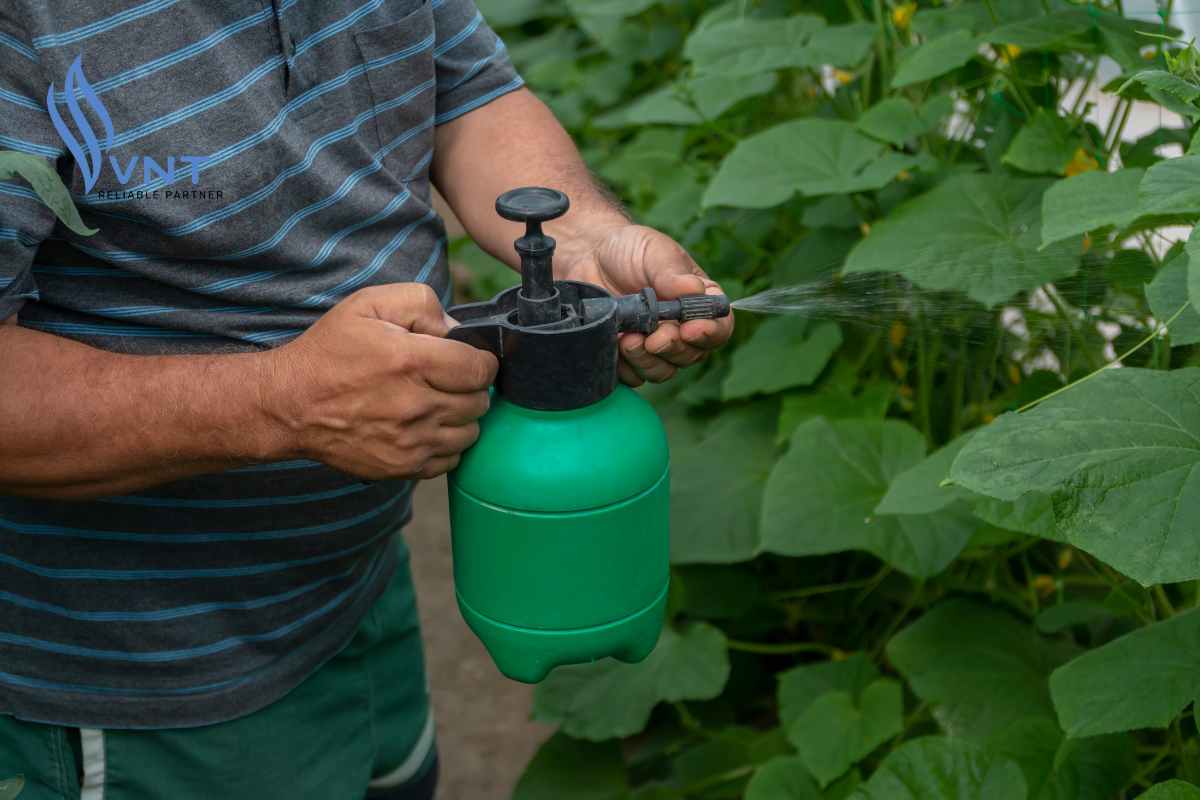
4. Combine compost
Microbial fertilizers can be used to compost organic fertilizer, helping to speed up the decomposition of organic matter, creating a source of nutrient-rich fertilizer that is environmentally friendly and safe for plants.
5. Notes on use
- Check the expiry date before use, as biofertilizers usually have a shelf life of 1-6 months.
- Using biofertilizers in areas with poor soil, degraded soil or soil without symbiotic bacteria will bring the highest efficiency.
- Store biofertilizers in a dry, cool place, away from direct sunlight to ensure that the microorganisms in the fertilizer are still active.
Conclusion
Biofertilizers are an environmentally friendly solution that helps improve soil, increase nutrition and support healthy plant growth. Using biofertilizers properly not only increases productivity but also helps maintain long-term soil fertility. Hopefully, through this article, farmers have a better understanding of biofertilizers and how to apply them effectively in farming. Choose a reputable fertilizer source to ensure quality and bring the best benefits to crops!
Related news
The Role of Base Fertilization in Soil Improvement and Enhancing Agricultural Fertility
Measures to Improve and Treat Saline Soil

Winter-Spring rice blast warning – Don’t let leaf and flower burns rob you of your golden crop

Rice Sowing Techniques for the Early Winter–Spring Crop
What Is Slow-Release Fertilizer? Learn How to Use It Effectively