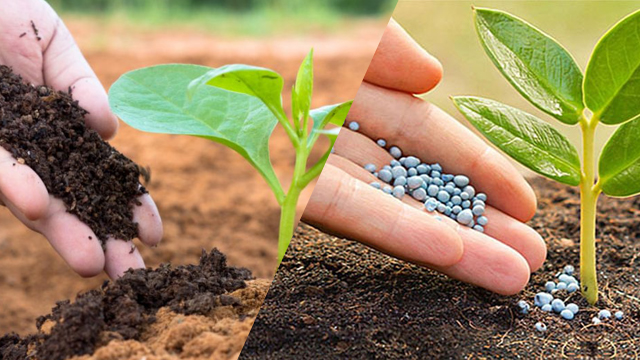
ACCOUNTING WITH FURTHER FARMERS
How to Properly Apply DAP Fertilizer to Rice Plants for High Yield
To learn how to use DAP correctly for rice cultivation to achieve the best results, please join Viet Nga Fertilizer in exploring the information in the article below!

1. The concept of DAP fertilizer
DAP fertilizer (abbreviation for DiAmmonium Phosphate or DiAmmonium Phosphate) is a compound fertilizer, consisting of two main nutrient elements: phosphorus and nitrogen.
Due to its high phosphorus content, it is often considered a type of phosphorus fertilizer in practice, making it very suitable for acidic soils and basaltic soils.
– Phosphorus content (P25): 45-46%.
– Protein (N) content: 16-18%.
2. Uses of DAP fertilizer for rice plants
DAP fertilizer is a type of fertilizer with a very high nutrient content and many outstanding advantages that make the process of cultivating rice simpler and more effective.
2.1. Provides nutrients:
Phosphorus and nitrogen are essential nutrients for plants. During the growth stages requiring high levels of phosphorus and nitrogen, especially the seedling stage, applying DAP fertilizer to rice plants is an extremely suitable choice.
2.2. Increase agricultural productivity and quality:
Providing plants with a complete and balanced supply of essential minerals helps improve the metabolic exchange between the plant and its surrounding environment.

- DAP fertilizer helps increase agricultural productivity and quality.
2.3. Pest and disease control:
DAP fertilizer helps strengthen plants and increase their resistance to harsh weather and environmental conditions.
2.4. Avoid waste:
The addition of minerals helps to break down nutrients in the fertilizer slowly, minimizing leaching and nutrient loss.
2.5. Reduce soil compaction and degradation:
DAP fertilizer has a neutral pH, so it has minimal impact on soil properties and soil organisms.
3. How to use DAP fertilizer for rice plants
3.1. Rice plants’ DAP fertilizer requirements
Scientific studies on rice nutrition have determined that each growth and development stage has different soil and nutrient requirements.
Proper and rational fertilization practices, including the application of DAP fertilizer, play a crucial role in plant growth and development, as well as overall crop yield.

- Apply DAP fertilizer according to the correct procedure and technique for best results.
Accordingly, rice plants need early application of nitrogen and phosphorus fertilizers. DAP fertilizer contains a higher proportion of nitrogen and phosphorus, which helps the root system develop strongly and seedlings grow quickly.
Especially in acidic soils, in addition to providing phosphorus for rice plants, DAP can also reduce acidity because phosphorus can combine with iron and aluminum to create non-toxic bonds, thereby helping rice plants to tiller and root better.
3.2. Use DAP fertilizer for rice plants along with Viet Nga fertilizer.
Experts recommend applying DAP fertilizer to rice seedlings at 8-10 days and 18-22 days after sowing.
-

- The process of applying DAP fertilizer to rice plants.
– First topdressing application (8-10 days after sowing):
This is the stage when the rice plant begins to develop, forming 3-4 leaves.
During this stage, it is necessary to combine Nitrogen-Saving Urea Fertilizer and DAP 18-46 to ensure sufficient nitrogen supply for healthy leaf and root growth.
– Second topdressing application (18-22 days after sowing):
It is necessary to apply Nitrogen-Saving Urea and DAP 18-46 fertilizers to maintain sufficient nitrogen supply for plant growth.
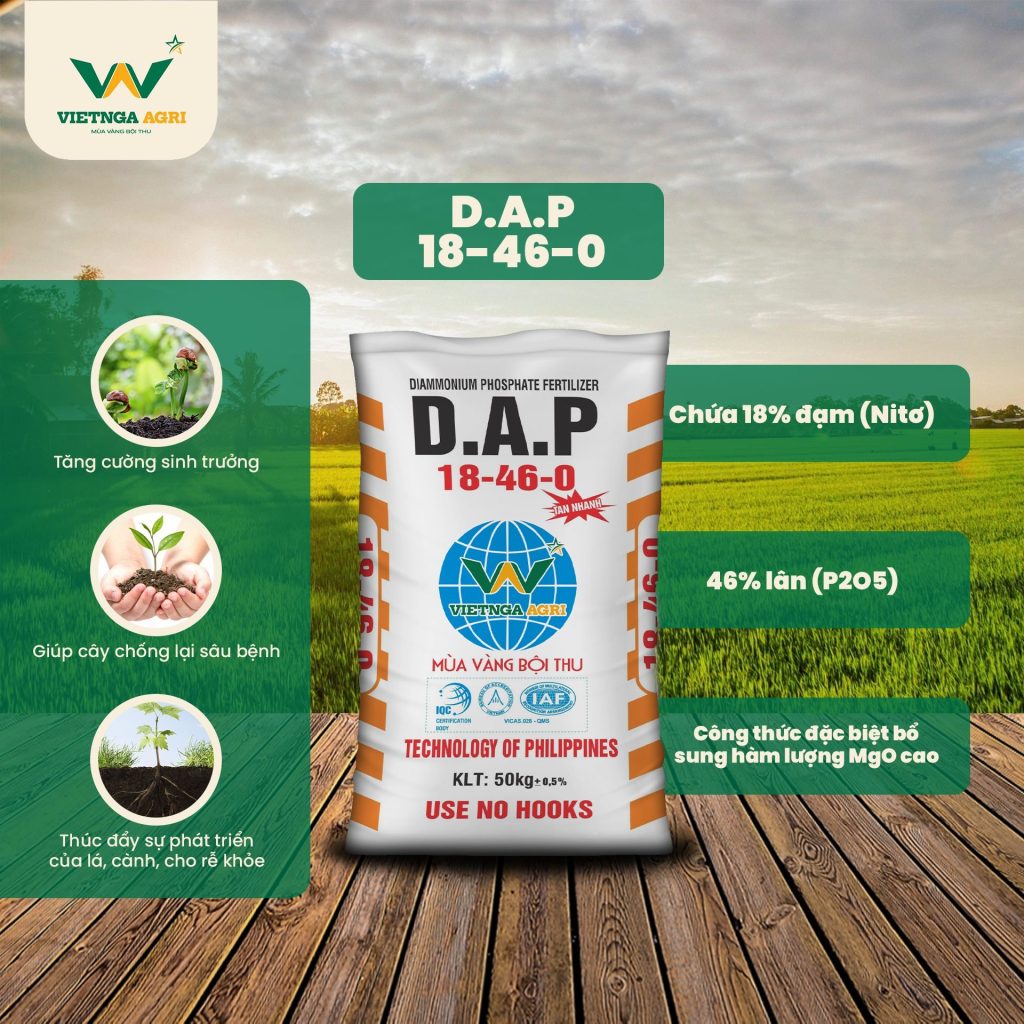
Viet Nga Fertilizer’s DAP 18-46 fertilizer, with its special formula containing a high MgO content, helps plants stay green longer due to improved photosynthesis and respiration, while also strengthening plants, increasing resistance, and reducing pests and diseases.
In addition, fertilizers with high nutrient content help plants grow and develop quickly, thereby increasing agricultural productivity and quality.
4. Notes on using DAP fertilizer for rice plants
Applying DAP fertilizer to rice plants offers many great benefits; however, improper use can lead to harmful effects that impact the crop.
- Apply an appropriate amount of fertilizer.
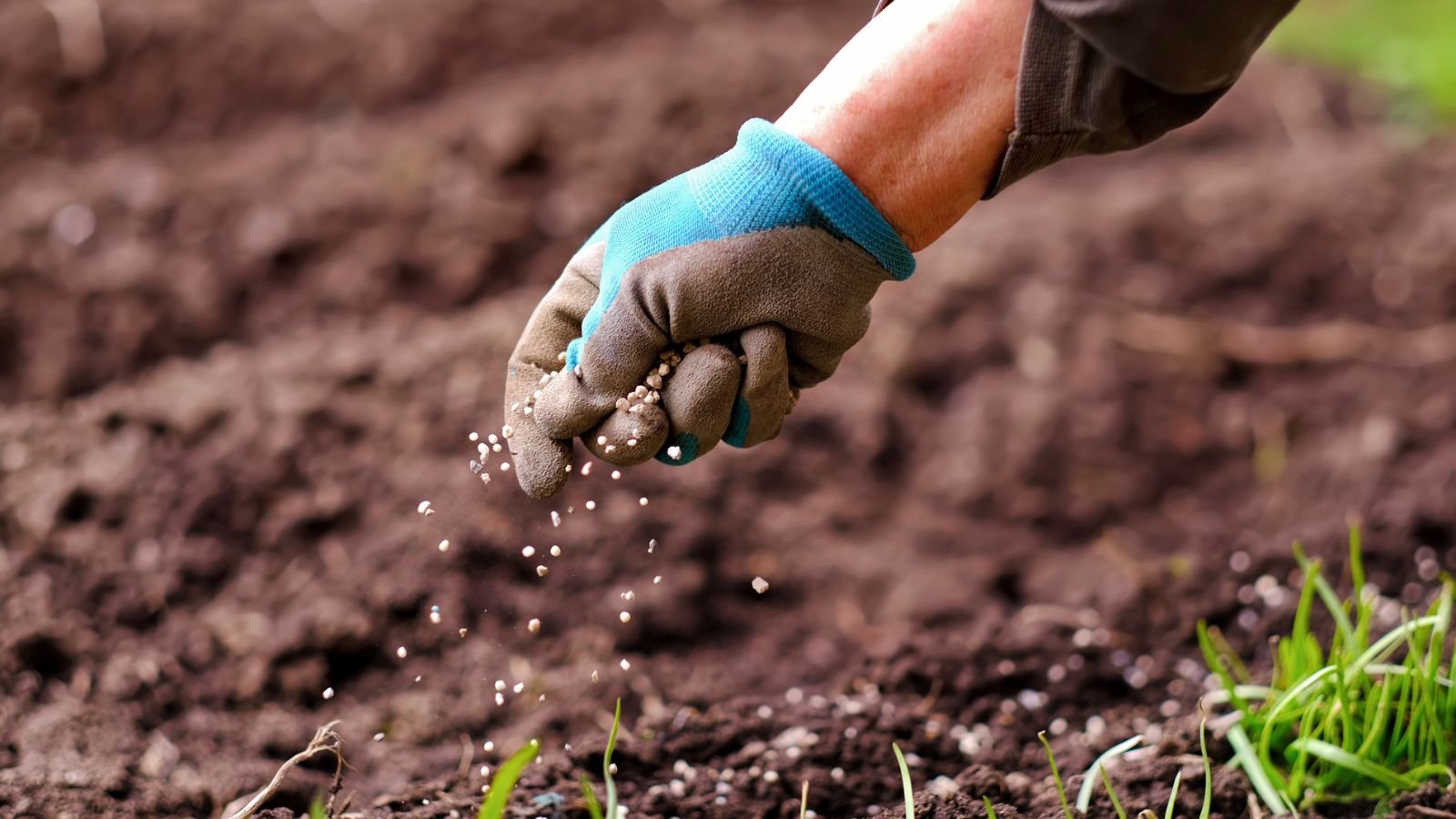
- When fertilizing, spread the fertilizer around the base of the plant, avoiding concentrating it at the root.
- It is recommended to combine DAP fertilizer with organic fertilizers to ensure rapid absorption and healthy plant growth.
Conclusion
Applying DAP fertilizer to rice plants is an excellent method of providing nutrients, with minimal impact on soil properties and soil organisms, while creating conditions for healthy plant growth, high yield, and quality.
Hopefully, this article from Viet Nga Fertilizer has provided you with more information on how to use DAP fertilizer for rice plants. For any questions about its uses, composition, or application methods, please contact our hotline 02778 55 66 77 for detailed advice.
Viet Nga Fertilizer is always ready to accompany farmers on their bountiful harvests. For more information on new farming techniques, please visit “Accompanying Farmers“!
Related news
The Role of Base Fertilization in Soil Improvement and Enhancing Agricultural Fertility
Measures to Improve and Treat Saline Soil
Winter-Spring rice blast warning – Don’t let leaf and flower burns rob you of your golden crop

Rice Sowing Techniques for the Early Winter–Spring Crop
What Is Slow-Release Fertilizer? Learn How to Use It Effectively