ACCOUNTING WITH FURTHER FARMERS
Method of Using Single Fertilizers in Combination for Rice Plants on Sandy Soil
Sandy loam soil is one of the common soil types found in Asia in general and Southeast Asia in particular. Despite its inherent characteristics that present limitations in cultivation, sandy loam soil has been and continues to be used extensively in agriculture, including rice cultivation.
Let’s explore with Viet Nga Fertilizer how to use single fertilizers in combination for rice plants on sandy soil!
1. What is sandy loam soil? Advantages and disadvantages of sandy loam soil.
Sandy loam is a type of soil in which sand accounts for 35% to 85% of the soil’s volume.
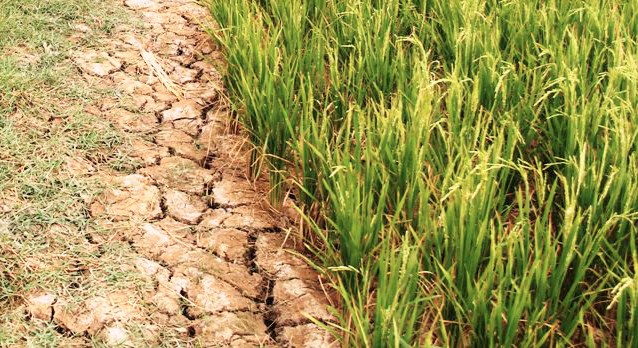
The sand particles are very small, ranging in size from 0.05mm to 2mm. The soil has a porous structure, does not retain water well, and is very dry.
Advantage:
- It has good drainage capabilities, preventing waterlogging and root rot.
- The plants grow easily because they are not limited by pH levels.
- Easy to plow and requires little labor for land preparation.
Disadvantages:
- Because they lose water easily, plants need to be watered regularly.
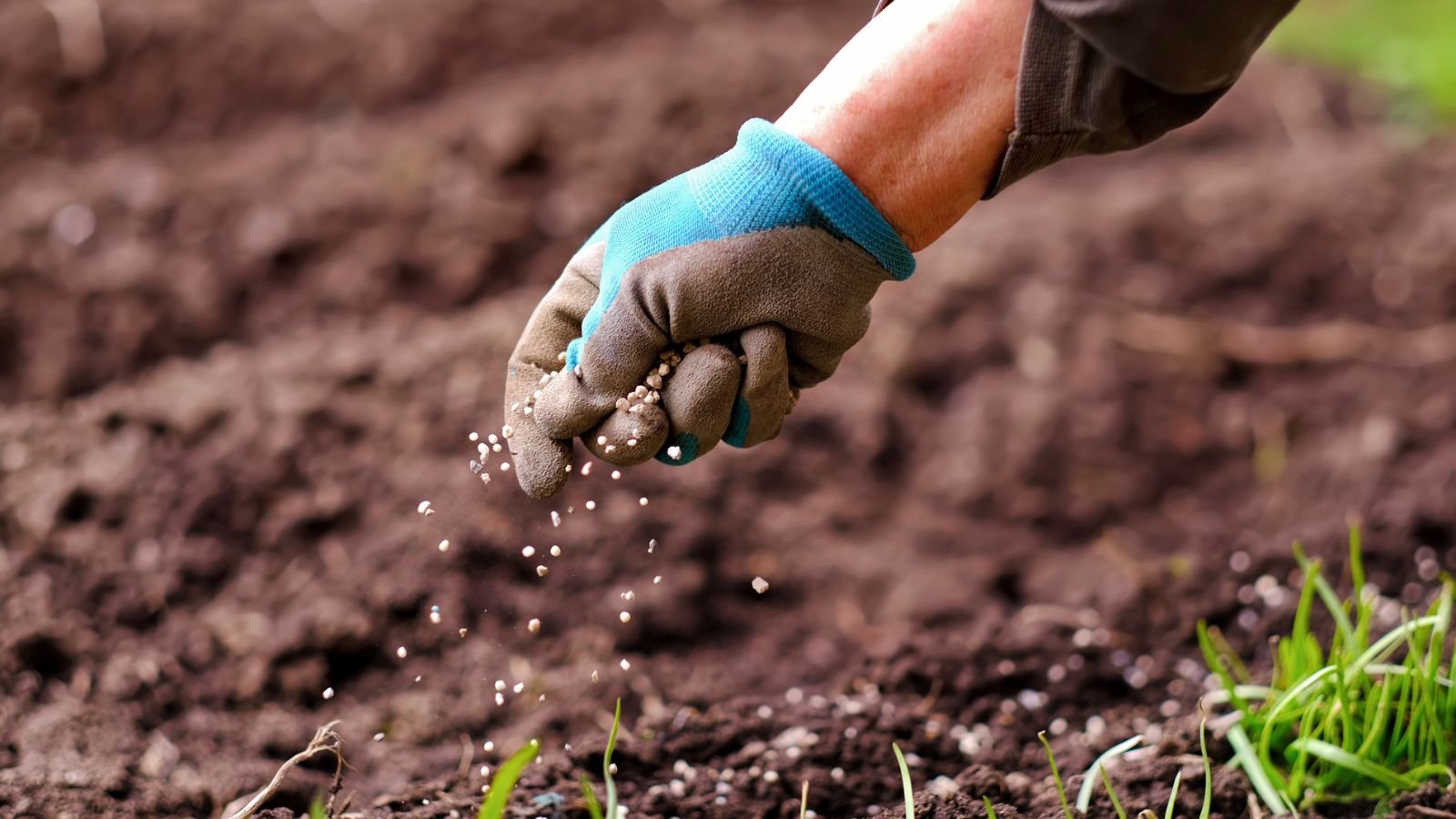
- Fertilizer needs to be added because sandy soil lacks nutrients.
- It fails to retain nutrients and organic matter.
Sandy soils possess many properties and advantages for agricultural cultivation, but their fertility needs to be improved and nutrients added to achieve high yields.
2. Is sandy loam soil suitable for growing rice?
Due to its need for sufficient water to grow and develop, rice plants have traditionally been grown in conditions with adequate water supply and nutrient-rich soil, which are also disadvantages of sandy loam soil.
However, this does not mean that sandy soil is unsuitable for rice cultivation. Typically, in the central provinces of Vietnam, many barren sandy areas are transformed into vibrant, golden rice paddies laden with grain.
In many areas of this region, rice has become the main crop, yielding high productivity and providing stable income for many farming households.
It’s all thanks to the local people who dared to experiment with rice cultivation on this sandy land, which is inherently difficult to retain water in.
After several seasons of high efficiency and productivity, rice cultivation was expanded to many areas, yielding productivity comparable to intensive rice farming regions in other delta areas.
3. Notes on ensuring good rice growth in sandy loam soil.
3.1. Check the acidity of the soil:
Sandy soils often have a high acidity level, so before planting rice, it is necessary to check the soil’s acidity and adjust it appropriately by using organic or mineral fertilizers to improve the soil’s acidity.
3.2. Nutritional supplements:
Due to the drawback of nutrient deficiency, it is necessary to supplement with organic fertilizers to ensure sufficient nutrients for the plants, helping them to grow well.
3.3. Water regularly:
Due to its porous structure and tendency to lose water easily, farmers need to pay attention to providing water regularly to ensure that the rice plants do not dry out.
3.4. Choose the right rice variety:
Lựa chọn giống lúa phù hợp có khả năng chống chịu tốt sẽ giúp cho việc canh tác thuận lợi hơn.
3.5. Using fertilizers:
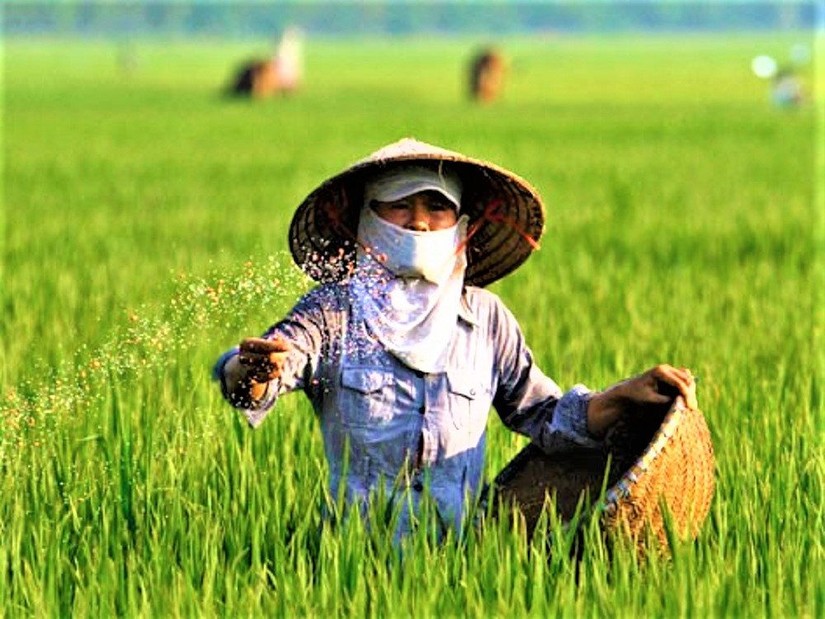
Adding fertilizer helps rice plants absorb nutrients better and increases their resistance to diseases and pests.
4. Combined single fertilizer application process for rice plants on sandy soil.
Despite the limitations in agricultural cultivation, especially rice farming, thorough preparation in terms of knowledge and techniques for fertilizing rice plants, along with the rational use of appropriate fertilizers, will make farming more convenient, improve yields, and enhance product quality.
In addition, applying single fertilizers in combination with other fertilizers according to proper procedures will help the rice plants grow, prevent pest and disease attacks, and ensure yield.
Agricultural experts say that the process of fertilizing rice needs to be carried out in stages, specifically:
- Base fertilization.
- Top dressing helps rice plants to tiller.
- Apply fertilizer to promote panicle development.
- Fertilize the seeds.
4.1. Base fertilization
The ideal time to fertilize is approximately 5 days before or after sowing or transplanting.
During the early growth stage, rice plants need to absorb a lot of nutrients to promote tillering and development; therefore, specialized fertilizers for rice plants should be used.
- Applying lime as a base fertilizer: This helps adjust the soil pH to a neutral level for acidic soils, soils with low pH, or soils used for perennial fruit trees.
- Applying organic fertilizer as a base dressing: there are two common types, namely manure and microbial organic fertilizer, which help to improve soil aeration and enhance the activity of beneficial microorganisms in the soil.
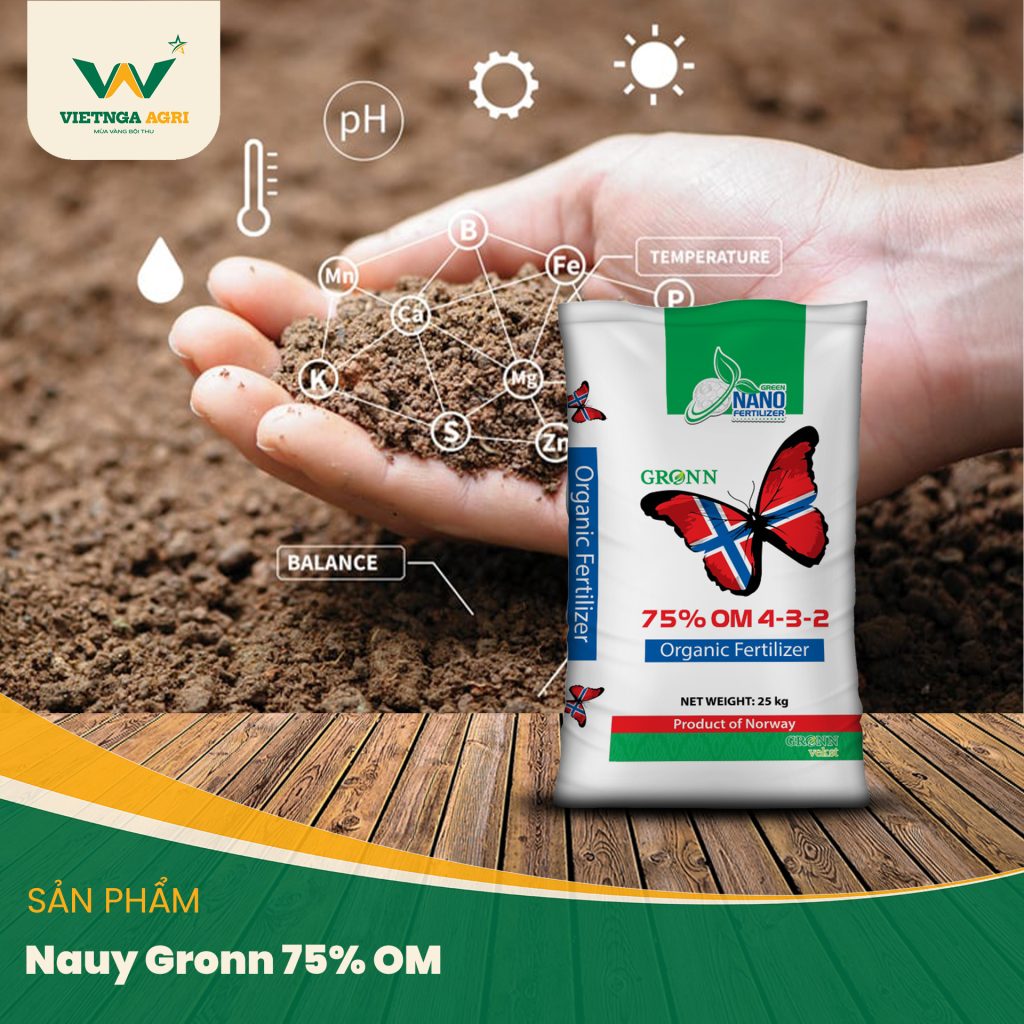
- Norwegian Gronn 75% OM organic fertilizer is specifically for base fertilization and top dressing.
Norwegian Gronn 75% OM organic fertilizer is a product specifically designed for base fertilization and top dressing, stimulating root development, increasing the efficiency of mineral fertilizers, supplementing nutrients, and enhancing metabolic processes to promote healthy and rapid plant growth.
4.2. Top dressing
- First fertilization (when the plant is tillering): Apply fertilizer 7-10 days after sowing.
This is the time that helps seedlings grow quickly and tiller early.
During the topdressing period for rice, we should combine nitrogen fertilizer with phosphorus fertilizer to reduce soil acidity and toxins, promote rapid tillering, and provide additional nutrients for the rice plants.
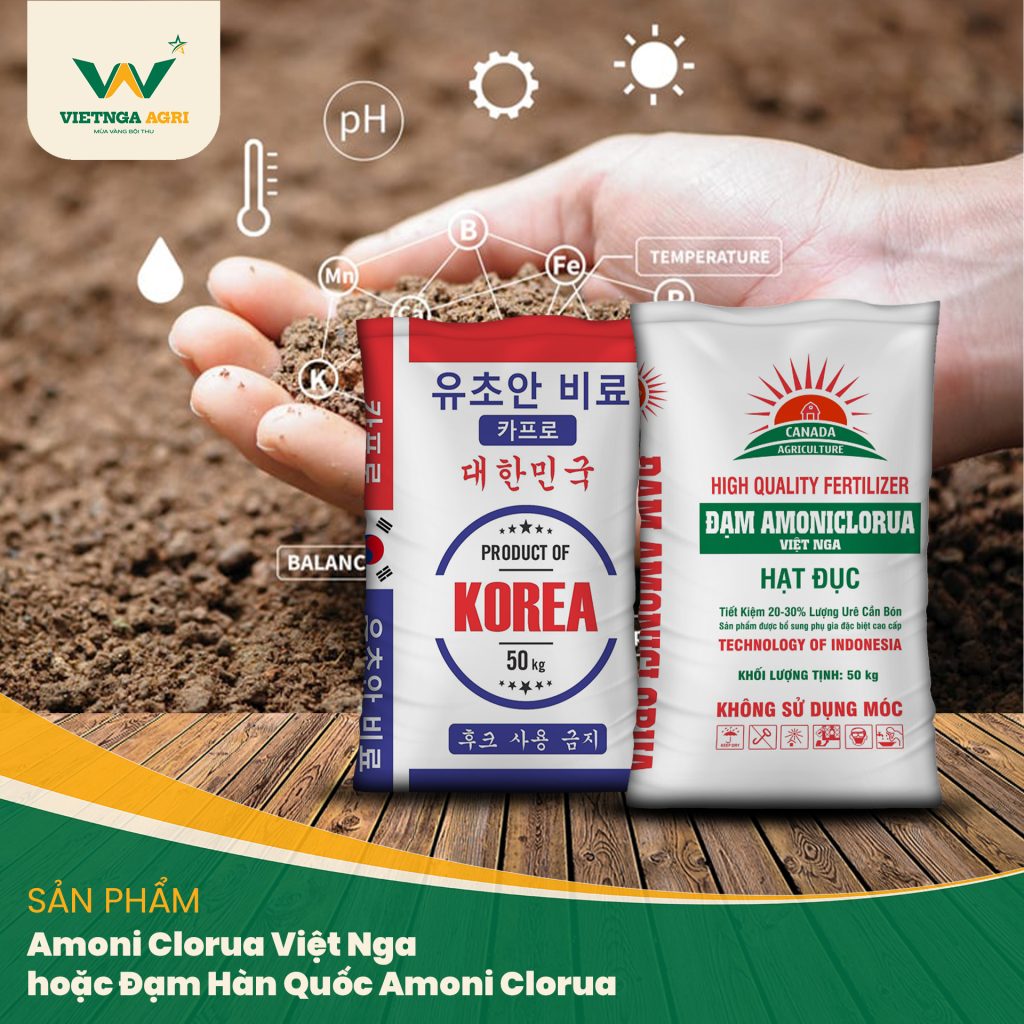
- Viet Nga Ammonium Chloride fertilizer or Korean Ammonium Chloride fertilizer has the ability to balance nutrient elements.
Viet Nga Ammonium Chloride fertilizer or Korean Ammonium Chloride fertilizer has the ability to balance nutrient elements.
- Second fertilization (when rice plants are heading): Apply 15-20 days after sowing.
This is a crucial time that determines crop yield. To maintain the rice plant’s resilience, we need to mix nitrogen and potassium fertilizers to support flowering and grain formation.
In addition, regular field visits will help monitor and address any problems that arise.
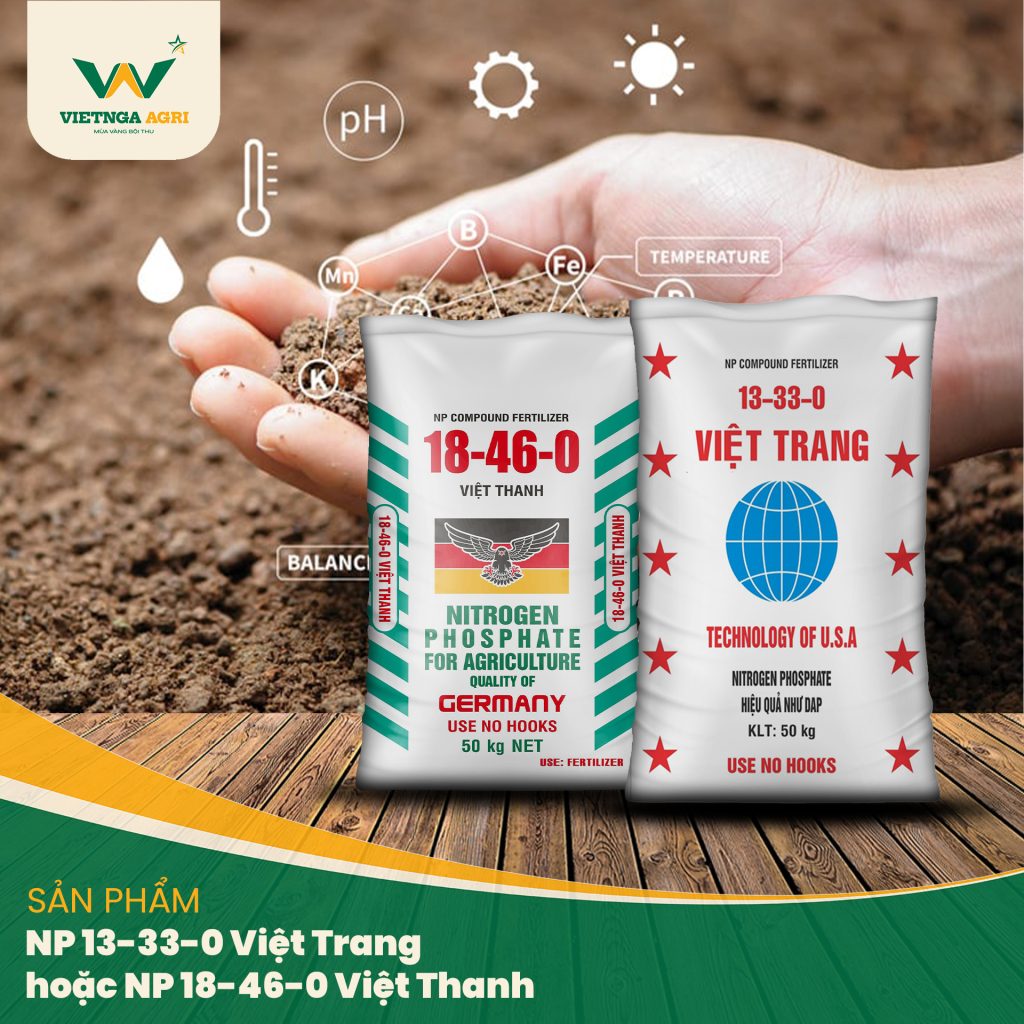
- NP 13-33-0 or NP 18-46-0 offer the potential for high nutrient content.
NP 13-33-0 or NP 18-46-0 mixed fertilizers provide high levels of nutrients, promoting rapid plant growth, increased resistance to pests and diseases, and superior overall plant development.
4.3. Third fertilization (before heading)
Fertilization should be done 38 to 42 days after sowing.
The panicle initiation fertilization is considered one of the final fertilizations in the rice plant’s life cycle, directly affecting crop quality and yield.
Using fertilizers with a high potassium content will help produce longer panicles, brighter, firmer grains, and reduce lodging.

- NPK 20-20-15+TE fertilizer provides a balanced ratio of nutrients.
NPK 20-20-15+TE fertilizer provides a balanced ratio of essential nutrients for plants, promoting rapid recovery, budding, and shoot growth, stimulating flowering and fruiting, resulting in large, glossy, and beautiful fruits.
Correctly identifying the stages of rice plant growth to provide the necessary nutrients will help the rice plants stay healthy, save costs and labor, and yield the best possible harvest.
Bên cạnh đó việc theo dõi thường xuyên tình trạng của cây lúa sẽ giúp cho bà con có biện pháp phòng trừ sâu bệnh kịp thời.
Conclusion
The above is a method and process for using single fertilizers in combination for rice cultivation on sandy loam soil. Hopefully, through this article, farmers will have a new perspective on how to cultivate rice on sandy loam soil.
Every land will be covered in the green of rice paddies and the golden hues of bountiful harvests. Let Viet Nga Fertilizer accompany farmers in cultivating sandy soil, creating abundant harvests on fields laden with golden grains!
✉ Please contact our hotline at 02778 55 66 77 to receive product advice from our specialists for your specific farming needs and stay updated with the latest knowledge through our “Accompanying Farmers” section!
Related news
The Role of Base Fertilization in Soil Improvement and Enhancing Agricultural Fertility
Measures to Improve and Treat Saline Soil
Winter-Spring rice blast warning – Don’t let leaf and flower burns rob you of your golden crop

Rice Sowing Techniques for the Early Winter–Spring Crop
What Is Slow-Release Fertilizer? Learn How to Use It Effectively