ACCOUNTING WITH FURTHER FARMERS
Learn these water management techniques to keep your rice plants healthy and minimize pests and diseases.
Water plays a crucial role in the growth and development of rice plants. Effective water management helps rice plants stay healthy, increases yield, and minimizes pests and diseases. During the dry season or periods of drought and salinity, water management becomes even more essential. Join Viet Nga Fertilizer in exploring water management techniques for rice plants in the following article.
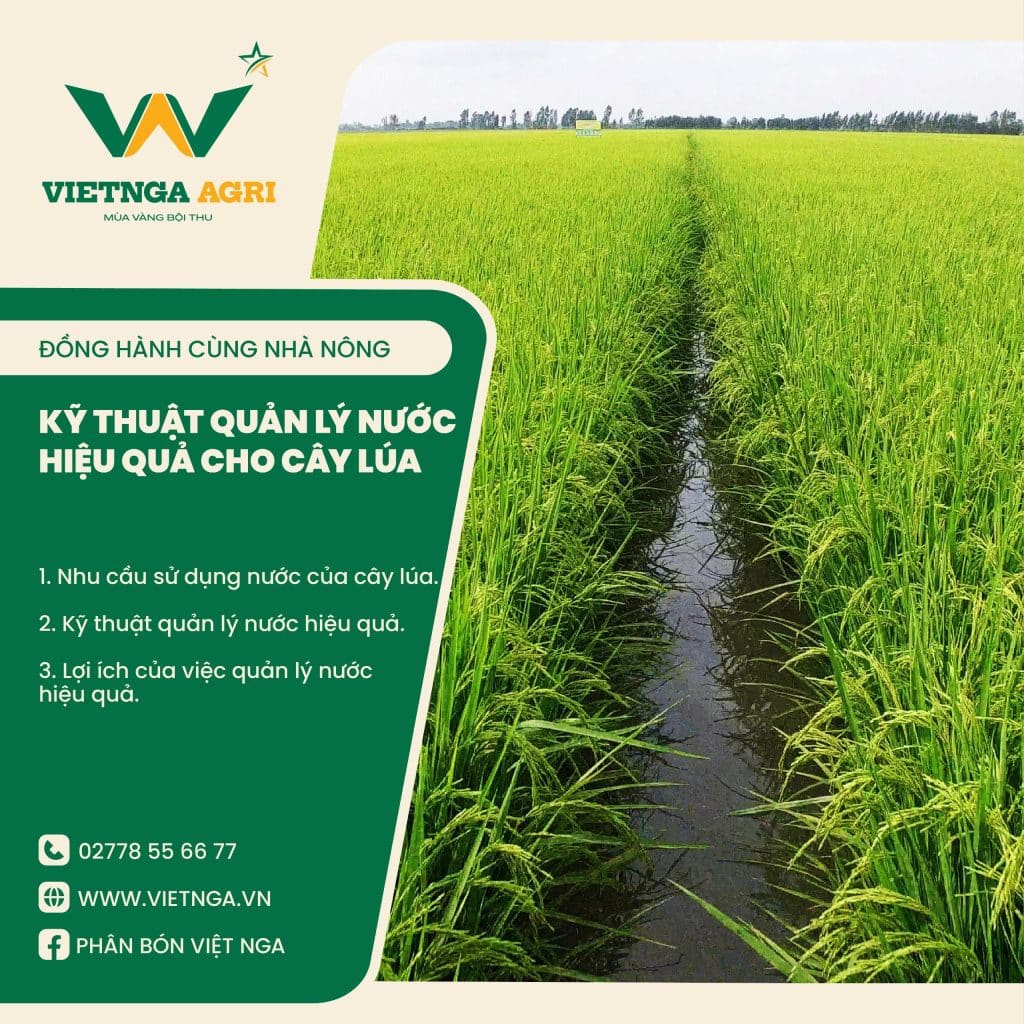
- Water management for rice crops impacts rice yield.
I. Water requirements of rice plants
Here are some of the important roles of water for rice plants:
– Regulating the microclimate: Water helps regulate the temperature in the rice field, reducing the impact of heat and frost, creating a suitable environment for rice plant growth.
– Providing moisture to the soil: Water helps to saturate the soil, creating favorable conditions for the rice root system to develop and absorb nutrients.
– Helps rice plants absorb nutrients: Water acts as a solvent for nutrients in the soil, making it easier for rice plants to absorb them.
– Reducing acidity and salinity: Irrigation helps to wash away acidity and salinity, creating favorable conditions for rice plants to grow well in areas with high acidity and salinity levels.
– Preventing weed growth: Maintaining water levels in the rice paddies creates an anaerobic environment, limiting weed growth and allowing rice plants to compete more effectively.
II. Các giai đoạn cần chú trọng tưới nước
Watering at the right time and according to the needs of the rice plant is a crucial factor in ensuring rice yield and quality. Below are the stages of rice cultivation that require focused irrigation:
1. Seedling stage
Rice needs high humidity to germinate and grow.
– Water the field regularly to keep the soil moist, with a water level of about 2-3 cm.
– Avoid overwatering, which can cause waterlogging and affect the rice’s germination ability.
2. Rice tillering stage
Rice plants need plenty of water to tiller vigorously.
– Maintain the water level in the rice paddy at approximately 5-7 cm.
– Water the rice plants according to their needs, avoiding overwatering or underwatering.
3. The rice heading and flowering stage
Rice plants need water to develop their panicles, bloom, and nourish their grains.
– Maintain the water level in the rice paddy at approximately 3-5 cm.
– Avoid letting the fields dry out or become waterlogged during this period.
In addition to the stages mentioned above, farmers also need to pay attention to watering the rice crop during the following periods:
– During the rice ripening stage: Water the field to keep it consistently moist and reduce empty grains.
– Pre-harvest stage: Drain the water to allow the rice to ripen evenly and the grains to become firm.
Note
– The water requirements of rice plants change throughout their growth stages, therefore irrigation should be tailored to the plant’s needs.
– Water the plants in the early morning or late afternoon to prevent water evaporation.
– Monitor water levels regularly to ensure they are appropriate for each stage of rice plant growth.
III. Effective water management techniques for rice cultivation
– Water according to the rice plant’s needs: Use soil moisture meters to determine the rice plant’s water requirements.
– Water-saving irrigation: Use water-saving irrigation systems such as drip irrigation, sprinkler irrigation, etc.
– Combine irrigation with fertilization: Irrigate after fertilizing to help rice plants absorb nutrients more effectively.
By applying efficient irrigation techniques, farmers can improve rice yield and quality while saving on production costs.
IV. Soil, climate, and hydrological conditions in water management
To irrigate rice fields effectively, farmers need to understand the soil, climate, and hydrological conditions of their farming area.
1. The influence of soil on water management:
– Loamy or loamy soil: This type of soil has a high water retention capacity, therefore the drainage period before harvest needs to be longer (about 15 days) to allow the field sufficient time to drain.
– Sandy soil, ancient alluvial soil, alluvial soil along large rivers: These soil types retain water poorly, therefore the drainage period before harvest can be shorter (about 7 days).
To improve the soil’s water retention capacity, farmers need to:
– The surface layer of the land is flat.
– Plow the subsoil to improve aeration.
– Build dikes around rice fields and reinforce them to effectively prevent leakage and flooding.
2. The impact of climate and hydrology on water management:
Mekong Delta region:
– Average temperature: 27°C.
– Rainy season/flood period: May – October.
– Dry season: November – April.
– Highest rainfall: October.
– Lowest rainfall: February.
– Flood season: July – December.
– Water sources for irrigation: rainwater, ponds, lakes, rivers, and streams.
– 90% of rainfall occurs during the rainy season.
Farmers need to base their irrigation practices on soil, climate, and hydrological conditions to irrigate rice crops appropriately.
V. Benefits and conditions for applying water management techniques to rice cultivation
Water management techniques for rice cultivation offer many benefits to farmers.
– Increase rice yield by 5-10%.
– Saves 20-30% on irrigation water.
– Reduce greenhouse gas emissions by 20-30%.
– It helps rice plants develop a strong root system, preventing lodging and reducing post-harvest losses compared to the method of continuously flooding the fields with water.
Terms and conditions apply
– Complete irrigation system: A system of canals, sluices, pumping stations, etc., is needed to provide and regulate irrigation water effectively.
– Active irrigation water management: Farmers need to understand the water requirements of rice plants at each growth stage to adjust the amount of irrigation water accordingly.
– Flat field surface: This helps distribute irrigation water evenly, avoiding localized waterlogging or water shortage.
– Innovate farming methods: Apply advanced farming techniques such as row sowing, sparse transplanting, balanced fertilization, etc., to improve water use efficiency.
– Science and technology: Encourage farmers to apply scientific and technological advancements to farming to optimize irrigation water usage.
– Flexible application: It is necessary to flexibly apply water-saving irrigation techniques to each type of soil, for example, acidic soil, saline soil, and soil contaminated with alum.
In addition, farmers should consult with local agricultural extension officers for specific guidance on how to apply water management techniques for rice cultivation that are suitable for their farming conditions.
Hopefully the above article is helpful. Viet Nga Fertilizer will partially support farmers in managing water for their rice fields. For any questions about farming techniques, please contact our hotline at 02778 55 66 77.
Related news
The Role of Base Fertilization in Soil Improvement and Enhancing Agricultural Fertility
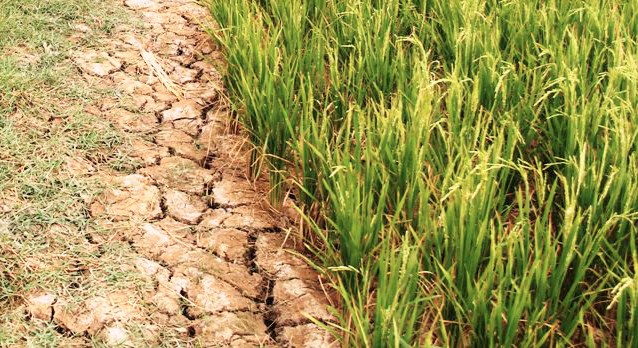
Measures to Improve and Treat Saline Soil
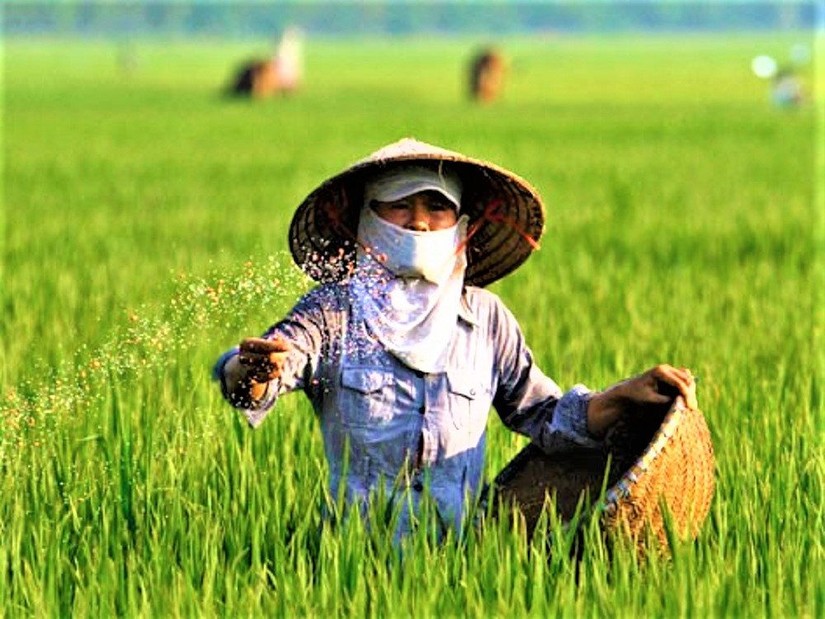
Winter-Spring rice blast warning – Don’t let leaf and flower burns rob you of your golden crop

Rice Sowing Techniques for the Early Winter–Spring Crop
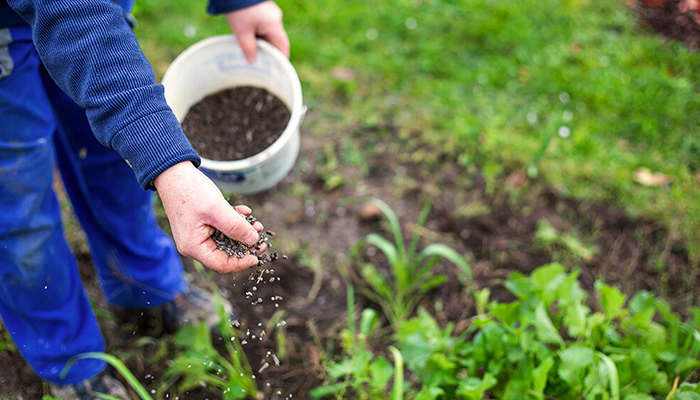
What Is Slow-Release Fertilizer? Learn How to Use It Effectively