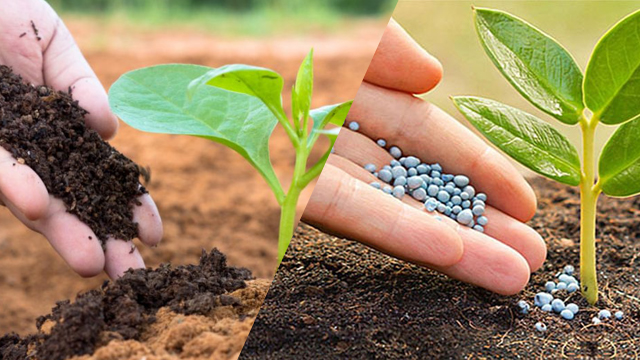
ACCOUNTING WITH FURTHER FARMERS
What is potassium fertilizer? What are the symptoms of potassium deficiency or excess in plants?
Potassium fertilizer is one of the important fertilizers that helps plants grow healthily and increase yield. Potassium plays a role in promoting photosynthesis, strengthening resistance, and improving the quality of agricultural products. So, what are the symptoms of potassium deficiency or excess in plants? Let’s explore the advantages and disadvantages of potassium fertilizer in detail in the following article from Viet Nga Fertilizer!
What is potassium fertilizer?
Potassium fertilizers are a type of fertilizer that supplies the element potassium (K) to plants in the form of K+ ions, helping plants grow healthily, increasing yield and quality of agricultural products. This group of fertilizers is characterized by its easy solubility in water, physiological acidity, and high nutrient utilization coefficient (60-70%).

Compared to nitrogen and phosphorus, potassium is generally present in lower amounts in grains but is highly concentrated in the stem and leaves. For example, in rice plants, the K₂O content in the stem and leaves ranges from 0.60 to 1.50%, while in rice grains it is only about 0.30 to 0.45%. Notably, in tobacco plants, the potassium content in the leaves can reach 4.5-5.0% of dry matter, demonstrating the important role of potassium for plants.
What are the effects of potassium on plants?
Potassium offers many important benefits for plant growth. The specific uses of potassium fertilizer are as follows:
- Increased agricultural productivity and quality: Potassium helps plants convert energy and assimilate nutrients, improving crop quality and yield.
- Involved in photosynthesis and nutrient synthesis: Potassium helps plants synthesize sugars, starches, and proteins, thereby enhancing plant growth and resistance.
- Increased water and nutrient absorption: Potassium fertilizer helps plant roots absorb water and nutrients more efficiently, promoting stable plant growth.
- Potassium helps plants withstand harsh conditions: Potassium increases water retention, helping plants withstand drought and cold, and improving their resistance to pests and diseases.
- Improving the quality and color of agricultural products:
- Fruit trees: Reduces fruit drop, increases fruit set, improves fruit color and flavor, and enhances preservation.
- Leafy vegetables: Reduce the rate of rot and improve the quality of vegetables and fruits.
- Increased resistance to pests and diseases: For short-term agricultural crops, potassium fertilizer helps increase yield and resistance to pests and diseases.

Classification of potassium fertilizers
Potassium fertilizers come in many types, each suited to the needs of different crops:
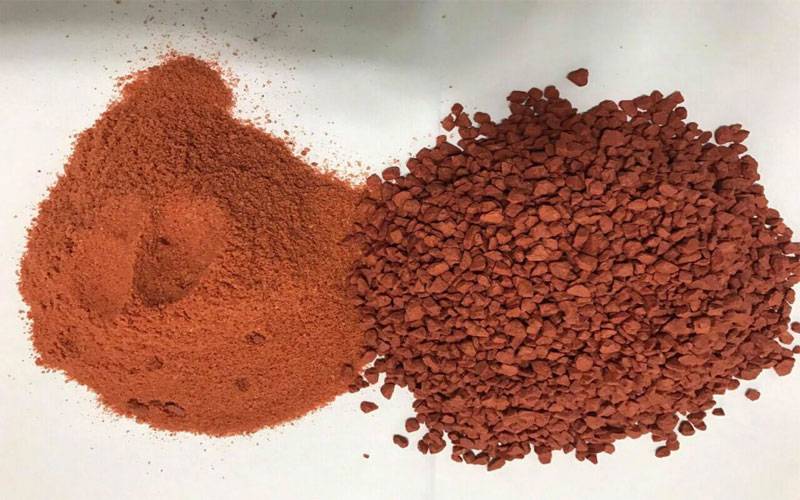
- Potassium chloride (KCl) fertilizer, or MOP fertilizer: Contains 50-60% potassium, is easily soluble, and is suitable for coconut, corn, and wheat plants, but not for spice plants, tea, or coffee.
- Potassium sulfate (K2SO4) or SOP fertilizer: Containing 45-50% potassium and 18% sulfur, it is used for oilseed crops, vegetables, tobacco, tea, and coffee. Note that long-term use may acidify the soil.
- Potassium-Magnesium-Sulfate Fertilizer: Provides potassium, magnesium, and sulfur, promoting overall plant growth without altering soil pH.
- Potassium Nitrate (NOP) fertilizer: Contains 44-46% potassium and 13% nitrogen, suitable for hydroponic plants and NPK fertilizer production.
Symptoms of potassium deficiency in plants
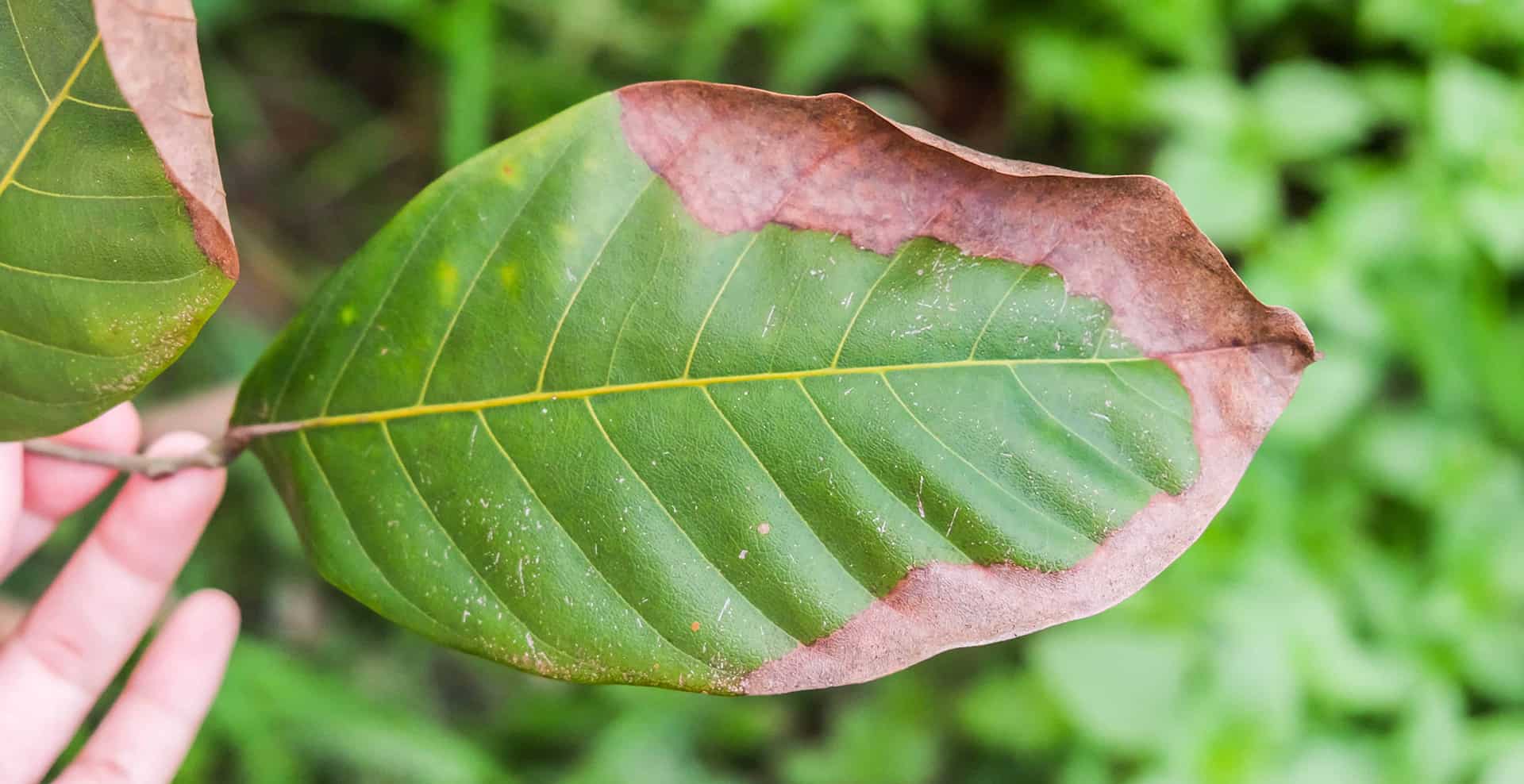
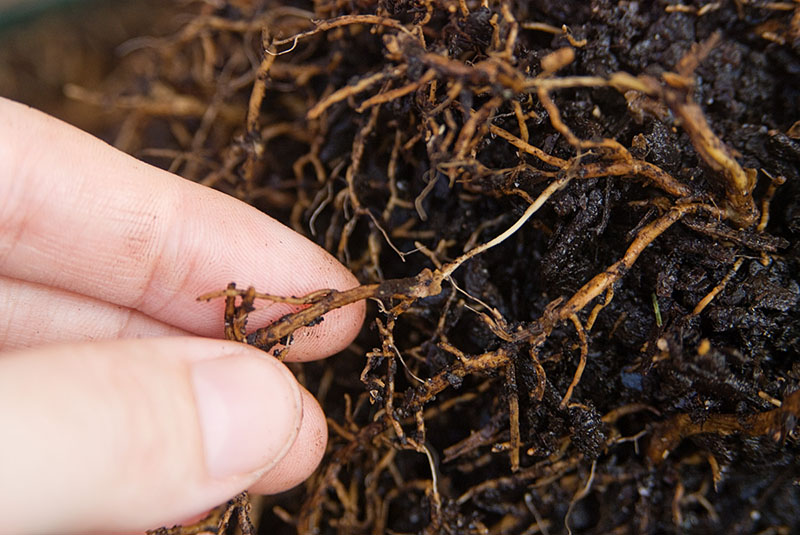
When plants lack potassium, the symptoms are very clear and easy to recognize. On older leaves, farmers will see brown-black burn marks appearing from the leaf tip and spreading along both edges. These burn marks will gradually spread and cause premature shedding of older leaves. If the potassium deficiency is severe, the plant will be prone to root rot, stunted growth, weak stems, easy lodging, and poor resistance to pests and diseases.
Specifically, plants will experience difficulties in metabolism, weakening enzyme activity and increasing sugar absorption. Leaves become narrow, short, and prone to wilting. Seeds are also affected, reducing germination rates and vitality. For example, corn plants deficient in potassium will have short stems, wavy leaves, and red leaf margins. Rice plants deficient in potassium will grow poorly, flower prematurely, and have many empty or partially filled grains.
What are the effects of applying too much potassium fertilizer on plants?
- Root atrophy: When too much potassium fertilizer is applied, the roots of plants are affected, even shrinking, reducing their ability to absorb water and nutrients.
Inhibition of absorption of other nutrients: Excess potassium causes ion antagonism, preventing plants from fully absorbing nutrients such as magnesium and nitrate, affecting plant growth. - Increased osmotic pressure in the soil: Excess potassium increases osmotic pressure in the soil, preventing plants from absorbing enough water and nutrients, thus reducing crop yields.
- Reduced agricultural productivity and quality: When plants do not absorb enough water and nutrients, they weaken, affecting both yield and quality of agricultural products.
- Adverse effects on consumer health: Agricultural products with high potassium content can be harmful to consumer health, especially for those with kidney and cardiovascular diseases.
Potassium fertilization techniques for crops yield high efficiency.
1. Dosage varies for each plant variety.
Each crop has different potassium requirements. For example, fiber crops like flax (cotton used to make linen) require high concentrations of potassium fertilizer, while root crops like sugar beets are better suited to potassium fertilizers containing nitrates. Legumes and potatoes are often sensitive to chlorine, so chlorine-free potassium fertilizers should be chosen to avoid affecting plant growth.
2. The growth and development period of plants
The potassium requirements of plants increase during the flowering, fruiting, or tuber formation stages. Therefore, applying potassium fertilizer at the right time will help plants absorb nutrients optimally and achieve high yields. When applying nitrogen fertilizer, farmers should increase the amount of potassium accordingly because these two nutrients are closely related.
3. Other factors
For slightly acidic or neutral soils, long-term potassium fertilization can cause soil acidification. Therefore, farmers should apply lime beforehand to neutralize acidity and maintain a suitable pH for crops. The amount of potassium needed also varies depending on the soil type. Sandy loam and light clay soils are prone to nutrient loss and require adequate potassium fertilization. Meanwhile, soils with a high clay content or those already covered with straw generally require less potassium.
Potassium is closely related to nitrogen. When increasing potassium levels, farmers should also increase nitrogen accordingly, and vice versa, to improve plant absorption. Additionally, incorporating micronutrients such as phosphorus (P), sulfur (S), and zinc (Zn) will promote overall plant growth, increasing yield and agricultural product quality.
6 things to keep in mind when using potassium fertilizer
- Apply potassium fertilizer in multiple doses: Divide potassium fertilizer into several applications throughout the growing season to prevent leaching, not just at planting or flowering and fruiting stages.
- Base fertilization or top dressing: Potassium fertilizer can be applied as a base fertilizer (mixed into the soil) or as a top dressing (sprayed onto the leaves when the plant is flowering and fruiting) for rapid absorption by the plant.
- Combining with other fertilizers: Combining potassium fertilizer with nitrogen and phosphorus fertilizers helps plants grow vigorously and achieve high yields.
- Choose quality potassium fertilizer: Select potassium fertilizer from a reputable brand to ensure effectiveness and avoid harming the soil.
- Pay attention to the timing of fertilization: Apply potassium fertilizer during the flowering, fruiting, and tuber formation stages to optimize effectiveness.
- Appropriate amount of potassium fertilizer: Apply the correct dosage to avoid excess potassium which can harm the plants.
Conclusion
Potassium fertilizer is a crucial element for healthy plant growth, increased resistance, and higher yields. Understanding the signs of potassium deficiency or excess will help farmers make timely adjustments, thereby optimizing fertilizer use. For best results, proper potassium fertilization and its combination with other fertilizers are essential. We hope this article has provided useful information for farmers in their crop care. We wish you a bountiful harvest!
Related news
The Role of Base Fertilization in Soil Improvement and Enhancing Agricultural Fertility
Measures to Improve and Treat Saline Soil
Winter-Spring rice blast warning – Don’t let leaf and flower burns rob you of your golden crop

Rice Sowing Techniques for the Early Winter–Spring Crop
What Is Slow-Release Fertilizer? Learn How to Use It Effectively