
ACCOUNTING WITH FURTHER FARMERS
Guide to Effective Base Fertilization for Rice Fields
Improper base fertilization often leads to reduced rice yields and increased costs during rice cultivation. Viet Nga Fertilizer will guide farmers on effective base fertilization techniques for rice fields to ensure a bountiful harvest.
1. What is base fertilization for rice?
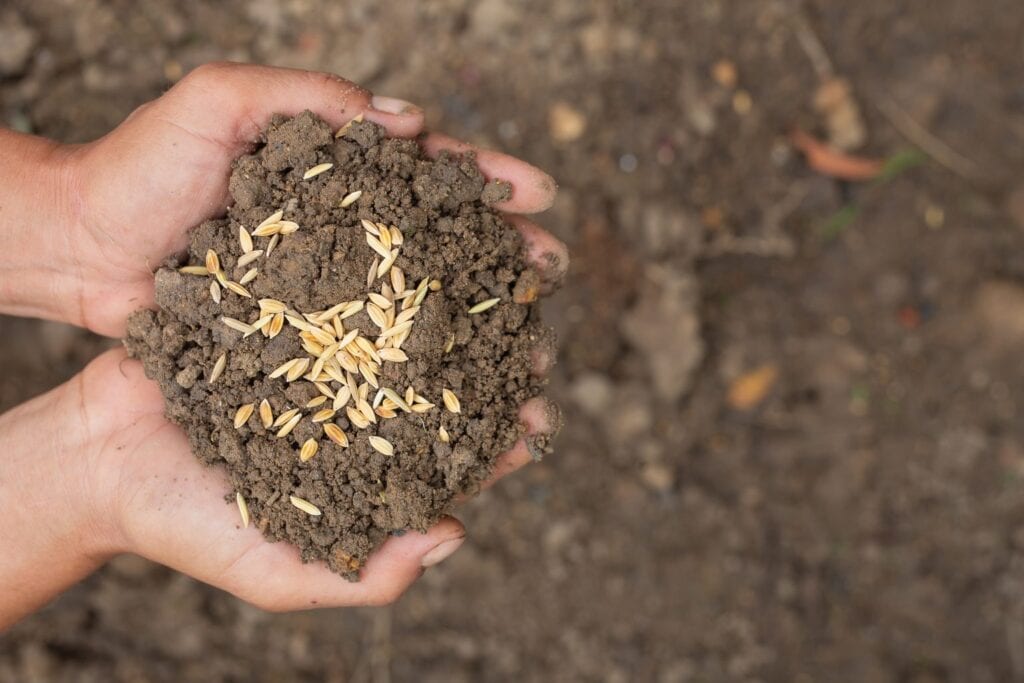
Base fertilization is the process of providing nutrients to the soil before planting rice. Base fertilization enriches the soil with nutrients after the previous crop, creating favorable conditions for seedlings to develop well and contributing to the yield of the new crop.
2. Benefits of base fertilization
– Improving soil quality and adjusting pH: Base fertilization plays a crucial role in reducing acidity and balancing soil pH, especially in areas with high acidity where pH needs to be adjusted to suit rice growth conditions.
– Increases soil humus content: Base fertilization helps improve soil porosity, thereby significantly increasing humus content, improving soil aeration, and enhancing water and nutrient retention.
– Increased nutrient absorption by plants: Base fertilization helps rice absorb nutrients right from the early stages, creating optimal conditions for growth and development.

3. Proper base fertilization techniques
3.1. Choosing base fertilizer:
When applying base fertilizer, priority should be given to using decomposed organic fertilizers, lime, and microbial preparations. These types of fertilizers are highly regarded for their effectiveness in improving soil quality.
3.2. Timing of base fertilization
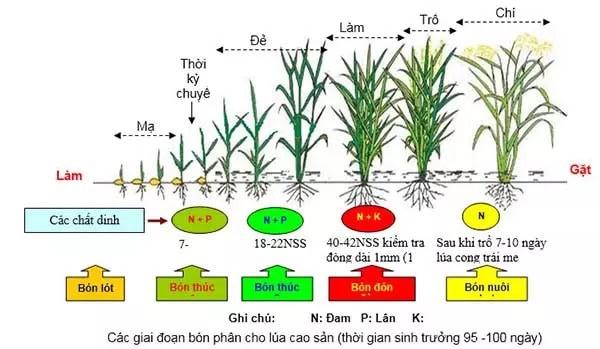
Farmers apply base fertilizer to rice plants 7-10 days before sowing. This is a crucial stage to provide sufficient nutrients for the plants during their initial growth.
3.3. Method of base fertilization:
Choosing the right base fertilization method is crucial for achieving maximum efficiency in crop cultivation. There are three main methods:
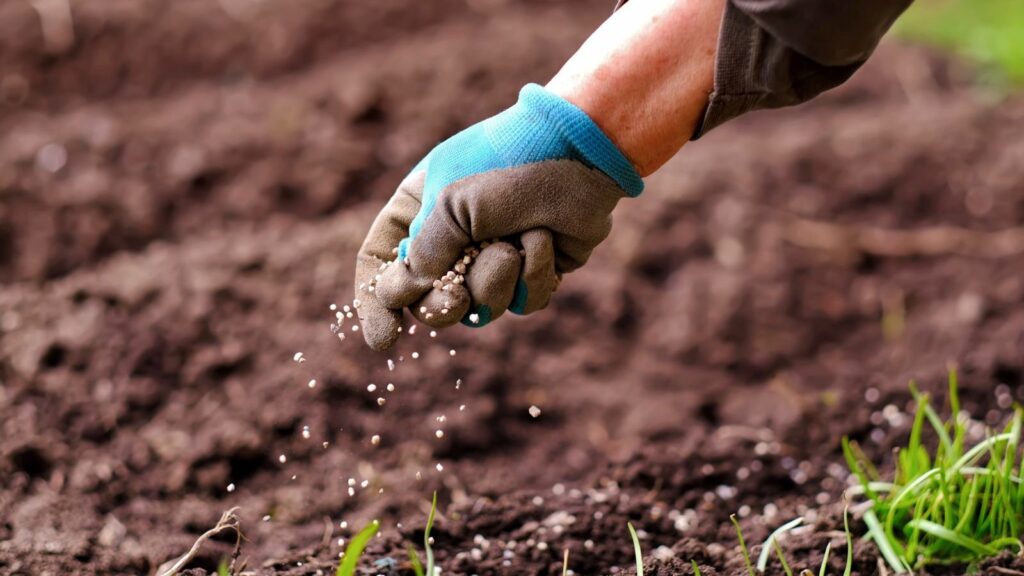
Method 1: Spread the fertilizer evenly over the field area, then plow and harrow the land so that the fertilizer is buried deep inside.

Method 2: Spread the fertilizer evenly on the ground, then cover it with a thin layer of soil before sowing the rice seeds.
4. Water management after base fertilization
Adjusting the water level after base fertilization plays an important role in removing harmful substances and helping to wash away salts in the soil, thereby improving soil environmental conditions.
To achieve optimal results from base fertilization, it is necessary to maintain appropriate soil moisture levels, avoiding waterlogging. This helps to enhance the growth of microorganisms in the soil and improve the plant’s ability to absorb nutrients.
Conclusion
Effective base fertilization is one of the key factors in ensuring high rice yield and quality.
Hopefully, with the detailed instructions in this article, farmers will feel more confident in their farming practices, thereby achieving bountiful harvests and contributing to the development of sustainable agriculture.
Wishing you all success!

Related news
The Role of Base Fertilization in Soil Improvement and Enhancing Agricultural Fertility
Measures to Improve and Treat Saline Soil

Winter-Spring rice blast warning – Don’t let leaf and flower burns rob you of your golden crop

Rice Sowing Techniques for the Early Winter–Spring Crop

What Is Slow-Release Fertilizer? Learn How to Use It Effectively