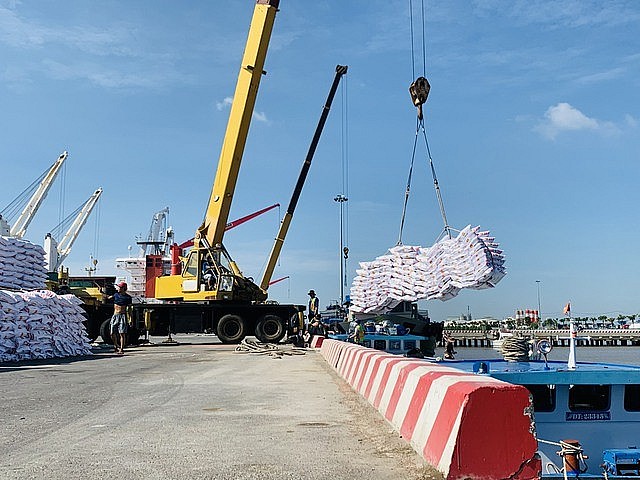
Early August: Fertilizer Prices Rise, Official Document Issued Regarding Rice Exports
The agricultural market in general, and the rice market in particular, is hotter than ever. We invite you to check out the essential information from the beginning of August!
1. Fertilizer prices skyrocket in line with rice prices.
Many major fertilizer markets, such as China and Belarus, have reimposed stricter export controls on fertilizers to ensure food security amidst soaring global agricultural and rice prices. This is the reason why fertilizer prices, after hitting a low point in June 2023 (specifically urea), have been continuously rising since the beginning of July 2023. Currently, the price of each ton of fertilizer has increased by $40 to $60 per ton in just one month.
In the Vietnamese market, fertilizer prices have risen sharply over the past three weeks despite heavy rainfall, the fact that most rice fields have not yet reached the sowing stage, many fruit crops have passed the harvesting stage, and demand has decreased. Currently, Phu My urea is trading above 10,800 VND/kg and Ca Mau urea above 12,000 VND/kg.
Import-export experts predict that fertilizer prices will skyrocket in the near future, following the rise in global agricultural prices. This is why major fertilizer suppliers have withdrawn their previous price lists.

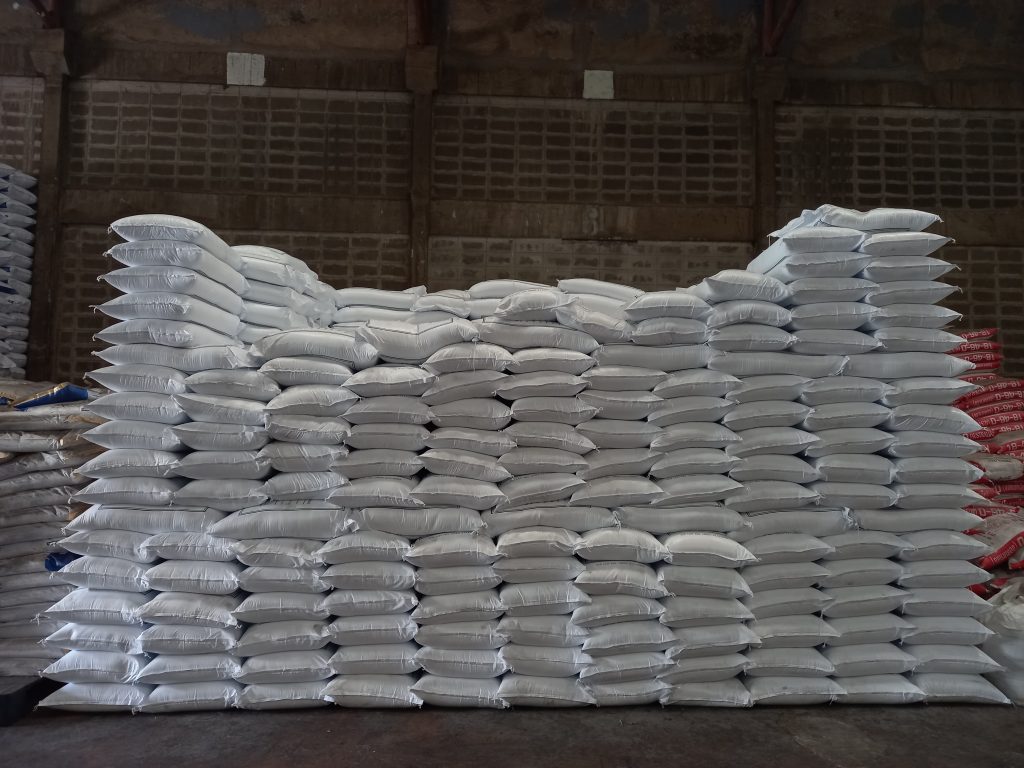
Fertilizer prices have risen sharply in line with rice prices. Image source: Standret.
2. The Ministry of Industry and Trade officially issued a document regarding rice exports.
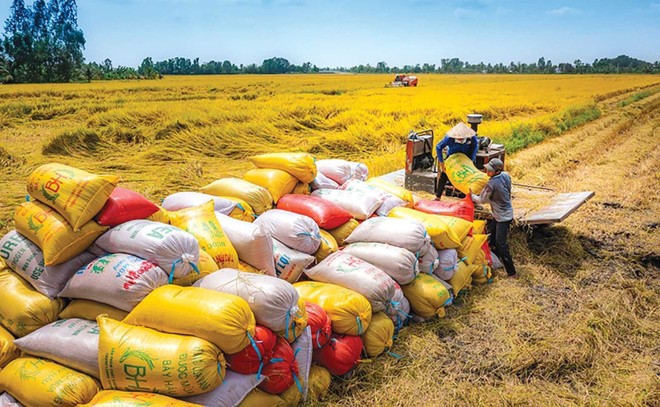
Following the export bans on rice by India, Russia, and the UAE, Vietnamese rice prices on the world market have been rising continuously for the past three weeks. In response to this volatile rice price situation, the Ministry of Agriculture and Rural Development, along with the Ministry of Industry and Trade, has taken proactive steps to propose to the Government that exports be increased, creating favorable conditions for businesses and farmers.
According to document 5024/BCT-XNK, Vietnam is requested to regularly maintain a minimum circulating reserve level to ensure a balance between exports and domestic consumption, contributing to stabilizing rice prices in the domestic market. Reports on the amount of paddy and rice in stock, and the status of signed and implemented rice export contracts are required.
The official document also advises farmers and consumers to proactively monitor the global rice market situation closely, avoiding panic buying and hoarding of rice, which could lead to artificial price surges.
Wishing you all successful farming, a bountiful harvest, and good prices!


Related news

Updated Fertilizer Prices on December 29, 2025 – Detailed Information for Farmers’ Reference

The National Assembly is considering imposing a 5% VAT on fertilizers
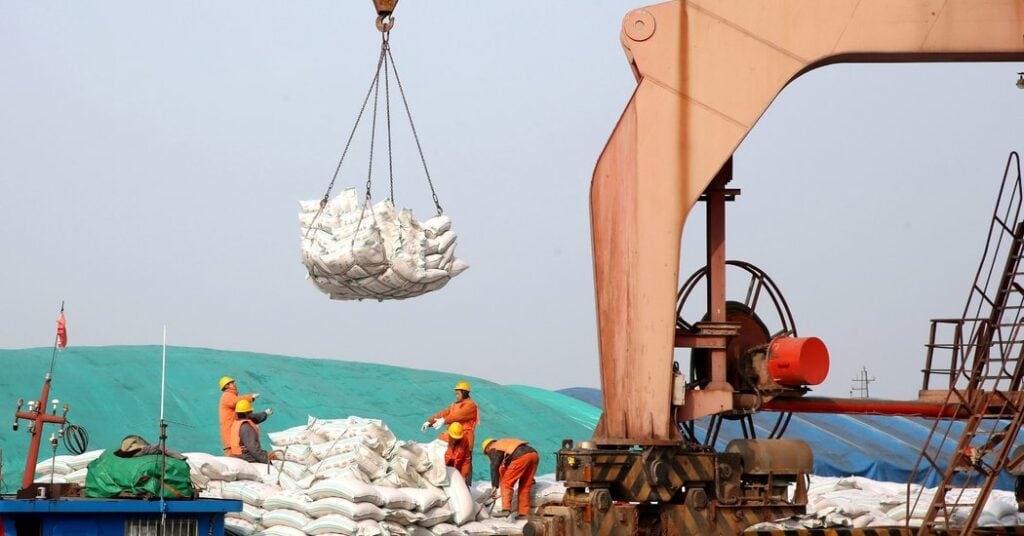
Vietnam Spends Nearly $682 Million on Fertilizer Imports
Early August: Fertilizer Prices Rise, Official Document Issued Regarding Rice Exports

Why Did the Global Fertilizer Market Continuously Face Difficulties in 2023?