ACCOUNTING WITH FURTHER FARMERS
The Role of Base Fertilization in Soil Improvement and Enhancing Agricultural Fertility
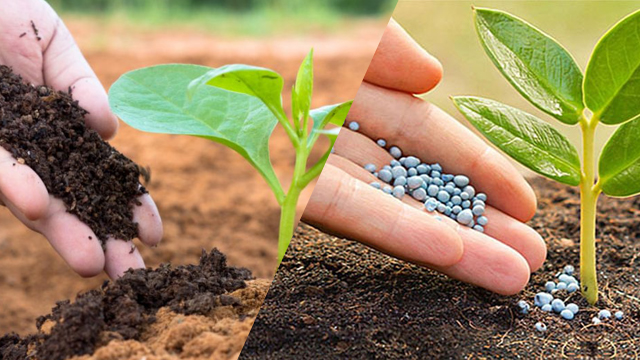
The role of base fertilization in improving and enhancing soil fertility is evident in its ability to prepare the soil foundation right from the start of the growing season. Base fertilization helps replenish organic matter, improve soil structure, increase porosity, and create a favorable environment for beneficial microorganisms to thrive, thereby helping the soil retain nutrients better and promoting healthy root development. This article from Viet Nga Fertilizer will help farmers better understand the role of base fertilization in soil improvement and enhancing long-term farming efficiency.
What is base fertilization? What is the role of base fertilization in improving agricultural soil?
Base fertilization is a form of fertilization applied before planting, carried out during the land preparation stage or just before sowing. The main role of base fertilization is to prepare the soil as best as possible for the crop right from the start of the season, ensuring the soil has sufficient nutrients, looseness, and suitable biological conditions for early and stable root development.
Through basal fertilization, nutrients, especially organic matter, phosphorus, and macro and micronutrients, are evenly distributed in the cultivated soil layer, creating a favorable environment for beneficial microorganisms to thrive, thereby improving soil quality before crop growth.

The role of base fertilization in improving cultivated land.
Base fertilization helps improve soil structure.
Proper base fertilization significantly improves the physical structure of the soil, especially in long-cultivated soils prone to compaction and hardening. With the addition of suitable base fertilizers, the soil becomes more porous, and the soil particles bind together more stably, creating favorable conditions for plant roots to penetrate and spread.
In addition, basal fertilization helps reduce soil compaction, limiting soil stagnation and oxygen deficiency for roots. Thanks to improved soil structure, drainage during heavy rains and moisture retention during droughts are also enhanced, helping crops to be more stable throughout the growing season.
Applying base fertilizer with added organic matter increases humus content.
One of the most important roles of basal fertilization is to supplement the soil with organic matter, thereby forming and accumulating humus – a crucial factor in long-term soil fertility. After decomposition, organic matter transforms into humus, helping the soil maintain a stable supply of nutrients over many cropping seasons.
Humus-rich soils have a better ability to retain fertilizers, limiting nutrient leaching and evaporation. As a result, fertilizer use efficiency is improved, plants absorb nutrients more effectively, and fertilizer costs are optimized.
Base fertilization helps balance soil pH.
Many cultivated areas currently suffer from acidic, saline, or slightly saline soils, directly affecting crop growth. Applying the right type and amount of base fertilizer helps balance soil pH, creating a suitable environment for root development.
When the soil pH is adjusted to an appropriate level, root toxicity occurs.This will significantly reduce nutrient absorption and plant weakening. This is a crucial factor in ensuring healthy plants from the beginning of the season and stable growth afterward.
Base fertilization helps to restore the beneficial microbial ecosystem in the soil.
Base fertilization not only affects the physical and chemical properties of the soil but also contributes to the regeneration and maintenance of beneficial microorganisms. Soil microorganisms play a role in decomposing organic matter, fixing nitrogen, and converting insoluble nutrients into easily absorbable forms for plants. When the microbial system is stable, the soil becomes more “vibrant,” the plant’s ability to absorb fertilizers is enhanced, and nutrient residue and soil degradation are reduced in the long term.
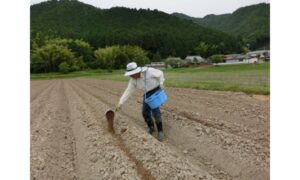
Commonly used base fertilizers are used to improve and enhance soil fertility.
Choosing the right type of base fertilizer plays a crucial role in soil improvement and long-term fertility enhancement.. Depending on the characteristics of the cultivated land and production goals, farmers can combine different groups of fertilizers to create a healthy soil foundation right from the start of the season.
Organic fertilizer – bio-organic fertilizer
Organic and bio-organic fertilizers are a group of base fertilizers that play a fundamental role in improving soil structure.. When applied to the soil, organic matter helps increase porosity, improve water retention, and create favorable conditions for root development.
In particular, the process of organic decomposition will form humus.This contributes to improving soil fertility in a sustainable way. Humus-rich soil is not only “healthier” but also helps limit nutrient loss and improve the efficiency of mineral fertilizers throughout the growing season.

Phosphate fertilizer
Phosphate fertilizer is an indispensable base fertilizer during the soil preparation and planting stage. Phosphate has the following effects: It stimulates early root development, helping plants to quickly establish roots, stand upright, and grow steadily right from the start of the season.
In addition, phosphate fertilizer also helps improve acidic soil.It is particularly effective on acidic soils or soils with low pH. When properly applied as a base fertilizer, phosphorus helps increase the root’s ability to absorb nutrients, laying the foundation for higher crop yields later on.
See more articles Which fertilizers can acidify the soil? How to effectively control soil pH for crops.
Micronutrient fertilizers (Ca, Mg, S, etc.)
Medium and micronutrients such as calcium (Ca), magnesium (Mg), and sulfur (S) play a crucial role in maintaining nutrient balance in the soil.. Although plants only need small amounts of these elements, a lack of them will significantly reduce the effectiveness of NPK fertilizer.
Adding macro and micronutrients to base fertilization helps improve soil environment, stabilize pH, increase microbial activity, and enhance overall nutrient absorption. for crops. This is a necessary solution to comprehensively improve soil fertility, especially on land that has been cultivated for many years.
Some notes on applying base fertilizer to achieve the highest soil improvement efficiency.
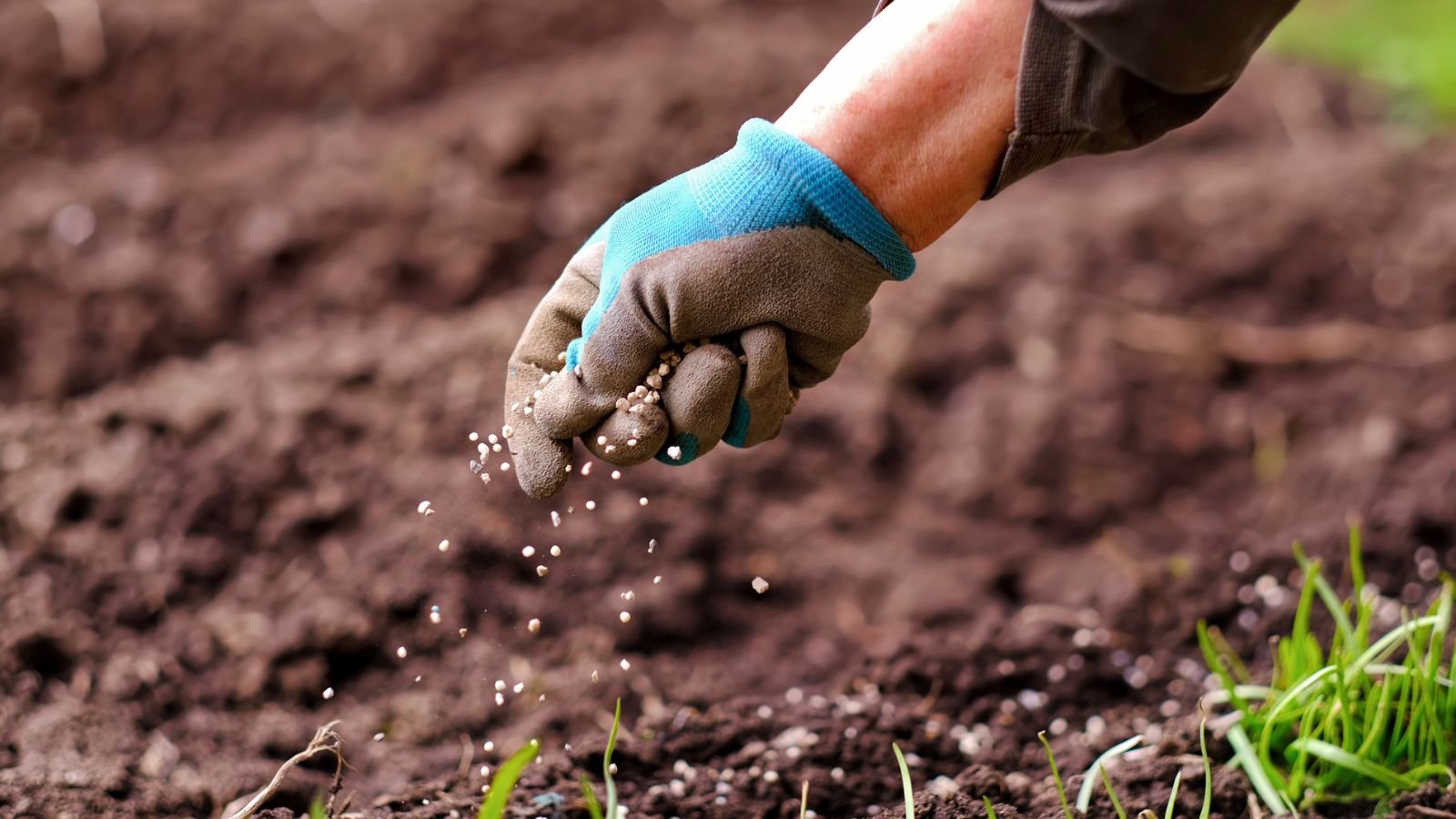
To ensure that base fertilization plays its proper role in improving and enhancing soil fertility, farmers need to apply the correct techniques and have a proper plan.Avoid doing it carelessly or superficially. Base fertilization is not just about spreading fertilizer before planting, but needs to be calculated appropriately for the soil type, farming conditions, and production goals of each crop season.
In addition, inorganic fertilizers should not be overused in base fertilization.Inorganic fertilizers, especially those rich in nitrogen, should be avoided. Excessive use of inorganic fertilizers can compact the soil, reduce microbial activity, and negatively impact long-term soil fertility. Instead, a harmonious combination of organic fertilizers, mineral fertilizers, and macro and micronutrients is necessary.
The effectiveness of base fertilization also depends heavily on soil preparation and moisture management.. The soil needs to be thoroughly plowed, leveled, and properly moistened to ensure even distribution of fertilizer, minimize loss, and create favorable conditions for root development.
In addition, apply base fertilizer at the right time before sowing. This is a crucial factor in ensuring that nutrients take effect in a timely manner. Applying fertilizer too early or too late can reduce the effectiveness of soil improvement and affect the initial growth of crops.

Conclusion
The role of base fertilization is not only to provide initial nutrients to crops but also a crucial investment in soil improvement and long-term fertility enhancement. When the soil is well-prepared, crops grow steadily, their ability to absorb nutrients increases, thereby increasing yield and reducing production costs. Hopefully, through this article, farmers will have more basis for applying base fertilization correctly and can refer to the fertilizer lines of Viet Nga Fertilizer for base fertilization and soil improvement in a sustainable farming approach.
Related news
The Role of Base Fertilization in Soil Improvement and Enhancing Agricultural Fertility
Measures to Improve and Treat Saline Soil

Winter-Spring rice blast warning – Don’t let leaf and flower burns rob you of your golden crop

Rice Sowing Techniques for the Early Winter–Spring Crop

What Is Slow-Release Fertilizer? Learn How to Use It Effectively