ACCOUNTING WITH FURTHER FARMERS
What Is Slow-Release Fertilizer? Learn How to Use It Effectively
In modern agriculture, providing consistent and efficient nutrition for crops is always a key factor for farmers. The use of slow-release fertilizers allows plants to absorb nutrients steadily, minimize fertilizer loss, and enhance overall yield.
In this article, Viet Nga Agri will explain in detail what slow-release fertilizers are and how to use them effectively to maximize crop productivity.
What Is Slow-Release Fertilizer?
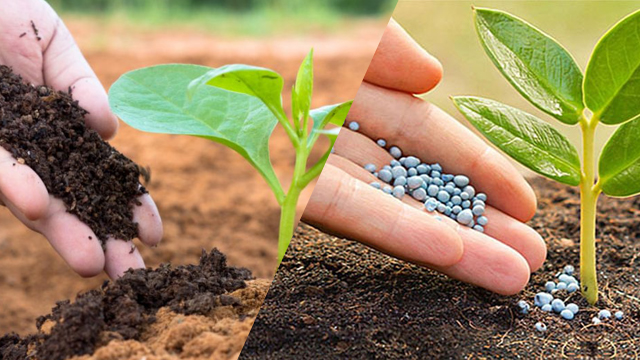
A slow-release fertilizer is designed to gradually release nutrients, allowing plants to absorb them consistently throughout the growth cycle. Unlike conventional fertilizers, slow-release types are coated with a special polymer or sulfur-based layer, which helps control the rate of nutrient release under the influence of moisture, temperature, sunlight, and soil microorganisms.
Thanks to this controlled-release mechanism, slow-release fertilizers minimize nutrient loss, reduce fertilizer shock, and ensure plants receive a steady supply of nutrients. Farmers don’t need to apply fertilizer as frequently — saving time while helping crops grow stronger, maintain lush green canopies, and achieve higher yields.
Composition and Structure of Slow-Release Fertilizers
Slow-release fertilizers are designed with two main components to ensure long-term nutrient supply for crops:
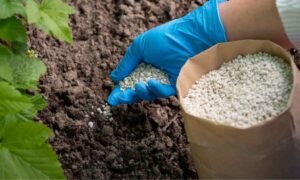
- Coating layer: This is the outer shell of the fertilizer granule, made from polymer materials. The coating controls the rate at which the fertilizer dissolves — the thicker the coating, the slower the nutrient release. This allows nutrients to be gradually supplied according to the plant’s needs. Manufacturers adjust the thickness of the coating based on the desired nutrient release duration that farmers require.
- Core (Nutrient Center): Inside the coating lies the core, which contains all the essential nutrients for plant growth. These include macronutrients such as Nitrogen (N), Phosphorus (P), and Potassium (K), along with secondary and micronutrients like Manganese (Mn), Calcium (Ca), and Zinc (Zn). Together, they help plants grow strong, increase yield, and improve crop quality.
Advantages and Disadvantages of Slow-Release Fertilizers
Slow-release fertilizers allow crops to absorb nutrients gradually and continuously, minimizing nutrient loss and fertilizer shock. Viet Nga Agri summarizes the advantages and disadvantages of this fertilizer type as follows:
| Advantages of Bio-Fertilizers | Limitations of Bio-Fertilizers |
| Continuous nutrient supply: Helps plants grow strong, maintain long-lasting green foliage, and prevent nutrient deficiencies. | More expensive than conventional fertilizers. |
| Time-saving: A single application can provide nutrients for several weeks or even months. | Slower adjustment: Difficult to make quick nutrient corrections when crops require immediate feeding. |
| Reduced fertilizer shock: Prevents root damage or “burning” caused by excessive fertilizer. | Weather-dependent: The nutrient release rate can be affected by factors such as temperature and humidity. |
| Environmentally friendly: Reduces fertilizer loss and helps protect beneficial soil microorganisms. | Visible residue: Remaining fertilizer granules on the soil surface can sometimes cause confusion, as they appear undissolved even though nutrients are being slowly released. |
Farmers should combine slow-release fertilizers with other fertilizer types and adjust the dosage according to each crop’s growth stage to achieve the best results.
Proper Techniques for Using Slow-Release Fertilizers for Ornamental Plants
To maximize the effectiveness of slow-release fertilizers, farmers need to apply them correctly in terms of dosage, timing, and placement:
- Determine the appropriate amount: Each ornamental plant species has different nutrient requirements. For small plants or mini potted plants, apply about 3–5 grams per time. For larger plants or those in bigger pots with wider canopies, the amount can be increased proportionally to the pot size and canopy diameter.
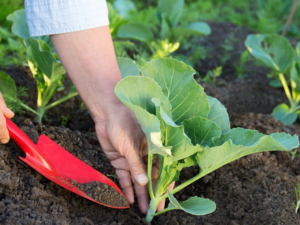
- Fertilizer placement: Apply the fertilizer 3–5 cm away from the plant base to prevent root burn. For granular fertilizers, lightly bury them under the soil surface or mix evenly into the soil when repotting.
- Optimal application timing: The best time to apply is at the beginning of the growing season, such as early spring or the start of the rainy season. Avoid fertilizing when plants are flowering or during extremely hot weather, as it may affect plant growth.
- Usage notes for slow-release fertilizers: Do not combine slow-release fertilizers with high-dose chemical fertilizers, as this may cause nutrient overload. Monitor leaf color and plant condition after application to adjust the fertilizer amount if necessary. Store fertilizers in a cool, dry place to maintain their effectiveness over time.
How to Choose the Right Slow-Release Fertilizer
To select the most effective slow-release fertilizer, farmers should consider several key criteria:
Based on the crop’s nutritional needs:
Before purchasing, it’s important to clearly understand the specific nutrient requirements of the crop. Depending on the plant type and growth stage — such as leaf development, flowering, or fruiting — the plant will require different NPK ratios (Nitrogen, Phosphorus, Potassium). Choosing the correct formula ensures the plant absorbs nutrients evenly, grows healthily, and achieves higher yield and quality.
Viet Nga Agri recommends that farmers carefully evaluate each growth stage of their crops to select the most suitable fertilizer formulation for optimal performance.
Choose Trusted Brands
Farmers should always choose reliable slow-release fertilizer brands with proven quality and clear origin. These products ensure stable nutrient release and safety for crops. Reputable local and imported brands usually provide authentic labeling and detailed usage instructions, helping farmers cultivate with confidence.
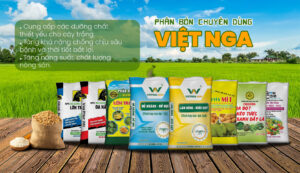
Viet Nga Agri is proud to be recognized as a “Vietnam High-Quality Goods 2025” brand, with a laboratory system certified to ISO 17025:2021 standards. The company maintains strict quality control at every stage — from raw material selection and production processes to final packaging. Each granule of Viet Nga’s slow-release fertilizer is carefully developed to dissolve evenly, deliver stable nutrition, and minimize loss or leaching, allowing crops to absorb nutrients efficiently and grow stronger.
With over 30 years of supporting Vietnamese farmers, Viet Nga Agri has become a trusted choice for thousands of distributors and millions of farmers nationwide. This long-standing trust stands as proof of the brand’s credibility, quality, and lasting effectiveness — values that Viet Nga Agri continues to uphold.
How to Identify Counterfeit or Low-Quality Fertilizers
When purchasing fertilizers, farmers should carefully check the packaging, labels, and anti-counterfeit stamps. Avoid products that appear blurred, faded, damaged, or lack clear origin information. Viet Nga Agri recommends buying only from trusted agricultural supply stores or official distributors to guarantee product quality and crop effectiveness.
Comparison: Slow-Release vs. Quick-Release Fertilizers
Choosing the right fertilizer type directly affects nutrient efficiency and crop health. Viet Nga Agri helps farmers clearly understand the differences between quick-release and slow-release fertilizers, along with guidelines for using each type effectively, as outlined below:
Key Differences
- Quick-Release Fertilizers: Instantly release nutrients upon contact with water, allowing plants to absorb nutrients immediately. They are ideal for crops that need rapid recovery or are in a strong growth phase. However, nutrients can be easily leached away, and excessive application may cause fertilizer shock or nutrient imbalance.
- Slow-Release Fertilizers: Gradually release nutrients over an extended period, helping plants absorb nutrients steadily, grow sustainably, and avoid fertilizer shock. The drawback is their higher cost and that they are less suitable for crops requiring quick nutrient supplementation.
Detailed Comparison Between Quick-Release and Slow-Release Fertilizers
| Criteria | Quick-Release Fertilizer | Slow-Release Fertilizer |
| Release Mechanism | Nutrients are released immediately upon contact with water | Nutrients are released gradually and continuously over time |
| Effective Duration | Short-term — requires frequent applications | Long-term — provides a steady nutrient supply |
| Advantages | Instant effect, helps plants recover quickly | Stable nutrition, sustainable growth, and reduced risk of fertilizer shock |
| Disadvantages | High nutrient loss and risk of fertilizer burn | Higher cost, not suitable for immediate nutrient demand |
| Ideal Usage Stage | During rapid growth or plant recovery phases | During stable growth, for ornamental plants or perennial crops |
Usage Recommendations
- When to use quick-release fertilizers: During periods of rapid growth or when plants need immediate recovery, farmers can apply quick-release fertilizers to provide instant nutrient uptake.
- When to use slow-release fertilizers: Once the crop has stabilized or requires long-term nutrition, slow-release fertilizers become the ideal choice, ensuring steady and sustainable development.
Viet Nga Agri recommends that farmers combine both fertilizer types flexibly — using quick-release fertilizers for immediate nutrition and slow-release fertilizers for consistent, long-term feeding.
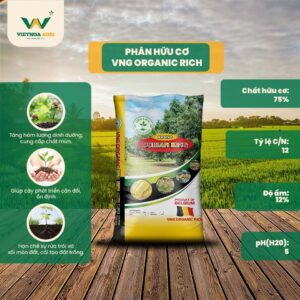
Additionally, farmers can explore organic fertilizer options such as VNG Organic Rich by Viet Nga Agri, which helps supplement nutrients naturally.When combined with a well-balanced fertilization strategy — mixing quick-release and slow-release fertilizers — it supports stable plant growth and increased crop productivity.
Conclusion
We hope this article has helped farmers clearly understand what slow-release fertilizer is and how to use it effectively so that crops can absorb nutrients steadily and increase seasonal yields. Choosing the right fertilizer type not only promotes sustainable crop growth but also helps optimize investment costs.
Viet Nga Agri encourages farmers to combine both quick-release and slow-release fertilizers flexibly, while also consulting reputable fertilizer companies in Vietnam to ensure product quality and peace of mind in crop care.

Related news
The Role of Base Fertilization in Soil Improvement and Enhancing Agricultural Fertility
Measures to Improve and Treat Saline Soil

Winter-Spring rice blast warning – Don’t let leaf and flower burns rob you of your golden crop

Rice Sowing Techniques for the Early Winter–Spring Crop

What Is Slow-Release Fertilizer? Learn How to Use It Effectively