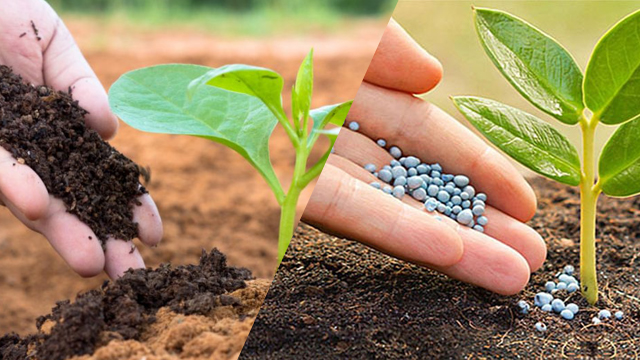
ACCOUNTING WITH FURTHER FARMERS
What is the best fertilizer to choose for indoor plants?
Fertilizing is one of the important steps in caring for indoor plants to ensure their healthy growth. Choosing the right fertilizer helps plants thrive and look beautiful. Viet Nga Fertilizer suggests some types of indoor plant fertilizers for your reference to help beautify your home.
What is fertilizer for ornamental plants?
Ornamental plants are plants that require meticulous cultivation, care, and shaping, and are used for decoration. To ensure that ornamental plants grow lush and healthy, they must be fertilized.
There are several types of fertilizers for indoor plants, such as inorganic and organic fertilizers, depending on the needs and purpose of use. For indoor plants, organic fertilizers are preferred.
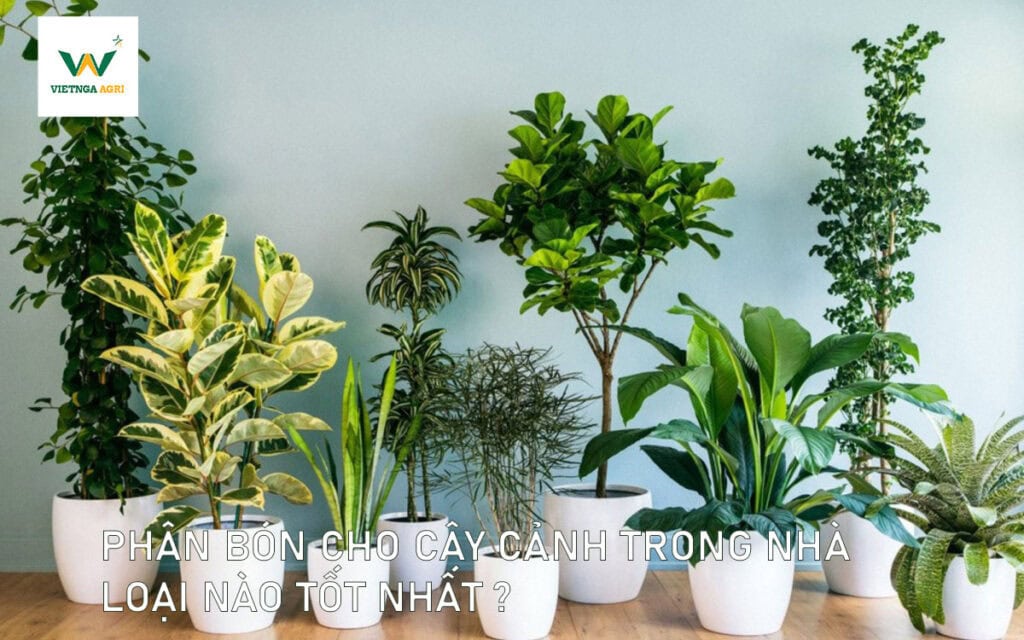
5 popular types of fertilizer for indoor plants today
Indoor plant fertilizers come in a variety of compositions and products to meet the nutritional needs of different indoor plants. Viet Nga Fertilizer would like to list some popular types of fertilizers below:
1. Organic fertilizers
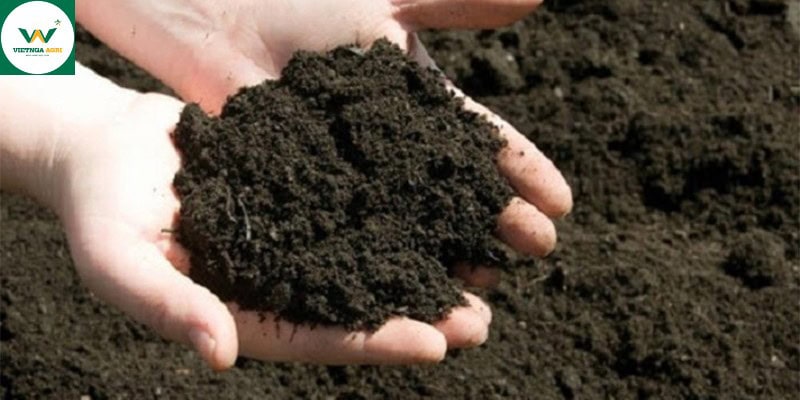
Organic fertilizers are natural fertilizers for ornamental plants, including manure, grass fertilizer, and other organic fertilizers such as sewage sludge and earthworm castings. These fertilizers improve soil structure and aeration, provide essential nutrients for plants, and enhance the water retention capacity of plant roots.
2. Biochemical fertilizers for indoor plants
This type of fertilizer combines modern scientific technology and contains many beneficial microorganisms, including nutrient-rich fungi and beneficial bacteria for plants. Along with the support of enzymes, it contributes to enhancing plant life and growth.
With the support of biochemical fertilizers, plants absorb nutrients from the environment, increasing their resistance to potential diseases. In addition, chemical fertilizers improve soil quality, creating conditions for stable, healthy, and sustainable plant growth.
3. Foliar fertilizers
This type of fertilizer is produced in liquid form for root application and is also applied to the leaf surface to provide nutrients. Foliar fertilizer helps plants absorb nutrients through the leaf epidermis more quickly, meeting their nutritional needs.
This helps strengthen the plant’s resistance to unfavorable conditions, accelerating its growth and development.
4. Mineral fertilizers
This type of fertilizer primarily provides the essential nutrients nitrogen (N), phosphorus (P), and potassium (K), along with some other trace nutrients. These nutrients are easily soluble in water, providing nourishment to plants and promoting vigorous growth of ornamental plants.
5. Microbial fertilizers
Sử dụng phân bón này tạo điều kiện thuận lợi cho rễ cây và kích thích microflora đất phát triển. Bởi có chứa các vi khuẩn có lợi giúp tăng cường chất lượng cho đất.
With the help of bacteria, the soil becomes softer and more fertile, providing an ideal living environment for plants. Microbial fertilizers are suitable for areas with dry, hard soil, poor in nutrients, or with reduced water retention.
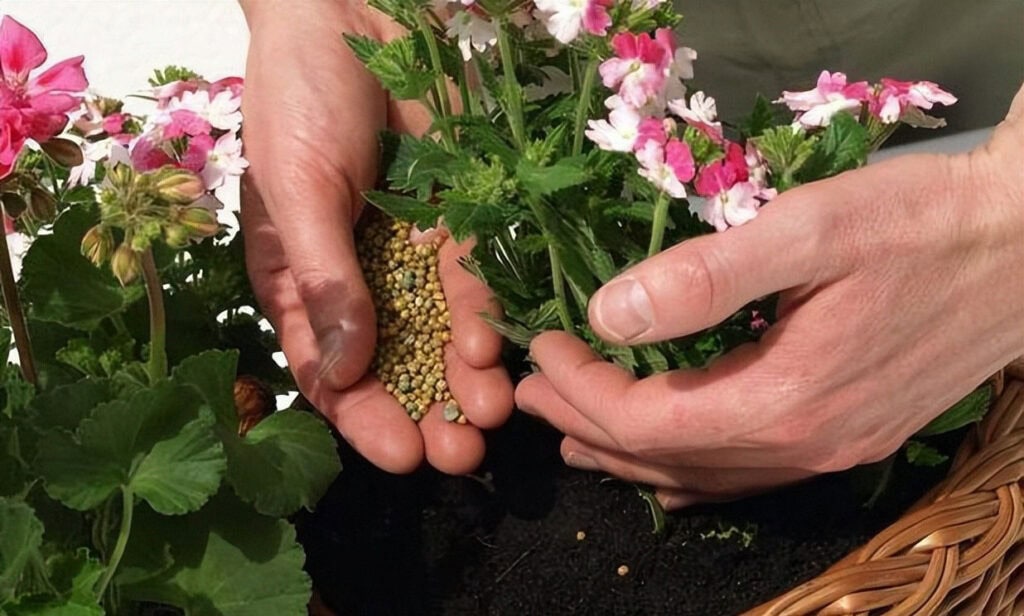
A few things to keep in mind when fertilizing indoor plants.
Fertilizing houseplants requires patience and care. Here are some things to keep in mind when fertilizing houseplants:
- Read the instructions carefully: First and foremost, always read the instructions for use on the fertilizer packaging. Each type of fertilizer will have its own dosage and usage instructions.
- Avoid over-fertilizing: Indoor plants don’t need as much nutrition as outdoor plants. Over-fertilizing can cause the plant to grow too quickly, disrupting its balance. Therefore, fertilize moderately when the plant is flowering, and less when it is growing vigorously. Fertilize sparingly when the plant is sprouting new shoots and during the rainy season.
- Fertilize at the right time: Indoor ornamental plants should be fertilized in the spring and summer, avoiding fertilization in the winter.
- Water the plant before fertilizing: The soil in the pot must be moistened before fertilizing to help the fertilizer dissolve and prevent root burn.
- Choose the right fertilizer: Each plant has different nutritional needs. Therefore, you should choose the appropriate fertilizer for the ornamental plants you are growing.
Above are some insights from Viet Nga Fertilizer about different types of fertilizers for indoor plants. We hope this useful information helps you learn how to better care for your indoor plants.
Related news
The Role of Base Fertilization in Soil Improvement and Enhancing Agricultural Fertility

Measures to Improve and Treat Saline Soil

Winter-Spring rice blast warning – Don’t let leaf and flower burns rob you of your golden crop

Rice Sowing Techniques for the Early Winter–Spring Crop
What Is Slow-Release Fertilizer? Learn How to Use It Effectively