ACCOUNTING WITH FURTHER FARMERS
What is Fertilizer? The Uses of Fertilizer for Plants
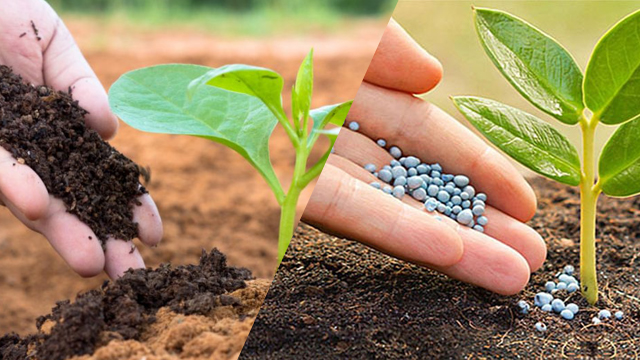
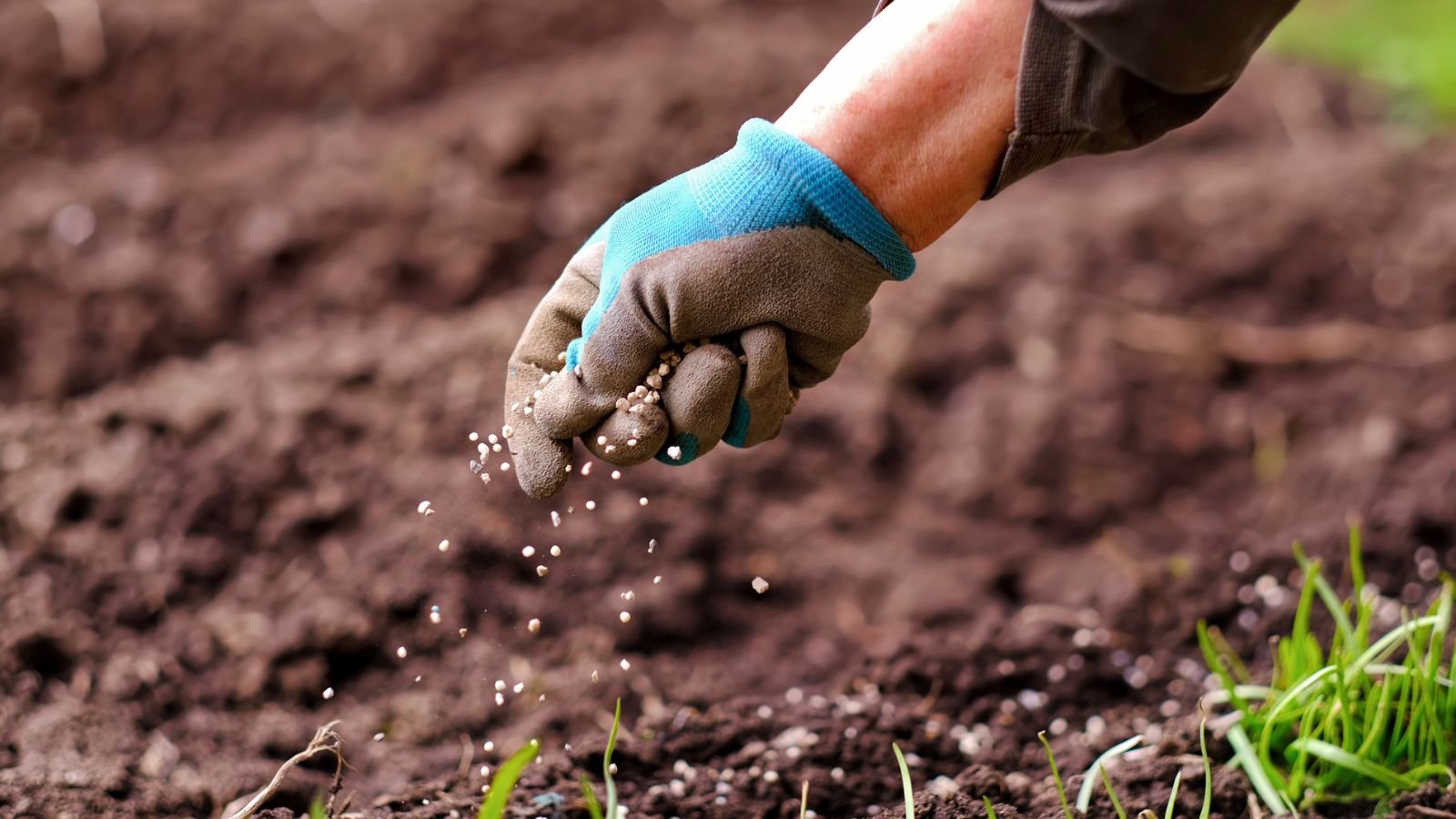
Fertilizers play a vital role in providing nutrients to plants, ensuring efficient growth. Not only do they lead to higher yields, but proper fertilizer use also optimizes crop quality. Let’s explore in detail what fertilizers are and their indispensable roles in the article below!
1. What is fertilizer?
Fertilizers are substances or compounds containing essential nutrients that play a crucial role in promoting plant growth and development. Fertilizers are divided into three main groups: organic fertilizers, chemical fertilizers (or inorganic fertilizers), and microbial fertilizers.

Fertilizers contain essential nutrients for plants such as nitrogen (N), phosphorus (P), potassium (K), and other macro and micronutrients, which help improve soil fertility and enhance plant resistance to harsh weather conditions.
2. The role of fertilizers in plant growth
Providing nutrition
Fertilizers supplement essential nutrients for plant growth such as Nitrogen (N), Phosphorus (P), and Potassium (K), helping plants perform vital life functions.
Nitrogen promotes the growth of leaves and stems. Plants need nitrogen throughout their growth and development, and the amount of nitrogen required varies depending on the stage of growth.
Phosphorus is essential for cell division, meristematic tissue development, root and fruit growth stimulation, and flower bud formation; it is particularly important for seedlings.
– Potassium improves the quality of fruits and seeds, and increases the plant’s ability to transport nutrients.
Promote growth
Fertilizers provide essential nutrients, supporting and enhancing the process of photosynthesis, helping plants absorb and convert energy efficiently. This leads to uniform plant growth, ensuring high yields and quality agricultural products.
Improve productivity
Proper fertilizer use helps plants achieve high yields, produce fruits and seeds of standard and uniform size, and increase commercial value. Using fertilizers correctly improves the quality of agricultural products, meets market demands, and brings economic benefits to farmers.
Support resilience
Fertilizers increase the plant’s natural resistance to harmful agents such as pests, bacteria, and fungi. They help plants withstand harsh weather conditions. Besides these roles for plants, fertilizers also improve soil, increase fertility, and promote the efficient activity of beneficial microorganisms in the soil.
3. Types of fertilizers
3.1. Inorganic fertilizers
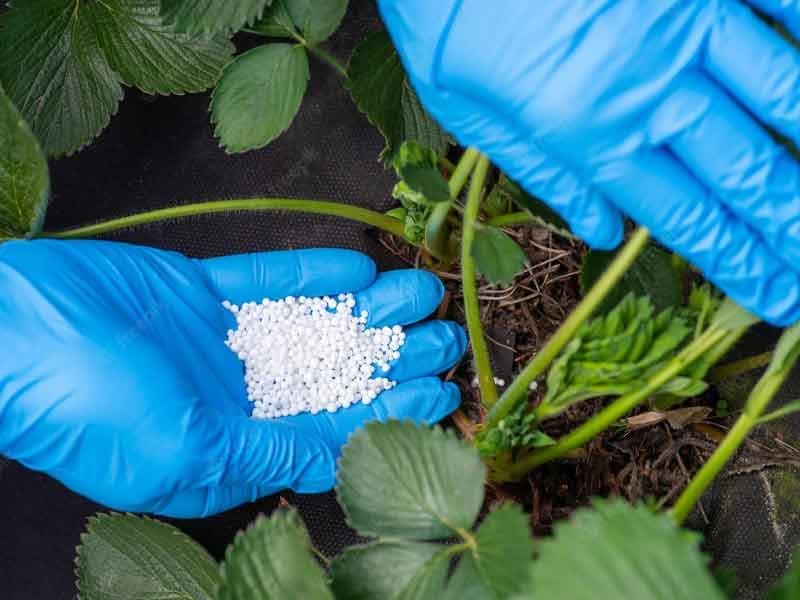
Inorganic fertilizers are derived from minerals, chemical products, or natural inorganic substances. There are two main types of inorganic fertilizers: single fertilizers and compound fertilizers.
– Single-nutrient fertilizers: Provide only one nutrient element such as Nitrogen (N), Phosphorus (P), or Potassium (K).
– Mixed fertilizers: Contain two or more nutrient elements, including mixed inorganic fertilizers and complex inorganic fertilizers.
In addition, there are other types such as macronutrient fertilizers containing Calcium (Ca), Magnesium (Mg), Sulfur (S)… and micronutrient fertilizers containing Zinc (Zn), Iron (Fe), Copper (Cu),…

3.2. Organic fertilizer
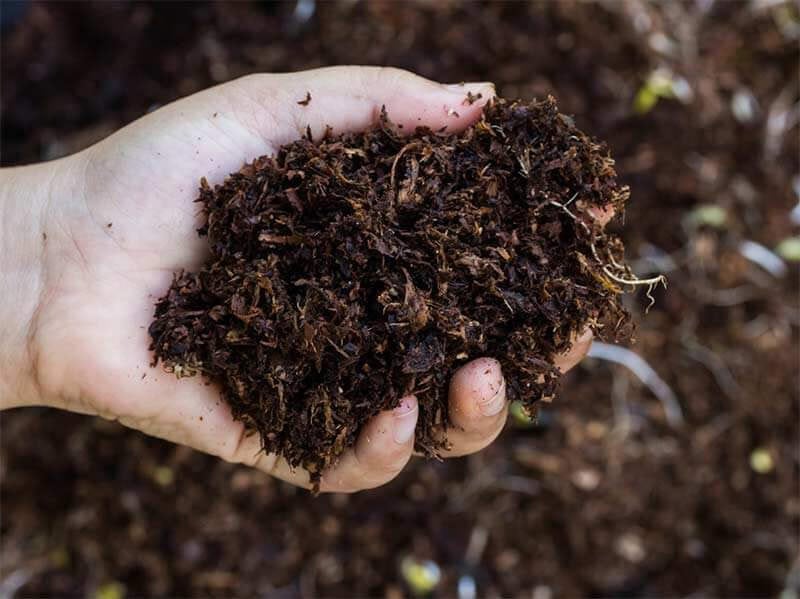
Organic fertilizers are fertilizers containing macronutrients, micronutrients, and trace elements derived from organic matter. They are formed from animal manure, waste, agricultural by-products, household waste, garbage, and by-products from seafood processing plants. Applying organic fertilizers helps improve soil, increase fertility, and loosen the soil by providing and supplementing humus, organic matter, and microorganisms to the soil and plants.
Currently, organic fertilizers are divided into two main groups:
– Traditional organic fertilizers such as manure, green manure, compost, etc.
– Industrial organic fertilizers such as bio-organic fertilizers, organic fertilizers, microbial organic fertilizers, microbial fertilizers, and organic mineral fertilizers.
Currently, there are many types of fertilizers on the market. Depending on the intended use and soil and weather conditions, farmers should choose the appropriate fertilizer for their crops. Viet Nga Fertilizer is proud to offer high-quality fertilizer products that meet the needs of effective and sustainable crop care.
Customers and farmers can find detailed product information in the Product Catalog. If you are interested in becoming an official distribution partner, please contact Viet Nga Fertilizer via hotline 02778 55 66 77 for support and detailed guidance.

At the same time, you can refer to the article on the experience of opening a highly profitable fertilizer dealership to better understand the steps involved in opening a dealership!
4. How to use fertilizers effectively for crops
To maximize the effectiveness of fertilizers on crops, farmers need to adhere to the following fertilizer application principles:
4.1. Choosing the right type of fertilizer
Each type of fertilizer has a different effect, suitable for each stage of development of all types of crops and for each purpose. Choosing the wrong type of fertilizer not only reduces the effectiveness of the fertilizer and wastes costs, but also negatively affects plant health and soil quality.
4.2. Apply fertilizer at the right time.
Different stages of plant growth have different nutritional needs. For example, the growth stage requires more nitrogen, while the flowering and fruiting stages require more potassium. Therefore, farmers should choose the appropriate fertilizer for each stage of plant development to avoid losses and reduce the risk of environmental pollution.
4.3. Proper fertilization
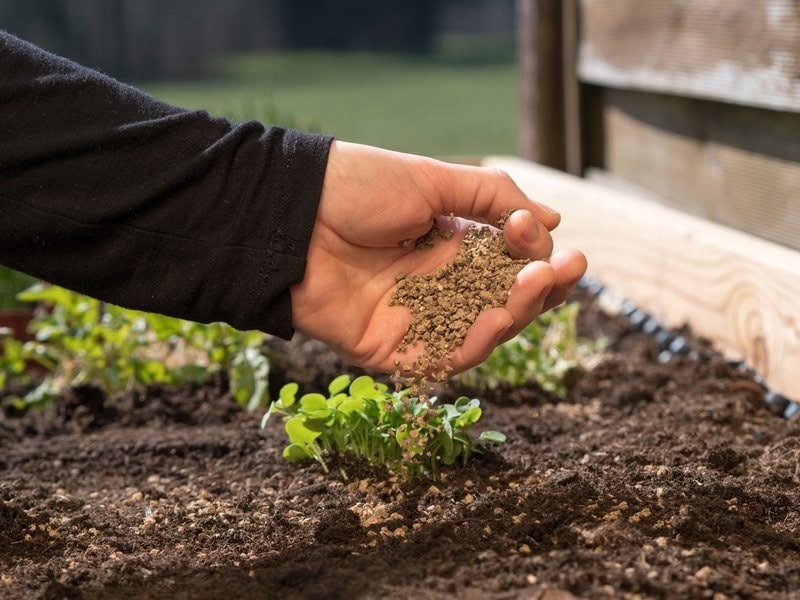
There are many fertilization methods such as: root fertilization, furrow fertilization, pit fertilization, foliar spraying, etc.
In addition, there are different types of fertilizers used in different stages such as basal fertilization, tillering fertilization, flowering fertilization, panicle initiation fertilization… to optimize effectiveness. Depending on the soil type, crop, and purpose of use, farmers need to choose the appropriate fertilization method.
4.4. Apply fertilizer in the correct dosage.
All crops require a balanced ratio of nutrients to grow healthily. A deficiency or excess of any nutrient will affect plant growth. Imbalanced fertilization can lead to waste, reduced yields, and negative environmental impacts.
4.5. Apply fertilizer according to the weather and season.
Weather affects the effectiveness of fertilizer use. Heavy rains can easily wash away fertilizer, leading to waste, while intense sunlight can cause fertilizer to evaporate, resulting in loss. Therefore, for each crop season and weather condition, it is necessary to choose the appropriate type of fertilizer and the right time to apply it to ensure effective use.
Conclusion
Fertilizers are not only an essential source of nutrients for plants, but also a decisive factor in the yield and quality of agricultural products. Viet Nga Fertilizer is always ready to accompany farmers, providing high-quality fertilizer solutions to help crops achieve optimal yields and contribute to sustainable agriculture.
Related news
The Role of Base Fertilization in Soil Improvement and Enhancing Agricultural Fertility
Measures to Improve and Treat Saline Soil

Winter-Spring rice blast warning – Don’t let leaf and flower burns rob you of your golden crop

Rice Sowing Techniques for the Early Winter–Spring Crop

What Is Slow-Release Fertilizer? Learn How to Use It Effectively