Reasons Why the EU Is Increasing Inspection Frequency for Vietnamese Agricultural Products
According to experts, the number of warnings regarding residues of banned substances and antibiotics in Vietnamese agricultural products exported to Europe (EU) increased by more than 80% in the first half of the year. This unusual development warns Vietnamese businesses to strictly control food safety requirements before exporting to a demanding market like the EU.
EU controls are becoming increasingly strict.
In the first half of 2024, the number of warnings regarding residues of banned substances and antibiotics in Vietnamese agricultural products exported to the EU increased by more than 80%. This led to the EU increasing the frequency of border inspections of agricultural products from Vietnam, especially items such as dragon fruit, chili peppers, okra, and durian. This is a warning sign that Vietnamese businesses need to more strictly control food safety requirements before exporting to the EU market.
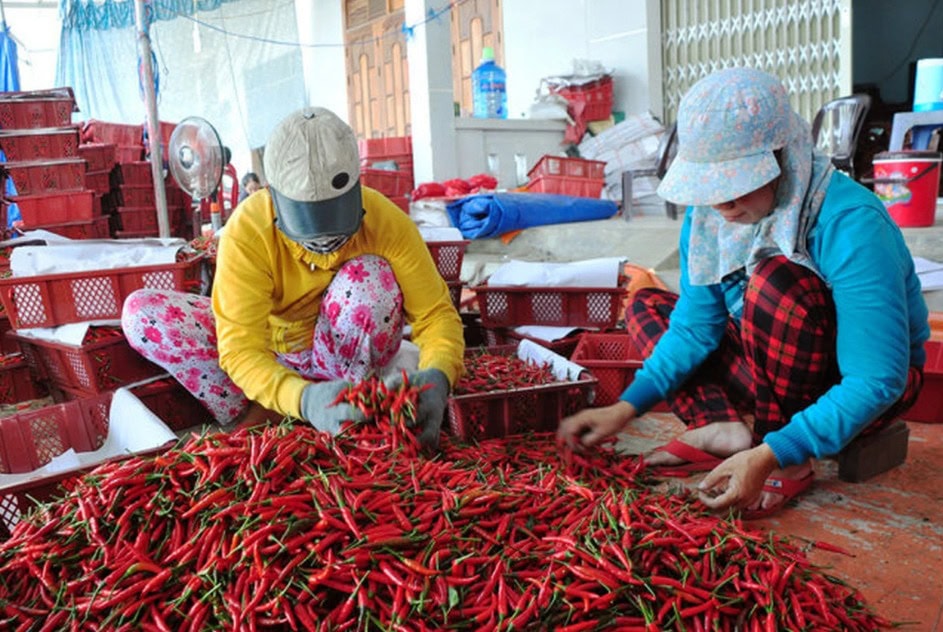
This increase has led to the EU increasing the frequency of border checks on agricultural exports from Vietnam. Currently, four agricultural products are subject to stricter controls, including dragon fruit (30%), chili peppers (50%), okra (50%), and durian (10%).
Mr. Dang Phuc Nguyen, General Secretary of the Vietnam Fruit and Vegetable Association, believes that although Vietnam’s fruit and vegetable exports have reached a record high, the increasing number of food safety warnings is a wake-up call regarding compliance with strict EU regulations. Without strict control, Vietnamese agricultural products could be banned from import into the EU.
In some cases, if the frequency of violations is high, the EU may apply stricter control measures such as increasing the frequency and rate of inspections, or even banning imports into the EU market for a period of time. There was a time when the EU warned it would ban Vietnamese fruits and vegetables if five shipments were found to be substandard.
Without strict control, there is a risk of increased inspections.
In addition, Ms. Hoang Thi Lien, President of the Vietnam Pepper and Spice Association, emphasized the importance of close coordination between management agencies, businesses, and associations to address issues related to food safety. She recommended that businesses update information from official EU websites to avoid violations.
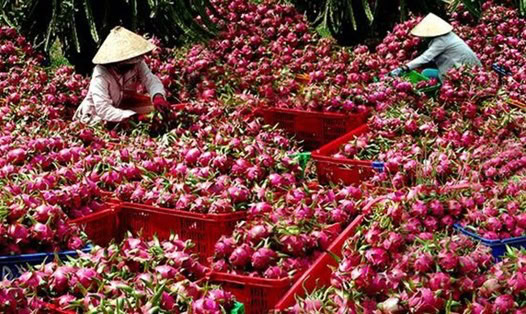
According to the Plant Protection Department of the Ministry of Agriculture and Rural Development, the main reason for this situation is that many businesses and producers have not complied with regulations on food safety and the use of pesticides. Without timely solutions, Vietnamese agricultural and aquatic products risk stricter inspections when imported into the EU, impacting export activities.
Therefore, to limit violations, both producers and businesses need to pay attention to regulations and standardize processes from the growing area to production and export.
The Plant Protection Department stated that the EU is constantly reviewing and amending its regulations. Therefore, exporting businesses should access relevant information websites to update and review regulations before planning to export goods, ensuring they have more accurate information and minimizing risks in their export operations.

Related news
Asia’s Fertilizer Market “Out of Sync”: Crop Prices Fail to Keep Pace with Rising Costs
Middle East Conflict Drives Fertilizer Prices Higher, Supply Faces Risk of Disruption
Widespread Heavy Rain in Southern Vietnam – Farmers Need to Take Proactive Measures to Protect Their Crops
In 10 Months, Vietnam’s Cashew Industry Completed Its Export Plan
China Purchased 1.5 Million Tons of Durian in 10 Months