Why Did the Global Fertilizer Market Continuously Face Difficulties in 2023?
The joy of rising rice prices was short-lived as another worry arose for our valued dealers and farmers: the persistent difficulties in the fertilizer market. This could lead to a serious food crisis and many other potential consequences. Latin American, African, and Asian countries (including Vietnam) are most severely affected due to their heavily agricultural-dependent economies.
Today, let’s join Viet Nga Fertilizer in exploring the main reasons behind the difficulties in the fertilizer market in 2023 in the article below.

1. Tensions between Russia and Ukraine have led to a shortage of fertilizer supplies.
Russian experts argue that European Union sanctions have restricted trade with Russia to the point of preventing the shipment of 13 million tons of fertilizer since the start of the Russia-Ukraine war. At the same time, gas shortages from Russia, the main supplier, have also hampered fertilizer production by major European fertilizer producers.
Furthermore, sanctions imposed on Russia by European and American countries have made it extremely difficult to purchase fertilizers from Russia or other fuels used in fertilizer production.
For example, the SWIFT international payment system, after removing Russian banks from its network, has made transactions and payments with Russia more difficult than ever. Although Russia has sought many alternatives over the past seven years to limit SWIFT’s monopoly, none have proven effective.
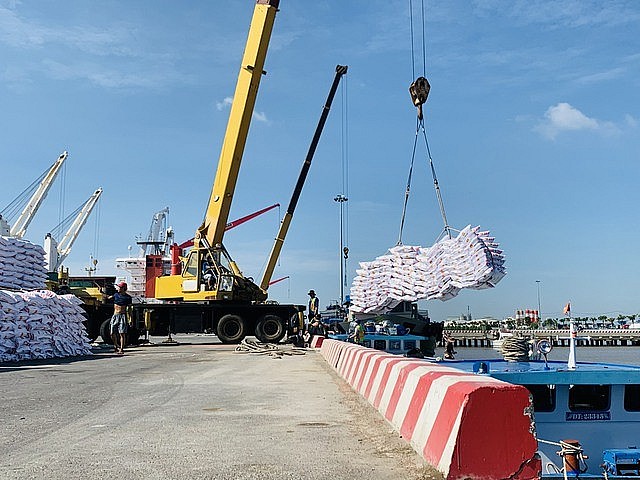
For orders that have been successfully paid for, the process of transporting fertilizer has become a major headache. Since the war, the price of VLSFO fuel used for ships has risen to record highs. In addition, major shipping companies like FedEx or Maersk have reduced the number of voyages and added surcharges for shipments to and from Russia due to concerns about the conflict, causing shipping costs to increase many times over.
The shock to the global fertilizer market since the beginning of 2022 has clearly demonstrated the role of allies such as Belarus and China – countries that export nearly a quarter of all fertilizers for crops worldwide. Through this, the US and other countries around the world have clearly recognized the link between fertilizers and agricultural supplies and food security.
2. Market demand exceeds the control of the suppliers.
Currently, fertilizer prices are constantly fluctuating. Although lower than during the COVID-19 pandemic, they are generally still high compared to previous years. Therefore, many countries are implementing export restrictions to protect their domestic fertilizer supply for agriculture.
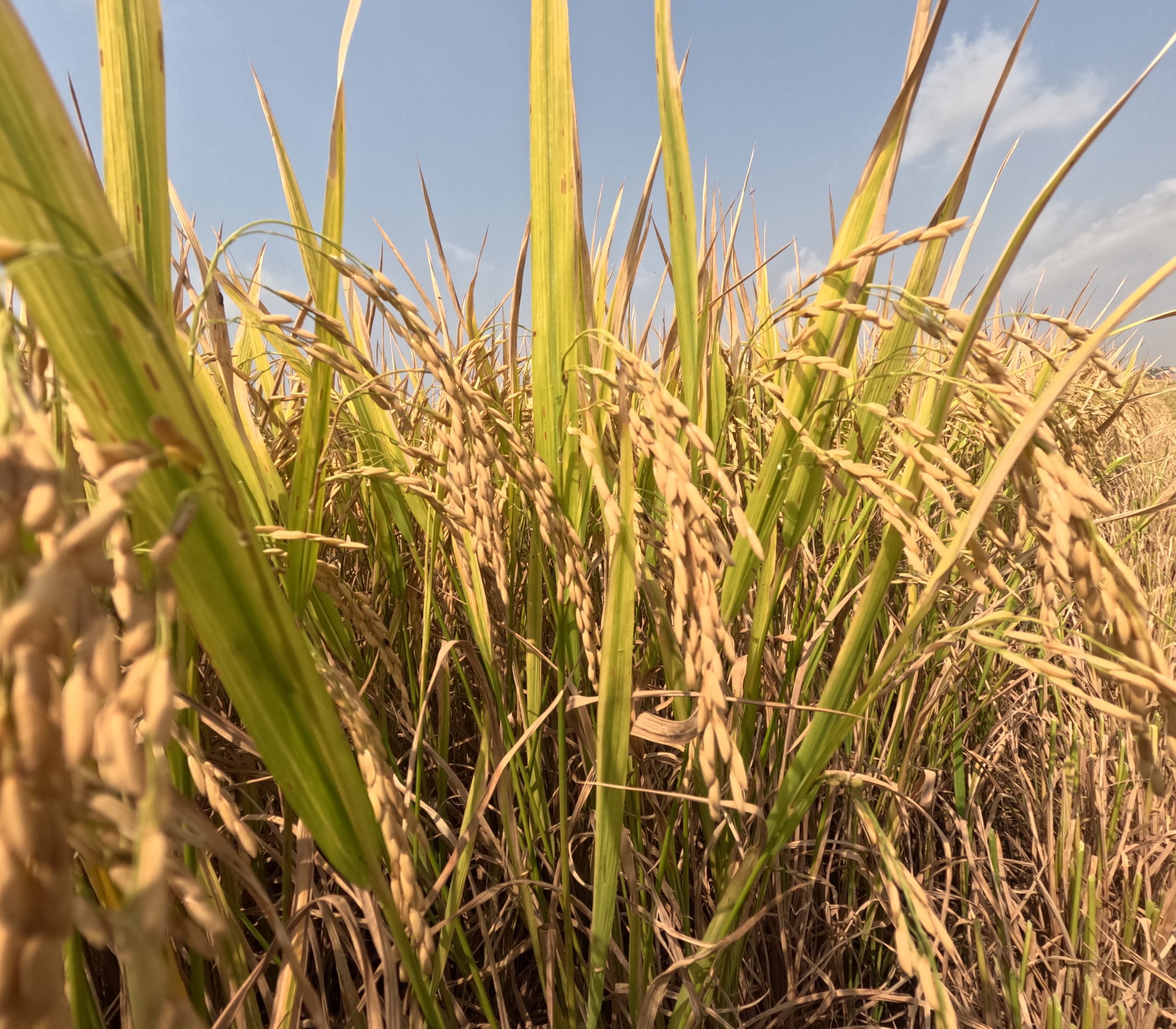
Simultaneously, the return of the El Niño phenomenon caused hot and dry conditions in the countries it flowed through, leading to a decline in agricultural production and quality. As mentioned in previous articles, this is the reason for the record increase in rice prices over the past decade. Consequently, farmers decided to increase cultivation and intensify farming practices to capitalize on the rising rice prices. This further increased the already high demand for fertilizers.
3. Consequences of the unstable fertilizer situation in 2023
The African Development Bank warns that fertilizer shortages will reduce food production by 20%. The vicious cycle of fertilizer shortages and famine will repeat itself, and an economic crisis is entirely possible.
According to the International Monetary Fund, 48 countries, primarily in Africa, Asia, and Latin America, are currently experiencing economic difficulties following shocks to food and fertilizer prices.
Currently, only rice prices are affected by this fertilizer price crisis. However, according to the World Bank, in about six months, when the harvest season arrives for the currently cultivated areas, the prices of many agricultural products, not just rice, will increase.
The organization also believes that the crisis will ease thanks to efforts by countries like the US and Canada to increase fertilizer production capacity. However, these are only minor improvements, and it will be at least two more years before fertilizer prices return to their previous levels.
Source: World Bank


Related news

Updated Fertilizer Prices on December 29, 2025 – Detailed Information for Farmers’ Reference

The National Assembly is considering imposing a 5% VAT on fertilizers
Vietnam Spends Nearly $682 Million on Fertilizer Imports
Early August: Fertilizer Prices Rise, Official Document Issued Regarding Rice Exports

Why Did the Global Fertilizer Market Continuously Face Difficulties in 2023?