-
1Provide nutrition during seedling stage and after harvest
-
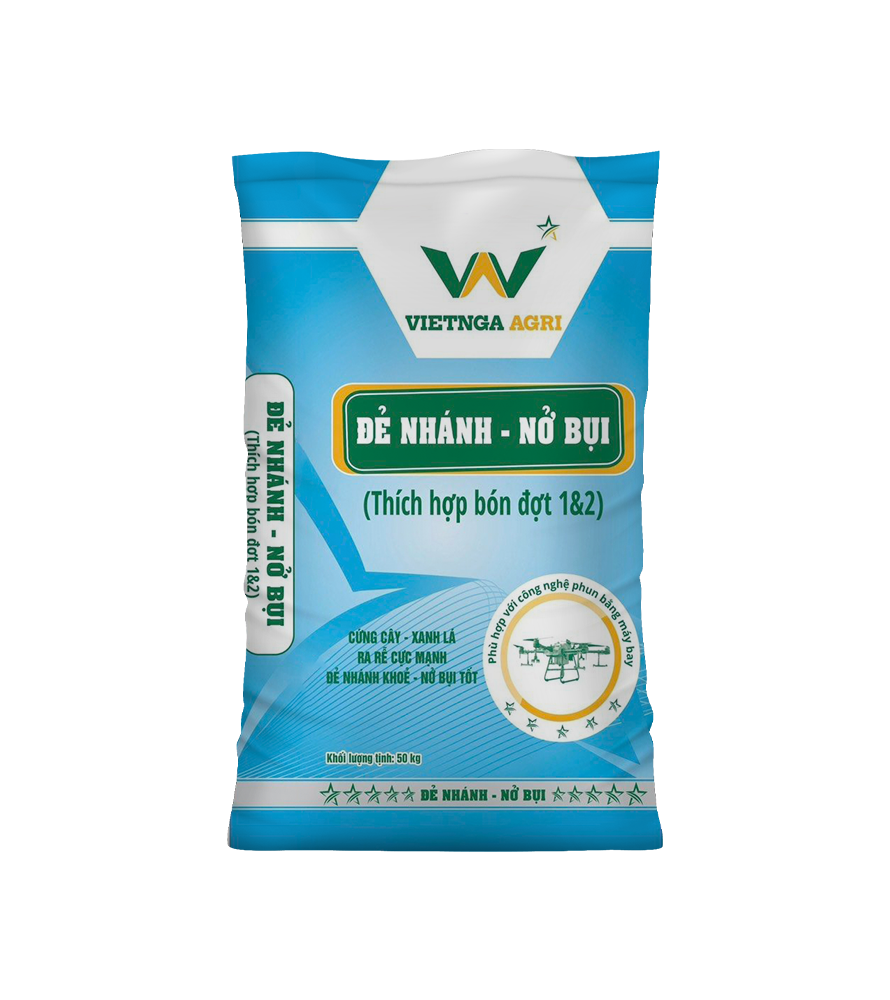
2Promote strong roots, healthy plants, and quick growth of branches, buds, and leaves
-
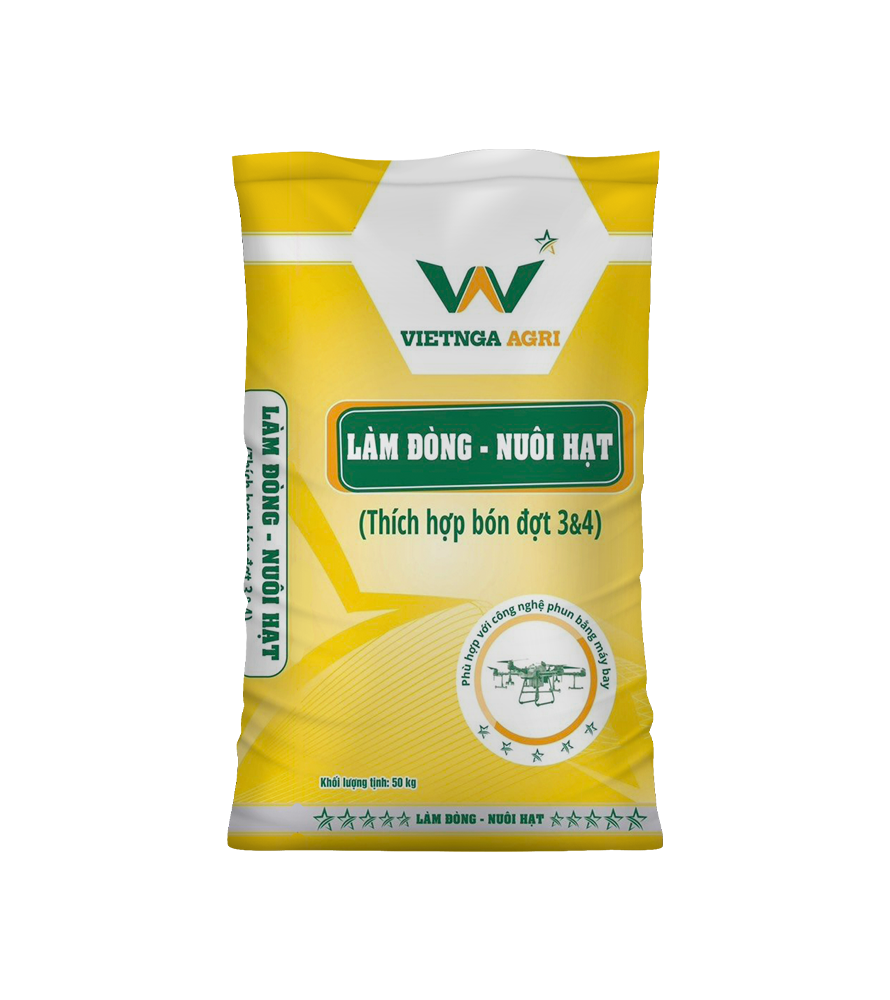
3Flower bud differentiation, concentrated flowering
-
4Increase resistance to adverse weather
-
5Increase productivity, improve quality of agricultural products
-
6Suitable for many types of cultivated land
Element
-
Total Nitrogen (Nts)
20%
-
Available phosphorus (P2O5hh)
15%
-
Effective Potassium (K2O)
7%
-
TE: Fe
50 ppm
-
Humidity
5%
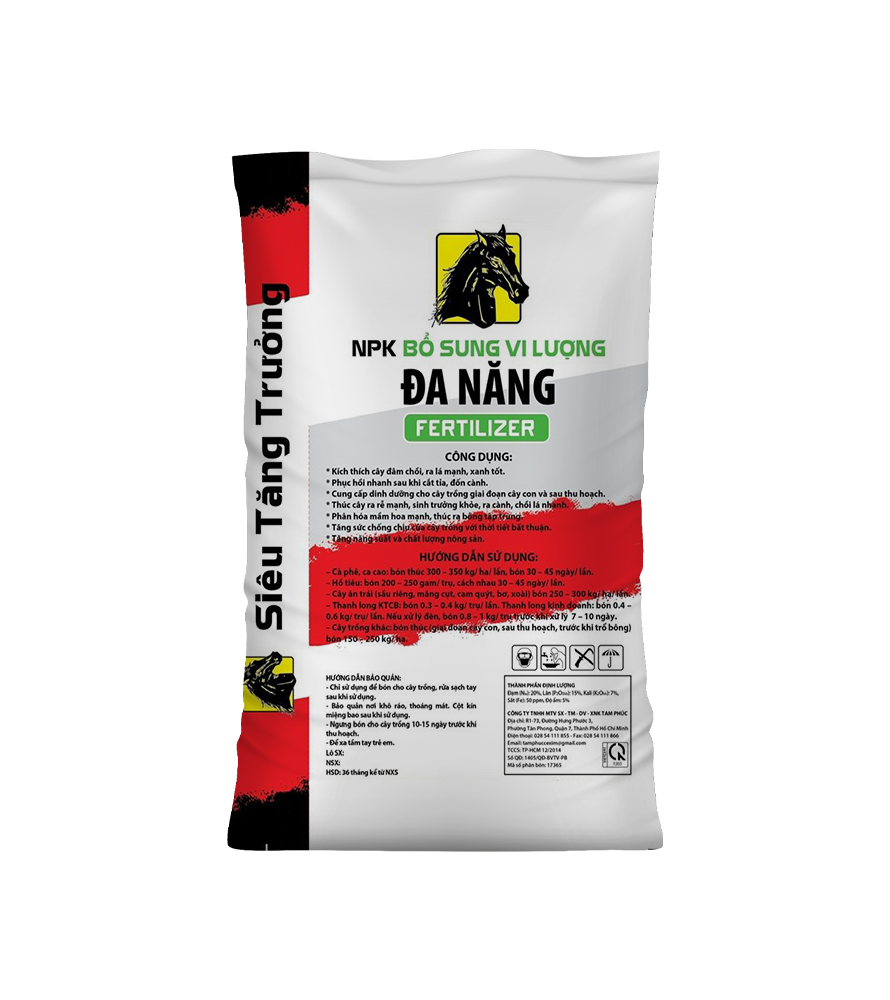
Main Ingredients of NPK Fertilizer 20-15-7+TE
NPK 20-15-7+TE is a chemical fertilizer containing nitrogen, phosphorus, potassium, and trace elements. It is used to provide essential nutrients for plants, enhancing their growth and yield.
The numbers 20-15-7 represent the percentage ratio of nutrients in the fertilizer. Below is the meaning of the main components and TE:
- Nitrogen (N): The 20% nitrogen content in NPK 20-15-7 + TE indicates that this fertilizer contains a high amount of nitrogen. Nitrogen is essential for the growth of leaves, young stems, and new shoots in plants.
- Phosphorus (P): The 15% phosphorus content in NPK 20-15-7+TE provides a substantial amount of phosphorus. Phosphorus supports the development of root systems, flowers, and seeds in plants.
- Potassium (K): The 7% potassium content in NPK 20-15-7+TE provides potassium for crops. Potassium plays an essential role in photosynthesis, energy production, and nutrient supply for plants. Additionally, potassium enhances the plant’s resistance to diseases.
- TE (Trace Elements): TE stands for “Trace Elements,” which include micronutrients such as iron (Fe), zinc (Zn), manganese (Mn), copper (Cu), molybdenum (Mo), and boron (B). These are essential elements for plant growth and development, even though they are needed in only small amounts. Trace elements support biological processes and help plants improve disease resistance.
NPK 20-15-7 + TE is also part of the specialized nutrient solution for rice by Phân Bón Việt Nga: NPK 20-15-7 + TE & NPK 15-7-20 + TE, formulated for use during the early growth stages of rice.
The fertilization process is illustrated in the diagram below:
The dosage can be referenced from the following table:
| Fertilization period | Period (NSS) | Amount of fertilizer (per 1000m2) | Fertilization |
| Phase 1 | 8 – 12 days | 10 -15 kg | NPK 20 – 15 – 7 + TE |
| Phase 2 | 18 – 22 days | 12 – 17 kg | NPK 20 – 15 – 7 + TE |
| Phase 3 | 40 – 45 days | 15 – 20kg | NPK 15-7-20 + TE |
However, when using NPK 20-15-7 + TE fertilizer, please follow the manufacturer’s instructions and adjust the fertilizer dosage based on factors such as crop type, plant age, environmental conditions, and the specific nutritional requirements of the plants.
How to Store NPK 20-15-7+TE Fertilizer
| Storage | Keep in a cool, dry place, away from direct sunlight. |
| Net weight | 50kg |
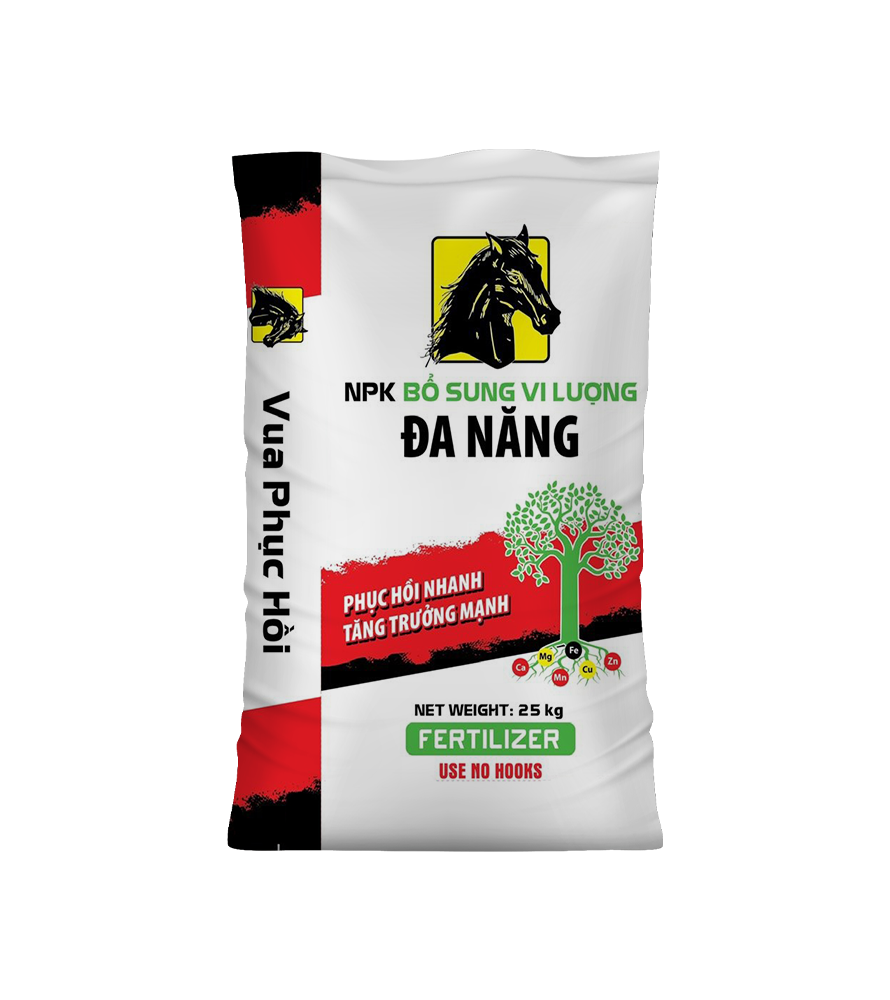
| Packaging | Horse head sack |
| Shelf Life | 36 months from the date of manufacture |
– Rice, sugarcane: basal fertilization: 60 kg/ha; first topdressing: 100-120 kg/ha; second topdressing: 130-180 kg/ha.
Fruit Trees: Base Fertilization: 70 kg/ha, First Topdressing: 120-150 kg/ha, Second Topdressing: 130-180 kg/ha
– Industrial crops: basal fertilization: 70 kg/ha; first top dressing: 120-150 kg/ha; second top dressing: 140-180 kg/ha.
– Vegetables: First application: 40-50 kg/ha; Second application: 60-80 kg/ha.