Record Exports of Fruits and Vegetables: Nearly $3.5 Billion in the First Six Months of the Year
In May, fruit and vegetable exports reached $770 million, an increase of 27.5% compared to April and a 17.9% increase compared to May 2023.
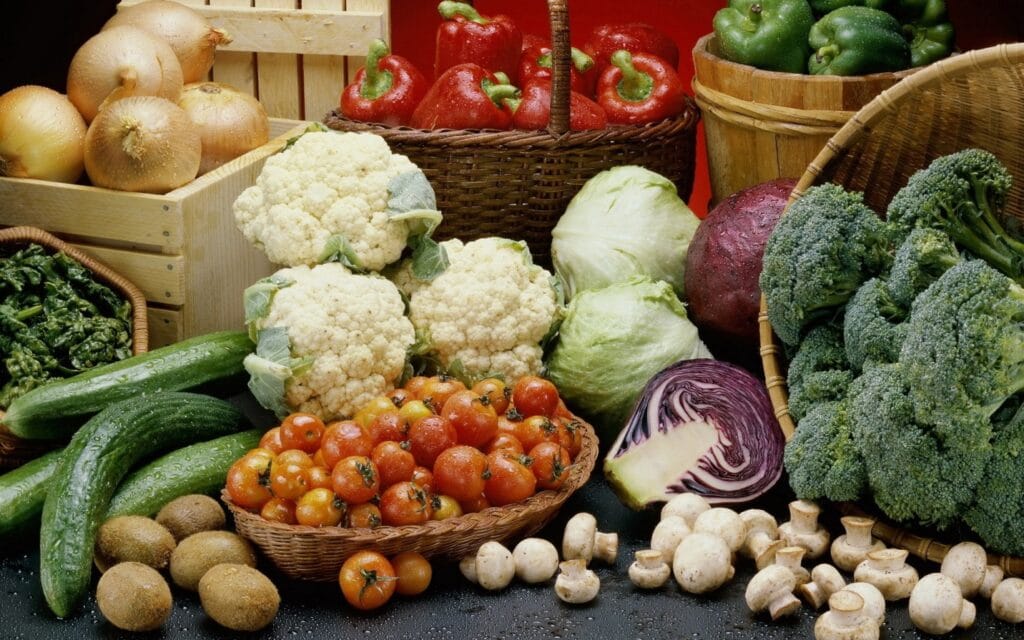
Durian, dragon fruit, bananas, longan… are all fruit products that contributed significantly to export growth in the first half of the year, alongside processed products. Meanwhile, key markets also recorded increases of 10-50% compared to the same period in 2023.
Vegetable and fruit exports continue to thrive, driven by increased demand in traditional markets like China and other potential markets such as South Korea, the United States, Japan, and Thailand. Export values to these markets in the first half of 2024 all recorded positive growth rates.
Key Export Markets
China: Export turnover is estimated at approximately US$2.2 billion, a 33% increase compared to the same period in 2023. Currently, Vietnam officially exports more than a dozen types of fruit to this market, including watermelon, mangosteen, durian, fresh bananas, sweet potatoes, dragon fruit, rambutan, mango, lychee, longan, and jackfruit. A new protocol on the export of frozen durian, passion fruit, and chili peppers is expected to be signed in 2024. China has a huge demand for coconut imports; its domestic coconut production only meets about 10% of its needs.
South Korea: Estimated to reach $150 million, a 57.9% increase.
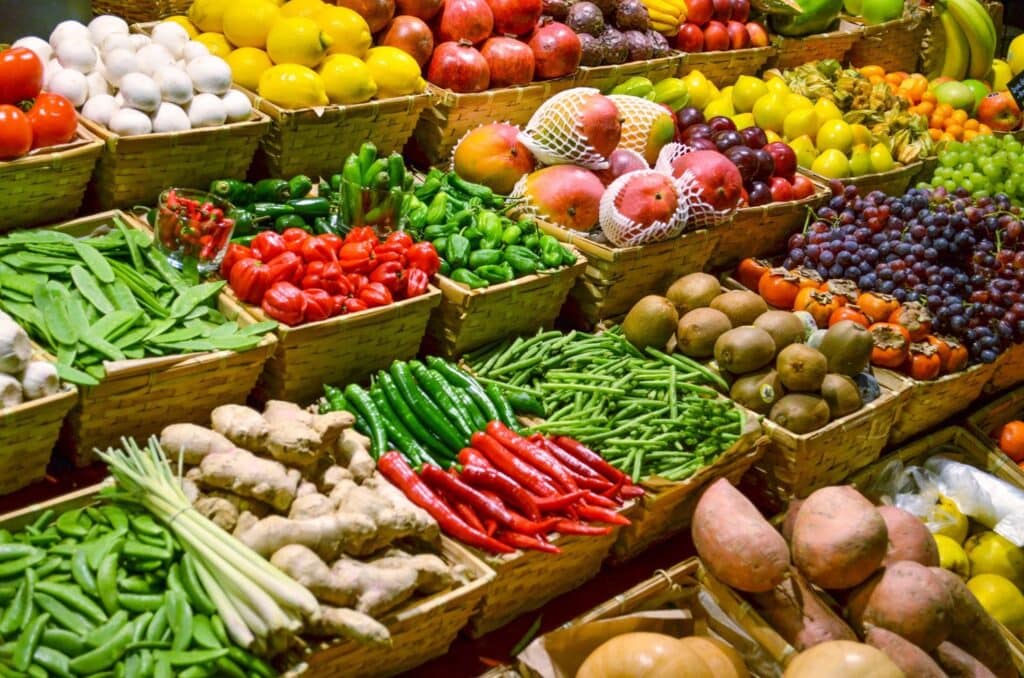
United States: Export value reached nearly $150 million in the first six months of the year, an increase of 32.4%. The United States is a potential market; it is necessary to increase the added value of seasonal fruits, supplement processed products such as dried fruits, fruit powders, canned products, and apply new technologies to extend the shelf life of fruits.
Despite recording positive growth in the first half of 2024, Vietnam’s fruit and vegetable industry still faces challenges that need to be addressed.
The Ministry of Industry and Trade warns that the quality of fruits and vegetables is not yet stable; some shipments exported to markets such as China, the EU, Japan, and South Korea are still being flagged for pesticide residue; the link between production and consumption is not sustainable; and the capacity of some production enterprises to comply with foreign market requirements is not high, often violating planting area codes, packaging facility codes, and other regulations.
Source: Nhan Dan Newspaper

Related news
Asia’s Fertilizer Market “Out of Sync”: Crop Prices Fail to Keep Pace with Rising Costs
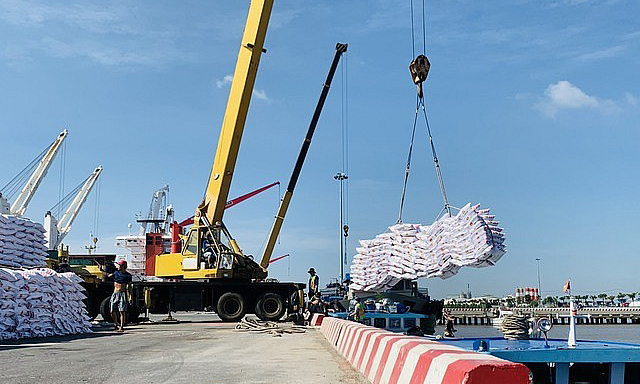
Middle East Conflict Drives Fertilizer Prices Higher, Supply Faces Risk of Disruption
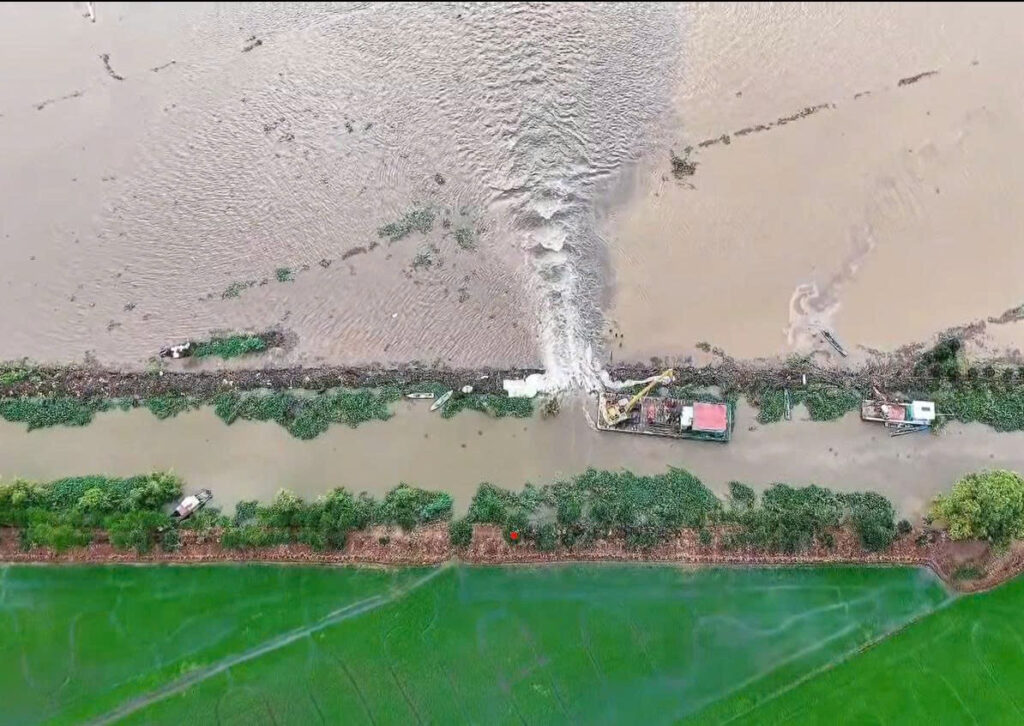
Widespread Heavy Rain in Southern Vietnam – Farmers Need to Take Proactive Measures to Protect Their Crops
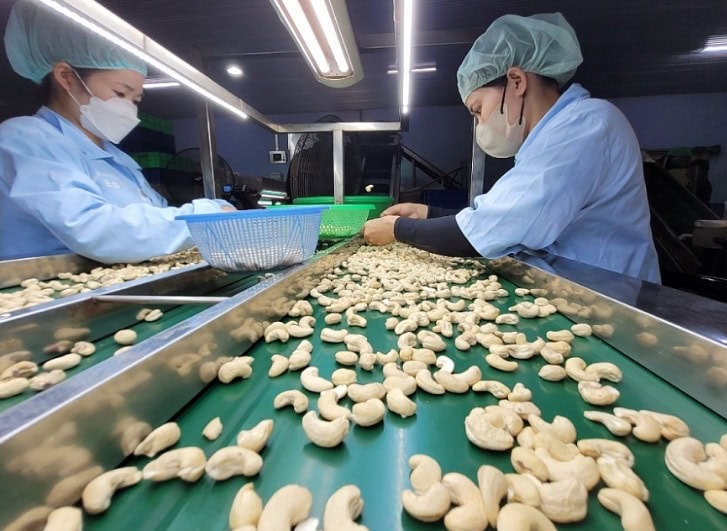
In 10 Months, Vietnam’s Cashew Industry Completed Its Export Plan
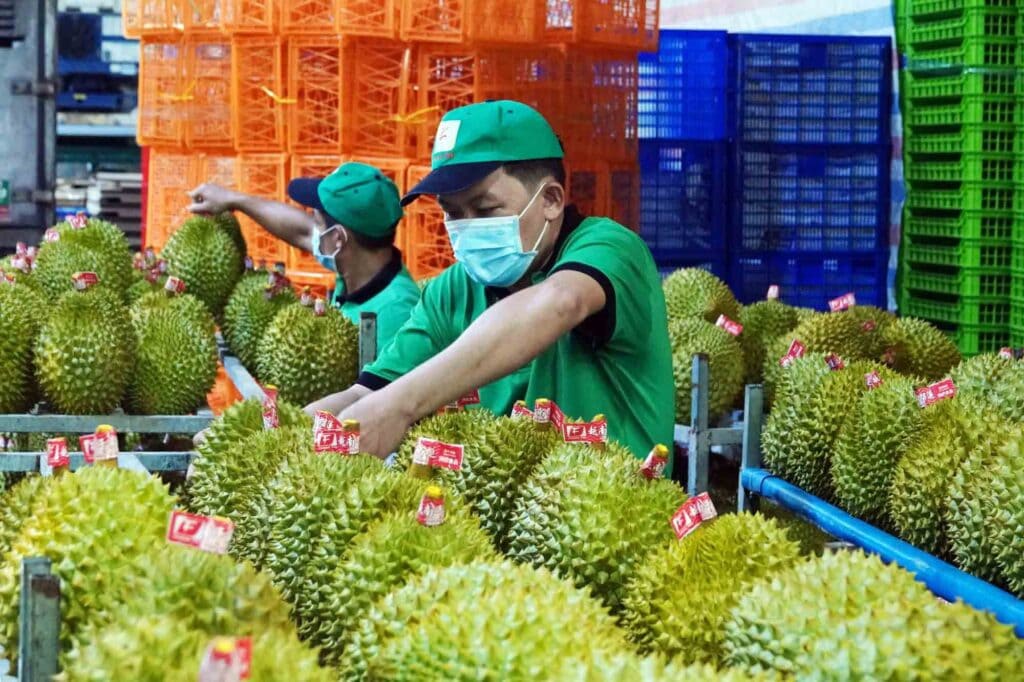
China Purchased 1.5 Million Tons of Durian in 10 Months