5-Step Process to Restore Degraded Soil After Many Consecutive Crop Seasons
Date
Contents· 4 sectionsExpandCollapse
After many consecutive crop seasons, soil easily becomes degraded, hardened and depleted of nutrients, causing crops to grow poorly and yields to decline even when more fertilizer is applied. This article guides you through a scientific 5-step soil restoration process that helps rebuild fertility, increase humus and improve the soil microbial community for more sustainable farming. Join Viet Nga Fertilizer to learn the details right below.
What Is Degraded Soil? Why Should It Be Restored Promptly?
What is degraded soil?
Degraded soil is farmland whose fertility has declined after many consecutive production seasons. At that point, the soil can no longer supply enough nutrients or provide as favorable an environment for crop growth as it originally did.
Specifically, degraded soil usually has the following characteristics:
- Nutrient-poor soil: Levels of nitrogen (N), phosphorus (P), potassium (K) and secondary nutrients and micronutrients such as calcium (Ca), magnesium (Mg), zinc (Zn)… are deficient or imbalanced, causing crops to grow weakly, yellow easily and yield less.
- Low humus content: Soil organic matter drops sharply because little organic fertilizer is added or crop residues are not returned to the field. Lack of humus makes the soil less loose and porous, with poor water and fertilizer retention.
- Declining soil microorganisms: Beneficial microbes such as organic-matter decomposers, nitrogen fixers and phosphate solubilizers decrease in number, so the soil loses its ability to maintain its own biological balance.
- Broken soil structure: The soil becomes hardened and compacted, prone to crusting or cracking, making it hard for roots to develop and limiting nutrient uptake.
If the soil is not restored promptly, degradation will become increasingly severe, causing yields to fall season after season while fertilizer costs rise without matching results. Therefore, proper soil restoration is an important step to recover fertility and ensure long-term sustainable farming.
Signs of Degraded Soil
To restore soil effectively, farmers need to recognize the signs of degraded soil early in actual production. Some common signs include:
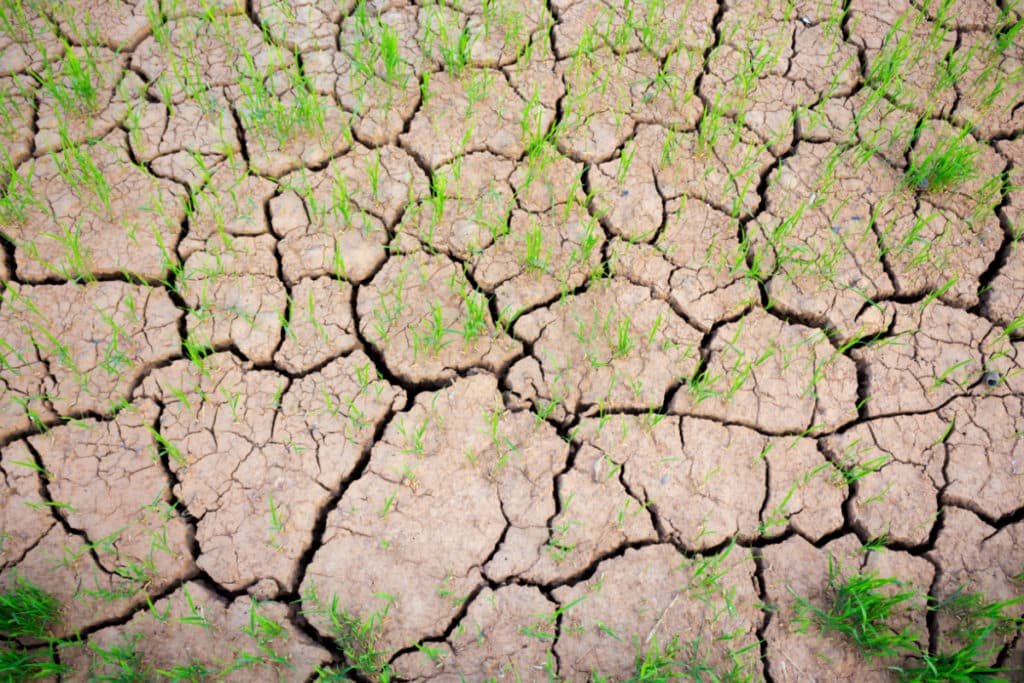
- The soil is dry, hard and cracked in the dry season, and the surface crusts after rain or irrigation.
- Poor water retention: the soil dries quickly after watering and soil moisture is unstable.
- Roots develop weakly, stay shallow, have few fine roots and are prone to rot or suffocation.
- Plants yellow easily, grow slowly and tiller poorly (for rice) or develop unevenly (for fruit trees and vegetables).
- Heavy fertilization brings little effect: plants absorb poorly, and fertilizer rates must be raised each season without a matching improvement in yield.
These signs show that the soil's fertility has declined and it needs to be restored promptly to avoid long-term effects on yield.
Main Causes of Soil Degradation
Soil degradation usually results from prolonged cultivation without measures to restore the soil. Common causes include:
- Continuous cropping without crop rotation, which depletes nutrients one-sidedly and allows pathogens to accumulate.
- Overuse of chemical fertilizers, especially nitrogen, causing nutrient imbalance and acidifying the soil over time.
- Too little organic fertilizer, which lowers humus content and causes the soil to lose its natural looseness.
- Burning rice straw and not returning plant residues, wasting a valuable source of organic matter for the soil.
- Erosion and nutrient leaching due to heavy rain and improper irrigation, especially on sloping land or light soils.
Understanding the causes helps farmers choose the right soil restoration solutions, thereby building a sustainable farming process and stabilizing output over the long term.
An Effective and Sustainable 5-Step Process to Restore Degraded Soil
Step 1 – Test and Assess Soil Condition
Before restoring the soil, the most important step is to test and correctly assess its current condition. This helps farmers determine exactly what the soil lacks and what is in excess, so they can choose suitable supplements and avoid wasteful guesswork fertilization.
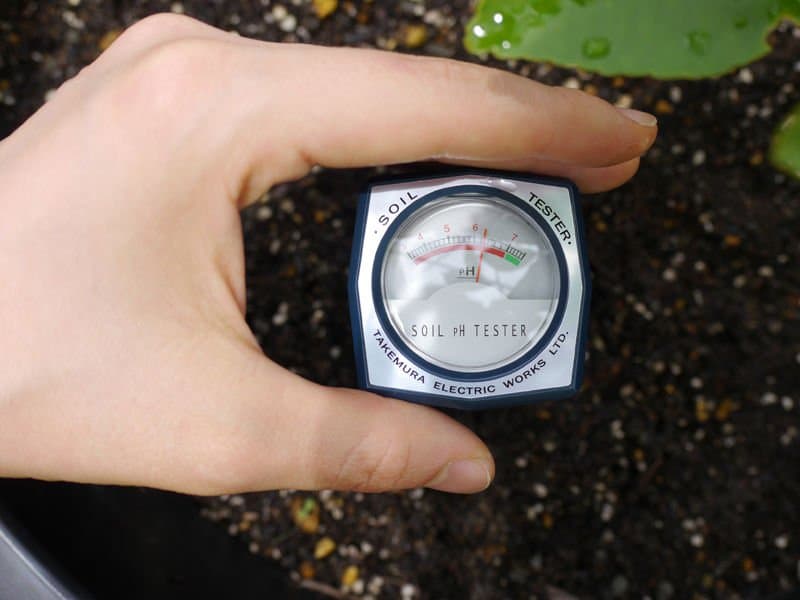
First, check the soil pH. After many seasons of cultivation and continuous use of chemical fertilizers, soil tends to become acidic (low pH). When pH is unsuitable, crops struggle to absorb nutrients even though fertilizer remains in the soil. For many common crops, the suitable pH usually ranges from 5.5-6.5 (depending on the crop). You can use a quick field test kit or send samples to a laboratory for more accurate results.
Next, check the soil's humus (organic matter) content. Soil low in humus is usually poorly aerated and retains water and fertilizer weakly. Humus plays an important role in improving soil structure and feeding beneficial microorganisms. If the soil is low in humus, prioritize adding organic matter in the following restoration steps.
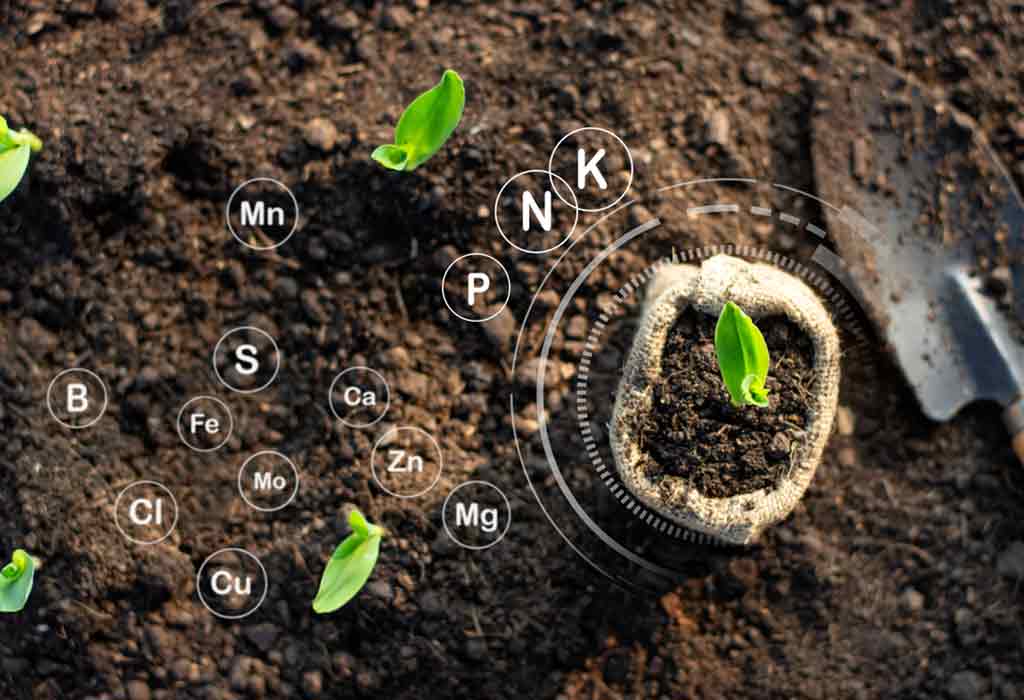
Where possible, analyze the soil's nutrient composition (N, P, K and secondary and micronutrients). This analysis identifies nutrient deficiencies or imbalances, so a suitable fertilization formula can be built for each season and each crop.
In addition, farmers should observe the root system and the plow layer in the field. If roots are shallow with few fine roots, and the topsoil is hardened or crusted, these are signs that the soil structure has broken down. This is an important basis for choosing a suitable restoration solution. Knowing exactly what the soil lacks allows you to supply the right nutrients in the right amounts, making soil restoration highly effective and saving costs in the long run.
Step 2 – Adjust pH and Neutralize Acidity with Lime or Soil-Conditioning Minerals
After assessing the soil condition, the next step in restoring degraded soil is to adjust pH and neutralize acidity. In practice, long-cultivated soil, especially in intensive rice and fruit-growing areas, tends to become acidic due to continuous chemical fertilizer use and nutrient leaching.
When soil pH is too low, plants' ability to absorb nutrients is limited even when enough fertilizer is applied. Some elements such as phosphorus, calcium and magnesium become hard for plants to use, while toxic aluminum and iron in acidic soil can increase, inhibiting root development and stunting plant growth.
Applying lime or soil-conditioning minerals correctly brings many benefits:
- Raises soil pH to a level suitable for crop growth.
- Reduces aluminum and iron toxicity in acidic soil, allowing roots to grow strong.
- Improves fertilizer use efficiency, helping plants absorb nutrients better and reducing losses.
However, to get the best results when improving soil with lime, farmers should note: apply lime 7-10 days apart from chemical fertilizers and never apply lime together with nitrogen fertilizer, as this can cause nitrogen to be lost as gas and wasted. Adjusting pH correctly is an important foundation that allows the nutrient and organic supplementation in the following steps to be fully effective.
Step 3 – Add Organic Matter to Increase Humus and Improve Soil Structure
In restoring degraded soil, adding organic matter is a fundamental, long-term solution. After many consecutive crop seasons, soil humus content usually drops sharply, leaving the soil hardened, less porous and less able to retain water and nutrients. Adding organic matter makes the soil looser and softer so roots can grow easily and deeply, while retaining moisture better and reducing nutrient loss through leaching. More importantly, organic matter is the “food source” for beneficial microorganisms, thereby improving soil biology, supporting nutrient decomposition and enhancing fertilizer use efficiency.
Preferred organic sources include thoroughly composted manure, standard-compliant bio-organic fertilizer, or rice husks and straw composted before being incorporated into the soil. Never use fresh manure or untreated straw, as they can cause organic toxicity, encourage fungal diseases and compete with crops for nutrients. In any soil restoration process, organic matter is the foundation for restoring fertility and moving toward long-term sustainable farming.
Step 4 – Restore Soil Microorganisms
In restoring degraded soil, rebuilding the microbial community is an important step that truly brings the soil “back to life.” Practical experience shows that healthy soil is soil with a healthy, balanced microbial community. When soil degrades due to overuse of chemical fertilizers and pesticides, beneficial microorganisms decline sharply, and the soil loses its ability to decompose organic matter and regenerate nutrients on its own.
Soil microorganisms play a very important role in sustainable farming. They decompose organic matter into forms plants can easily absorb, fix nitrogen naturally from the air, dissolve insoluble phosphorus in the soil and, notably, suppress some harmful root-zone fungal pathogens. When the microbial community thrives, roots become healthier and nutrient uptake increases markedly.
To restore soil biology, farmers should add quality microbial products or bio-organic fertilizers, combined with the composted organic sources from the previous step. At the same time, limit the overuse of chemical pesticides, especially broad-spectrum active ingredients that can also kill beneficial soil microorganisms.
Step 5 – Rotate Crops and Manage Nutrients Properly
After restoring the soil, maintaining proper cultivation practices is key to preventing degradation from returning. First, farmers should rotate crops between seasons, since each crop uses nutrients differently. Rotation breaks soil-borne disease cycles while rebalancing nutrients and preventing one-sided depletion of the soil.
In addition, fertilize according to each growth stage of the crop, supplying the right type at the right time so plants absorb it efficiently. In particular, avoid applying excess nitrogen, as it easily causes unbalanced plant growth, rapidly acidifies the soil and reduces soil durability in the long run.
Practicing crop rotation and proper nutrient management will help maintain soil fertility after restoration, stabilizing yields and moving toward sustainable farming over many subsequent seasons.

Some Notes on Soil Restoration
When restoring degraded soil, farmers should avoid some common mistakes to ensure long-lasting results:
- Do not just add more NPK and skip organic fertilizer: Chemical fertilizers alone give plants short-term nutrition but do not improve soil structure. Combine them with organic matter to increase humus and soil looseness.
- Applying lime at the wrong time: Lime should be applied separately, 7-10 days apart from chemical fertilizers, to avoid reactions that reduce fertilizer efficiency
- Not testing soil pH before restoration: Each crop suits a certain pH range, so test the pH to adjust the correct amount of lime or soil-conditioning minerals.
- Inconsistent soil restoration: Soil restoration is a process carried out over many seasons; if done halfway or only once, the soil can easily become degraded again.
Keeping these notes in mind will make soil restoration more effective, helping maintain soil fertility and stabilize crop yields over the long term.
Conclusion
Soil is the foundation of agricultural production. Only when the soil is healthy can crops grow well and absorb nutrients efficiently. Therefore, restoring the soil properly and maintaining it regularly not only reduces fertilizer costs and increases yields but also lays the groundwork for sustainable farming over many seasons. If you are a farmer or dealer interested in effective soil restoration solutions, join Viet Nga Fertilizer to learn more about soil restoration knowledge and supporting products in upcoming articles.