Fertilizer Business Profit: How to Calculate It and 6 Ways to Increase It
Date · By Viet Nga Fertilizer
Contents· 6 sectionsExpandCollapse
"Is a fertilizer business profitable?" is the first question most people ask when planning a farm supply store. It is profitable if done right, but there is no fixed number. It depends on your source of supply, product choice, capital turnover and how you keep customers season after season. This article helps you understand where a fertilizer store's profit comes from, how to calculate it yourself and what increases or erodes it.
Where does fertilizer business profit come from?
- The margin between buying and selling price: this is the largest part. The closer you buy to the factory and the fewer middlemen, the better the margin.
- Capital turnover: with the same capital, goods that sell out quickly in the season turn capital over more times a year and earn more than goods sitting in the warehouse.
- Add-on sales: many stores also sell crop protection products, seeds, foliar fertilizer and farm tools. Customers buying fertilizer often buy these too.
- Regular customers: farmers who trust a store buy every season and refer others. This is the most durable part of profit.
How to calculate profit for your store
Before opening a store or adding a product, you can calculate it yourself with a simple formula:
Profit = Sales revenue − Cost of goods sold − Operating costs
Operating costs include:
- rent for the store and warehouse;
- transport of goods to the store and delivery to customers;
- staff wages and loading labor;
- shrinkage, damaged bags and moisture-damaged goods;
- loan interest (if you borrow to buy stock);
- taxes and fees as required by regulations.
Calculate separately for each product group (nitrogen, NPK, DAP, potash, specialty fertilizers) and for each season. Some groups earn little per bag but sell very fast; others earn more per bag but sell slowly. Tracking them regularly shows which groups to stock more of.
6 ways to increase a fertilizer store's profit
1. Buy from a source close to the factory
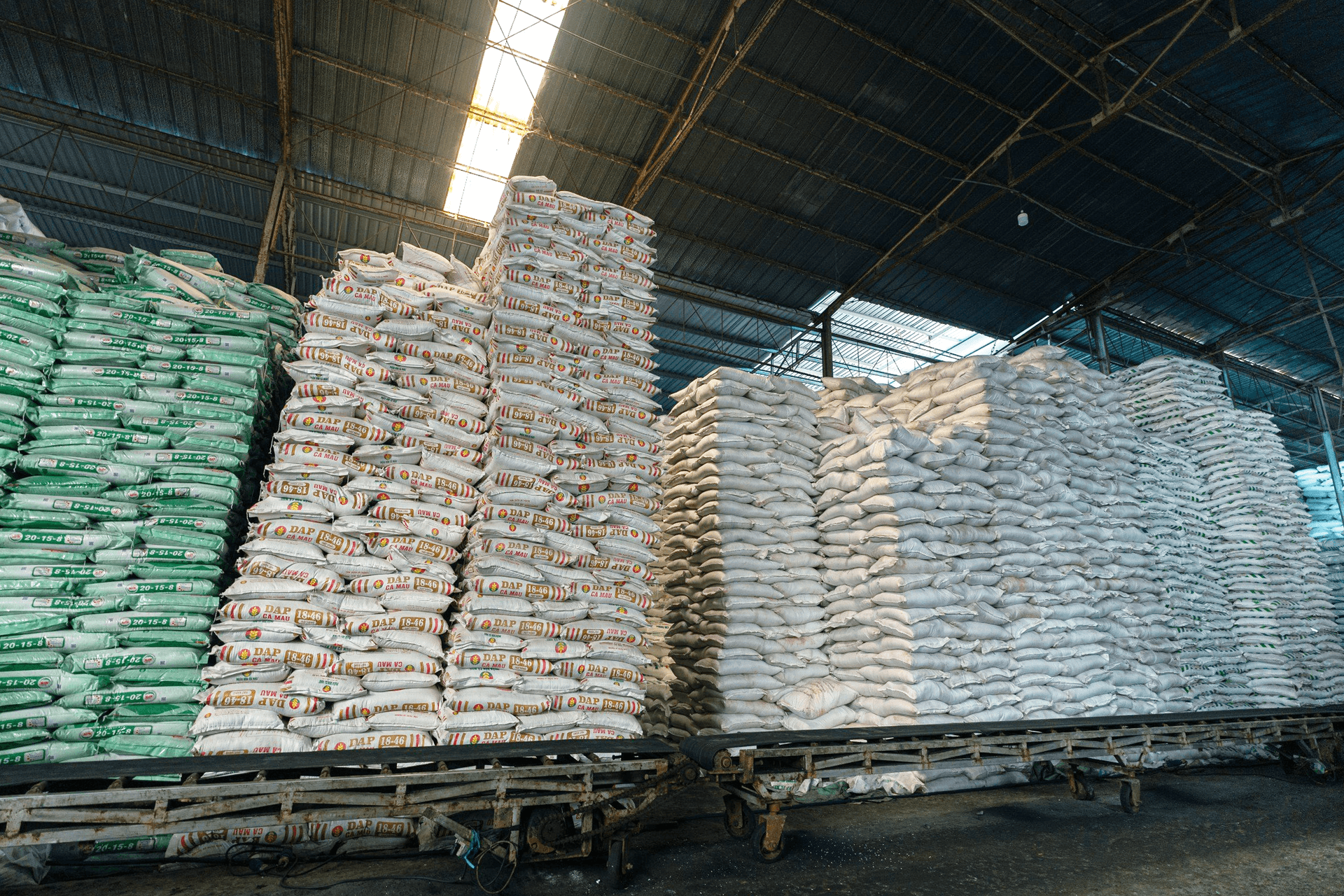
Buying from a tier-1 distributor or a manufacturer gives a better cost price, genuine goods and proper invoices and documents. See reference prices on the today's fertilizer prices page.
2. Choose products to match local crops
Rice areas need nitrogen, NPK and specialty rice fertilizer sets by stage; fruit tree areas need potassium-rich NPK and organic fertilizer. Stocking what the area needs means less leftover stock and faster turnover. See the specialty fertilizer and NPK fertilizer groups.
3. Buy stock by the crop calendar
Prepare stock before the area starts sowing, avoiding shortages just when farmers need fertilizer, and avoiding carrying stock past the season. The local crop calendar is the most important basis for planning purchases.
4. Have your own products so you do not have to race on price
If you only sell products everyone else has, your store is easily dragged into price competition. Products with exclusive distribution areas, or products under your store's own brand, help you hold prices and keep customers. See also fertilizer under your own brand.
5. Give technical advice to keep customers
Farmers buying fertilizer often ask when and how much to apply. When the store advises correctly and the customer's field improves, the customer comes back next season. The farming technique articles are a useful reference for advising customers.

6. Manage credit sales carefully
Selling on credit to farmers is common at farm supply stores, but uncontrolled credit ties up capital and can be lost entirely after a crop failure. Keep clear records, set a limit for each customer and collect in full after harvest.
What erodes profit
- Buying fake or poor-quality goods: losing the money, losing reputation and possibly being fined. Always check fertilizer registration codes with the guide on looking up fertilizer registration codes.
- Carrying stock past the season: damp, caked goods, old bags and dead capital.
- Not following prices: fertilizer prices move with world markets; buying at the right time protects profit.
- Not knowing new regulations: fertilizer business conditions have changed, see fertilizer business conditions from 2027.
How does Viet Nga support dealers?
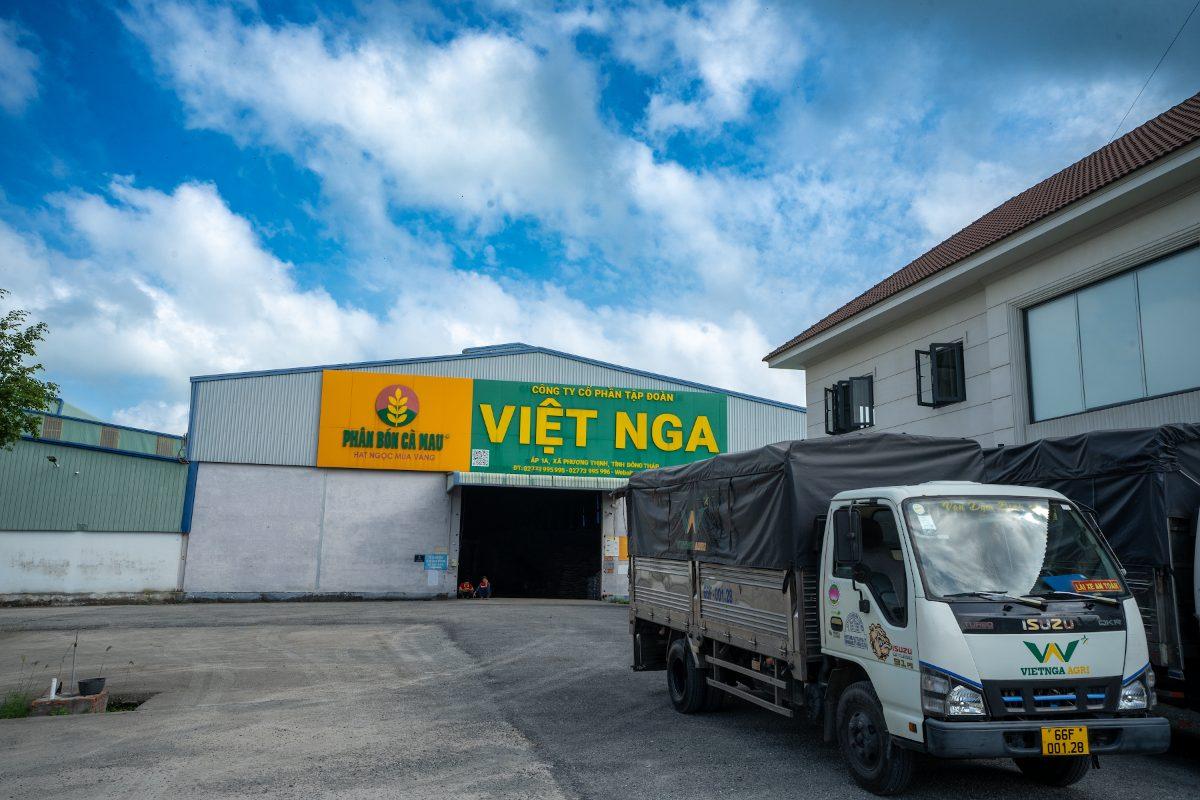
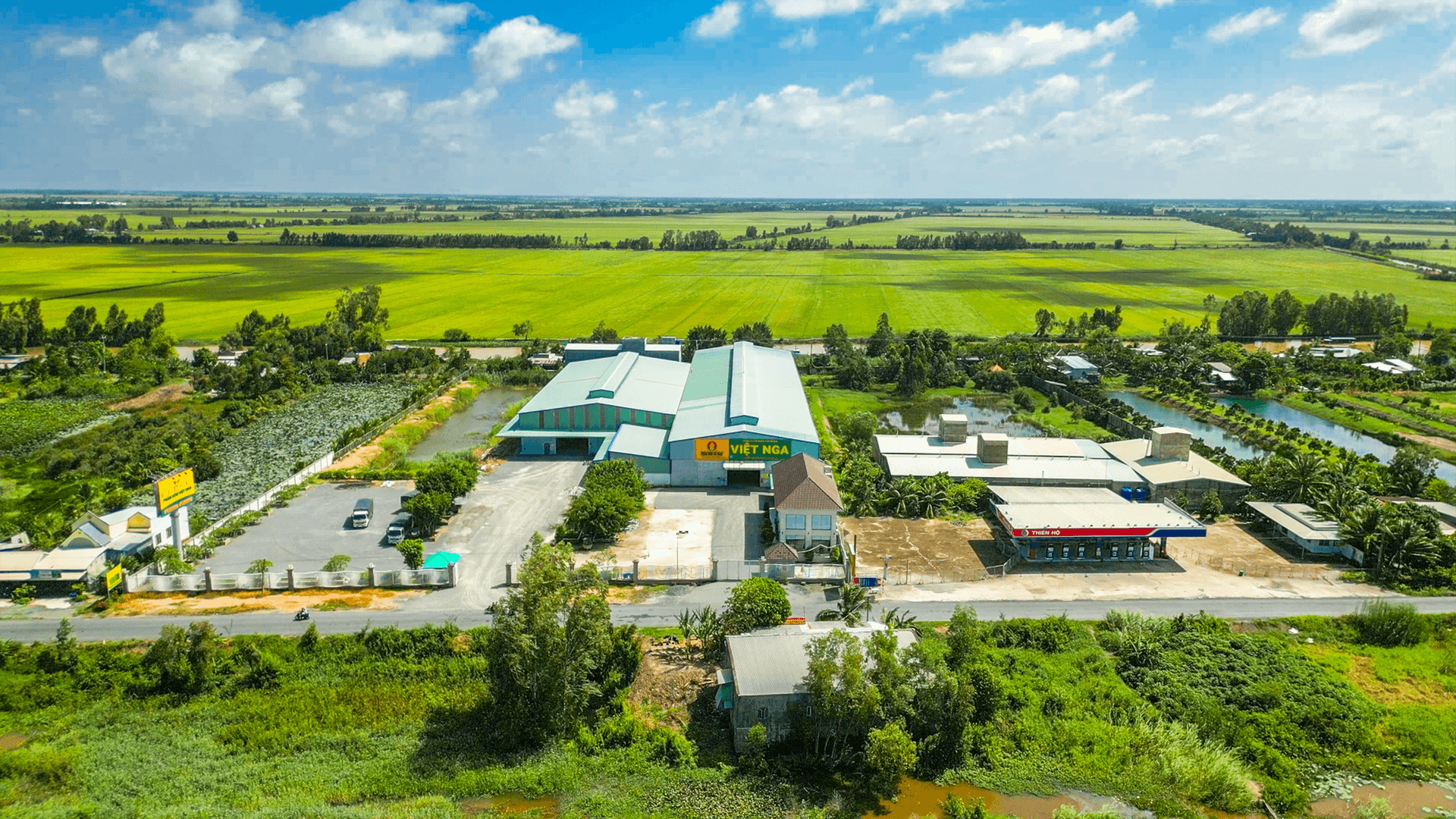
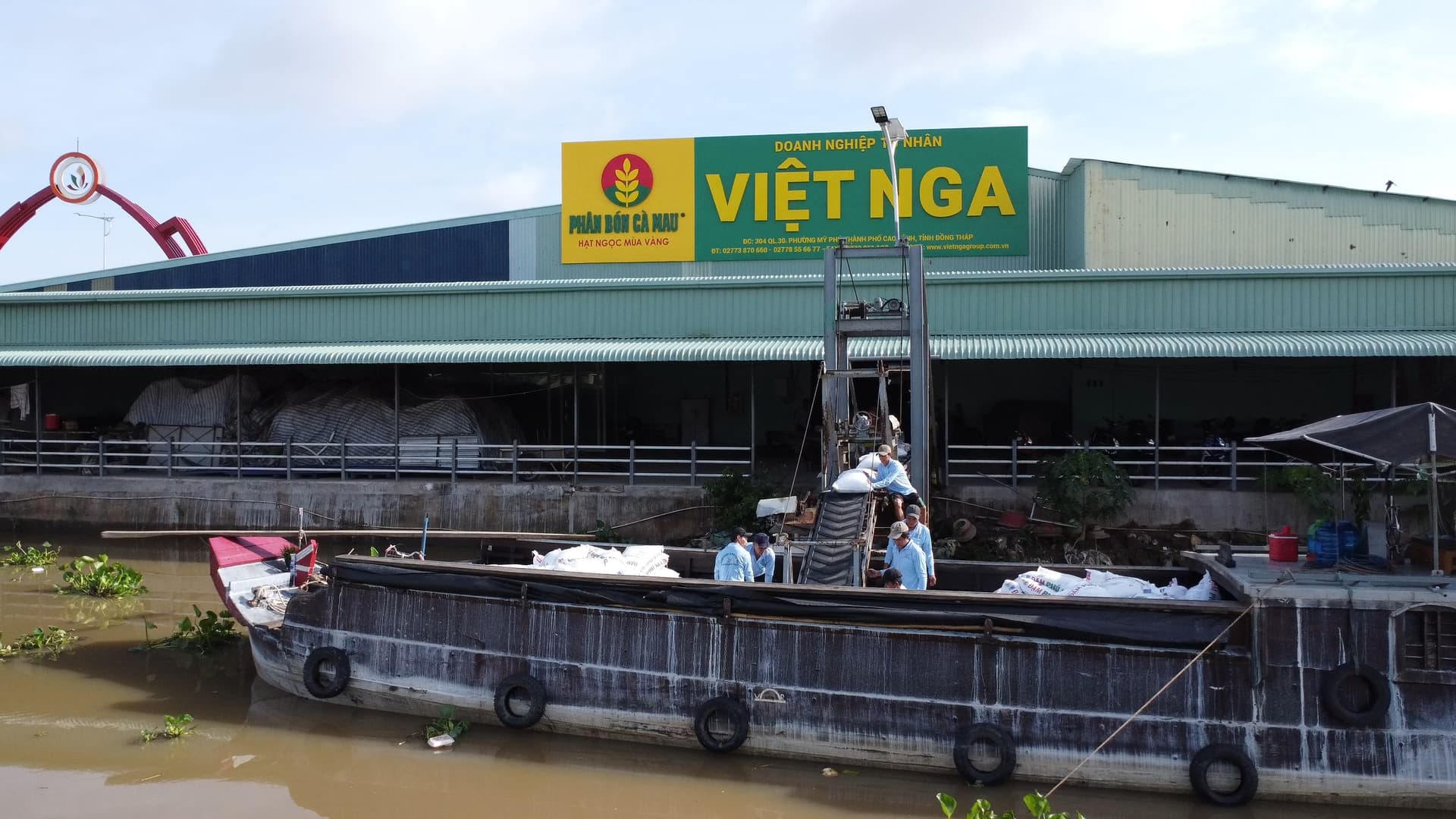
Viet Nga Group JSC (Viet Nga Fertilizer) began as a small fertilizer store in Dong Thap in 1993, so it understands the challenges of a new store owner. Today more than 700 dealers across the Mekong Delta source goods from Viet Nga:
- tier-1 distributor of Ca Mau Urea and Phu My Urea, more than 45,000 m² of factories and warehouses, with enough stock every season;
- its own ISO 9001:2015 certified factory, with products recognized as High Quality Vietnamese Goods in 2025 and 2026;
- products with exclusive distribution areas, and fertilizer under dealers' own brands;
- a team with you from day one: choosing products to suit your area and giving technical advice to farmers.

The policy for each dealer is advised individually according to area and needs. See also opening a fertilizer dealership with Viet Nga and the article experience in opening a fertilizer dealership.
Frequently asked questions
What percentage profit does a fertilizer business make?
There is no single rate for every store. Profit depends on the source of supply, product group, area and how you manage costs. The surest way is to calculate it yourself with the formula above for each product group, using the actual purchase prices you are quoted.
How much capital is needed to open a fertilizer store?
Capital depends on the store size, products and area. Leave your phone number in the registration form on this page and a Viet Nga specialist will advise based on your plan. You can also read opening a farm supply store from A to Z. See the estimate table in how much capital it takes to open a fertilizer store.
What should be sold alongside fertilizer?
The most common are crop protection products, seeds, foliar fertilizer and farm tools. Crop protection products have their own business conditions, so learn the regulations carefully before selling them.
Become a Viet Nga fertilizer dealer
Leave your phone number and our regional specialist will call you back about capital, products and paperwork.
- Tier-1 distributor of Ca Mau and Phu My urea – stock every season
- Own ISO 9001:2015 factory, Vietnamese High-Quality Goods
- Zoned products – no overlap with nearby dealers