
ACCOUNTING WITH FURTHER FARMERS
Proper Water Management for Winter-Spring Rice Crops
In rice cultivation, water management for the winter-spring rice crop is one of the key factors determining the success of the entire season. Let’s explore with Viet Nga Fertilizer how to properly manage water for the 2024 winter-spring rice crop!
1. The importance of proper water management for winter-spring rice crops.
Provide sufficient water for rice plants at each stage of growth.
Effective water management ensures that rice plants receive sufficient nutrients and oxygen, especially during the seedling and flowering stages. Maintaining a stable water level facilitates rice growth and guarantees yield.

Prevent the growth of weeds and pests.
Maintaining appropriate water levels at each growth stage helps prevent weeds and reduces the risk of pests and diseases attacking rice crops. Effective water management minimizes the use of pesticides and reduces care costs.
Save water and improve its efficiency.
In unpredictable weather conditions or droughts, proper water management helps farmers optimize irrigation water resources, avoid waste, and increase rice yields.
2. Proper water management for winter-spring rice crops.
Alternating wet and dry irrigation is an advanced water management method proposed by the International Rice Research Institute (IRRI) and recommended by the agricultural sector for farmers to implement during rice cultivation.
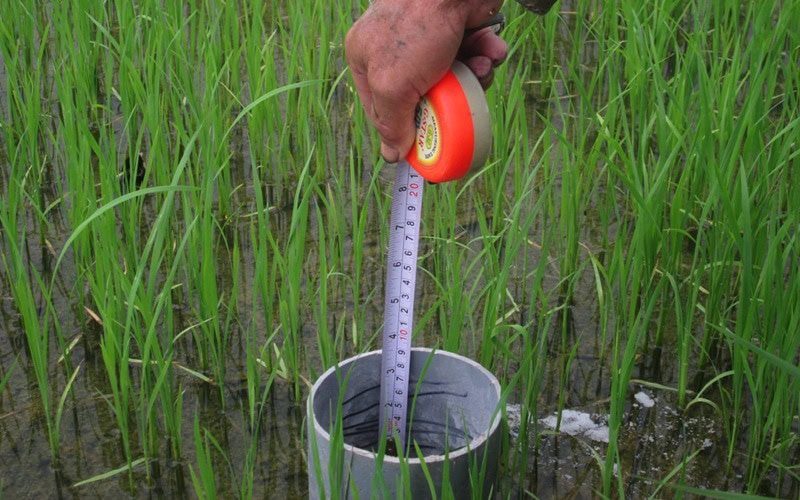
This technique helps save irrigation water, improves soil aeration, and enhances root development. As a result, rice plants are less prone to lodging, pests and diseases are reduced, and yields are increased. More importantly, this technique also helps reduce production costs, limit environmental pollution, and reduce greenhouse gas emissions, bringing sustainable benefits to farmers.
2.1. Water management for rice seedlings
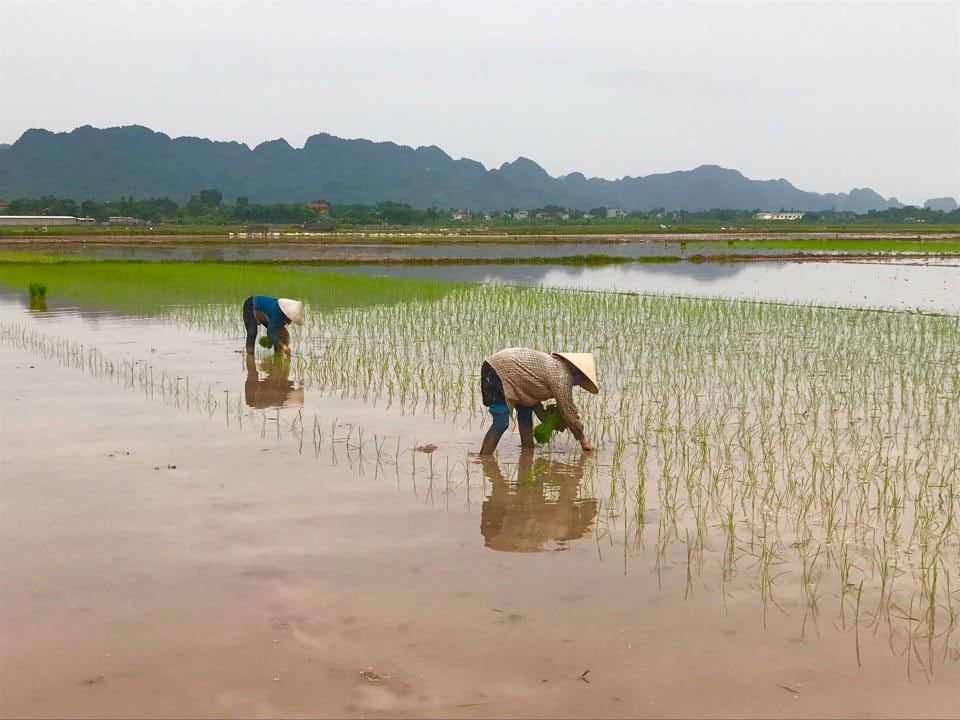
Before sowing, the field surface should be allowed to dry out to create the best conditions for seed germination. During the period from germination to tillering, only a water level of 1-3 cm is needed to ensure good plant growth and nutrient absorption.

2.2. Water management for rice during the tillering stage.
Rice plants begin to tiller about 15-20 days after sowing for the winter-spring crop.
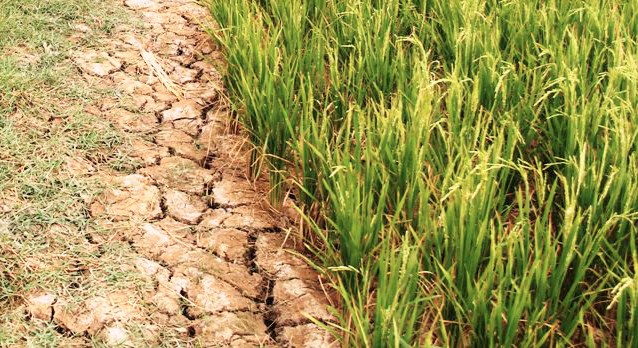
During this stage, simply maintain a shallow water level of about 3-5 cm above the surface of the field, as excessively deep water will affect the rice’s tillering ability. From the peak tillering stage until the panicle initiation, apply the “alternating wet-dry” irrigation method, meaning flood the field with water, allow it to dry naturally, and then re-flood when the field is slightly cracked.
2.3. Water management for rice plants from tillering to heading and milk ripening stages.
Rice plants typically begin to flower after about 40-45 days with short-day varieties.
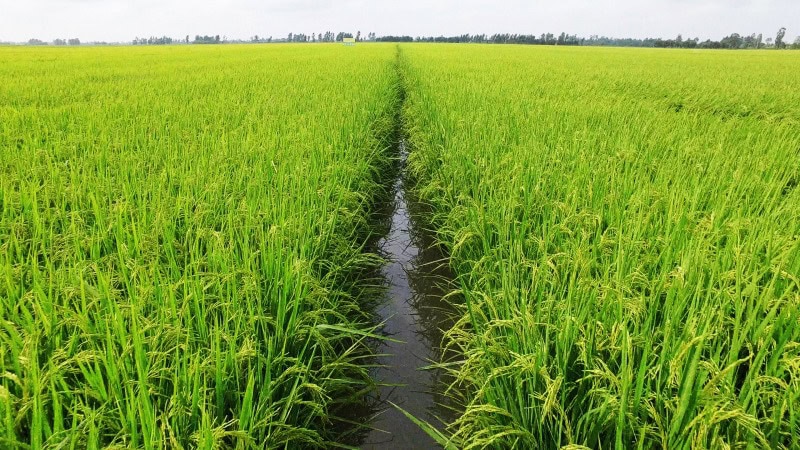
From this stage until flowering and milk ripening, rice requires plenty of water. To ensure optimal growth, avoid letting the field dry out. Rotate irrigation and maintain a water level of 5 cm above the field surface. If the field dries out, replenish the water immediately to ensure healthy plant growth and high yields.
2.4. Water management for the rice ripening and harvesting stages.
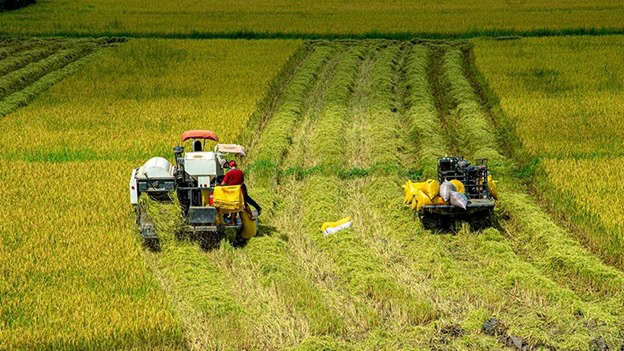
To prepare for the harvest, when the rice begins to ripen (10-12 days prior), the water should be drained from the field to allow the surface to dry.
This makes harvesting easier, reduces lodging of the rice plants, and facilitates subsequent stages, ensuring the quality and yield of the crop.
Notes on water management for winter-spring rice crops.
– Increase field visits and maintenance of rice paddies, paying attention to water levels in the fields to take timely action.
– It is advisable to combine irrigation with fertilization for rice crops.
Conclusion
Proper water management throughout the winter-spring crop season not only contributes to ensuring stable rice yields but also helps reduce production costs and protect the environment. Ensuring the right amount of water at each stage of rice plant development helps the plants stay healthy and withstand adverse weather conditions and diseases.
See also: Pocket Guide to Water Management Methods to Keep Rice Plants Healthy and Minimize Pests and Diseases

Related news
Caring for the Winter-Spring Rice Crop to Ensure Large, Firm Grains

Secrets to Helping Rice Plants Stay Healthy Right From the Start of the Winter-Spring Crop Season
Proper Water Management for Winter-Spring Rice Crops

Tips for Effective Fertilization of the Winter-Spring Rice Crop

What kind of fertilizer should I use to make my banana tree flower and produce large fruits?