
ACCOUNTING WITH FURTHER FARMERS
Tips for Effective Fertilization of the Winter-Spring Rice Crop
The winter-spring rice crop is one of the most important seasons of the year, bringing in a large income for farmers. To ensure a bountiful harvest, proper fertilization plays a crucial role, helping rice plants grow healthily, achieve high yields, and produce good quality crops.
Below are some effective fertilization tips for the winter-spring rice crop that Viet Nga Fertilizer wants to share to help farmers have a bountiful harvest.

- Proper fertilization techniques for winter-spring rice crops.
1. Fertilization regime for winter-spring rice
The fertilization regime for rice is divided into three important periods as follows:
– Applying base fertilizer before sowing or transplanting helps provide initial nutrients for strong and healthy rice plant growth.
– Apply fertilizer during the tillering stage, which is crucial in determining the number of effective panicles and ensuring optimal rice panicle density for high yields.
– Top dressing during the panicle initiation stage aims to supplement nutrients for the flowering and grain development process, resulting in fuller, higher-quality rice grains.
Proper and complete implementation of these steps will significantly contribute to improving the productivity and quality of rice products.

- Apply fertilizer to the winter-spring rice crop according to the correct procedure for best results.
2. Applying base fertilizer to winter-spring rice crops.
Base fertilization enriches the soil with nutrients after the previous crop, creating favorable conditions for seedlings to develop well and contributing to the yield of the new crop.
Farmers apply base fertilizer to rice plants 7-10 days before sowing. This is a crucial stage to provide sufficient nutrients for the plants during their initial growth.
Farmers can refer to the article “Guide to Effective Base Fertilization for Rice Fields” for more information.
3. Apply fertilizer to promote tillering in winter-spring rice crops.
Tillering is a crucial stage that determines the number of effective rice panicles per square meter.
There are two suitable stages for applying topdressing fertilizer to rice:
Rice stage when it is 8-12 days old:
Use 10-15 kg/1000m2 of NPK 22-15-8 +TE fertilizer specifically designed for rice tillering.
Rice stage when it is 18-22 days after sowing:
During this stage, rice requires a lot of nitrogen and phosphorus, so use 12-17 kg/1000m2 of NPK 22-15-8 +TE fertilizer. Farmers should pay attention to the appropriate dosage based on the total area being fertilized.

4. Apply topdressing fertilizer to promote panicle initiation in winter-spring rice crops.
The heading stage is crucial for determining the number of grains per ear. Therefore, fertilization should be done correctly during this period to achieve high effectiveness.
Fertilizing at the heading stage is extremely important and determines the overall yield of the rice crop. Careful care is needed during this time to achieve a high yield for the season.
There are three criteria for deciding when to apply fertilizer to promote panicle initiation in rice plants:
1. Based on the number of days after sowing, depending on the variety.
The appropriate time for applying fertilizer is 40-45 days after sowing.
2. Based on the panicle stage, the best time to fertilize is when the panicle (the bud) has formed to a length of 1-3 mm.
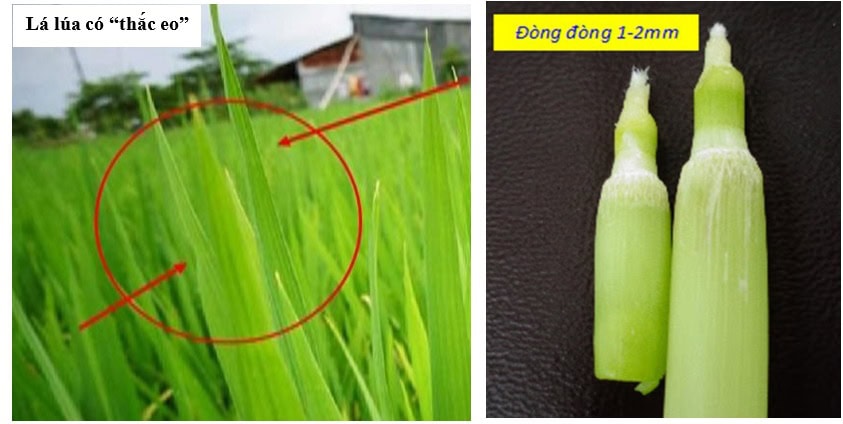
3. The condition of the rice plant, when the rice leaves turn a yellowish-green color.
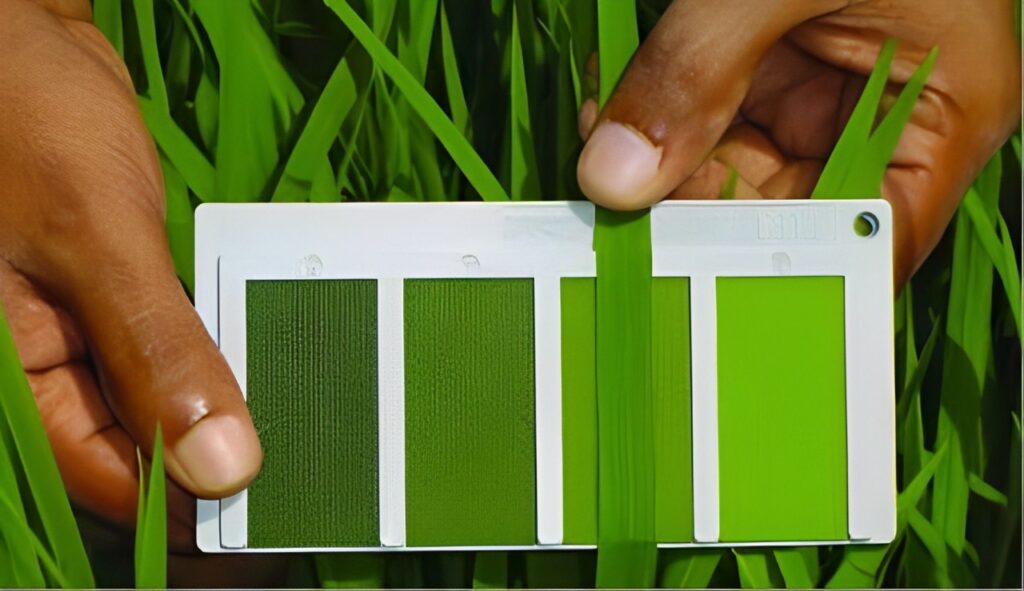
The amount and type of fertilizer needed for panicle initiation are determined based on the color of the rice leaves and root system.
During the heading stage, supplementing with NPK fertilizer high in potassium helps to produce long panicles, bright and firm grains, and reduce lodging. Approximately 15-20 kg/1000 m² of NPK 19-7-25 + TE fertilizer will meet the high demand for nitrogen, potassium, and essential micronutrients for rice during this stage.

Farmers can refer to the Viet Nga specialized rice fertilization process below!

5. Notes on fertilizing winter-spring rice crops.
– Observe the conditions before fertilizing and use a rice leaf color chart to adjust the amount of fertilizer accurately, helping to save and increase fertilizer efficiency.
– Avoid applying fertilizer, especially nitrogen fertilizer, during heavy rains, when the temperature is below 18°C, or when the rice plants are diseased, to prevent damage to the crop.

- Implement a rational and balanced fertilization method for winter-spring rice to achieve high yields.
– If the rice plants are growing well but the leaves are soft and the plants are weak, reduce nitrogen fertilizer and increase phosphorus and potassium fertilizers to help the plants become stronger and prevent lodging.
– Avoid applying fertilizer too many times, as this causes the rice plants to tiller sporadically, affecting yield.
Conclusion
Proper and effective fertilization of the winter-spring rice crop plays a crucial role in improving agricultural productivity and quality. By applying the fertilization tips shared by Viet Nga Fertilizer, farmers will have suitable cultivation methods, leading to a bountiful winter-spring rice harvest.
Wishing you all success!

Related news
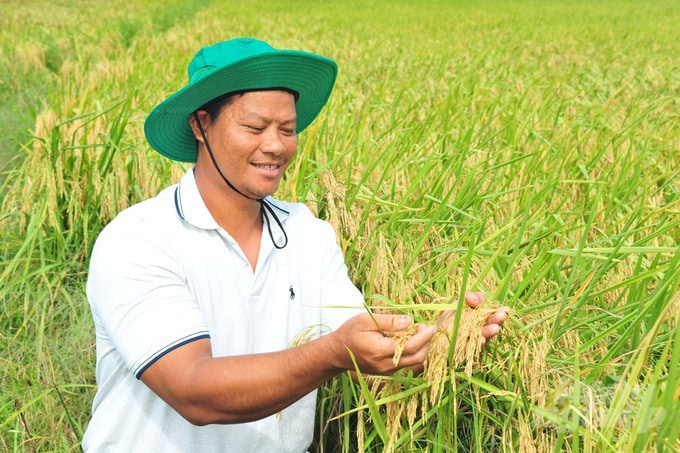
Caring for the Winter-Spring Rice Crop to Ensure Large, Firm Grains

Secrets to Helping Rice Plants Stay Healthy Right From the Start of the Winter-Spring Crop Season
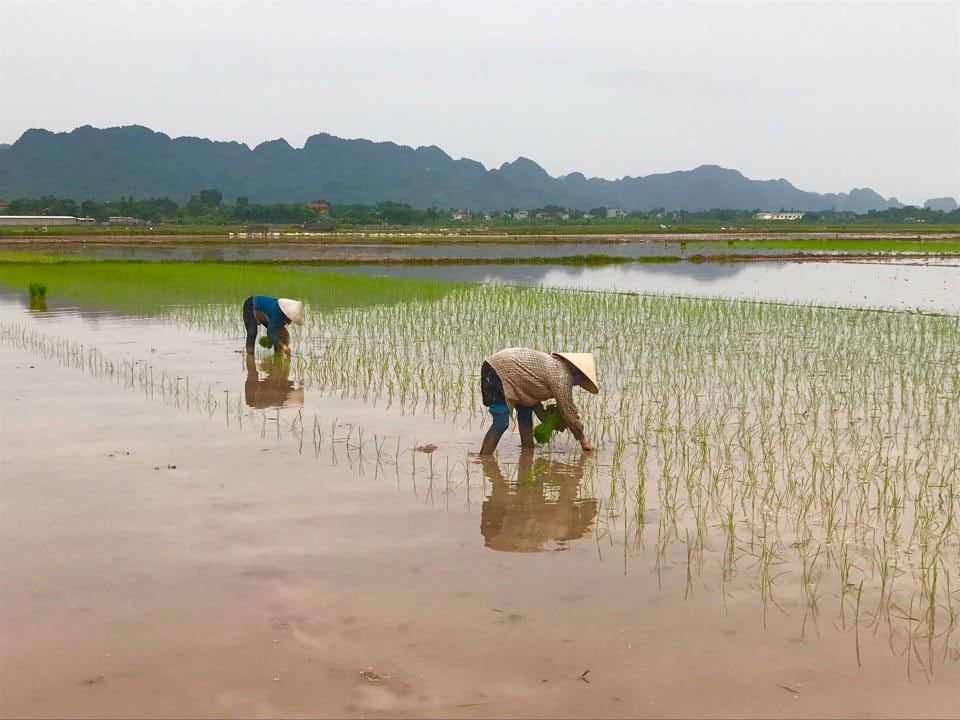
Proper Water Management for Winter-Spring Rice Crops
Tips for Effective Fertilization of the Winter-Spring Rice Crop

What kind of fertilizer should I use to make my banana tree flower and produce large fruits?