
ACCOUNTING WITH FURTHER FARMERS
What kind of fertilizer should I use to make my banana tree flower and produce large fruits?
When it comes to banana cultivation, especially ensuring the plant flowers and produces large fruits, one crucial factor that cannot be overlooked is fertilization. To achieve high yields and good fruit quality, farmers need to know how to choose the right fertilizer for each stage of the plant’s development.
So, do you know which type of fertilizer helps banana plants flower evenly and produce large fruits? This article will help you find effective ways to fertilize to achieve bountiful harvests.
1. Nutritional requirements of banana plants
1.1. Essential nutrients for banana plant growth
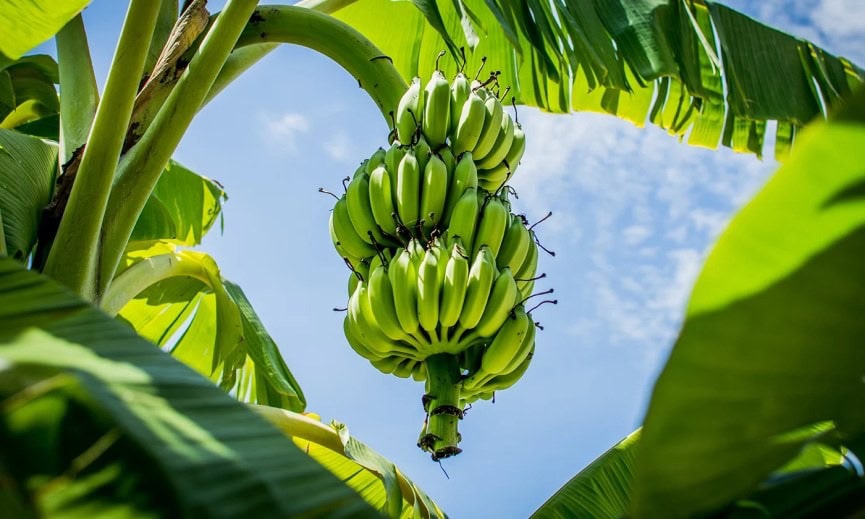
Of the three macronutrients, banana plants require the most potassium during the bunch development stage. Nitrogen and phosphorus are continuously absorbed from planting until bunch formation, while secondary and macronutrients are absorbed by banana plants during the flower formation stage.
In fact, potassium plays a key role in the synthesis of starch and protein, making it a crucial element in the nutrition of banana plants.
1.2. Symptoms of nutrient deficiency in banana plants.
– Symptoms of nitrogen (N) deficiency: Yellowing or pinking of the leaf stalk, stunted and thin leaves, small leaf stalks, short leaf growth period.
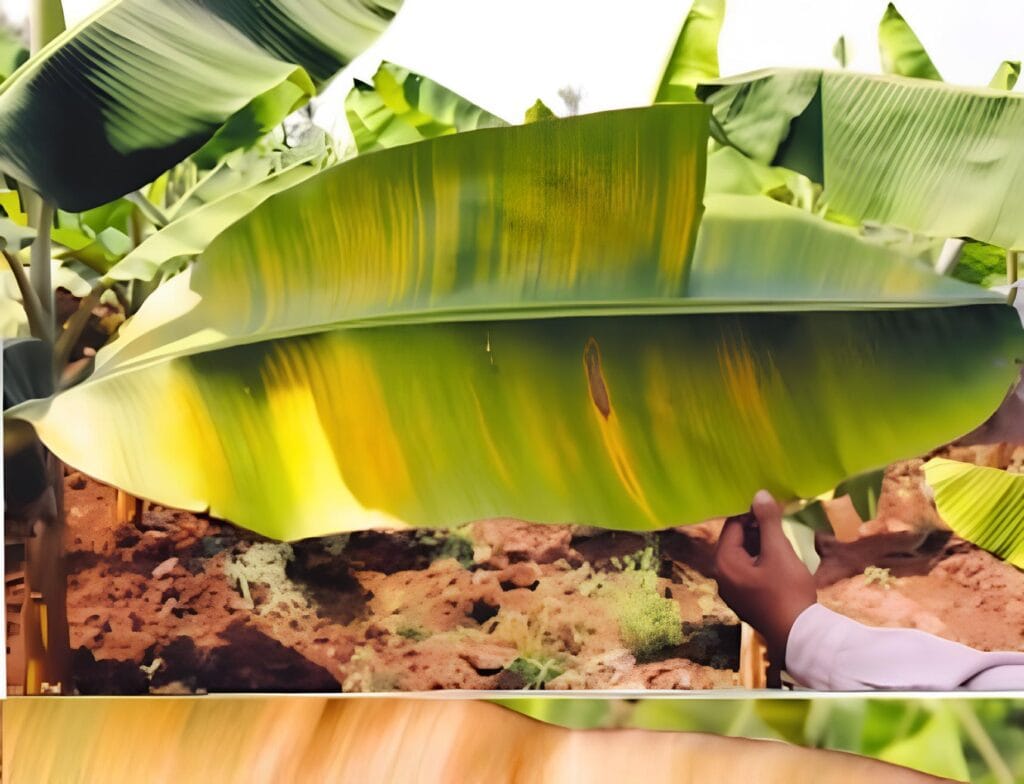
Banana plants are more sensitive to nitrogen deficiency than any other factor; nitrogen deficiency significantly reduces yield.
– Phosphorus (P) deficiency symptoms: On older banana leaves, the edges lose their color, brown patches appear, leading to necrosis.
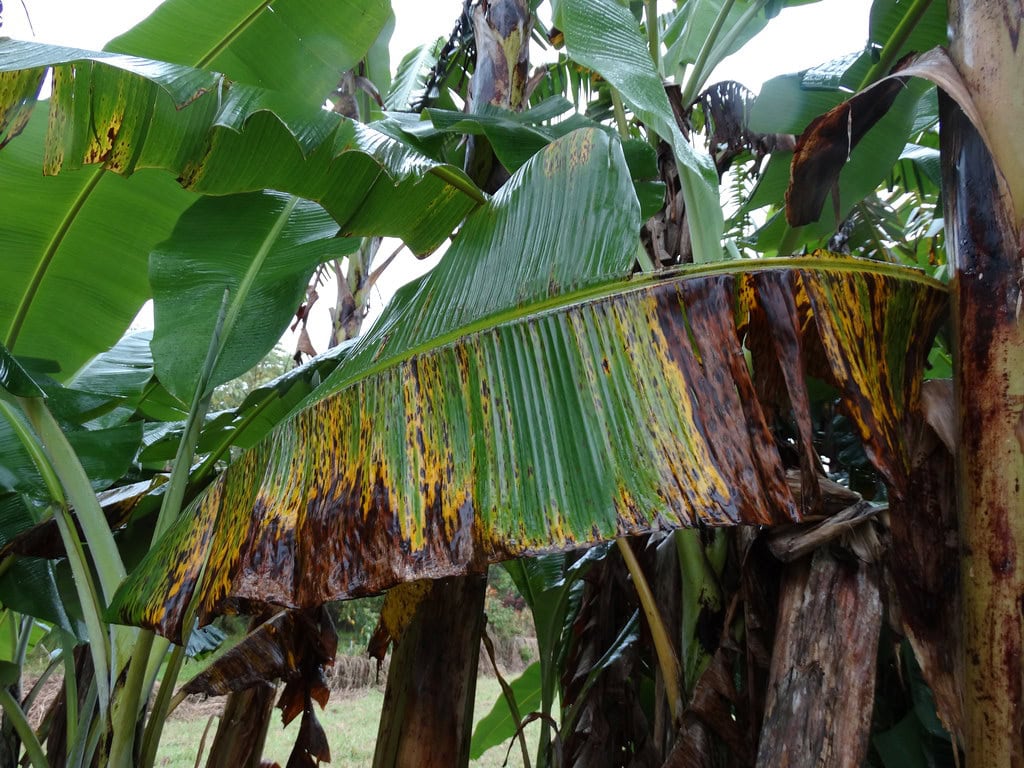
In severe cases, the leaves curl up and the petioles break, while the young leaves remain dark green.
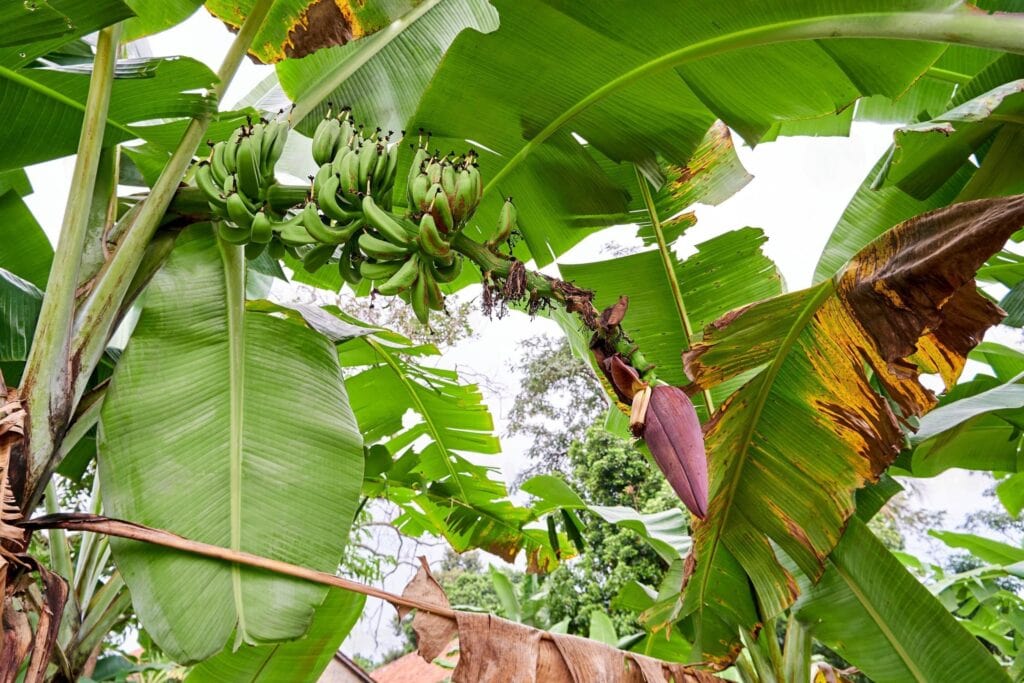
– Symptoms of potassium (K) deficiency: Small and yellow leaves, late flowering, small number of fruits per bunch, reduced fruit size.
2. Simple and highly effective fertilization methods for banana plants.
2.1. Amount of fertilizer
The average amount of fertilizer for 1 hectare of bananas is usually 200 kg N + 80 kg P2O5 + 200 kg K2O, depending on the soil type; if the soil is acidic, adding lime will be more effective. The amount of fertilizer for bananas depends on the harvest yield; for example, to harvest 32 tons of fruit/ha, banana plants remove 80 kg N; 49 kg P2O5; and 1,145 kg K2O from the soil.
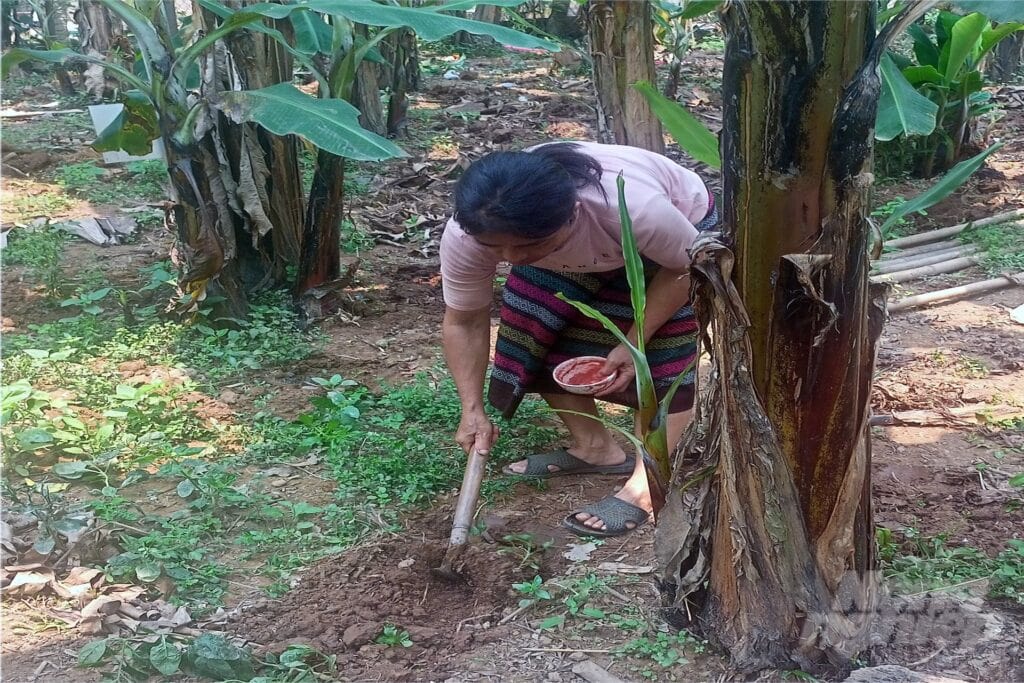
Bananas require a large amount of potassium. However, most of the nutrients are stored in the roots, tubers, stems, leaves, and especially in the bunch stalks and fruit peels. Therefore, after harvesting, these parts need to be returned to the soil.
Balancing nitrogen and potassium in bananas is crucial, as these two factors significantly contribute to banana yield. However, the ratio of calcium and magnesium is also very important for bananas, as these two elements enhance the effectiveness of potassium.
2.2. Recommended fertilizer dosage
Base fertilization: After backfilling, apply 10-15 kg of well-rotted manure, 60 g of urea, 145 g of SA, 200 g of superphosphate, and 200 g of potassium chloride to each banana plant. Dig a trench around the base of the plant, 20-30 cm away from the trunk, to sprinkle the fertilizer. Cover the fertilizer, mulch with straw, and water lightly to maintain moisture.
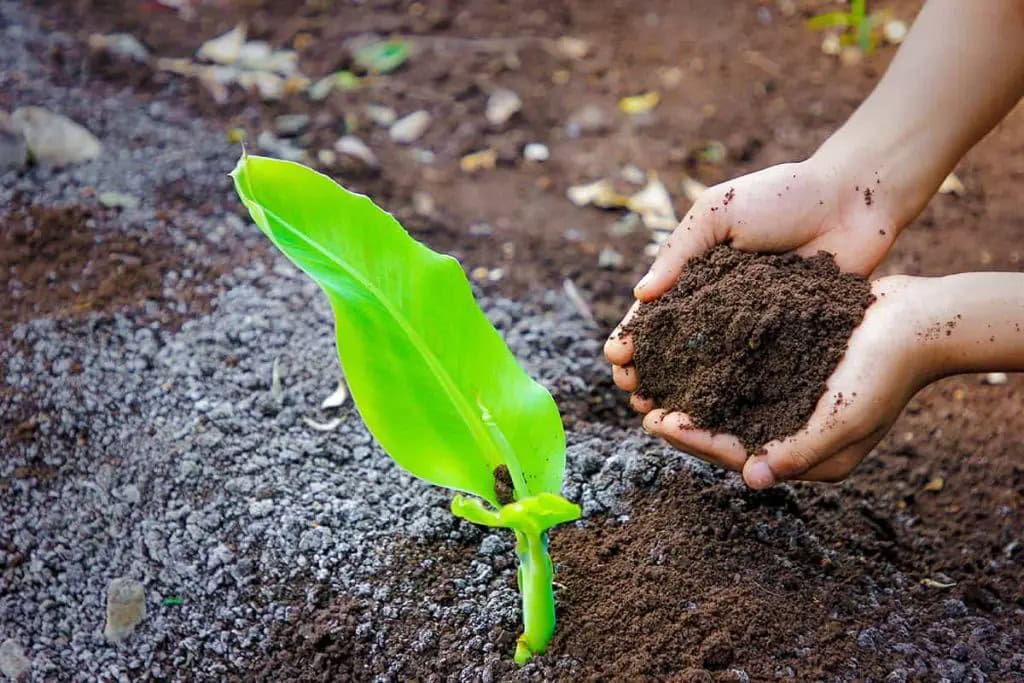
Top dressing: Apply fertilizer 3 times at 3 different stages:
– First application: One and a half to two months after planting, apply 500g of NPK 20-20-15 fertilizer per banana plant, spreading it evenly. Then, cover with soil and mulch with decomposed straw. Lime powder can be added if the soil is acidic.
– Second application: Approximately 5 months after planting, which is 1 month before the plant flowers.
– Third application: One month after the plant produces fruit.
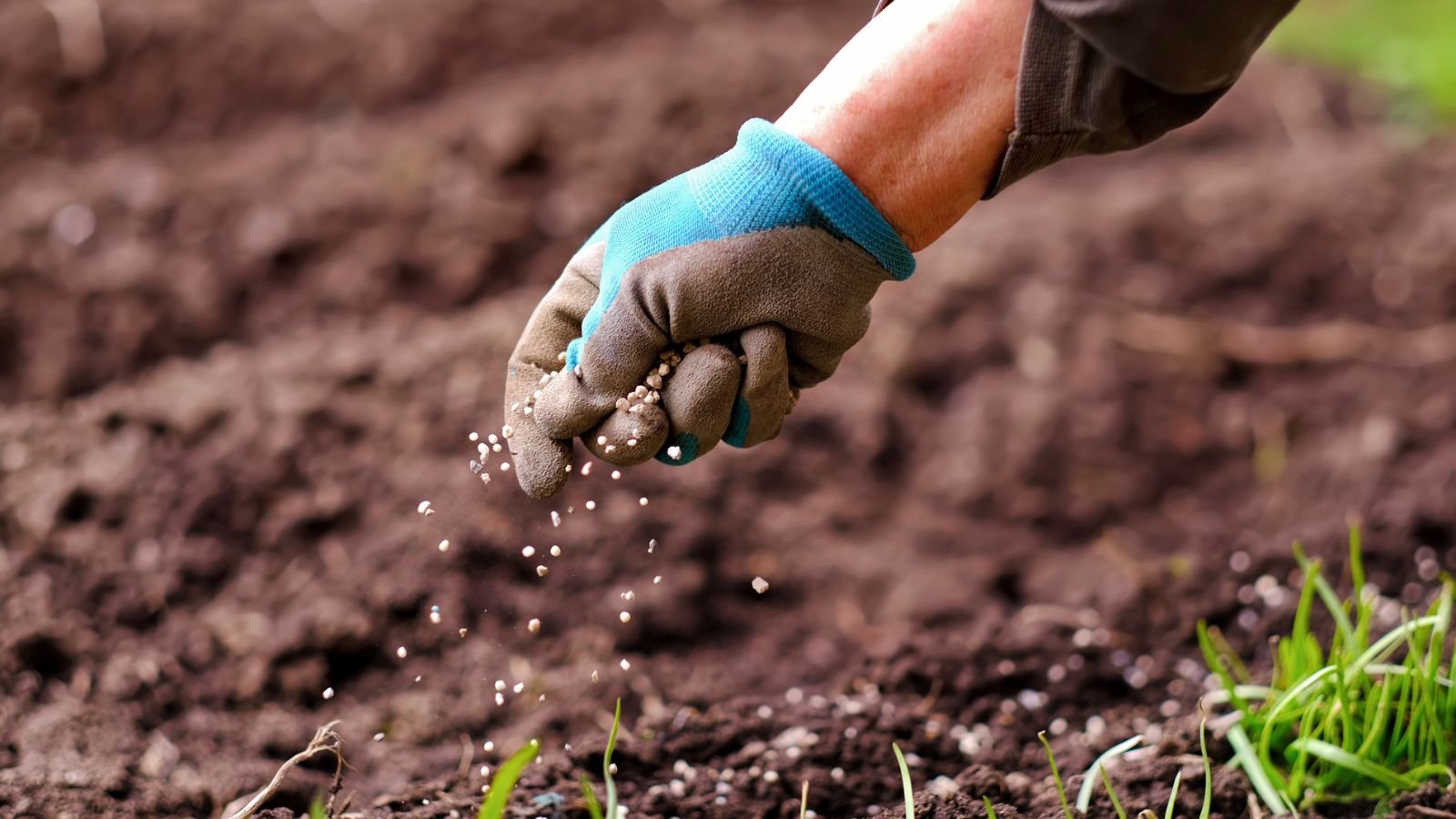
For the second and third fertilizations, use the same type and quantity of fertilizer: 100g nitrogen + 200g potassium per plant. Mix the two fertilizers thoroughly and sprinkle the mixture on the base of the plant. Then, water the plant.
For larger areas, fertilizer can be dissolved in a water tank and then a water pump can be used to evenly water the banana plants.
3. Notes on fertilizing banana trees
– Balanced fertilization for bananas not only contributes to increased yield but also helps improve the quality and color of the fruit.
– Avoid applying fertilizer to banana plants in a concentrated manner, as the fertilizer can be lost due to leaching and evaporation. Typically, the fertilizer is applied in multiple doses, spaced 2-3 months apart.
– Nitrogen fertilizer should be applied earlier than potassium fertilizer. Potassium fertilizer should be applied later and concentrated in the period before and after flowering.
– Organic fertilizers are beneficial for bananas because they help balance nutrients, enhance the effectiveness of potassium, and save farmers on fertilizer.
Conclusion
For banana plants to grow well, flower evenly, and produce large fruits, proper fertilization is essential. Choosing the right fertilizer not only helps banana plants achieve high yields but also ensures the best fruit quality. Remember to monitor the plant’s growth stages to adjust the amount of fertilizer accordingly.

With proper care, farmers are sure to harvest plump, high-yielding banana bunches. Viet Nga Fertilizer wishes you success!

Related news
Caring for the Winter-Spring Rice Crop to Ensure Large, Firm Grains

Secrets to Helping Rice Plants Stay Healthy Right From the Start of the Winter-Spring Crop Season

Proper Water Management for Winter-Spring Rice Crops

Tips for Effective Fertilization of the Winter-Spring Rice Crop
What kind of fertilizer should I use to make my banana tree flower and produce large fruits?