
ACCOUNTING WITH FURTHER FARMERS
Secrets to Helping Rice Plants Stay Healthy Right From the Start of the Winter-Spring Crop Season
The winter-spring crop is a crucial period in rice cultivation, largely determining the yield and quality of the harvest. To ensure healthy rice plant growth from the beginning of the season, farmers need a meticulous care strategy, from land preparation and seed selection to water and nutrient management.
Viet Nga Fertilizer would like to share some tips to help farmers make the best preparations, laying the foundation for a bountiful and high-quality rice harvest, in the following article.
1. Prevent pests from affecting rice plants right from the beginning of the season.
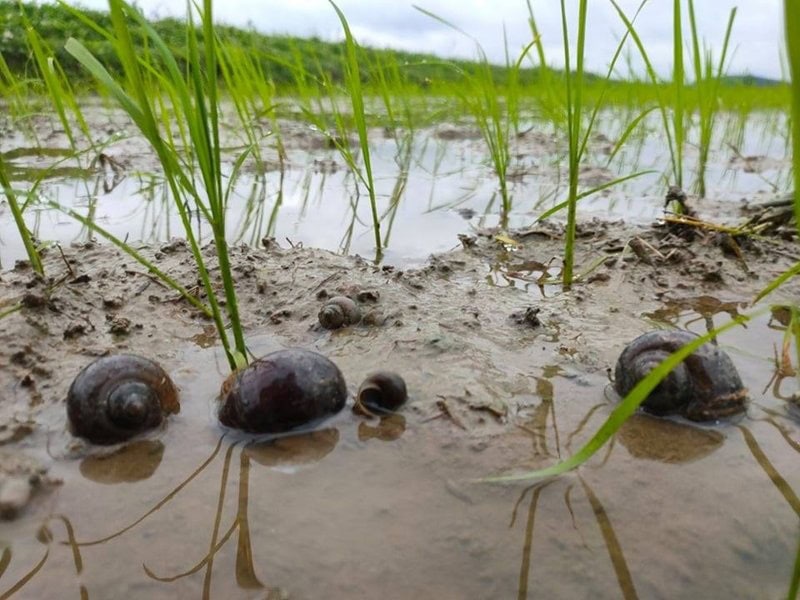
To protect rice crops from the beginning of the season and ensure high yields, proactive pest prevention is crucial. Farmers need to eliminate weeds to reduce competition for nutrients and space, helping the rice grow better. At the same time, controlling golden apple snails using integrated methods such as manual collection, traps, and specific pesticides will limit the impact of this pest on the rice crop.
2. Create a healthy foundation for rice plants right from the start of the season.
– Choose rice varieties with high resistance: Select varieties that are resistant to pests and diseases and have good tolerance to environmental conditions such as acidity, salinity, or drought.
– Ensure good and healthy seed germination: Do not use rice from diseased fields as seeds; choose rice fields with sufficient nutrients or use certified seeds.
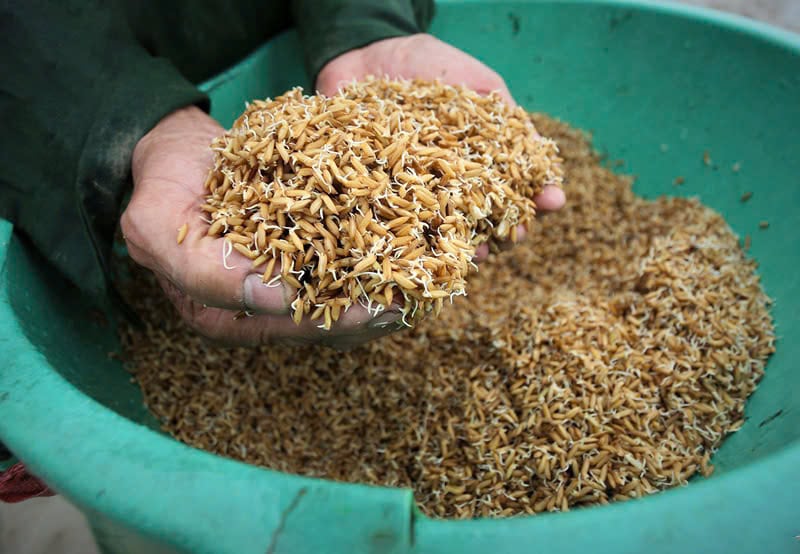
– Strengthening rice plants: Treating seeds with root-stimulating agents promotes strong root growth, helping rice plants develop deep roots and absorb more nutrients, increasing their resistance to pests, diseases, and adverse environmental conditions.
3. Create a suitable living environment for rice plants right from the beginning of the season.
– Weather conditions and irrigation water: The weather and irrigation water at the beginning of the winter-spring crop season are most suitable and favorable for rice growth and development compared to other seasons of the year.
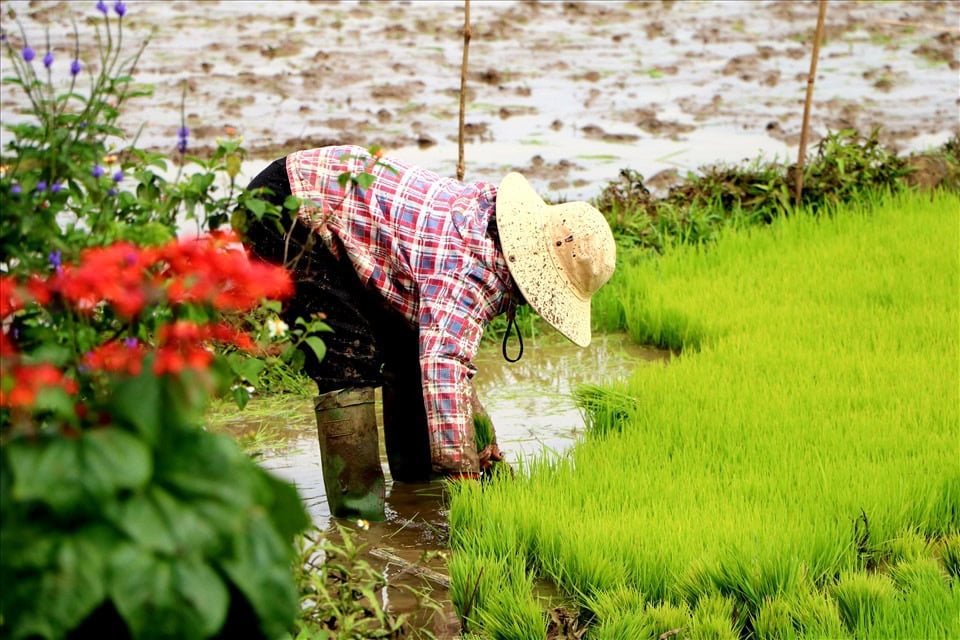
– To minimize organic poisoning in rice plants, follow these principles: prevention, neutralization of toxins, and enhancement of the rice plant’s resistance:
(a) Preventing organic poisoning: Remove rice stubble, weeds, and rice tillers from the field if early planting is desired. If the organic materials are to be harrowed and buried in the soil, allow at least 3 weeks for them to decompose;
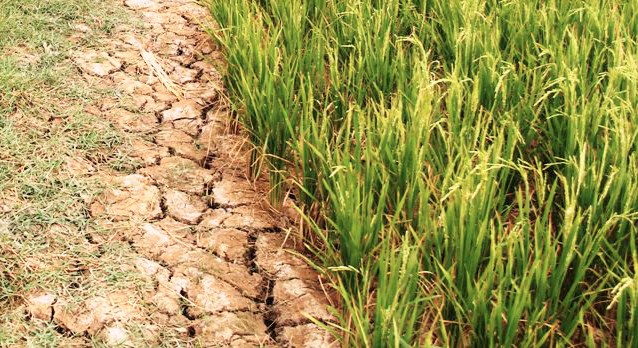
(b) Detoxification of organic toxins: Two weeks after sowing the rice, drain the water from the field until the soil cracks, then pump in fresh water and repeat this process when the rice plants are four weeks old;
(c) Enhance the resistance of rice plants by providing nutrients such as calcium, phosphorus, and silicon.
4. Provide sufficient nutrients to the rice plants right from the beginning of the growing season.
In the early stages, rice plants receive nutrients from two main sources: the seed itself (endosperm) and the soil environment.
For the first 10 or 11 days after sowing, rice seeds need sufficient water and air to provide energy for the seedlings. Therefore, after sowing, the soil must be sufficiently moist and aerated to supply the seeds and prevent microorganisms in the soil from sharing these nutrients with the young seedlings.
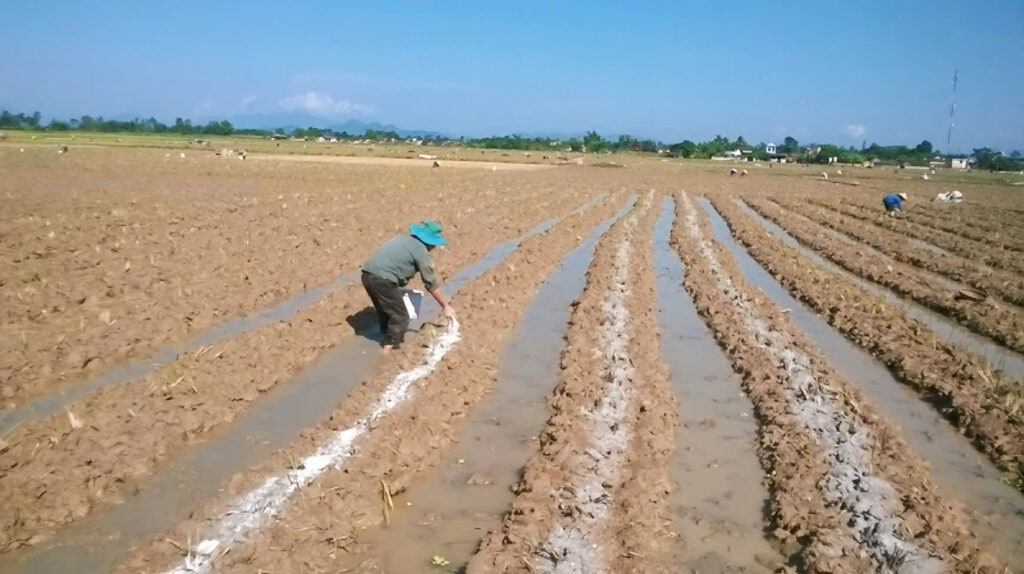
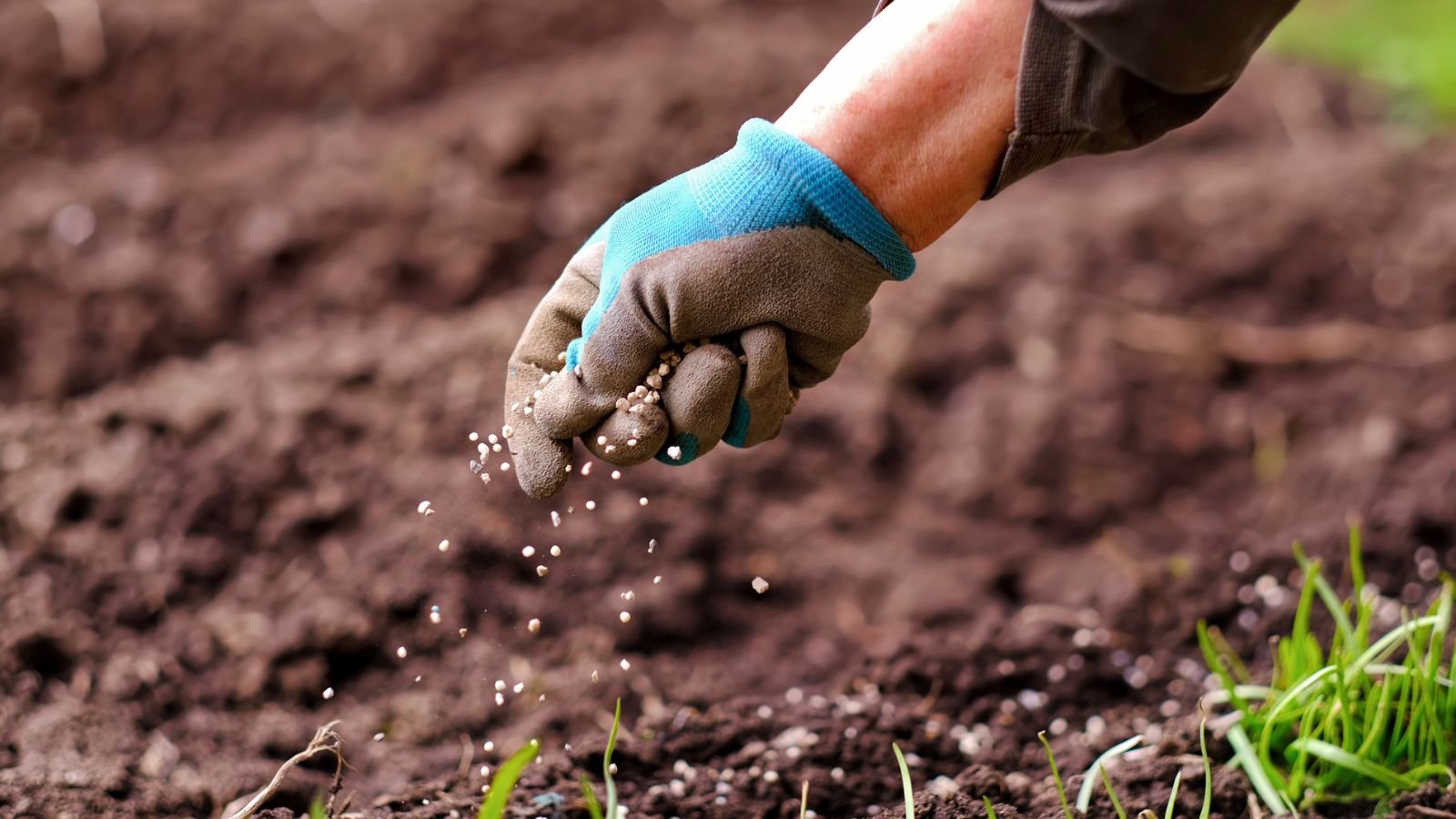
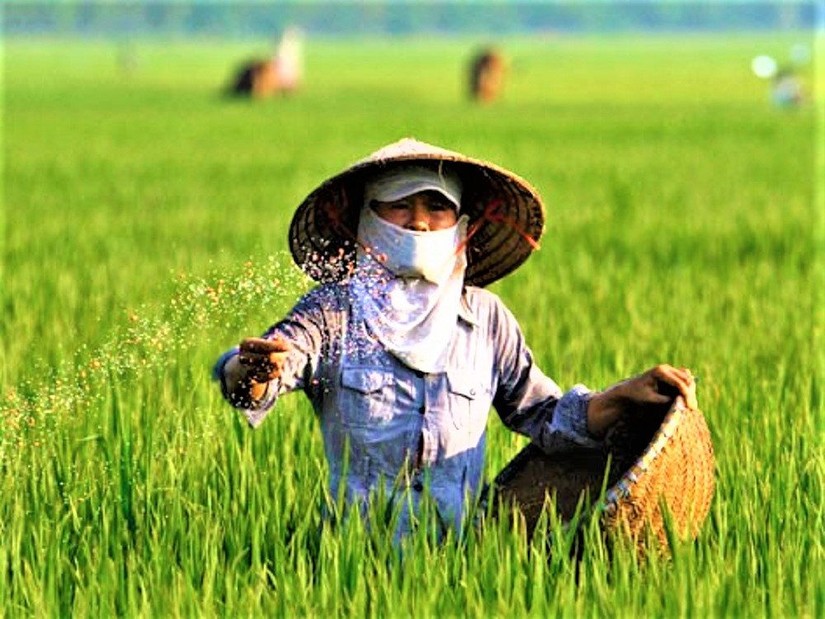
To ensure healthy rice plants from the beginning of the season, in addition to the nutrients provided by the rice grains, the rice roots must quickly absorb nutrients from the soil. Therefore, it is necessary to apply lime as a base fertilizer at a rate of 25-50 kg/hectare, and apply all of the phosphorus fertilizer and a portion of the potassium fertilizer during land preparation.
Conclusion
Caring for rice plants from the beginning of the winter-spring season requires meticulous attention and understanding of each stage of plant development. With the above tips, we hope that farmers can successfully apply them to ensure healthy rice growth, good resistance to pests and diseases, and high yields.
Viet Nga Fertilizer wishes all farmers a bountiful harvest, yielding high-quality rice, bringing stable income, and a better life.
Related news
Caring for the Winter-Spring Rice Crop to Ensure Large, Firm Grains

Secrets to Helping Rice Plants Stay Healthy Right From the Start of the Winter-Spring Crop Season
Proper Water Management for Winter-Spring Rice Crops

Tips for Effective Fertilization of the Winter-Spring Rice Crop

What kind of fertilizer should I use to make my banana tree flower and produce large fruits?