
ACCOUNTING WITH FURTHER FARMERS
Fertilizing Cantaloupe Plants with Viet Nga Fertilizer
To achieve the best yield and fruit quality, proper fertilization of cantaloupe plants is extremely important. Fertilization not only helps the plants grow healthily, flower evenly, and set fruit well, but also improves their resistance to pests, diseases, and adverse weather conditions.
In this article, Viet Nga Fertilizer will provide detailed instructions on the fertilization stages for cantaloupe plants so that farmers can apply them and achieve a bountiful harvest.
1. Growth characteristics of the cantaloupe plant
Cantaloupe thrives in warm, dry climates with plenty of sunlight. Being a heat-loving plant, cantaloupe is easy to grow even during dry seasons with little rain.
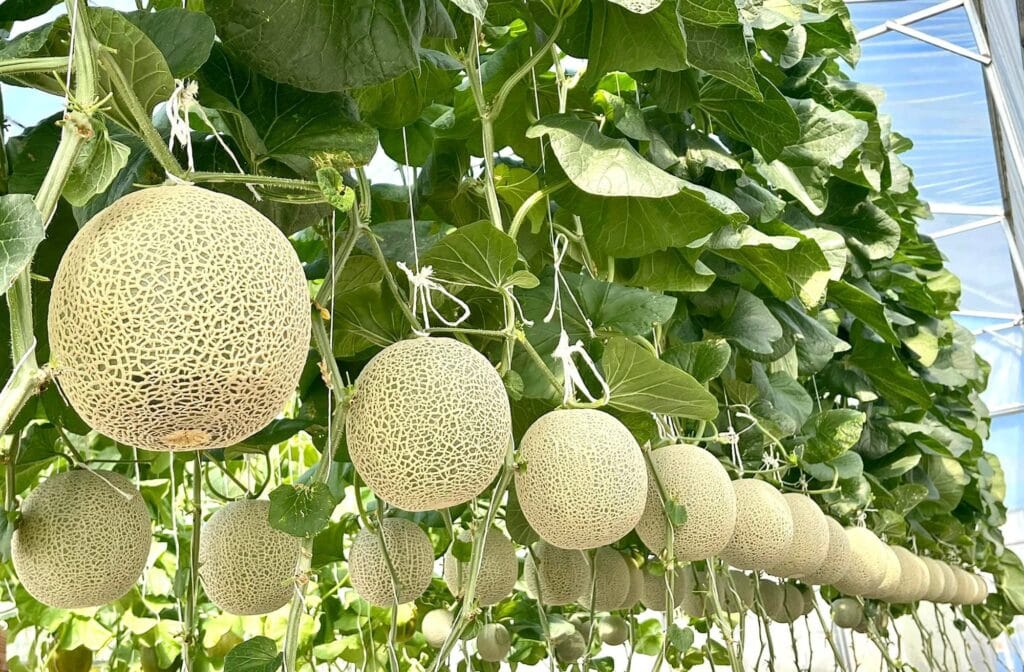
The ideal season for growing cantaloupe is from February to September each year. Cantaloupe should not be planted in cold, cloudy weather because it will grow slowly, be more susceptible to pests and diseases, and result in low yields.
2. What is the most suitable fertilizer for cantaloupe plants?
Similar to growing other vegetables or fruit trees, growing cantaloupe also follows certain steps such as selecting quality seeds, mixing the growing medium, weather conditions, irrigation amount… and especially fertilization methods.
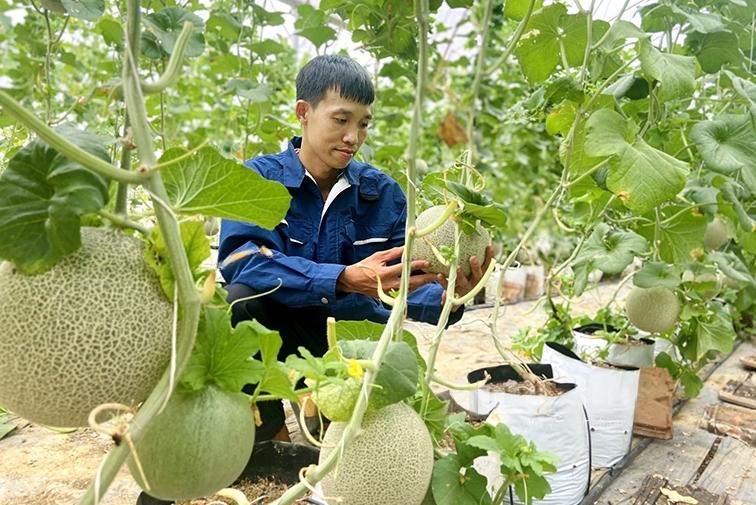
- Properly fertilizing plants under netting will help them grow and develop healthily.
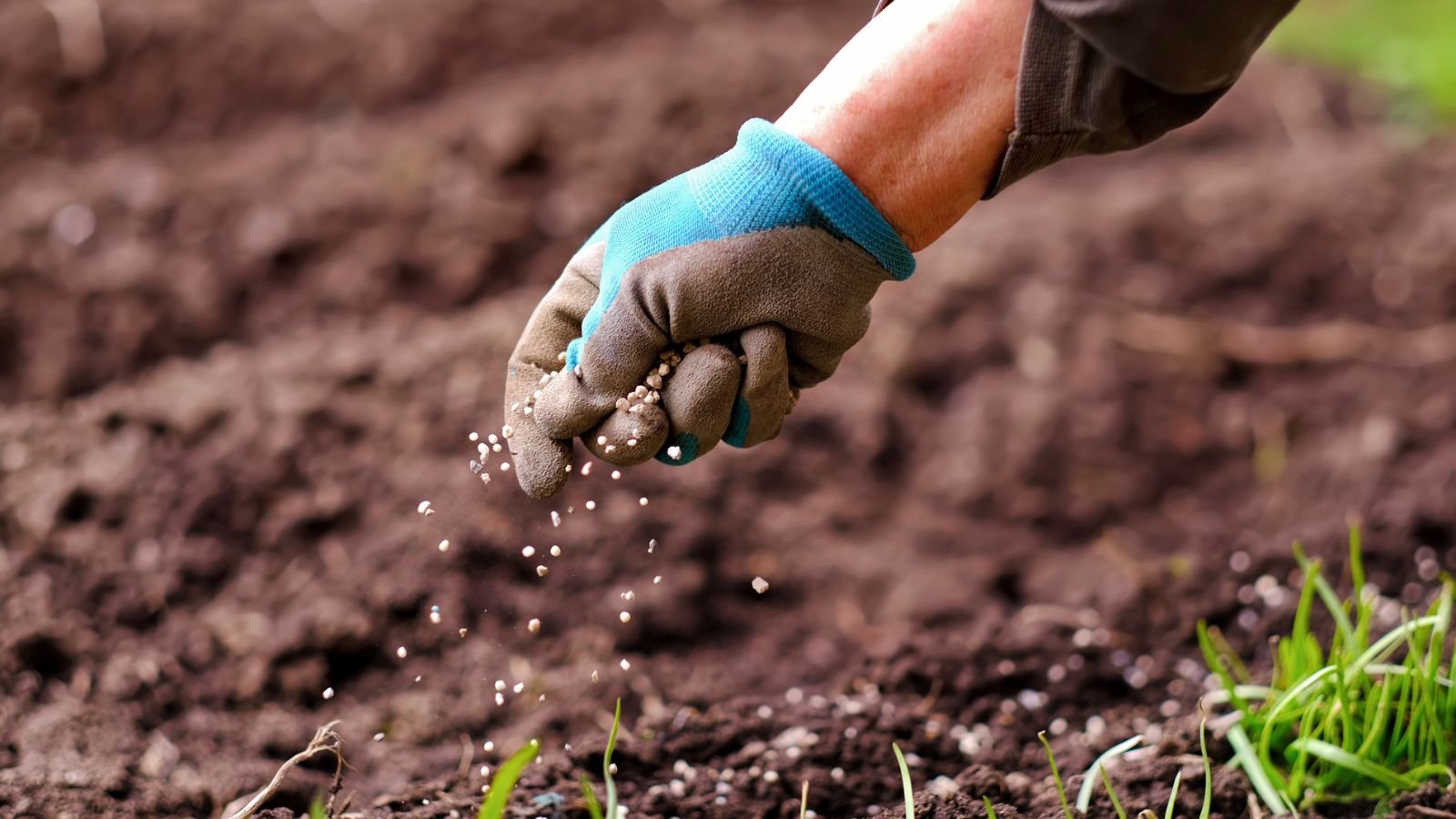
In addition to applying some organic fertilizer as a base dressing, people should also combine it with NPK fertilizer to help the plants receive sufficient nutrients, resulting in more flowers and a higher fruit set rate.
– Four days after transplanting the potted seedlings, begin fertilizing them with plenty of nitrogen to help them become stronger and develop evenly in branches, stems, and leaves. The fertilizer mixture should be as follows: 10 grams of urea + a small amount of DAP fertilizer mixed with 10 liters of water. Re-fertilize after 4-5 days, increasing the amount of nitrogen depending on the age of the plant. When the plant has 5-6 true leaves, begin constructing a trellis for the cantaloupe.
– When the plant begins to climb the trellis, add NPK 20-20-15 or NPK 16-16-8 fertilizer to help the plant become stronger, strengthen its root system, and increase its resistance to diseases and pests.
– After 20 days, the plants are preparing to enter the flowering stage. At this stage, the plants have the highest demand for boron, so combining it with
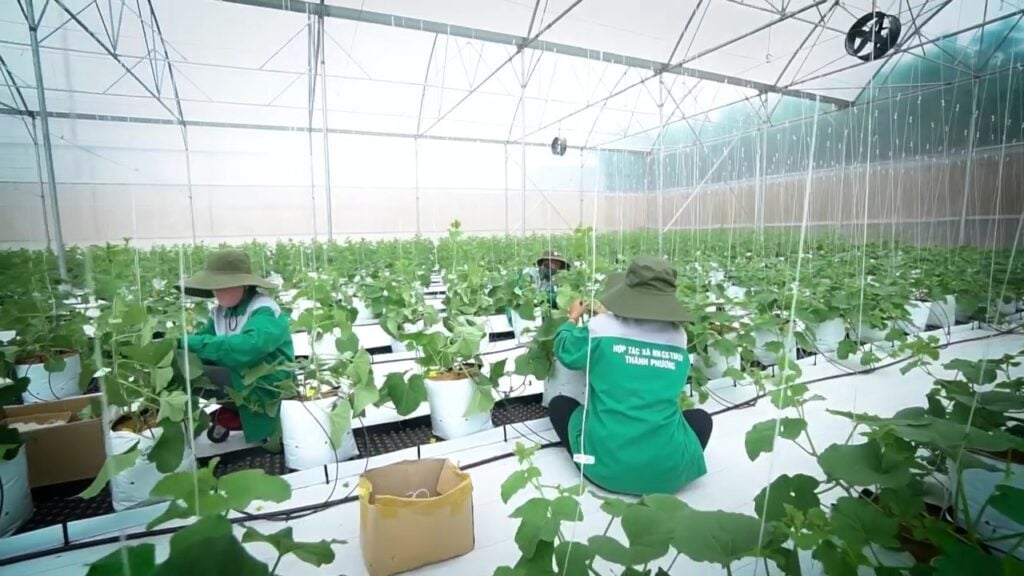
- When caring for cantaloupe plants, farmers need to pay attention to the amount of fertilizer applied.
Once the fruit has successfully set, avoid overwatering and ensure good drainage. About 10 days later, apply additional NPK fertilizer with a high potassium content to increase yield and fruit quality, such as 15-5-20, about 10 grams per plant, 20 cm away from the base.
During this fruit development stage, you can spray with Calcium Boron to supplement the plant with calcium, reducing the occurrence of fruit cracking.
Three days before harvest, reduce watering and fertilization, only watering enough to keep the soil moist, to ensure the cantaloupe retains its natural sweetness and crispness.
3. Notes on fertilizing cantaloupe plants
NPK fertilizers are the choice of many people for producing high-quality cantaloupe, but farmers can also choose organic fertilizers to supplement nutrients for the plants and increase the natural sweetness of the fruit.
Viet Nga’s organic fertilizer products are extremely suitable for cantaloupe plants in particular and fruit trees in general.
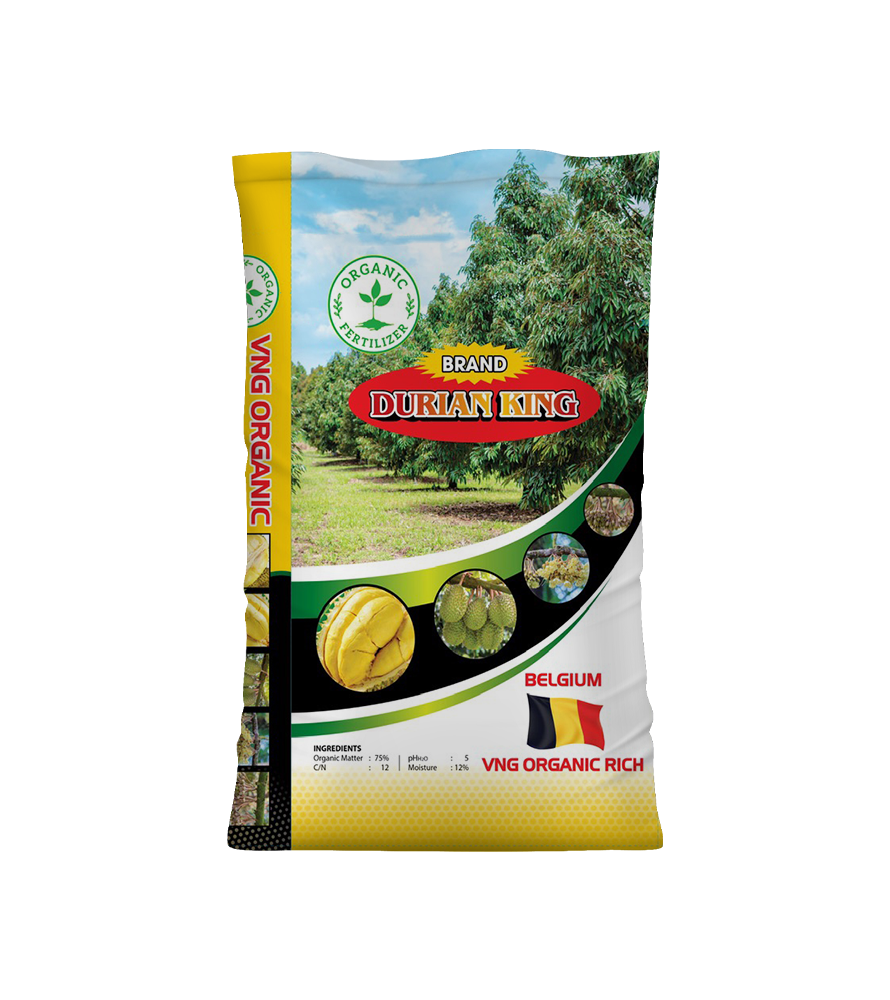
VNG Organic Rich organic fertilizer, with its high organic matter content of 75%, helps increase nutrient levels in the soil, provides humus, and reduces soil erosion and leaching.
Farmers can refer to the following guidelines for fertilizer application:
– Seedling stage: 0.2-0.3 kg/plant/application, apply 2-4 times/year, spaced 3-6 months apart.
– Commercial phase: 0.3-0.6 kg/plant/application, applied 2-3 times/year at times after harvest and after fruit set.
Conclusion
Proper fertilization of cantaloupe plants not only promotes healthy growth but also improves yield and fruit quality. Hopefully, this article will provide farmers with useful knowledge to apply in practice, leading to bountiful harvests.
Always choose Viet Nga Fertilizer or other reputable fertilizer products and follow the fertilization instructions to achieve the best crop yields.
Wishing you all success!
Contact our hotline at 02778 55 66 77 for detailed advice!
Related news
Caring for the Winter-Spring Rice Crop to Ensure Large, Firm Grains

Secrets to Helping Rice Plants Stay Healthy Right From the Start of the Winter-Spring Crop Season
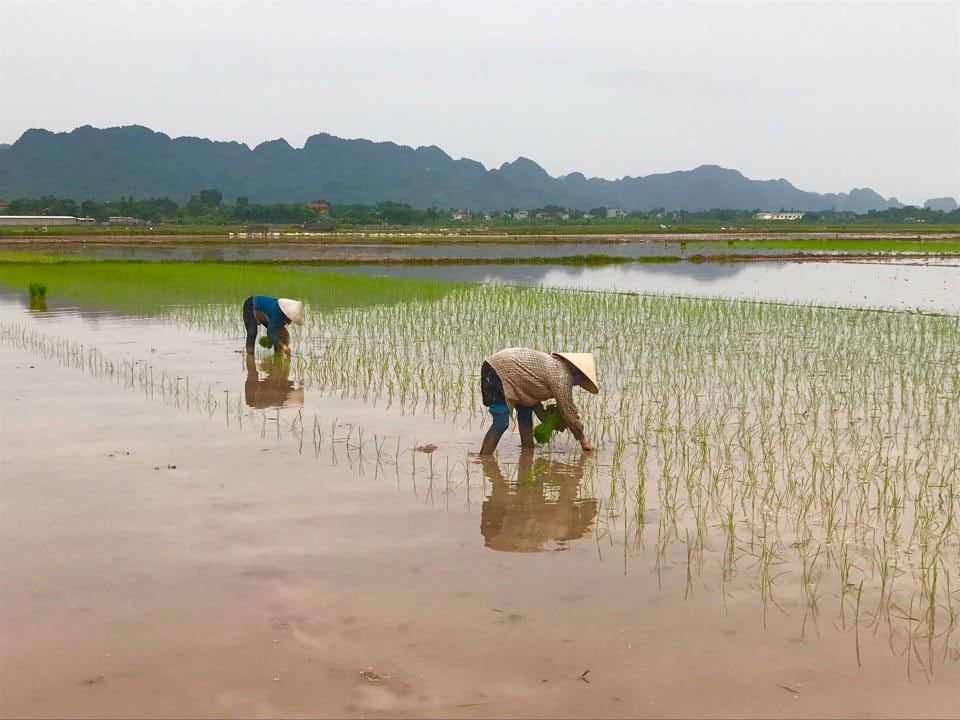
Proper Water Management for Winter-Spring Rice Crops

Tips for Effective Fertilization of the Winter-Spring Rice Crop

What kind of fertilizer should I use to make my banana tree flower and produce large fruits?