
ACCOUNTING WITH FURTHER FARMERS
What is Saltwater Intrusion? Effective Response Measures
Salinity intrusion in the Mekong Delta is becoming increasingly complex, especially during the dry season, seriously affecting the economic lives of local people. To find better ways to cope, we invite farmers to learn more through the following article from Viet Nga Fertilizer.

- Measures to respond to saltwater intrusion
I. What is saltwater intrusion?
Salinity intrusion, also known as land salinization, is primarily caused by excessive salt concentrations due to seawater directly invading the land.
Seawater carries dissolved salts, which are retained by the soil structure, accumulating and causing salinity.
Dựa vào hàm lượng NaCl trong muối biến. Người ta có thể phân loại mức độ xâm nhập mặn theo các mức độ ít, trung bình và cao.
II. Causes of saltwater intrusion
When seawater intrudes inland, freshwater from rivers flows downstream, helping to neutralize the saltwater while simultaneously pushing it back out to sea.
During the dry months, when there is no rain, river water evaporates due to the heat, resulting in insufficient freshwater flowing back into the sea, causing saltwater intrusion.
Uncontrolled agricultural land exploitation and the expansion of deforestation are also contributing factors.
Furthermore, global warming negatively impacts climate change, causing natural disasters and exacerbating saltwater intrusion.

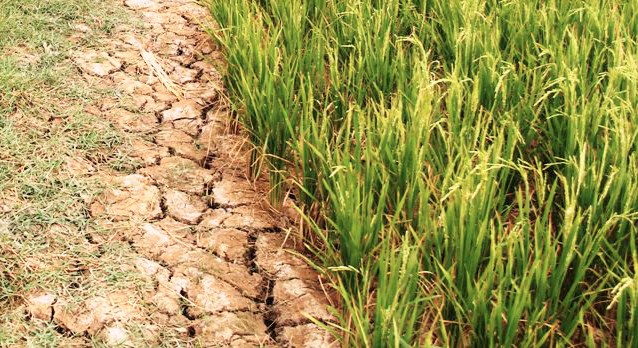
- The land is arid due to the effects of saltwater intrusion.
III. Consequences
The consequences of saltwater intrusion are enormous. specifically
– Freshwater shortage: People lack access to water, affecting their health and quality of life. Water supply systems and water storage containers are also corroded and damaged.
– Impact on agricultural production: Saltwater intrusion makes irrigating crops difficult, leading to mass crop failure and production disruption.
Đất nhiễm mặn cũng làm giảm năng suất cây trồng, ảnh hưởng đến an ninh lương thực.
– Impact on aquaculture: Many aquatic species cannot adapt to the saltwater environment, leading to death and causing significant losses for the people.
Salinity intrusion negatively impacts the lives and economy of people in the Mekong Delta. This is an urgent issue that requires the joint efforts of local authorities, the people, and scientists.
IV. What should be done to proactively respond to saltwater intrusion?
To address this situation, a comprehensive set of effective preventive measures needs to be implemented, including:
Building and strengthening the irrigation system.
- Constructing dams and sluices to prevent saltwater intrusion and store freshwater: This helps prevent saltwater from entering inland areas, while also storing freshwater for daily life and production during the dry season.
- Dredging canals and rivers: Enhancing drainage capacity, improving freshwater flow, and minimizing the impact of saltwater intrusion.
- Implementing water-saving irrigation systems: This helps to use water efficiently and reduce freshwater loss.
Use salt-tolerant crop varieties.
- Select rice, vegetable, and fruit varieties that are salt-tolerant for cultivation in saline intrusion conditions.
- Apply farming techniques suitable for saline soil conditions, such as crop rotation and soil leaching.
Strengthening the forecasting and warning of saltwater intrusion.
- Closely monitor the progress of saltwater intrusion and regularly update the public with information.
- Providing early warning to the public so that timely preventive measures can be taken.
Raising public awareness
- Tuyên truyền, giáo dục người dân về tác hại của xâm nhập mặn và các biện pháp phòng chống.
- Encourage people to use water economically and efficiently.
Scientific research and technological applications
- Research and develop crop varieties that are more salt-tolerant.
- Applying advanced technologies in salinity intrusion prevention, such as using renewable energy for irrigation,…

- Farmers store water for domestic and agricultural use.
What should farmers do to cope with saltwater intrusion?
1. Nâng cao nhận thức và cập nhật thông tin
Farmers should participate in training courses and workshops on farming techniques in saline intrusion conditions.
Regularly update information on saltwater intrusion developments to take timely response measures.
2. Listen to expert advice and put it into practice.
Climate change is always unpredictable, and adhering to expert recommendations will significantly help farmers minimize losses in a timely manner.
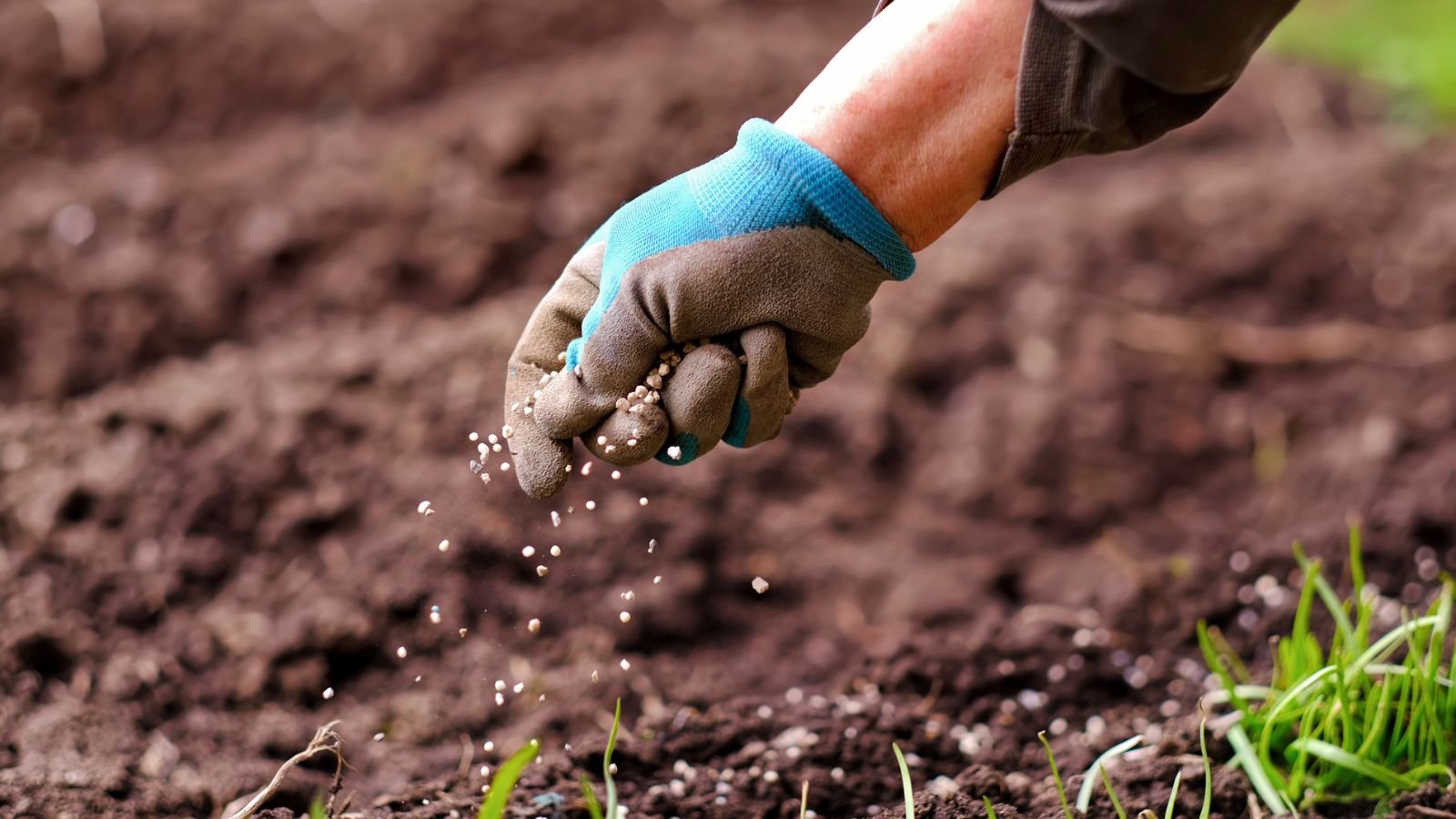
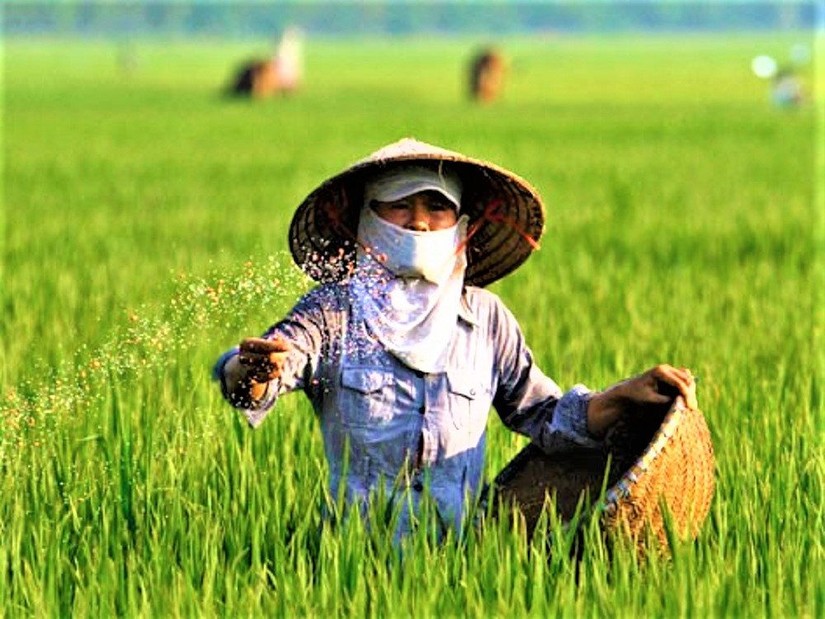
3. Use specialized fertilizers to combat saltwater intrusion.
Specialized fertilizers are optimally formulated based on the characteristics of each crop, soil type, and local climate conditions.
Using specialized fertilizers containing essential nutrients helps improve yields and increase resistance to pests, diseases, and natural disasters.
We invite you to check out the range of specialized fertilizers from Viet Nga Fertilizers, suitable for various crops in the Mekong Delta region.
Note: Measures to respond to saltwater intrusion should be applied appropriately to the specific conditions of each locality and each type of crop.
Related news
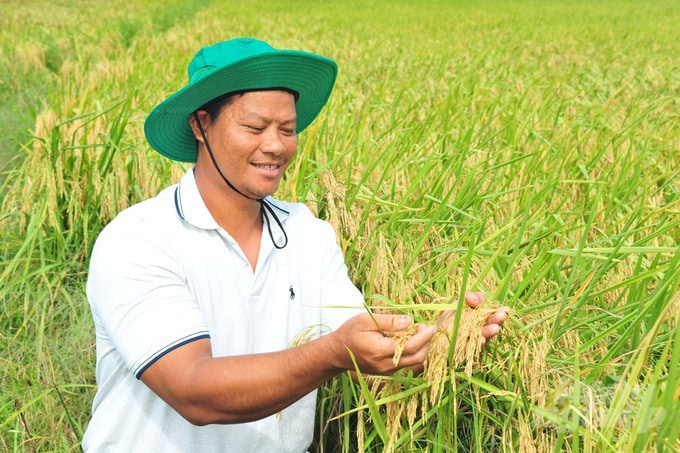
Caring for the Winter-Spring Rice Crop to Ensure Large, Firm Grains

Secrets to Helping Rice Plants Stay Healthy Right From the Start of the Winter-Spring Crop Season
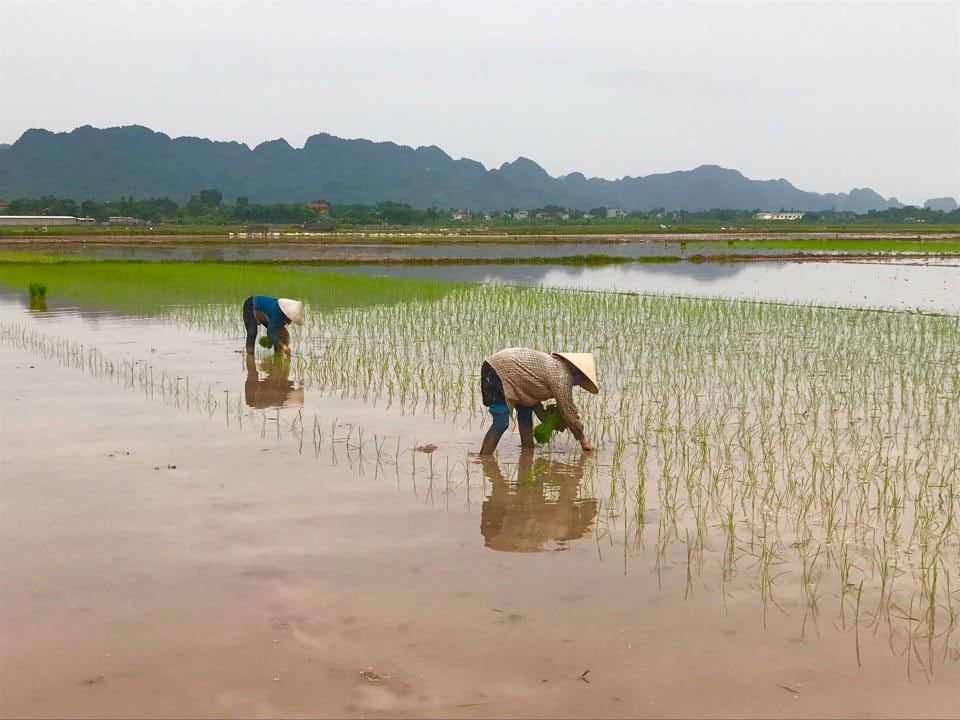
Proper Water Management for Winter-Spring Rice Crops

Tips for Effective Fertilization of the Winter-Spring Rice Crop

What kind of fertilizer should I use to make my banana tree flower and produce large fruits?