ACCOUNTING WITH FURTHER FARMERS
Some Points to Note Regarding Summer-Autumn Crop Production in 2024
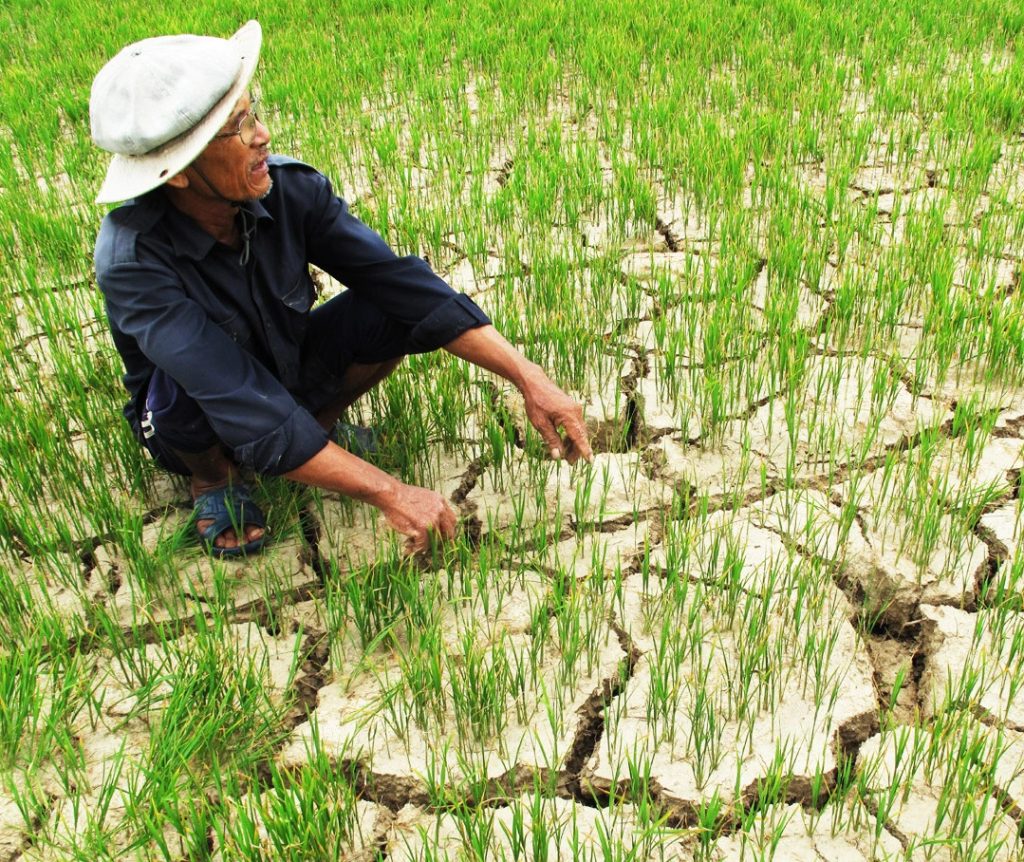
This year’s summer-autumn and main crop production is facing significant difficulties due to the major impact of climate change, causing early onset of heatwaves, droughts, and salinity intrusion. Water levels in rivers, streams, lakes, and dams have decreased sharply, and many spring rice fields, currently in the flowering and ripening stages, are severely lacking irrigation water.
Therefore, to achieve high yields and the best quality in the 2024 summer-autumn crop, let’s explore the important points to consider during the summer-autumn production season with Viet Nga Fertilizer!
1. Difficulties from the beginning of the season
2024 marked a challenging period for agricultural production, especially the summer-autumn rice crop. From the beginning of the year, signs of extreme weather caused concern among farmers. Intense heat and prolonged drought severely affected the area planted with rice.
– Record-high temperatures coupled with prolonged intense heat since the beginning of the season have negatively impacted the growth and development of rice plants. Many rice fields have suffered from stunted growth, yellowing leaves, and premature death, affecting both yield and quality.
– The drought has also made it difficult to provide irrigation water for rice crops. Water sources in ponds, lakes, and streams have dried up, and the canal system has become parched, leaving many rice fields without enough water for growth.
By the second half of 2024, the weather situation will continue to be complex due to the influence of La Nina. Forecasts indicate that there will be many prolonged periods of rain and storms, posing a risk of flooding and affecting rice harvesting.
– Heavy rains and storms at the end of the season can cause flooding and flash floods, affecting rice fields that have reached the harvesting stage.
– Strong winds from storms can break and flatten rice plants, affecting yield and quality.
2. Some production measures to note:
To cope with the difficulties in this year’s summer-autumn crop production due to weather conditions, localities and farmers need to focus on implementing the following measures:
2.1. Review and balance irrigation water resources.
According to preliminary reports from districts, towns, and cities in the province, approximately 4,265 hectares of rice fields planted during this year’s summer-autumn crop are at risk of severe drought due to a lack of irrigation water. Therefore, localities need to carefully review and calculate available irrigation water sources.
For areas at risk of water scarcity, it is advisable to switch to planting short-term crops such as biomass corn, sweet potatoes, peanuts, sesame, beans, and other vegetables to ensure that land is not left fallow.
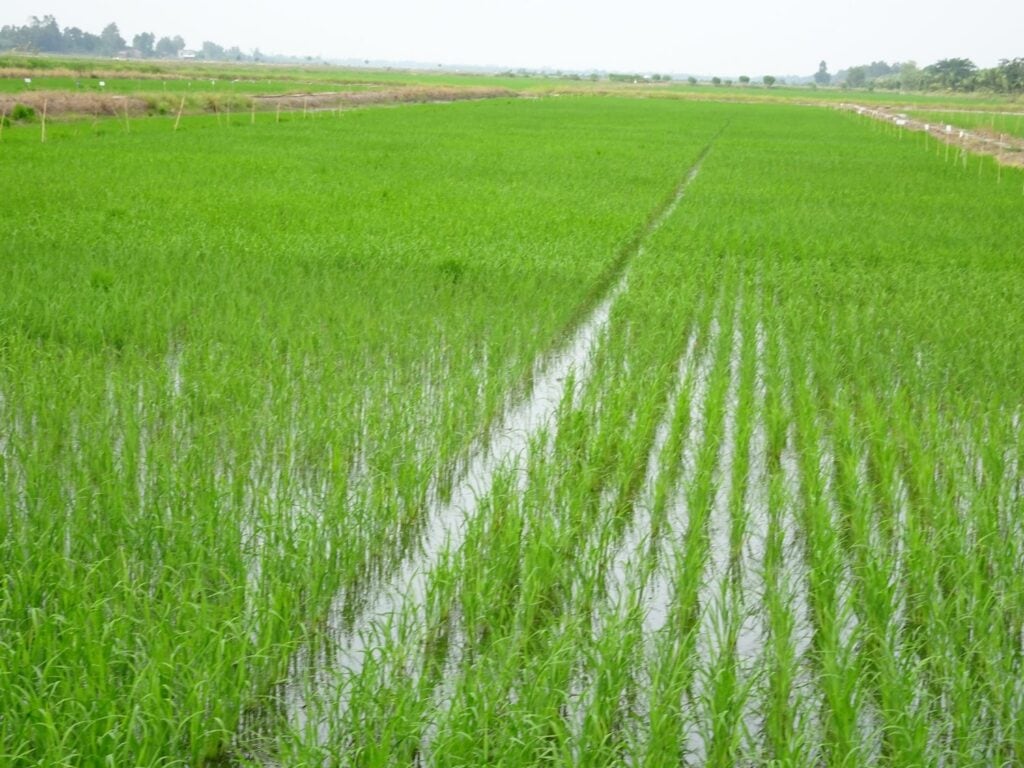
2.2. Retain water in the fields.
Farmers are advised not to drain the water completely from their rice fields before harvesting the spring rice crop in order to maintain soil moisture.
2.3. Choosing the right rice variety
Rice varieties for the 2024 Summer-Autumn crop must meet the requirements of balance, disease safety, and suitability to production realities and market demands.
Focus on high-quality rice varieties such as: OM 5451, OM 18,…
2.4. Ensure arable land
Plowing, tilling, harrowing, and leveling the field surface, along with creating furrows, facilitates good drainage, making it easier to care for crops and manage pests in the field. Reinforce dikes, culverts, and dams to ensure efficient water regulation in the fields.
2.5. Scientific rice cultivation
Applying base fertilizers such as phosphorus fertilizer, lime fertilizer, and organic fertilizer helps stimulate strong root development in rice plants, reduces organic toxicity, and prevents lodging.
Implement balanced fertilization: especially avoid over-fertilizing with nitrogen, apply phosphorus fertilizer during the tillering stage for optimal results, and apply potassium to prevent lodging; pay attention to supplementing with macronutrients and micronutrients.
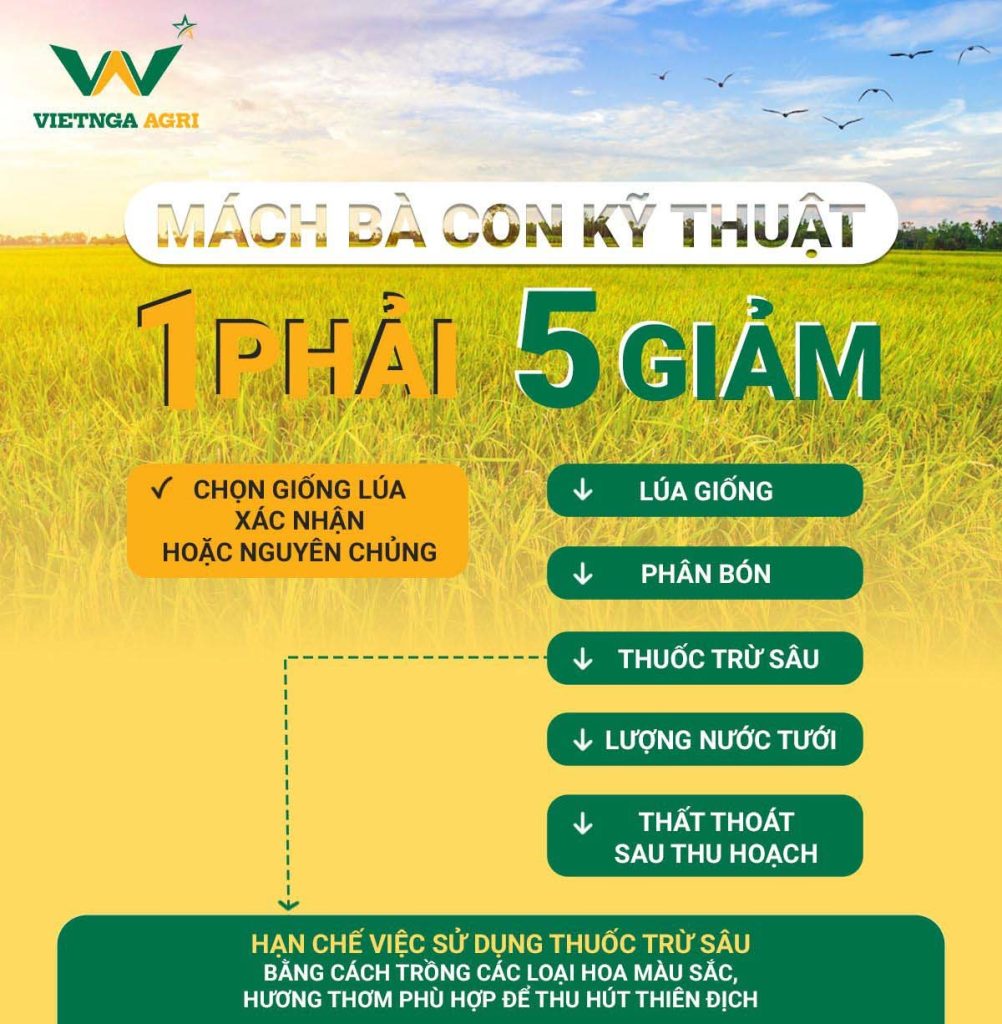
Applying advanced technical advancements to rice production in a safe and environmentally friendly manner: 3 reductions 3 increases, 1 must 5 reductions, 5 correct 1 balanced, alternating wet-dry irrigation, ecological technology, using biological products in straw treatment, and pest management.
2.6. Scientific rice harvesting
Implementing synchronized mechanized harvesting and post-harvest drying aims to reduce losses and ensure product quality.
2.7. Strengthen pest and disease control efforts.
Closely monitor the pest situation and apply timely and effective control measures.
2.8. There are measures to prevent flooding caused by rainstorms.
Construct a well-designed drainage system and closely monitor weather forecasts to take timely preventive measures.
The 2024 summer-autumn rice crop is facing numerous challenges due to intense heat and prolonged drought, along with forecasts of storms caused by La Nina in the latter half of the year.
However, with thorough preparation and the application of effective preventive measures, Viet Nga Fertilizer hopes that farmers will overcome the difficulties and achieve a bountiful harvest.
Related news
The Role of Base Fertilization in Soil Improvement and Enhancing Agricultural Fertility
Measures to Improve and Treat Saline Soil
Winter-Spring rice blast warning – Don’t let leaf and flower burns rob you of your golden crop

Rice Sowing Techniques for the Early Winter–Spring Crop
What Is Slow-Release Fertilizer? Learn How to Use It Effectively