Tips for Blending Viet Nga NPK Fertilizer for the Best Nutrient Uptake
Date
Contents· 6 sectionsExpandCollapse
- What is NPK fertilizer? Why must it be blended correctly?
- Why incorrect NPK blending leads to poor nutrient uptake
- How do traditional blended NPK and specialized NPK differ?
- Tips for blending and using NPK fertilizer effectively
- Viet Nga specialized NPK solution set for crops
- Tips to help plants absorb the most from NPK
NPK fertilizer is a familiar input that almost every farmer uses in cultivation. However, in many cases, crops still grow poorly after NPK is applied, with unevenly green leaves, weak roots and sparse tillering. The main cause is not a lack of fertilizer but blending and using NPK in ways that do not suit each growth stage. In the following article, Viet Nga Fertilizer shares tips with farmers on blending NPK fertilizer so crops absorb nutrients best.
What is NPK fertilizer? Why must it be blended correctly?
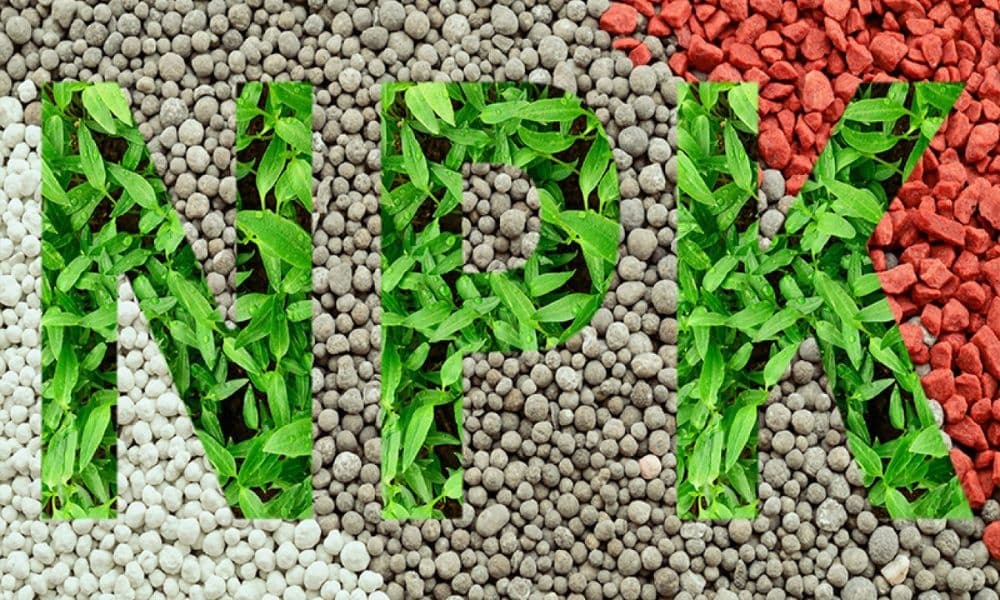
NPK fertilizer supplies the three essential macronutrients for crops: Nitrogen (N) – Phosphorus (P) – Potassium (K). Each nutrient plays its own role and directly affects the plant's growth and development.
- Nitrogen (N): Promotes vigorous growth, stem and leaf development and good tillering.
- Phosphorus (P): Stimulates root development, helps plants recover quickly and supports flowering
- Potassium (K): Makes plants sturdy and increases their resistance to pests, diseases and adverse weather
However, crops only absorb nutrients efficiently when the three elements N-P-K are blended in balance. If fertilization is lopsided or unbalanced, plants grow unevenly, fertilizer use efficiency drops and cultivation risks increase.
Why incorrect NPK blending leads to poor nutrient uptake
In practice, there are many cases where farmers apply plenty of NPK but their crops still grow weakly and unevenly. The main reason is that NPK is blended and used without the right technique. In many places, fertilizer is still mixed by feel: less when plants look green, more when they look weak, without considering the crop's actual nutrient needs.
In addition, applying fertilizer at the wrong growth stage is another common mistake. At some stages plants do not yet need many nutrients but fertilizer is applied early, and then when they need to build stems, roots or fruit, the nutrient supply falls short. As a result, nutrition becomes unbalanced, with local surpluses in some places and deficiencies in others, so crops absorb nutrients poorly and are more prone to pests and diseases. Fertilizer is therefore wasted and production costs rise, while the efficiency and yield of the season fall short of expectations.
How do traditional blended NPK and specialized NPK differ?
Today, farmers commonly use NPK fertilizer in two ways: blending fertilizers by hand themselves or using pre-formulated specialized NPK fertilizer. The difference between these two approaches is what determines how well crops can absorb nutrients.
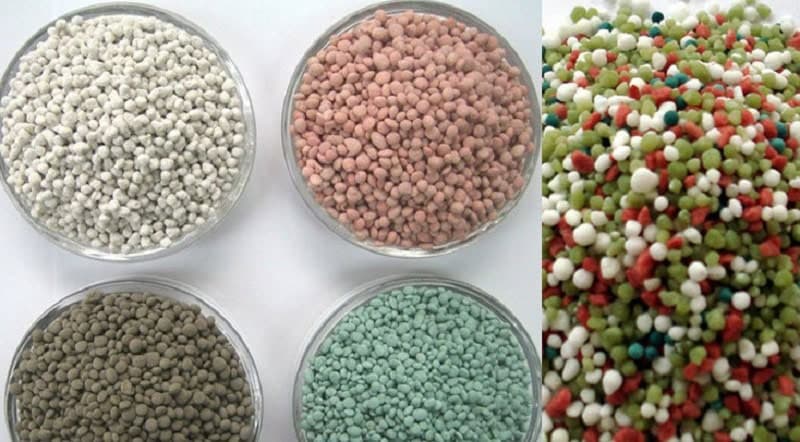
Hand-blended NPK fertilizer
Hand-blended NPK is made by mechanically mixing straight fertilizers such as nitrogen, phosphate and potash together. This method is quite common because it is easy and familiar to many farmers. However, because it is only a mechanical mix, each granule does not contain all the nutrients: some granules are high in nitrogen while others contain only phosphate or potash. When applied to the field, nutrients are distributed unevenly and crops absorb more in some spots and less in others.
The effectiveness of hand-blended NPK depends heavily on the experience and skill of the person applying it. If it is mixed unevenly or applied incorrectly, plants tend to grow unevenly, nutrient amounts are hard to control and fertilizer is easily wasted.
Viet Nga specialized NPK fertilizer
Unlike hand-blended fertilizer, Viet Nga Specialized NPK Fertilizer is blended and synthesized right at the factory according to formulas calculated in advance for each growth stage of the crop. As a result, every granule contains a full, balanced supply of Nitrogen – Phosphorus – Potassium, helping crops absorb nutrients more evenly after application.
With a uniform granule structure, specialized NPK fertilizer delivers nutrients steadily and limits local surpluses or deficiencies. This is also why this fertilizer line suits modern farming: it is easy for farmers to use, gives better control over fertilizer amounts and improves long-term production efficiency.

Tips for blending and using NPK fertilizer effectively
For NPK fertilizer to work at its best, blending and use should be based on the crop's actual nutrient needs rather than applying one fixed formula for the whole season. Viet Nga specialized NPK fertilizer is developed to be stage-specific, helping plants absorb nutrients correctly, sufficiently and in a timely manner, so they grow steadily and achieve sustainable yields.
Blend according to the right growth stage
During the vigorous growth stage, crops need plenty of nitrogen to develop stems and leaves and form a healthy canopy. Using NPK with a suitable nitrogen content at this stage helps plants grow fast, tiller evenly and build a strong base for the following stages. Conversely, when entering the flowering and fruit development stage, the plant's nutrient needs gradually shift toward potassium, which strengthens the plant, improves its ability to support flowers and fruit and reduces young fruit drop.
Because of this shift, you should not use a single NPK formula for the whole season. Adjusting the N-P-K ratio for each stage helps crops absorb nutrients more efficiently, avoids surpluses and reduces fertilizer waste.
Blend based on soil characteristics
Besides the growth stage, the characteristics of the farmland are also an important factor affecting the efficiency of NPK fertilizer. In acid sulfate or saline soils, crops often have limited ability to absorb nutrients, so NPK must be selected and blended appropriately to help roots recover and plants develop steadily. On depleted soils or land farmed with many consecutive crops, soil nutrient levels decline quickly, requiring a more balanced NPK blend to replenish essential nutrients in time.
When Viet Nga specialized NPK fertilizer is blended and used based on both the growth stage and soil conditions, crops absorb nutrients better, grow evenly and deliver long-term farming efficiency.
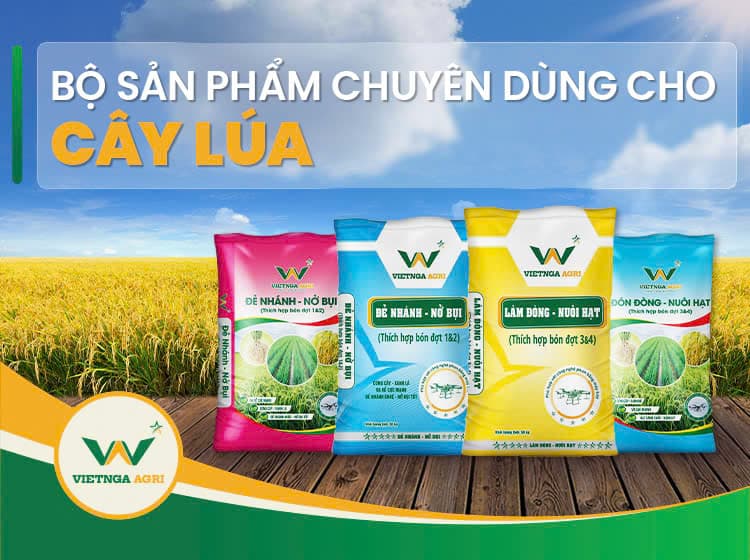
Viet Nga specialized NPK solution set for crops
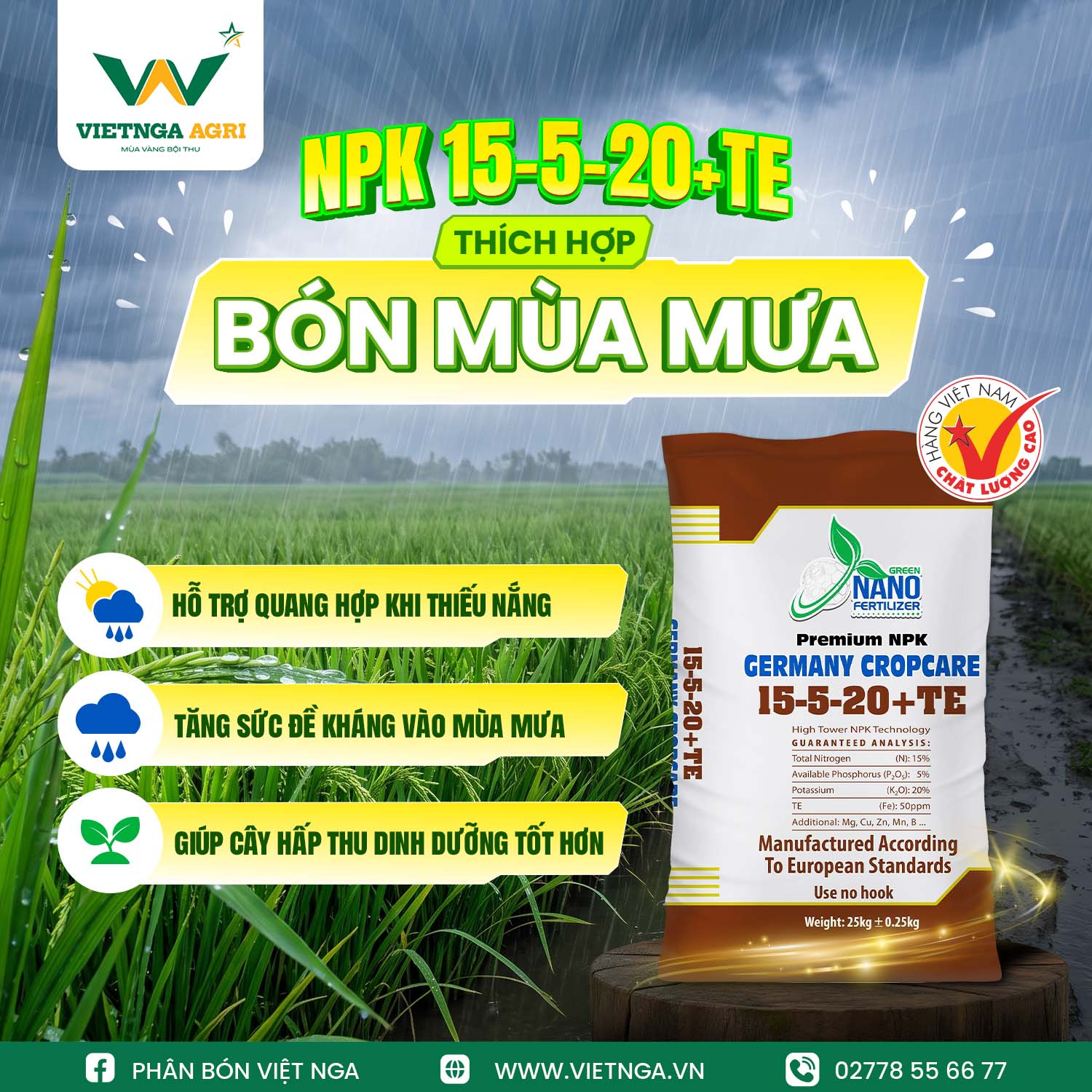
Viet Nga Fertilizer's specialized NPK product lines focus on building comprehensive nutrition solutions for crops, designed to fit each specific growth stage. This approach saves farmers from blending many different fertilizers themselves while giving better control over the nutrients crops absorb throughout the season.
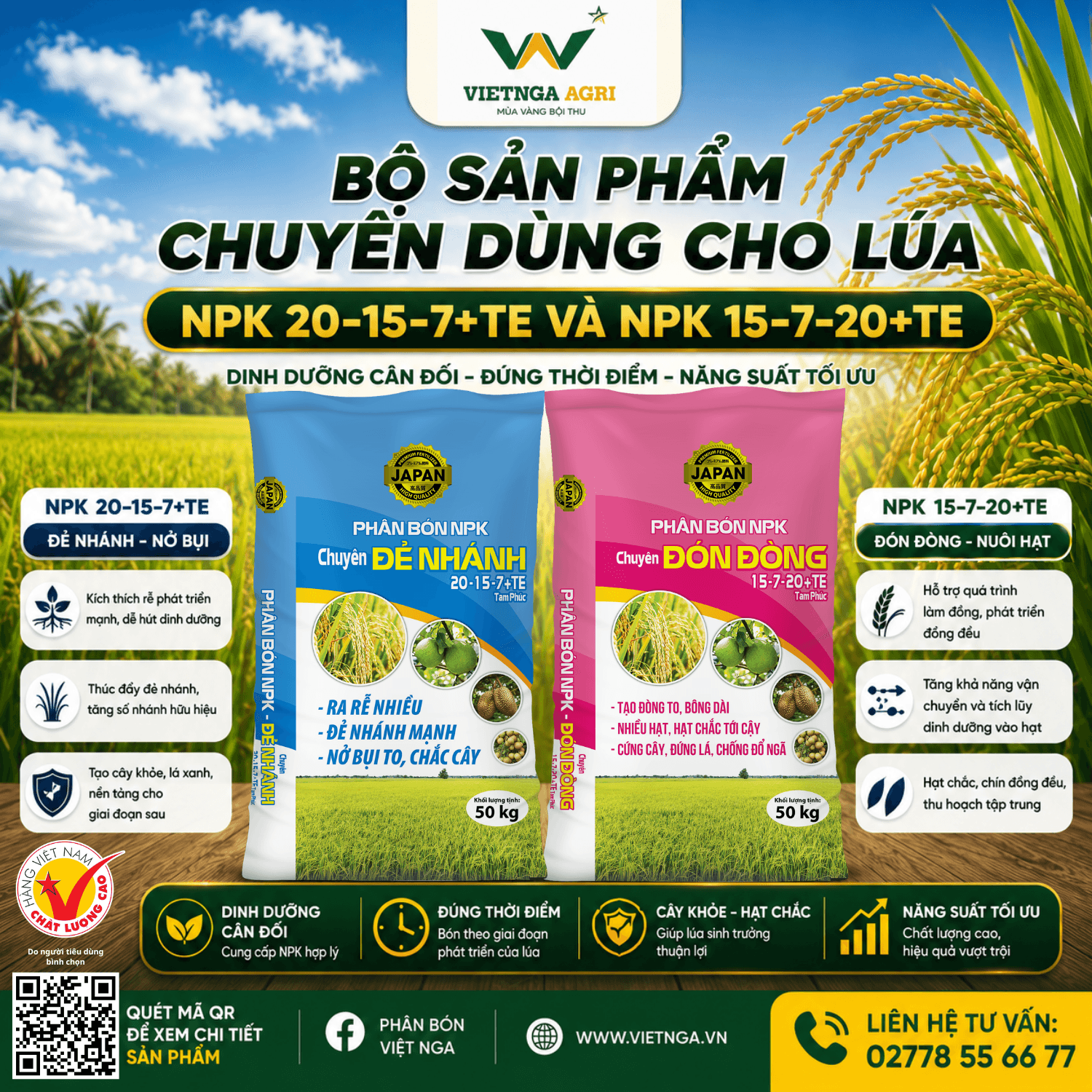
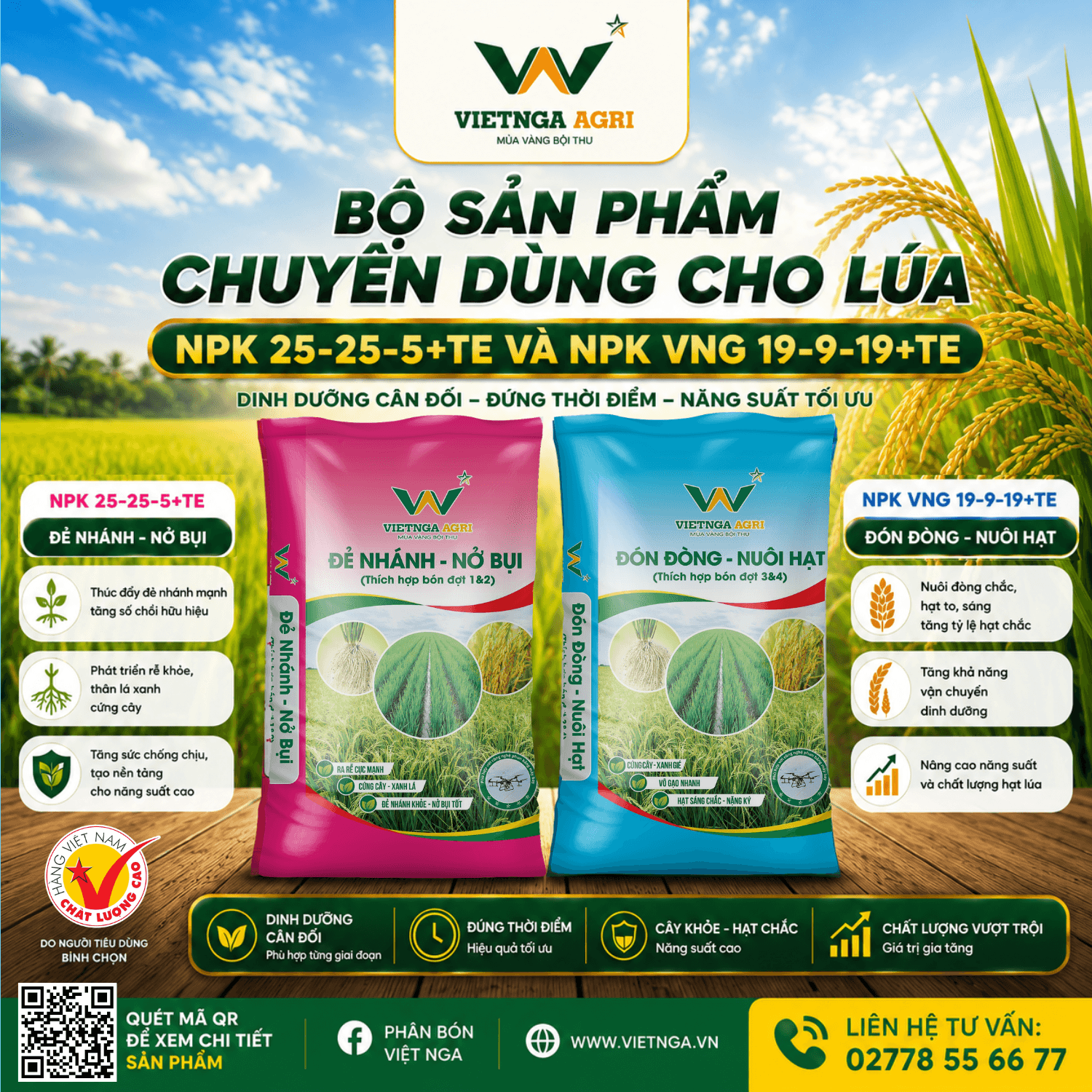
Instead of using one fertilizer for the entire season, Viet Nga's specialized NPK solution set is built around the crop's physiological needs. For rice, nutrition is clearly divided by stage – tillering, panicle initiation and grain filling – helping plants develop evenly from the start of the season, with strong, sturdy stems and stable yields. For fruit trees, the solution set focuses on the post-harvest recovery, flush development and fruit development stages, building a solid vegetative foundation that supports flowering, fruit set and effective fruit development.
Specialized NPK products are not just fertilizers but stage-based nutrition solutions that help crops absorb nutrients correctly, sufficiently and in a timely manner, limit fertilizer waste and improve long-term farming efficiency.
Tips to help plants absorb the most from NPK
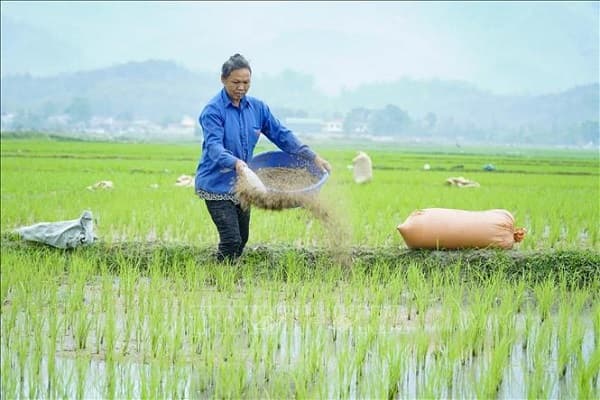
For NPK fertilizer to be most effective, besides choosing the right type and blending it correctly, farmers need to pay attention to application conditions and care after fertilizing.
- Do not apply fertilizer when the soil is very dry, because roots then struggle to absorb nutrients and the fertilizer is easily lost or left on the soil surface.
- Applying fertilizer in intense sunlight also reduces its efficiency and can even scorch the roots, affecting plant growth.
- Watering properly before or after fertilizing helps the fertilizer dissolve quickly and lets nutrients seep down to the root zone, so plants absorb them better.
- Combine with foliar fertilization at suitable rates to supply nutrients promptly, especially when plants show signs of deficiency or are in a vigorous growth stage.
When fertilizer is applied under the right conditions and with the right technique, crops absorb nutrients more efficiently, grow steadily and deliver sustainable yields.
Effective NPK fertilization is not about applying more or less; what matters most is blending correctly and using it according to the crop's actual needs. When nutrition is supplied in balance, at the right growth stage and in line with soil conditions, crops absorb nutrients better, grow evenly and deliver sustainable farming results. Viet Nga Fertilizer specializes in providing specialized NPK fertilizers suited to each stage throughout the cultivation process. Contact Viet Nga Fertilizer now for advice and more support on specialized NPK products!