The Green Transition Journey: Viet Nga Fertilizer Supports Low-Emission Agriculture in the Mekong Delta
Date
Contents· 5 sectionsExpandCollapse
- The Green Transition – A Key Direction for Mekong Delta Agriculture
- Viet Nga Attends Workshop on Promoting Sustainable Finance for Low-Emission Agriculture in the Mekong Delta
- Reviewing the Implementation of the One Million Hectares of High-Quality, Low-Emission Rice Project
- Putting Farmers' Interests at the Heart of the Transition
- Viet Nga Proactively Builds Connections to Support Cooperatives and Farmers
The green transition and emission reduction are becoming one of the key directions of Vietnam's agriculture, especially in the Mekong Delta, the country's main rice-producing region. In this process, Viet Nga Fertilizer is actively taking part in industry events, keeping up to date with new solutions and expanding its connections with partners across the value chain, with the aim of supporting efficient and sustainable agricultural development in the Mekong Delta.
The Green Transition – A Key Direction for Mekong Delta Agriculture
The Mekong Delta plays a vital role in Vietnam's agricultural production and rice industry, while also being a region heavily affected by climate change, drought, saltwater intrusion and extreme weather. Against this backdrop, agricultural production is moving toward more efficient use of resources, optimized input costs, better crop quality and lower greenhouse gas emissions.
For the rice sector, this direction is clearly reflected in the Project “Sustainable Development of One Million Hectares of High-Quality, Low-Emission Rice Associated with Green Growth in the Mekong Delta by 2030”, approved by the Prime Minister under Decision No. 1490/QD-TTg dated November 27, 2023. This context also creates a need for suitable solutions and resources to drive the transition in practice.
Viet Nga Attends Workshop on Promoting Sustainable Finance for Low-Emission Agriculture in the Mekong Delta
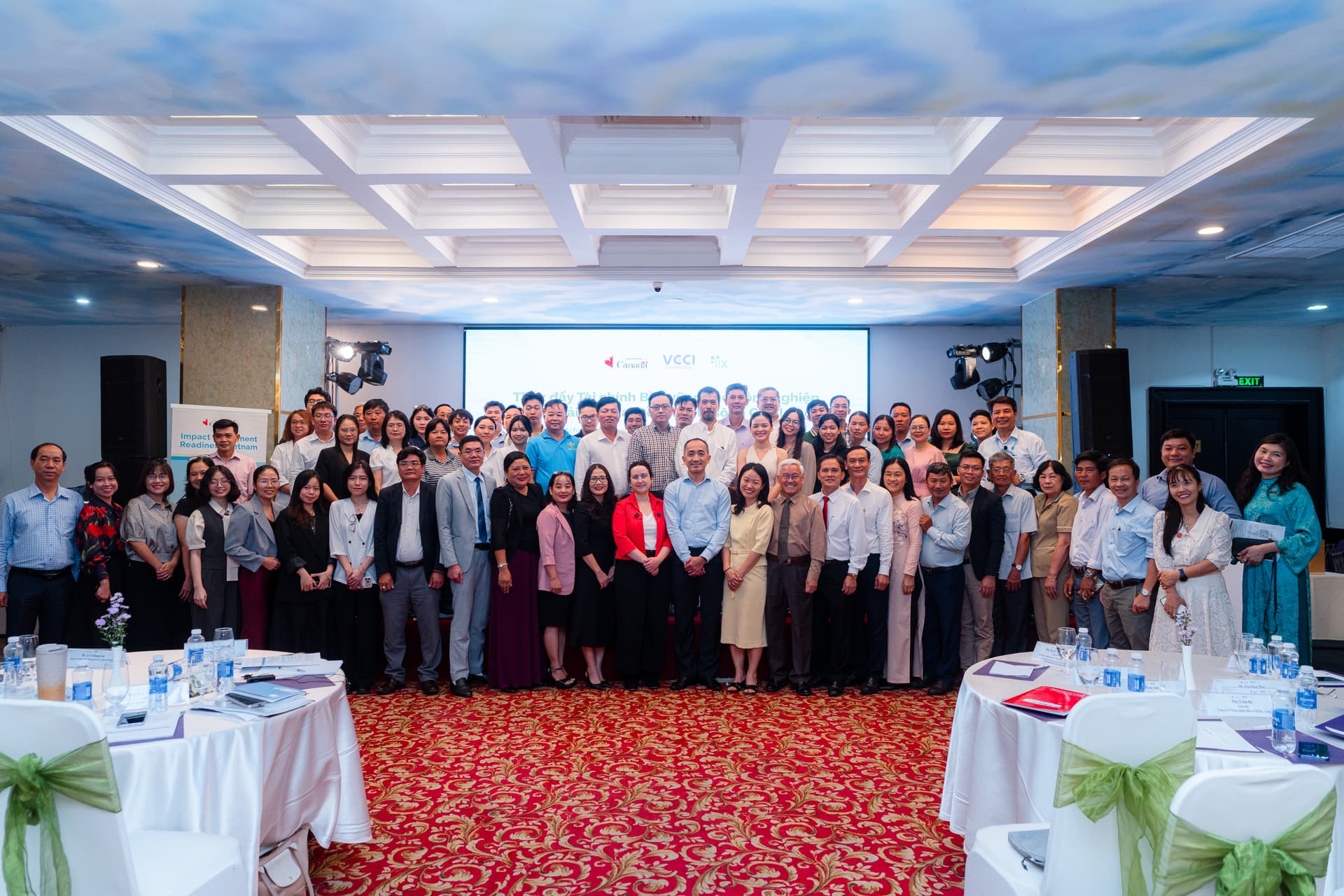
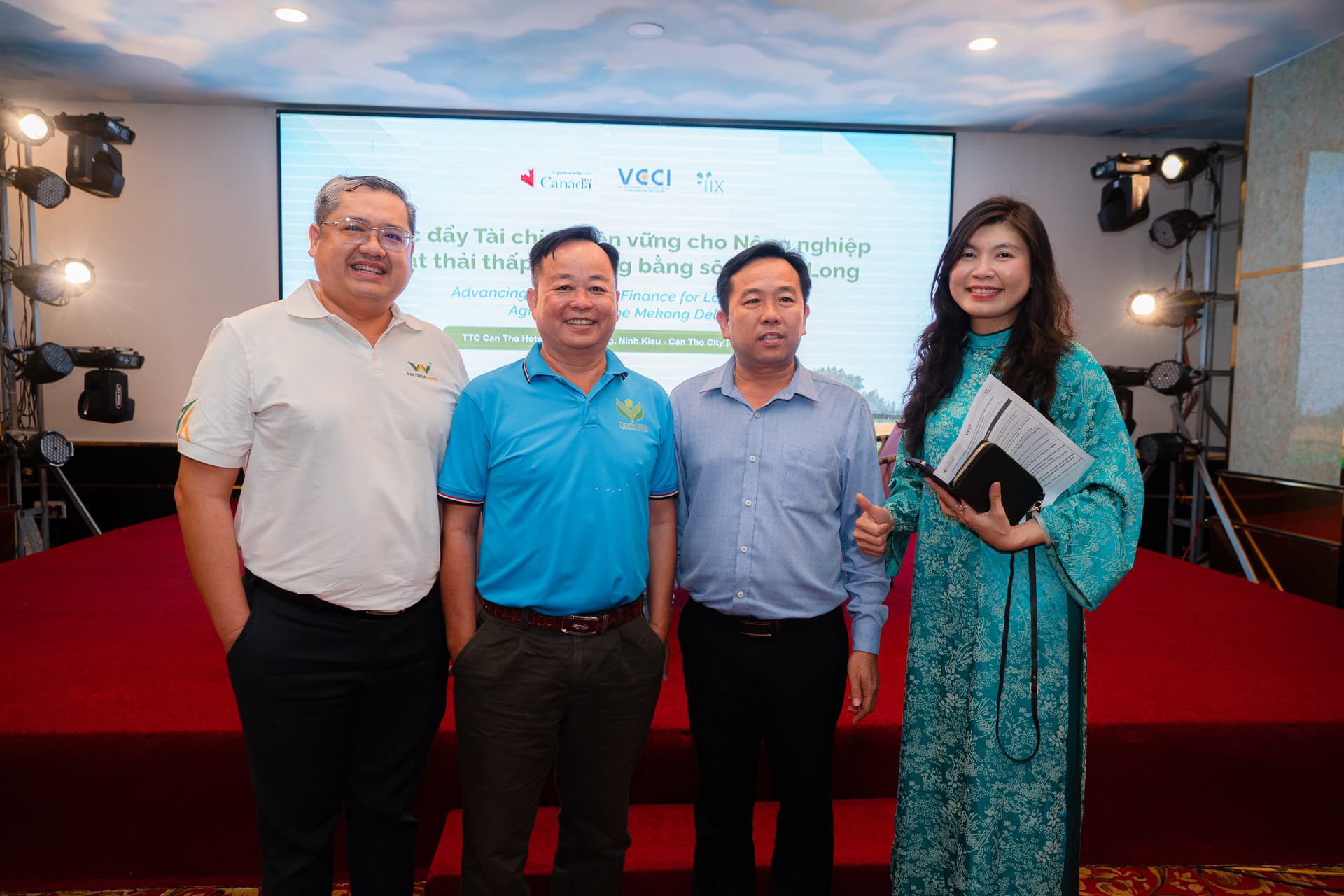
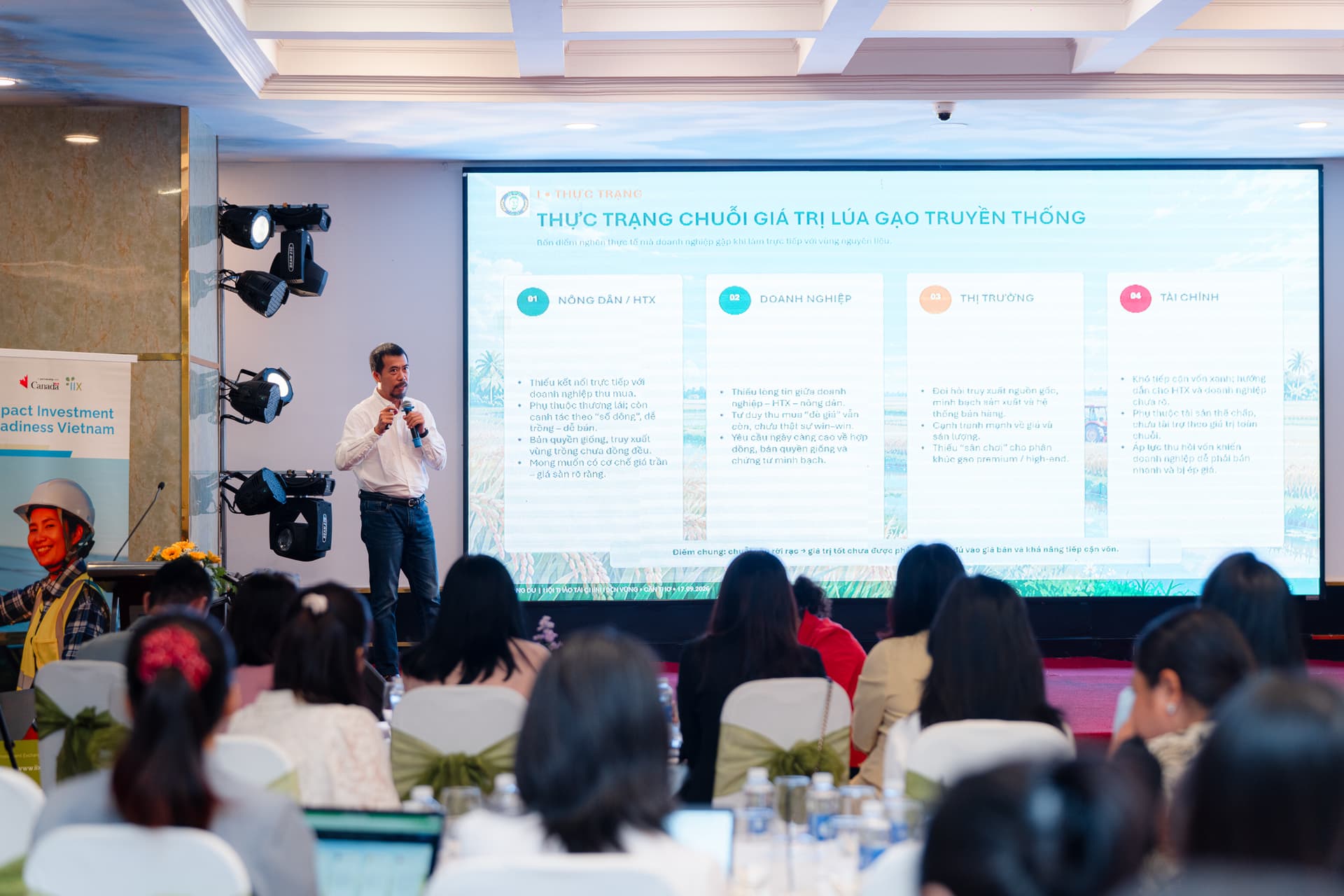
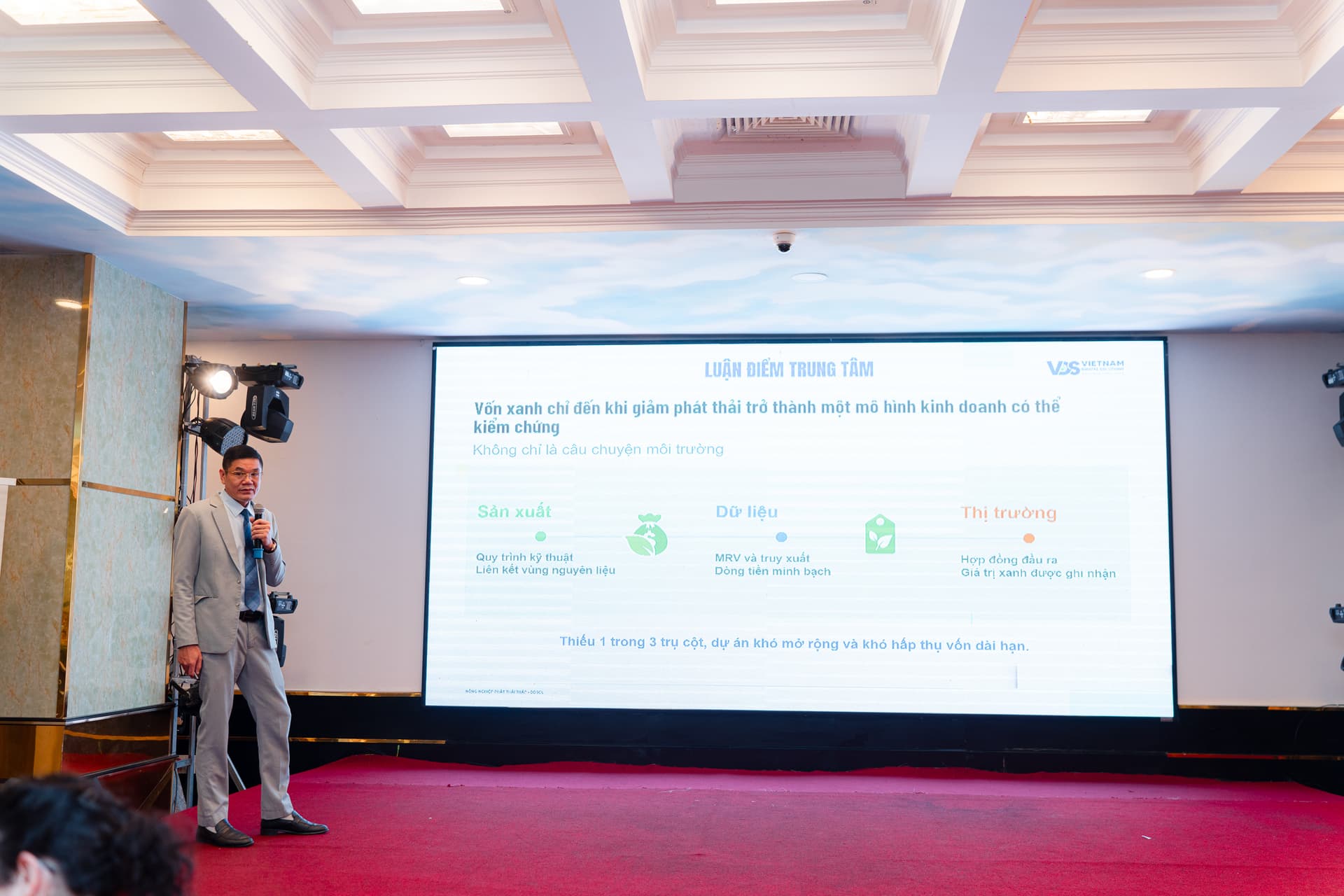
On September 17, 2026, in Can Tho, Viet Nga Fertilizer attended the workshop “Promoting Sustainable Finance for Low-Emission Agriculture in the Mekong Delta”, organized by the Vietnam Chamber of Commerce and Industry (VCCI) Mekong Delta Branch in cooperation with Impact Investment Exchange (IIX).
The program focused on the difficulties in accessing financial resources for low-emission agriculture and on impact investment initiatives, while opening up opportunities to connect businesses and cooperatives with financial institutions and funding sources suited to the transition.
One of the issues of interest was the ability of cooperatives and businesses to access green capital while participating in the One Million Hectares of High-Quality, Low-Emission Rice Project. In practice, green financing usually comes with specific requirements and criteria regarding capacity, documentation, production plans and the ability to demonstrate results. This is one of the obstacles facing cooperatives and businesses in the early stage of the transition, and it calls for additional mechanisms and solutions that connect resources in ways better suited to the realities of production.
For Viet Nga Fertilizer, taking part in the program was an opportunity to learn about and connect with reputable green finance sources, and thereby to find suitable ways of linking resources for cooperatives that need to invest, transform their production models and join low-emission agricultural value chains.
Reviewing the Implementation of the One Million Hectares of High-Quality, Low-Emission Rice Project
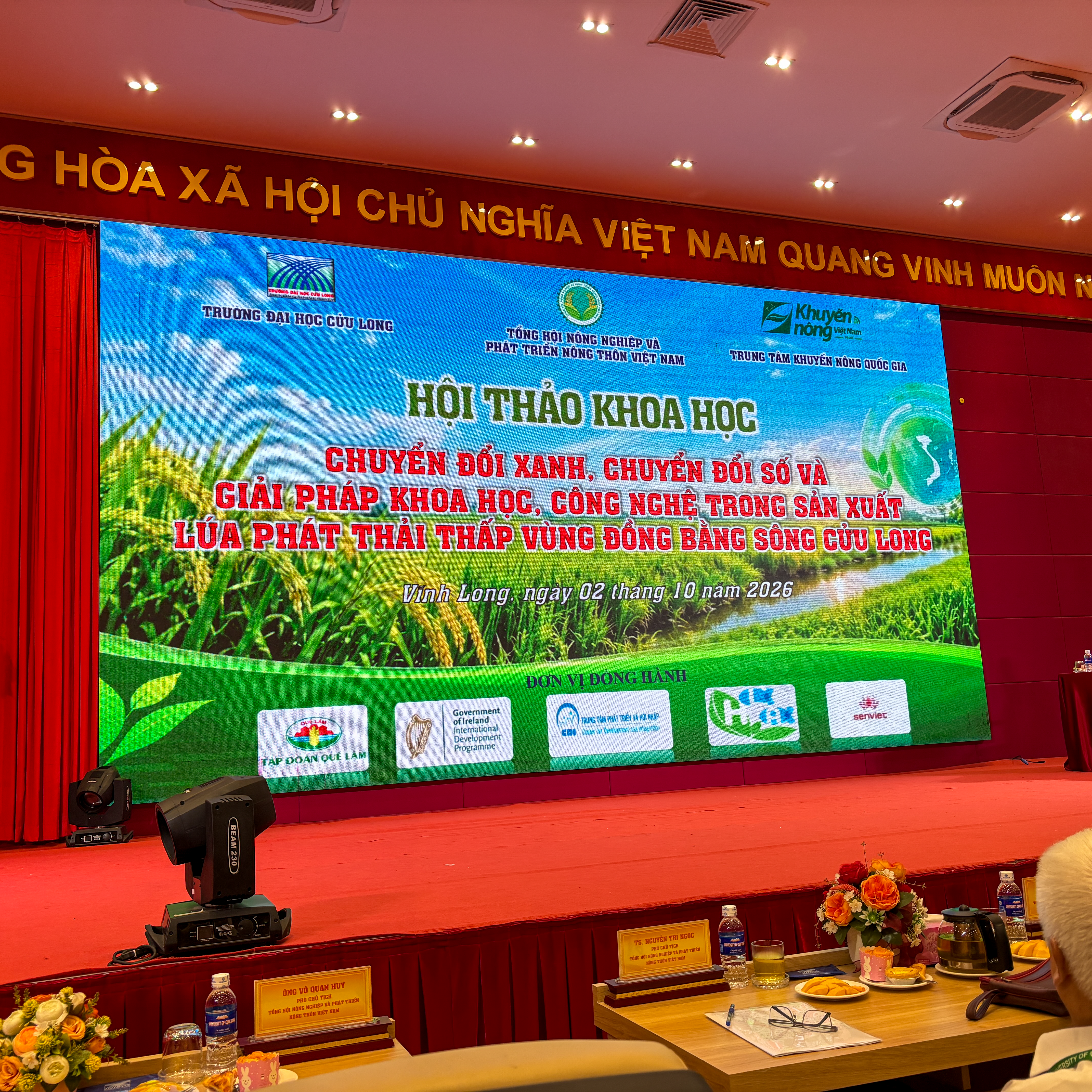
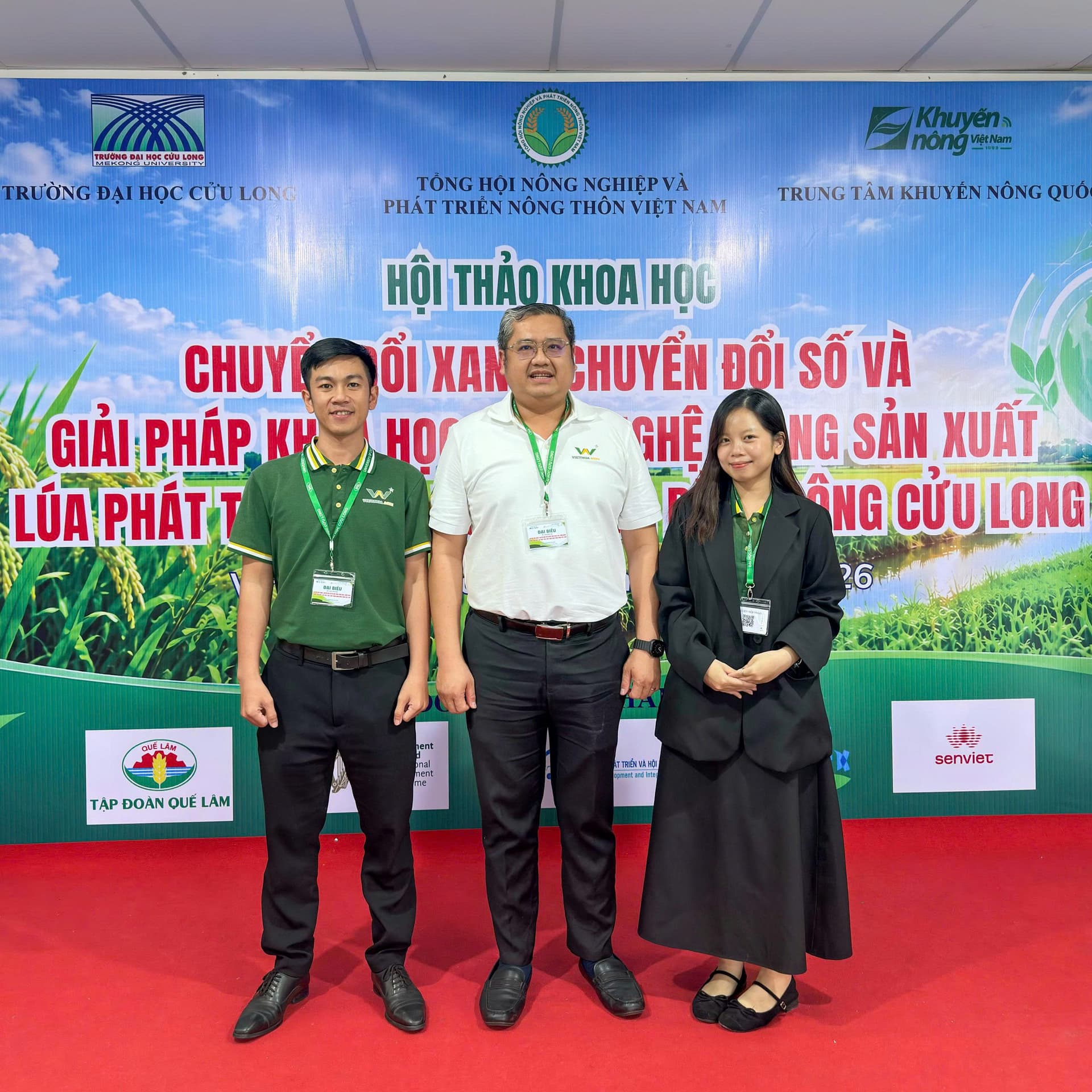
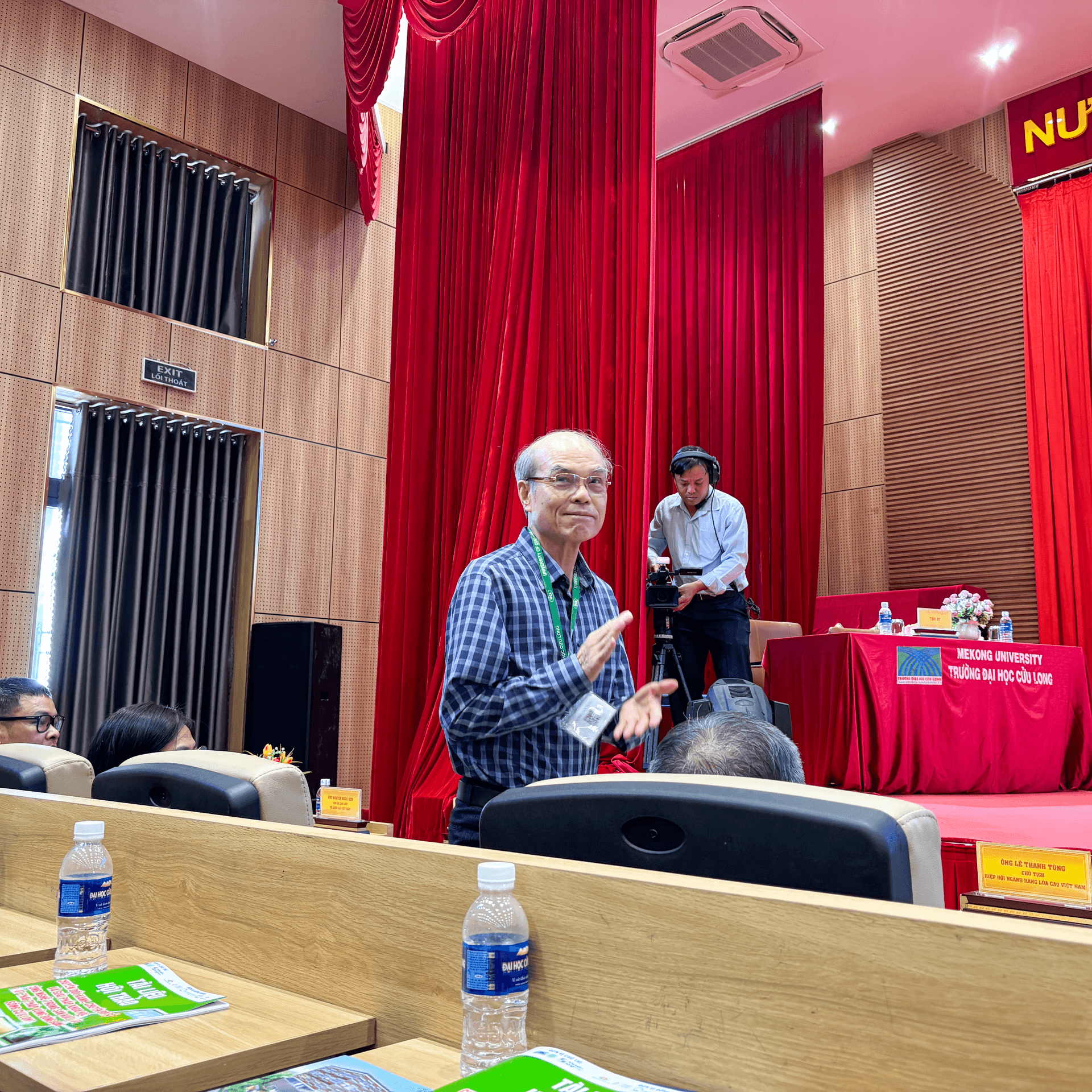
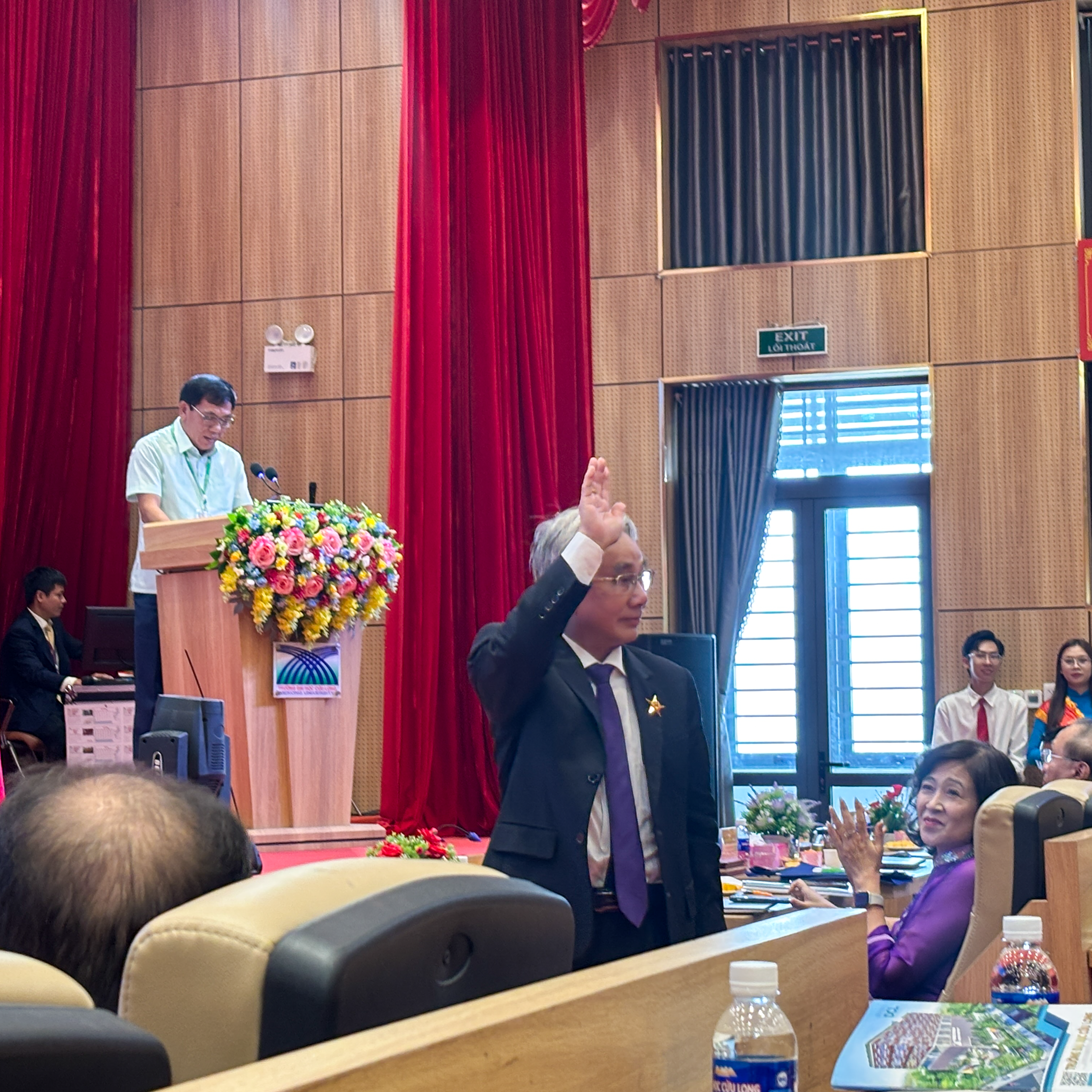
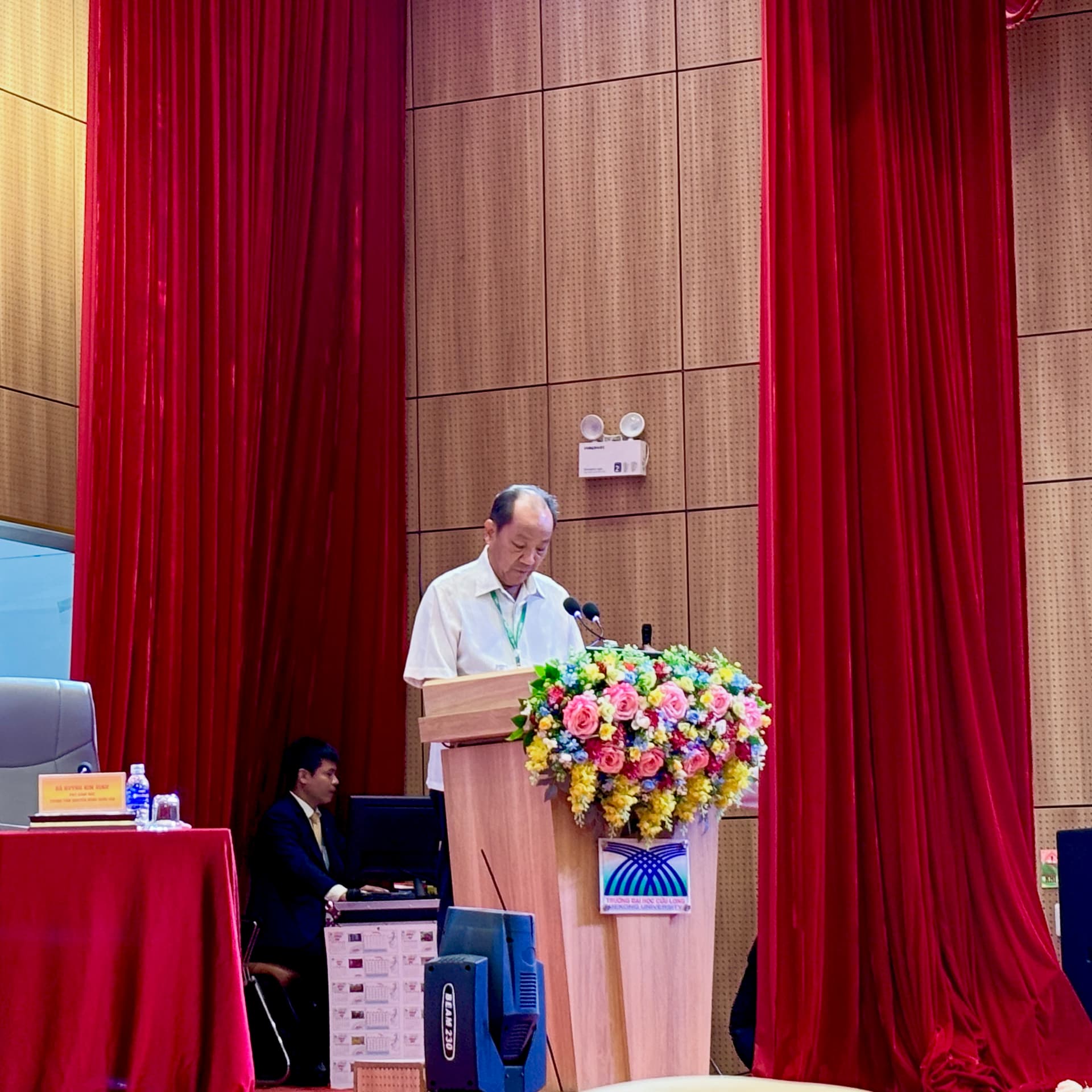
Continuing its efforts to connect and explore solutions for the green transition, on October 2, 2026, Viet Nga Fertilizer attended the workshop “Green Transformation, Digital Transformation and Science and Technology Solutions in Low-Emission Rice Production in the Mekong Delta” at Cuu Long University, Vinh Long Province.
The workshop focused on the green transformation, digital transformation and the application of science and technology in high-quality, low-emission rice production. It also shared practical models and experience in organizing production, value chain linkages, the carbon market and solutions suited to production conditions in the Mekong Delta.
The topics discussed were also directly tied to the implementation of the Project “Sustainable Development of One Million Hectares of High-Quality, Low-Emission Rice Associated with Green Growth in the Mekong Delta by 2030” under Decision 1490/QD-TTg.
Notably, drawing on the pilot models already implemented and the actual results in localities, the experts jointly reviewed and assessed the progress of the Project and the issues arising during its implementation.
The results and practical experience shared show that scaling up these models will continue to require technology, implementation capacity, production organization and stronger linkages among the parties in the value chain.
Putting Farmers' Interests at the Heart of the Transition
One point emphasized in the discussions at the workshops was that the transition must start from the realities of production and the interests of farmers.
The green transition is not just about adopting a new technical process or meeting emission standards. To be implemented effectively and replicated, solutions must also create economic value, helping farmers cut costs, improve production efficiency and gain more opportunities to join more stable value chains.
This also requires production inputs to be used more rationally and efficiently. In rice production, everything from seed, fertilizer and irrigation water to crop protection products needs to be managed in line with field conditions and the actual needs of the crop.
Among these, the rational use of fertilizer is one of the factors that help improve production efficiency. Nutrient supply should match the needs of the plant at each growth stage, contributing to a more efficient use of inputs.
However, for the transition to happen on a large scale, technical solutions alone are not enough. Alongside presentations on policy, science and technology, and finance, many discussions at the workshops also focused on strengthening linkages among farmers, cooperatives, businesses, scientists, financial institutions and offtake partners.
Linkages among the parties are seen as one of the key foundations for gradually removing bottlenecks in the rollout of low-emission agriculture, while giving farmers better access to technology, resources and markets.
Viet Nga Proactively Builds Connections to Support Cooperatives and Farmers
For Viet Nga Fertilizer, taking part in industry events is not only a chance to stay informed but also an opportunity to listen to on-the-ground realities, identify remaining limitations and explore resources and partners that can add value to the production chain.
In the coming time, Viet Nga will continue to expand its connections with organizations, businesses, cooperatives, financial partners and related units, with a focus on financial, science and technology resources and value chain linkages. Through this, Viet Nga aims to accompany cooperatives and farmers throughout the transition, not only to reduce emissions but also to help improve production efficiency, income and the long-term interests of farmers.