ACCOUNTING WITH FURTHER FARMERS
What is Inorganic Fertiliser? Types of Chemical Fertilisers in Modern Agriculture
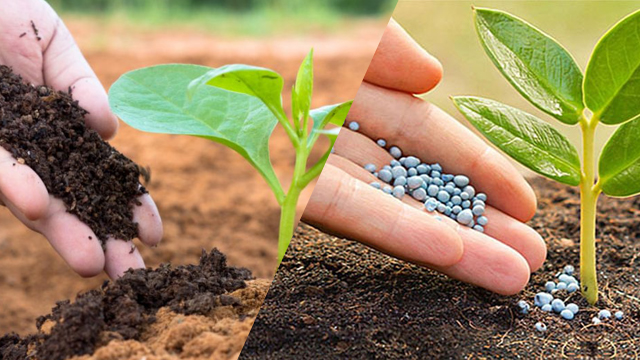
Inorganic fertilisers, also known as chemical fertilisers, are among the quick and effective nutritional solutions that help farmers actively regulate nutrient supply according to each stage of crop growth. In this article, Viet Nga Agri will accompany farmers to explore in detail the concept of inorganic fertilisers — from their definition and characteristics to safe and effective application methods for optimising cultivation results.
What is inorganic fertiliser?
Inorganic fertilisers, also called chemical or mineral fertilisers, are produced through industrial processes using either natural raw materials or synthetic compounds.
They contain key nutrients such as nitrogen (N), phosphorus (P), and potassium (K) — typically in the form of highly soluble mineral salts, allowing plants to absorb nutrients quickly for healthy and vigorous growth.
This type of fertiliser can be applied directly to the soil or diluted with water for foliar spraying, making it both convenient and highly effective. Thanks to its ability to deliver nutrients quickly and precisely, inorganic fertilisers are widely used by farmers to stimulate plant growth, enhance development, and increase crop yield in modern agricultural production.
Main Components of Inorganic Fertilisers
Inorganic fertilisers are produced from natural materials such as minerals, salts, and nutrient-rich rocks, or from synthetic chemical compounds like urea, ammonium nitrate, and potassium nitrate. After undergoing processing and refinement, these raw materials are transformed into fertilisers with clearly defined nutrient ratios, tailored to the specific needs of different crops.
The main components of inorganic fertilisers are divided into two key nutrient groups:
- Major Nutrient Elements : include nitrogen (N), phosphorus (P), and potassium (K) — the three essential nutrients that plants require in the largest quantities for healthy growth.
The ratio of these nutrients is usually indicated on the fertiliser packaging.
For example, NPK 16-16-8 means the product contains 16% nitrogen, 16% phosphorus, and 8% potassium in every 100 kg of fertiliser. - Micronutrient Elements (Trace Elements): These are nutrients that plants need only in small amounts, yet they play a vital role in development, metabolism, and disease resistance. canxi (Ca), magie (Mg), iron (Fe), Zinc (Zn), Copper (Cu), mangan (Mn), bo (B), molypden (Mo),…
Common Types of Inorganic Fertilisers
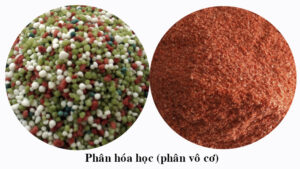
In modern agricultural production, inorganic fertilisers are generally divided into two main groups: Single fertilisers (Straight fertilisers); Compound or complex fertilisers. Below are some of the most commonly used inorganic fertilisers among farmers today:
Nitrogen Fertilisers (N)
Nitrogen fertilisers help plants grow rapidly, promote strong stems and lush foliage, encourage tillering or branching, and ultimately increase yield.
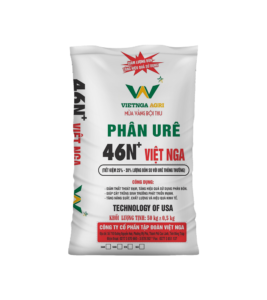
- Urea ((NH₂)₂CO): Contains 44–48% nitrogen, usually in the form of white crystals or small granules. It is highly effective on many types of soil and crops.
- Ammonium nitrate (NH₄NO₃): Contains 33–35% nitrogen, suitable for upland crops such as maize and sugarcane. However, it tends to cake easily, making it harder to store.
- Ammonium sulphate (SA – (NH₄)₂SO₄): Contains 20–21% nitrogen and 24–25% sulphur, ideal for poor or degraded soils, and commonly used for peanut and legume crops.
- Ammonium chloride (NH₄Cl): Contains 24–25% nitrogen, easy to handle and non-caking, but not recommended for saline soils.
Phosphorus Fertilisers (P)
Phosphorus fertilisers promote root development, strengthen the plant structure, improve fruit setting, and enhance resistance to adverse conditions.
- Phosphate rock / Apatite fertiliser: Contains 15–38% phosphorus (P₂O₅) in a fine brown powder form. It can help neutralise soil acidity and is often used as a basal fertiliser before planting.
- Superphosphate: Contains 16–20% phosphorus, usually appearing as a fine greyish-white powder. It is highly soluble and suitable for acidic, neutral, and alkaline soils, making it one of the most widely used phosphorus fertilisers in agriculture.Supe lân: Chứa 16–20% lân, dạng bột mịn màu trắng xám, dễ tan, phù hợp với đất chua, đất trung tính và đất kiềm.
Potassium Fertilisers (K)
Potassium fertilisers help plants resist pests, diseases, and harsh weather conditions, while also enhancing the quality of agricultural products — improving sweetness, colour, firmness, and overall yield quality.
- Potassium Chloride (KCl): Contains 50–60% potassium, with a reddish-pink crystalline appearance similar to coarse salt. It is easy to apply but tends to absorb moisture easily.
- Potassium Sulphate (K₂SO₄): Contains 45–50% potassium and an additional 18% sulphur. It is well-suited for sensitive crops such as tea, coffee, and vegetables, as it does not add chlorine to the soil.
- Potassium–Magnesium Sulphate (K₂SO₄·MgSO₄): Contains 20–30% potassium, 5–7% magnesium, and 16–22% sulphur. It comes in dry, coarse granules that are non-caking and easy to handle, providing multiple nutrients in a single application.
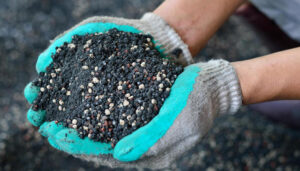
Compound and Mixed Fertilisers (NPK and Others)
Compound fertilisers supply two or three major nutrients (N, P, K) in a single application, helping farmers save labour and increase fertiliser efficiency.
- NPK (blended or complex): The most common type, suitable for a wide range of crops and growth stages. It provides a balanced nutrient supply to support uniform plant development.
- DAP ((NH₄)₂HPO₄), MAP (NH₄H₂PO₄), and KNO₃: These are complex fertilisers that deliver two or three key nutrients simultaneously, offering quick absorption and high efficiency in promoting crop growth.
- Secondary and Micronutrient Fertilisers: Contain elements such as calcium (Ca), magnesium (Mg), iron (Fe), zinc (Zn), and copper (Cu). These nutrients help strengthen plant resistance, improve quality, and enhance yield stability.
The Role and Benefits of Inorganic Fertilisers for Crops
Inorganic fertilisers are a vital nutrient source that enables crops to grow rapidly, develop healthily, and achieve high yields. Depending on their nutrient composition, each type of inorganic fertiliser offers distinct benefits and applications to support optimal plant performance.
- Nitrogen (N): Nitrogen promotes vigorous stem and leaf growth, encouraging branching and the formation of large, healthy leaves. It plays a key role in the synthesis of chlorophyll, enzymes, and vitamins, thereby supporting the plant’s overall metabolic processes. Adequate nitrogen supply results in strong, lush growth and significantly increases crop productivity.
- Phosphorus (P): Phosphorus is essential for the formation of roots, flowers, and fruits. It helps develop a deep and widespread root system, improving nutrient and water uptake. This allows plants to become stronger, more resistant to lodging, and better able to withstand drought conditions. Additionally, phosphorus enhances flowering and fruit setting, ensuring higher fruit quality and yield.
- Potassium (K): Potassium supports the conversion and utilisation of nutrients within the plant. It also boosts disease and stress resistance, helping crops withstand pests, cold, and drought. Importantly, potassium contributes to better fruit firmness, colour, flavour, and longer storage life, making it a vital element for improving crop quality and post-harvest value.
Advantages and Disadvantages of Inorganic Fertilisers
| Advantages | Limitations |
| Inorganic fertilisers contain a high level of nutrients, helping to reduce transportation and storage costs. | Over-application or improper use can cause nutrient burn or toxicity, negatively affecting crop growth. |
| Plants absorb nutrients rapidly, allowing farmers to meet growth demands promptly — especially during critical crop stages. | Long-term use may lower soil pH, leading to soil degradation and reduced fertility over time. |
| Often used as top-dressing fertilisers, they deliver visible and fast results in a short period of time. | Excess residues of heavy metals and mineral salts can contribute to environmental contamination if misused. |
| Some compound or complex fertilisers can provide two to three essential nutrients simultaneously, improving efficiency and convenience. | Farmers should apply agricultural lime periodically when using inorganic fertilisers for extended periods, to restore soil balance and prevent acidification. |
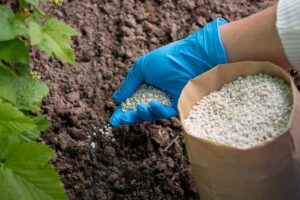
Impact of Inorganic Fertilisers on Soil and the Environment
Inorganic fertilisers help crops grow quickly and vigorously by providing essential nutrients in readily available forms. However, excessive or improper use can have several negative consequences on both soil health and the environment.
Overuse of chemical fertilisers can cause soil acidification, loss of soil porosity, and a decline in beneficial microorganisms. Over time, the soil becomes degraded and less fertile, leading to weaker plants that are more susceptible to pests and diseases. To restore soil balance, farmers often need to apply agricultural lime to neutralise acidity and improve soil structure.
In addition, inorganic fertilisers can be easily leached into groundwater or washed into rivers and streams, causing water pollution that affects aquatic life and even human health. Excessive use also disrupts ecological balance, as residual chemicals can enter the food chain, posing risks to humans, livestock, and wildlife.
Moreover, the production and excessive application of chemical fertilisers contribute to greenhouse gas emissions, which increase global temperatures and worsen climate change.
When used responsibly and in combination with organic amendments, inorganic fertilisers can support sustainable farming, ensuring both high productivity and environmental protection.
Comparison Between Inorganic and Organic Fertilisers – Which Should You Choose?
| Criteria | Organic Fertiliser | Inorganic (Chemical) Fertiliser |
| Origin | Derived from natural materials such as animal manure, green compost, food waste, earthworm castings, and beneficial microorganisms. | Produced industrially from chemical compounds, including nitrogen (N), phosphorus (P), potassium (K), complex and micronutrient fertilisers. |
| Nutrient Content | Low but stable; mainly adds organic matter and trace nutrients to the soil. | High nutrient concentration, but may cause nutrient excess or toxicity if misapplied. |
| Solubility & Effectiveness | Slow-release, offering long-term benefits for both soil and plants. | Fast-acting; nutrients are quickly absorbed, producing visible results within a few days. |
| Application Method | Mainly used as basal fertiliser to improve soil structure before planting. | Commonly used as top-dressing fertiliser to stimulate flowering and fruiting effectively. |
| Crop Quality | Produces natural-looking but high-quality and safe crops. | Produces visually attractive fruits, but they often have a shorter storage life. |
| Impact on Soil | Improves soil porosity, moisture retention, and humus content; reduces nutrient loss. | Long-term overuse can acidify the soil and cause nutrient imbalance. |
| Environmental Impact | Eco-friendly, helps maintain ecological balance and supports soil biodiversity. | May pollute water sources and destroy beneficial microorganisms if applied excessively. |
Farmers are encouraged to combine organic and inorganic fertilisers flexibly to make the most of each type’s advantages. While organic fertilisers help improve soil health and ensure long-term protection, inorganic fertilisers provide quick nutrition and promote rapid crop growth. When used properly and in the right dosage, this balanced approach brings sustainable benefits for both crops and soil fertility.
Safe and Effective Use of Inorganic Fertilisers
Proper Dosage – Timing – and Application Method
To apply inorganic fertilisers correctly, farmers should pay close attention to the right dosage, timing, and application method depending on the type of crop and soil conditions.
- Dosage:Avoid over-application, as it can lead to nutrient toxicity such as leaf burn, flower or fruit drop, and root damage, or cause imbalanced growth (excessive leaves but few fruits). Overuse may also increase soil salinity and acidity, reducing the number of beneficial microorganisms.
The best practice is to follow the instructions on the fertiliser packaging or seek advice from agricultural technicians for precise recommendations. - Timing:Fertilisers should be applied according to the plant’s growth stage. For example: During the early stage, crops require more nitrogen (N) to promote stem and leaf growth. During flowering, they need more phosphorus (P) to support blossom formation. During fruiting, they require potassium (K) to enhance fruit quality and size. Farmers should avoid fertilising during heavy rain, intense sunlight, or when plants are weak, as this can reduce effectiveness or even damage the crops.
- Application method:Fertiliser can be applied as basal (pre-planting) or top-dressing depending on the type. When applying, gently mix the fertiliser into the soil to prevent direct contact with roots, which can cause burning. If fertilising through irrigation, it is best to dilute the fertiliser so that plants can absorb nutrients easily without experiencing fertiliser shock.

Important Notes When Using Inorganic Fertilisers
To ensure maximum efficiency and safety for both crops and the environment, farmers should keep in mind the following key points:
- Choose the right type of fertiliser:Each crop and each growth stage requires different nutrients. Using the wrong fertiliser may cause nutrient deficiency or excess, leading to imbalanced growth and lower yields. Always select fertilisers that match the plant’s nutritional needs and growth phase.
- Avoid overuse of inorganic fertilisers:Although chemical fertilisers deliver quick results, excessive use can harm crops, degrade soil, and pollute water sources. It is best to combine inorganic fertilisers with organic or bio-fertilisers to improve soil health and protect the ecosystem.
- Monitor plant conditions regularly:If plants show unusual signs such as yellowing leaves, wilting, flower drop, or poor fruiting, it may be due to incorrect fertiliser use. In such cases, stop fertilising immediately, flush the soil with clean water, apply organic matter, and prune damaged parts to help the plant recover.
- Adjust based on weather and soil conditions:During heavy rains or in low-lying, poorly drained soils, nutrients can be easily leached out — so divide the fertiliser into smaller doses applied multiple times. For acidic soils, avoid fertilisers with strong acidity ; For alkaline soils, limit those with high alkalinity to maintain soil balance.
Conclusion
Inorganic fertilisers are one of the key nutritional solutions that help farmers increase crop productivity in the era of modern agriculture. Although they are fast-acting and easy to apply, when properly combined with organic fertilisers and applied correctly, farmers can achieve both short-term economic efficiency and long-term soil fertility. Viet Nga Agri hopes that this article has helped farmers gain a clearer understanding of inorganic fertilisers and apply them effectively in their farming models for sustainable and productive cultivation.

Related news

The Role of Base Fertilization in Soil Improvement and Enhancing Agricultural Fertility
Measures to Improve and Treat Saline Soil

Winter-Spring rice blast warning – Don’t let leaf and flower burns rob you of your golden crop

Rice Sowing Techniques for the Early Winter–Spring Crop

What Is Slow-Release Fertilizer? Learn How to Use It Effectively