Carbon Credits – A Promising Product for Vietnamese Agriculture
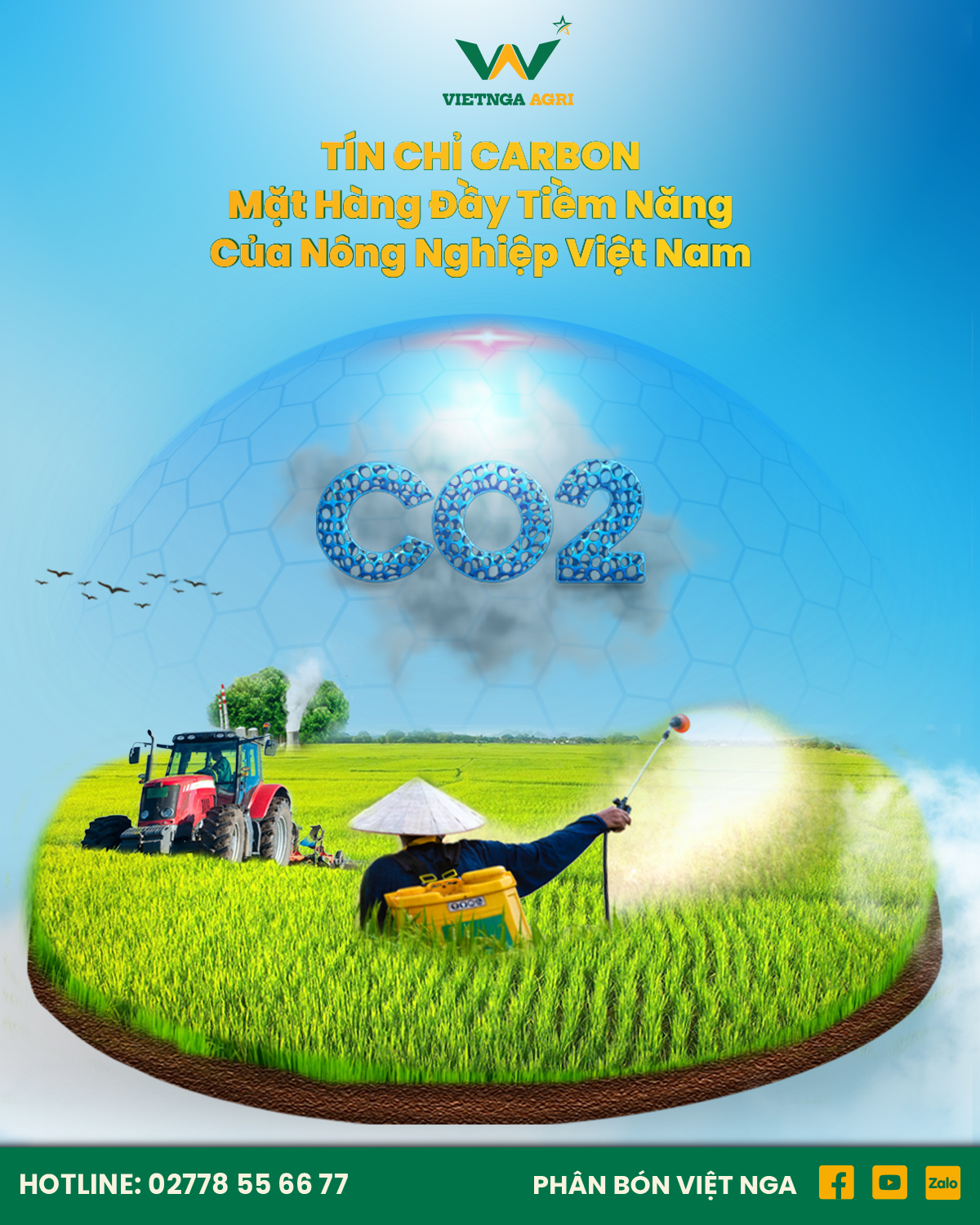
According to statistics from the Intergovernmental Panel on Climate Change (IPCC) in 2019, agriculture is the basic material production sector of society, feeding people but also responsible for more than 20% of CO2 emissions into the atmosphere.
Following the trend of sustainable agricultural development and minimizing environmental impact, carbon credits are gradually becoming a sought-after commodity by major players in the agricultural industry, offering high profitability. Below, Viet Nga Fertilizer invites farmers to learn more about carbon credits.
1. What are Carbon Credits?
According to the Ministry of Natural Resources and Environment, 46 countries and 35 territories have so far implemented carbon pricing, with the participation of tens of thousands of large corporations and businesses. Each carbon credit is equivalent to one ton of CO2 emissions and is valued at $5 USD. This commodity generated approximately $95 billion in revenue for the global economy in 2022 alone.
Originating from the Kyoto Protocol of 1997, countries with excess emission rights can sell or purchase them from countries that emit more or less than their committed targets. This created a new type of commodity: greenhouse gas emission reduction/absorption certificates, also known as carbon credits.
In recent years, as the world strives to reduce CO2 emissions in accordance with the 2022 Paris Agreement, global climate change response efforts by nations have entered a new phase. With the goal of reducing global carbon emissions by 32 billion tons by 2100, carbon credits have once again become highly sought after.
There are three types of carbon credits that are widely traded through activities such as: planting and protecting forests, using renewable energy (solar panels, wind turbines, etc.), and using resources efficiently (land, water, etc.).
2. Despite its great potential, Vietnam’s carbon credits remain largely untapped.
On January 7, 2022, Decree 06/2022/ND-CP, regulating greenhouse gas emission reduction and ozone layer protection, was officially passed. This lays the groundwork for developing a domestic carbon market – one of the economic tools included in the amended Environmental Protection Law recently approved by the National Assembly.
According to representatives from the Ministry of Agriculture and Rural Development, Vietnam currently has an annual carbon credit reserve of 50 million credits. With 15 million hectares of forest land and 12 million hectares of agricultural land (in 2020), many localities and regions have significant potential for trading this special commodity. Considering only Tuyen Quang province – the leading province in the country in terms of total forest area and forest cover (nearly 450,000 hectares with a cover rate of over 65%) – it could store 4 million tons of carbon in its forests annually, equivalent to approximately 4 million carbon credits available for sale.
Looking at neighboring countries, Indonesia and Cambodia have already launched and offered forest carbon credits before Vietnam. Singapore is also expected to establish a carbon credit market in 2024.
However, Vietnam has not yet established a domestic carbon market, so there is no basis for transferring these credits to foreign buyers. Specifically, there is currently a lack of regulations on the transfer of ownership of carbon credits and financial regulations from this revenue. According to the decree being drafted by the Ministry of Natural Resources and Environment, Vietnam will not have a carbon market until 2027.
3. Agricultural solutions from Viet Nga Fertilizer
Besides perennial forests, industrial crops, and fruit trees, rice cultivation areas also have enormous potential for carbon credit production. According to data from the Ministry of Agriculture and Rural Development in 2022, the area of wet rice cultivation in Vietnam was 7.1 million hectares.
Despite being a staple crop, rice emits many harmful gases such as CH4, CO2, and NO2. There are many reasons for this, including the need for constantly flooded fields, the practice of burning rice paddies, and excessive fertilization. Reducing emissions using the “5 Right, 1 Balanced” principle could achieve a carbon footprint of 8 credits/hectare/year.
Understanding this situation, Viet Nga Fertilizer has researched and brought to farmers balanced, environmentally friendly fertilizers such as GONECO 06 organic fertilizer, VNG Organic Green 666 organic fertilizer, and GRON 75% organic fertilizer.
In addition to providing complete and balanced nutrition for plants, these fertilizers also improve and increase the nutrient content in the soil. Please contact our hotline: 02778 55 66 77 to purchase and experience Viet Nga Fertilizers firsthand!
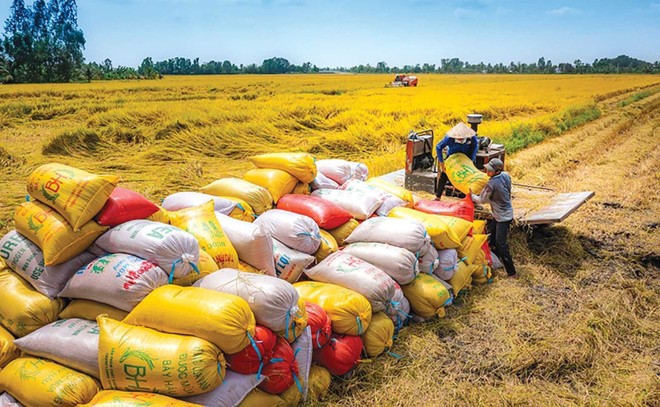

Related news
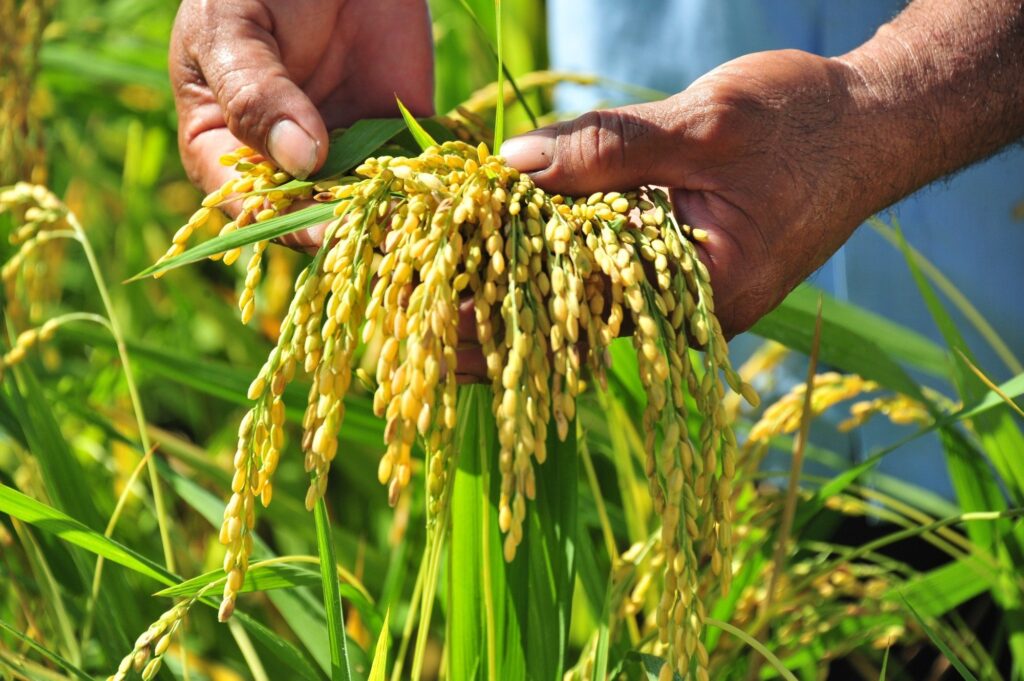
Asia’s Fertilizer Market “Out of Sync”: Crop Prices Fail to Keep Pace with Rising Costs
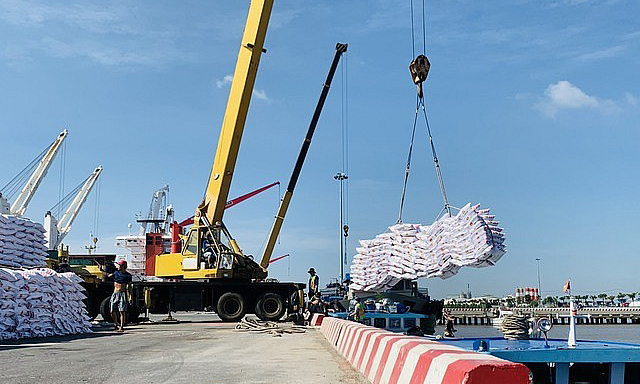
Middle East Conflict Drives Fertilizer Prices Higher, Supply Faces Risk of Disruption
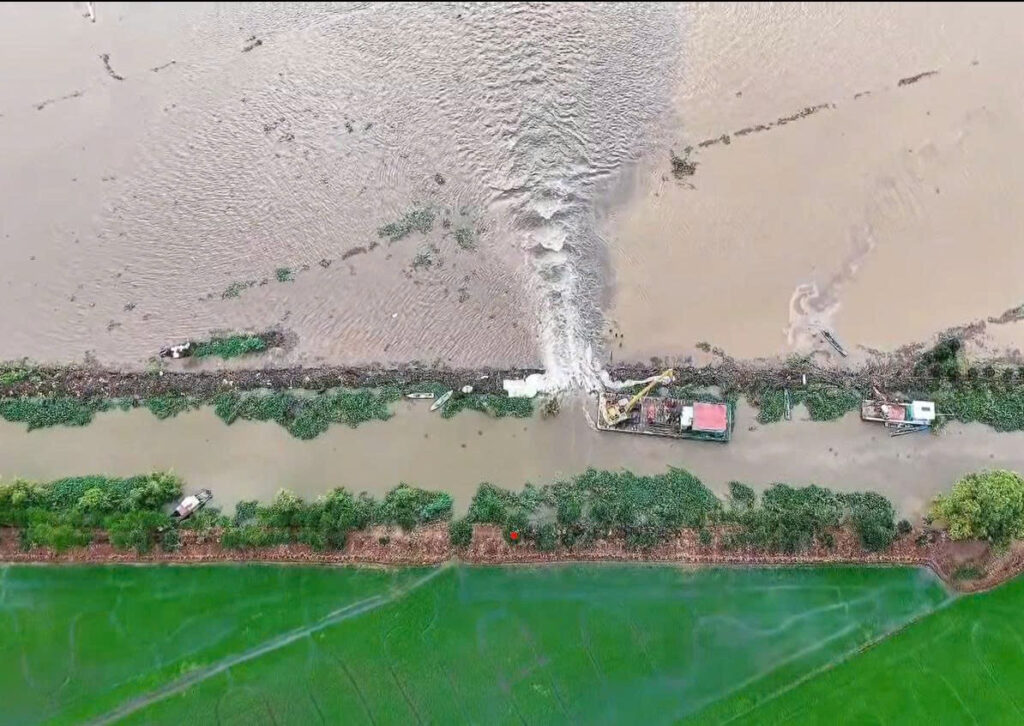
Widespread Heavy Rain in Southern Vietnam – Farmers Need to Take Proactive Measures to Protect Their Crops
In 10 Months, Vietnam’s Cashew Industry Completed Its Export Plan
China Purchased 1.5 Million Tons of Durian in 10 Months