How Much Capital Do You Need to Open a Fertilizer Store? Cost Table by Store Size
Date
Contents· 5 sectionsExpandCollapse
How much capital you need to open a fertilizer store is the first question most people ask when starting a farm supply business. The amount is not fixed: it depends on the store size, whether you already have premises or need to rent, how many products you want to stock and the supplier's credit policy. This article breaks the capital down item by item so you can estimate it for your own store.
What does the capital for a fertilizer store cover?
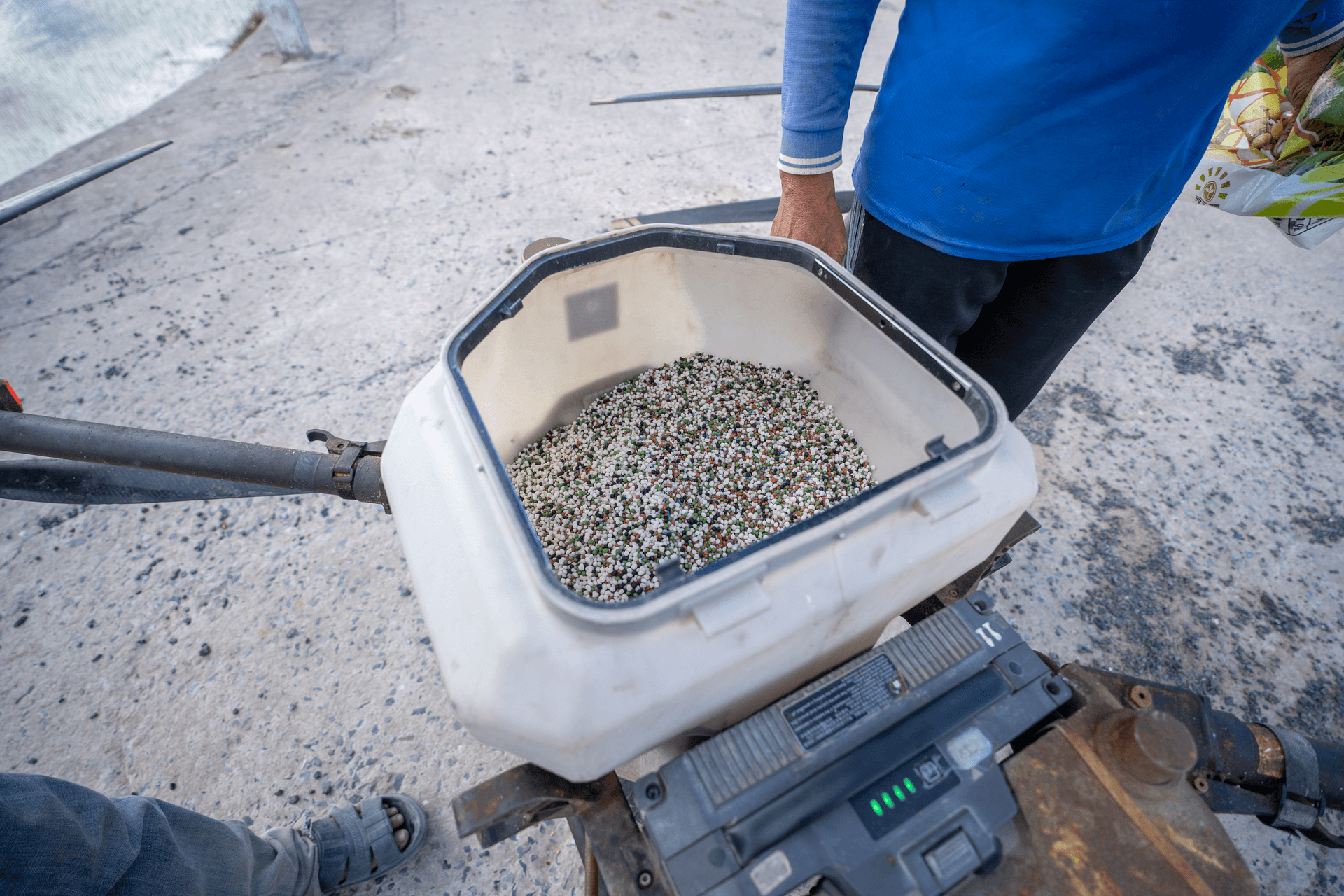
A fertilizer store needs 5 main groups of costs:
- First stock order: the largest item, usually most of the total capital. It covers the best-selling products: nitrogen (urea), DAP, potash, NPK and a few specialized fertilizers suited to the crops in your area.
- Premises and storage: rent (or repairs if you use your own house), shelves and moisture-proof pallets. Fertilizer must be kept in a dry place, raised off the floor.
- Legal papers: household business registration, a certificate of eligibility to trade fertilizer and a professional training certificate for the seller.
- Vehicles and tools: scales, hand trucks and a delivery vehicle (if you deliver to farmers yourself).
- Reserve working capital: to sell on credit to farmers during the season and to restock in the peak period.
Capital estimate table for 3 store sizes
Cost item | Small store (at home) (VND) | Medium store | Large dealer with warehouse |
|---|---|---|---|
First stock order | 150 - 250 | 350-600 | 800-1,500 |
Premises, storage, shelves | 10-20 | 30-50 | 80-150 |
Papers, certificates | 2-5 | 3-7 | 5-10 |
Vehicles, tools | 5-10 | 15-30 | 40-80 |
Reserve for credit sales | 30-50 | 70-120 | 150-300 |
Total | 197-335 | 468-807 | 1,075-2,040 |
Unit: million VND
Note: the fertilizer price table on this website is for reference only and follows market movements. Actual prices may vary with the delivery area, order quantity and time of purchase. You can see the latest reference prices on the Fertilizer prices today page to estimate your stock capital.
How to reduce your starting capital
- Start with a few best-selling products: nitrogen, DAP, potash and 2–3 NPK formulas suited to the main crops in your area (rice, fruit trees or vegetables), then expand once you have customers.
- Choose a supplier that delivers small orders: you do not need to hold a lot of stock and can order weekly as needed.
- Ask clearly about the credit policy: a supplier that allows rolling credit greatly reduces your working capital.
- Use premises you already have: many small stores in the Mekong Delta start right in a house facing the road.
Paperwork to prepare before selling
Besides capital, you need to complete your paperwork before bringing stock in to sell. The detailed list and the latest regulations are in the article Fertilizer business conditions from 2027. If you plan to sell pesticides as well, you need a separate certificate for that product group.
How to choose a supplier so stock does not tie up cash
- The supplier has enough stock in the peak season, so you do not have to stockpile in advance.
- Products carry a clear fertilizer code and labels that meet regulations. See how to check in the article Looking up fertilizer codes.
- Engineers support farmers with advice, helping the store sell specialized products at a better margin.
- Delivery to your door, even for small orders.
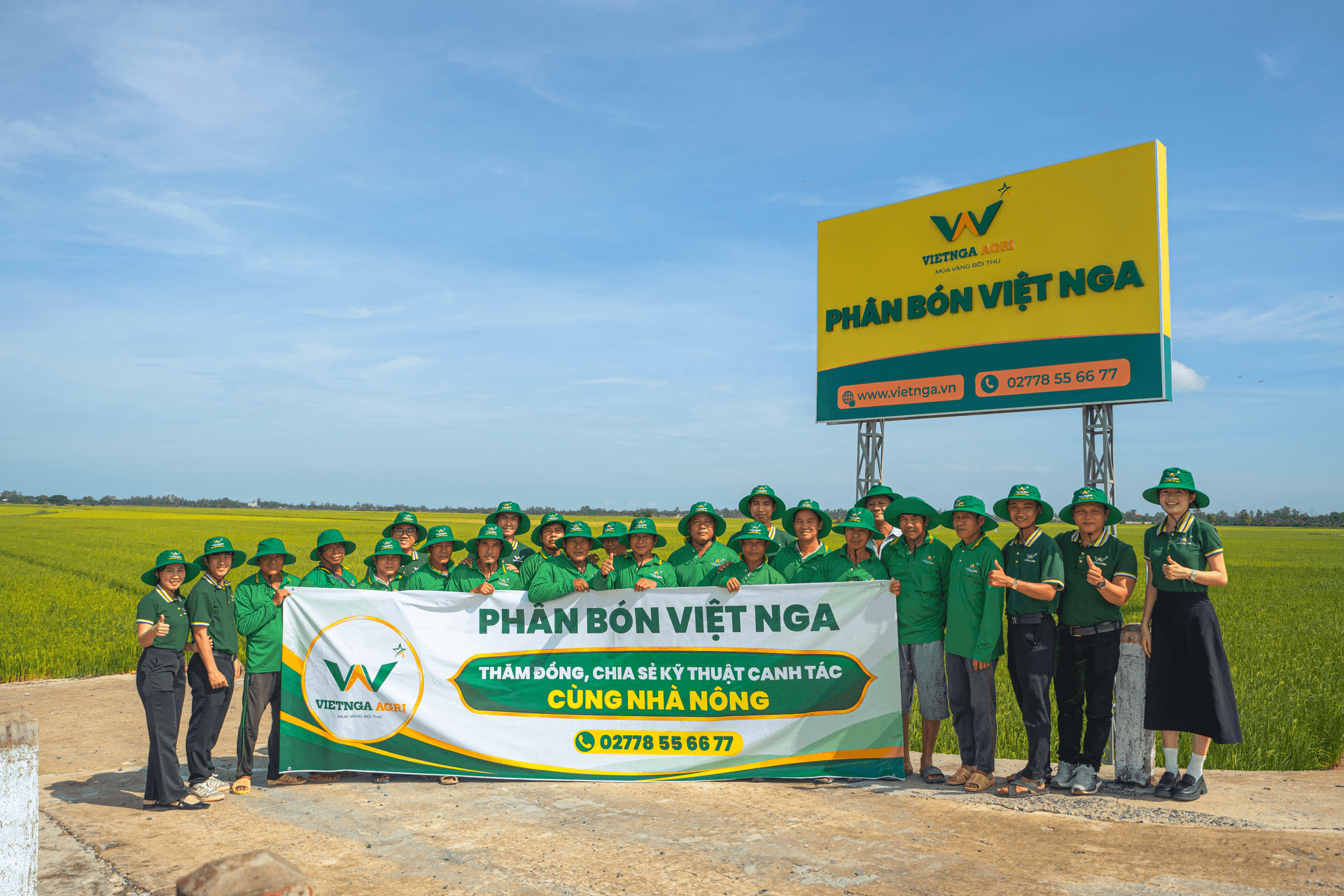
Viet Nga Fertilizer is a level-1 distributor of Ca Mau urea and Phu My urea, has its own factories and supplies more than 700 dealers across the Mekong Delta. See the path to becoming a dealer with Viet Nga on the Open a fertilizer dealership page, or read more about experience opening a fertilizer dealership and opening a farm supply store from A to Z.
Become a Viet Nga fertilizer dealer
Leave your phone number and our regional specialist will call you back about capital, products and paperwork.
- Tier-1 distributor of Ca Mau and Phu My urea – stock every season
- Own ISO 9001:2015 factory, Vietnamese High-Quality Goods
- Zoned products – no overlap with nearby dealers