The Importance of the “1 Million Hectares of High-Quality Rice” Project for the Mekong Delta
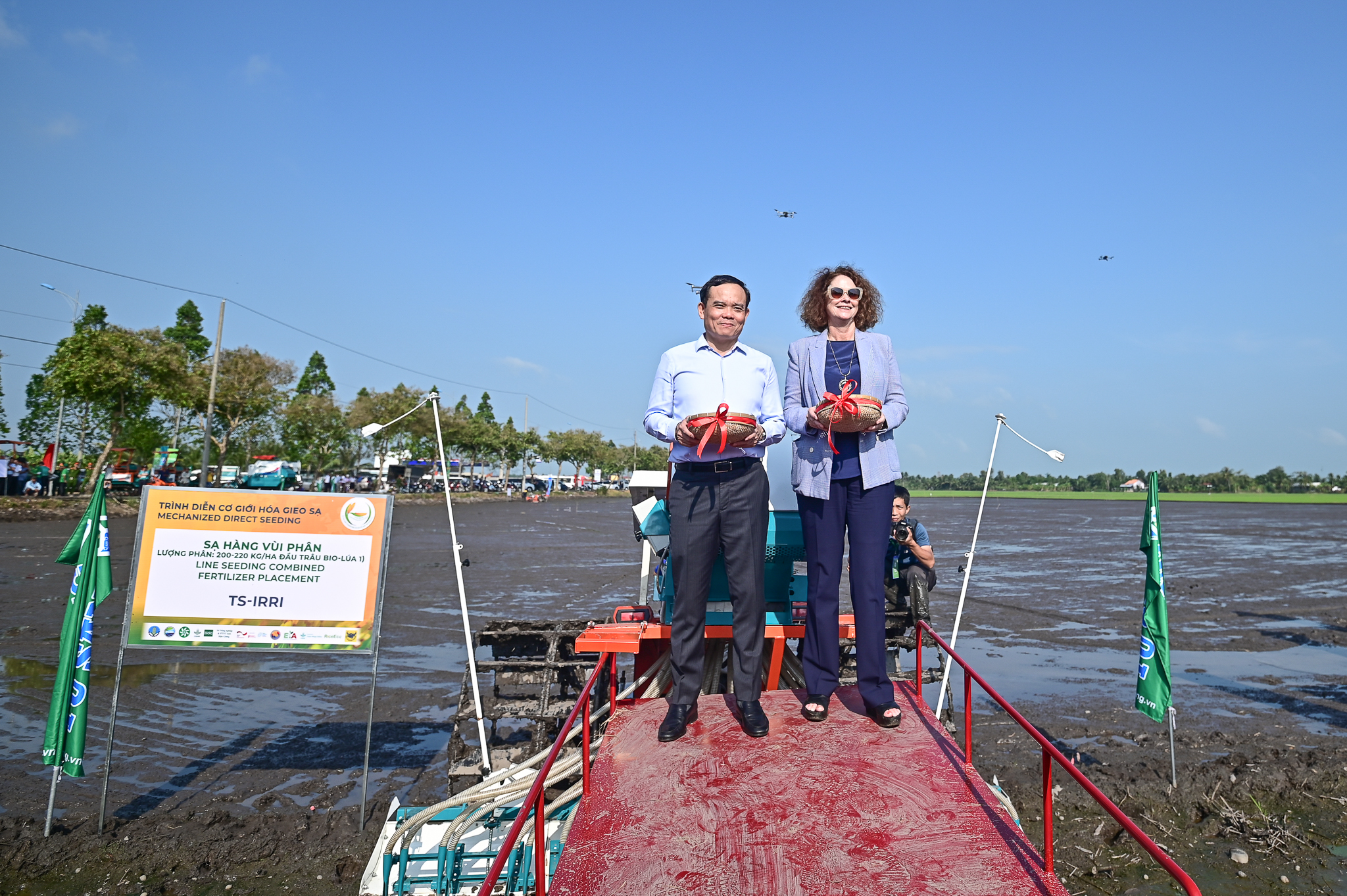
The International Rice Research Institute (IRRI) and the World Bank are committed to working alongside the Vietnamese Government on this project.
As the largest rice-producing region in the country and having achieved many successes in 2023, the Mekong Delta region still faces constant challenges. In recent years, besides issues of crop yields and prices, climate change and saltwater intrusion have been problems that farmers and local authorities need to address.
The Party and State of Vietnam recognize the importance of modernizing farming systems, conserving resources, and reducing environmental impacts. Therefore, on November 27, 2023, Deputy Prime Minister Tran Luu Quang signed Decision No. 1490 approving the Project “Sustainable Development of 1 Million Hectares of High-Quality, Low-Emission Rice Cultivation, Linked to Green Growth in the Mekong Delta by 2030,” with the goal of reaching 1 million hectares of high-quality, low-emission rice cultivation by 2030.
This event marks a turning point for Vietnam’s rice agriculture in general and the Mekong Delta in particular because: Vietnam is the first country to develop a plan for one million hectares of high-quality, low-emission rice, demonstrating its responsibility to the international community. At the same time, it contributes to green growth and aims for net-zero emissions by 2050, while also enhancing the value of the rice industry and increasing farmers’ income.
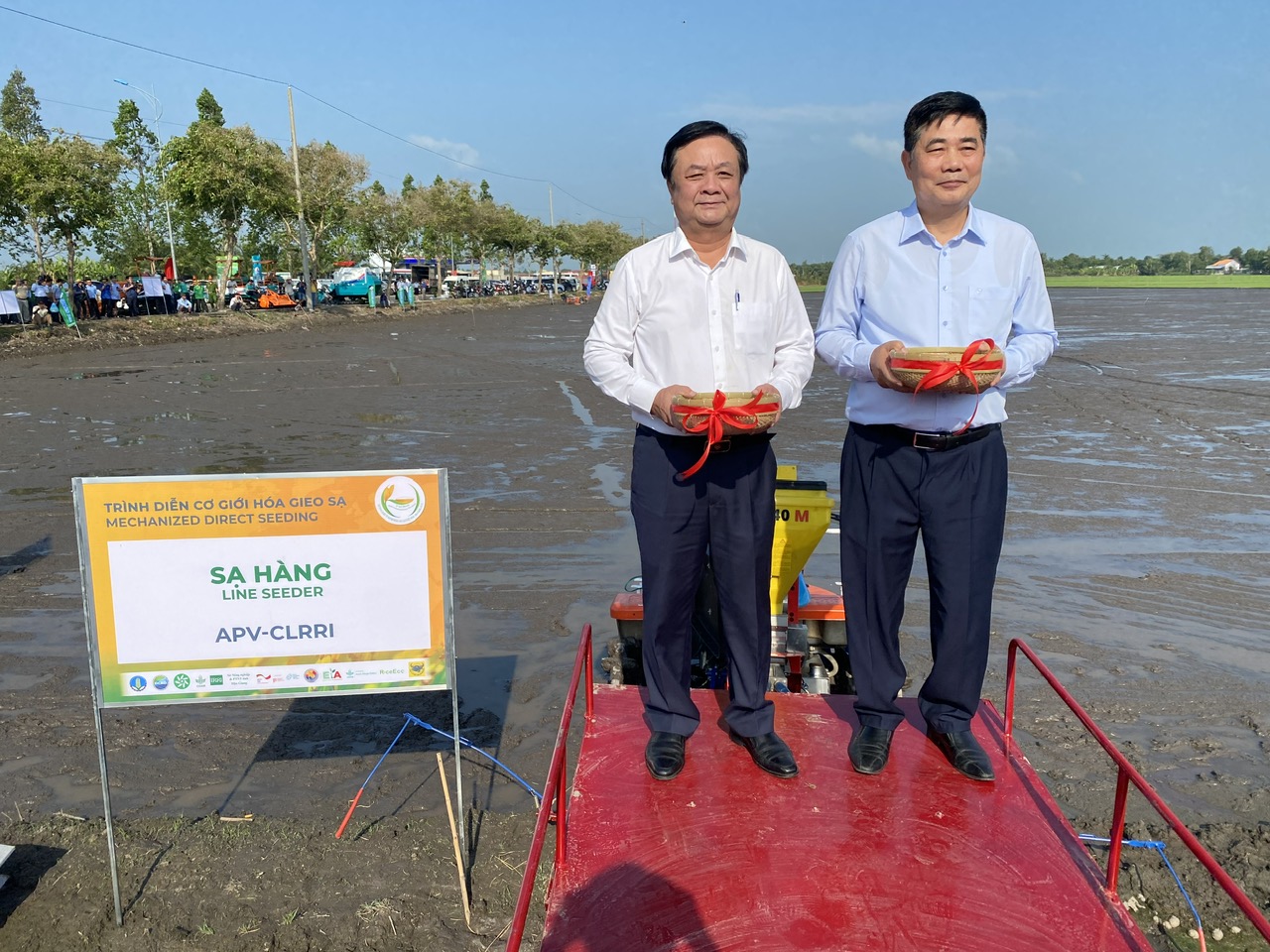
Minister Le Minh Hoan shared that during the implementation of the Project, new policies will be piloted, such as: carbon credit payments based on results; focusing on low-emission production associated with green growth; developing a circular agricultural economy, maximizing the use of by-products from rice production; exploiting multiple values, creating many processed products from rice, etc.
The high-quality rice production project is divided into two phases and implemented in 12 provinces and cities: An Giang, Kien Giang, Dong Thap, Long An, Soc Trang, Can Tho, Bac Lieu, Tra Vinh, Hau Giang, Ca Mau, Tien Giang, and Vinh Long; with a total area of approximately 1 million hectares dedicated to rice cultivation by 2030.
The Minister also called for coordination and cooperation from localities and farmers to ensure the project achieves the expected success. This is because rice production is a sector vulnerable to climate change but also contributes significantly to carbon emissions and consumes many resources. This project is seen as the first steps in the transformation of agriculture, carrying the hope of soon reaping positive values for the future.

Related news
Asia’s Fertilizer Market “Out of Sync”: Crop Prices Fail to Keep Pace with Rising Costs
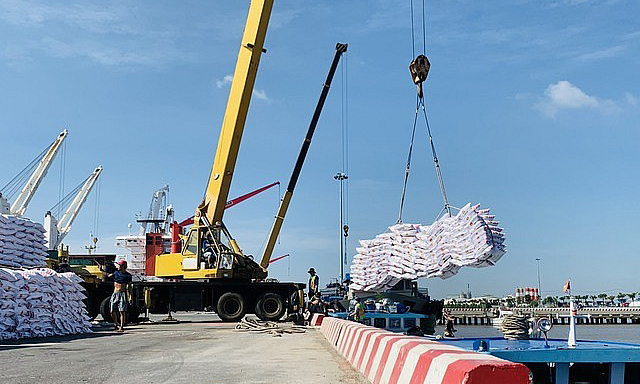
Middle East Conflict Drives Fertilizer Prices Higher, Supply Faces Risk of Disruption
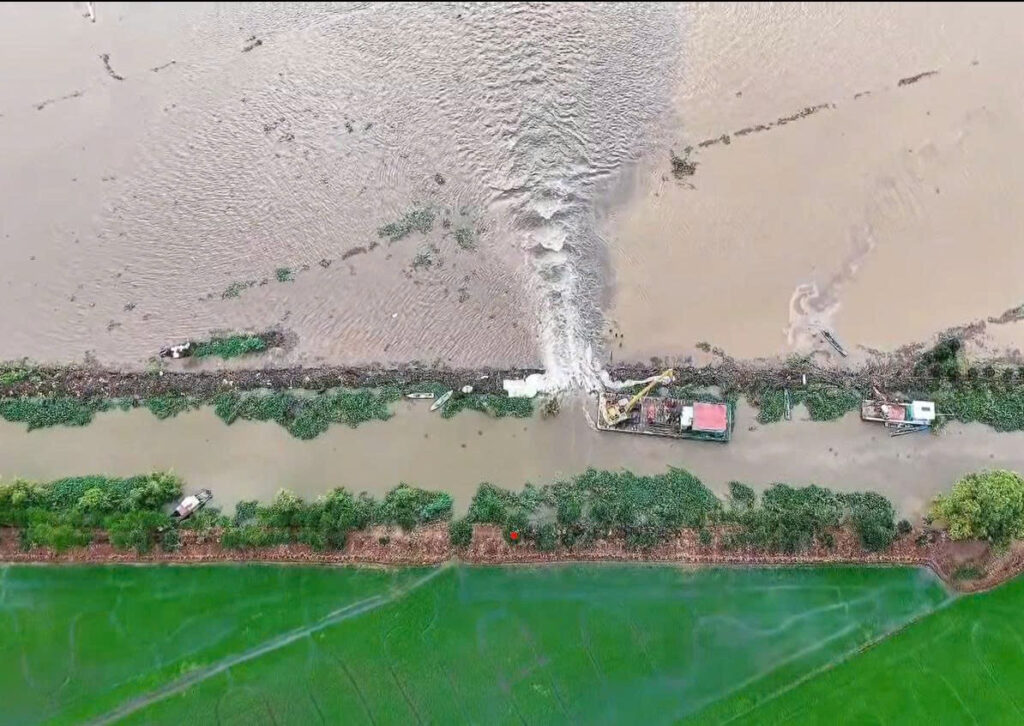
Widespread Heavy Rain in Southern Vietnam – Farmers Need to Take Proactive Measures to Protect Their Crops
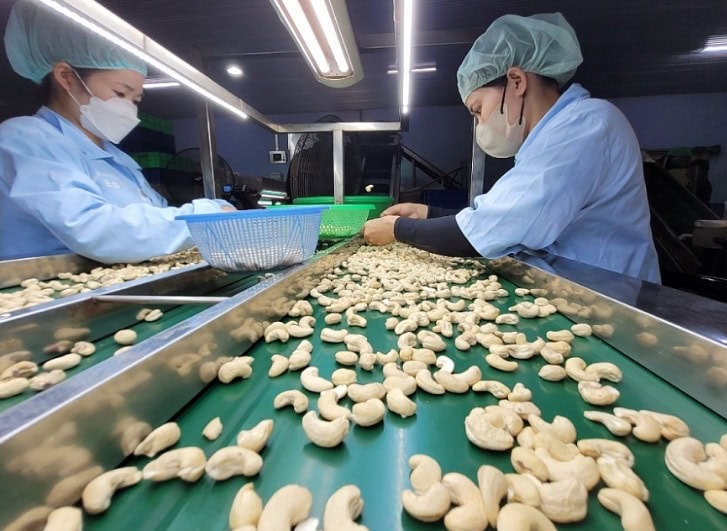
In 10 Months, Vietnam’s Cashew Industry Completed Its Export Plan
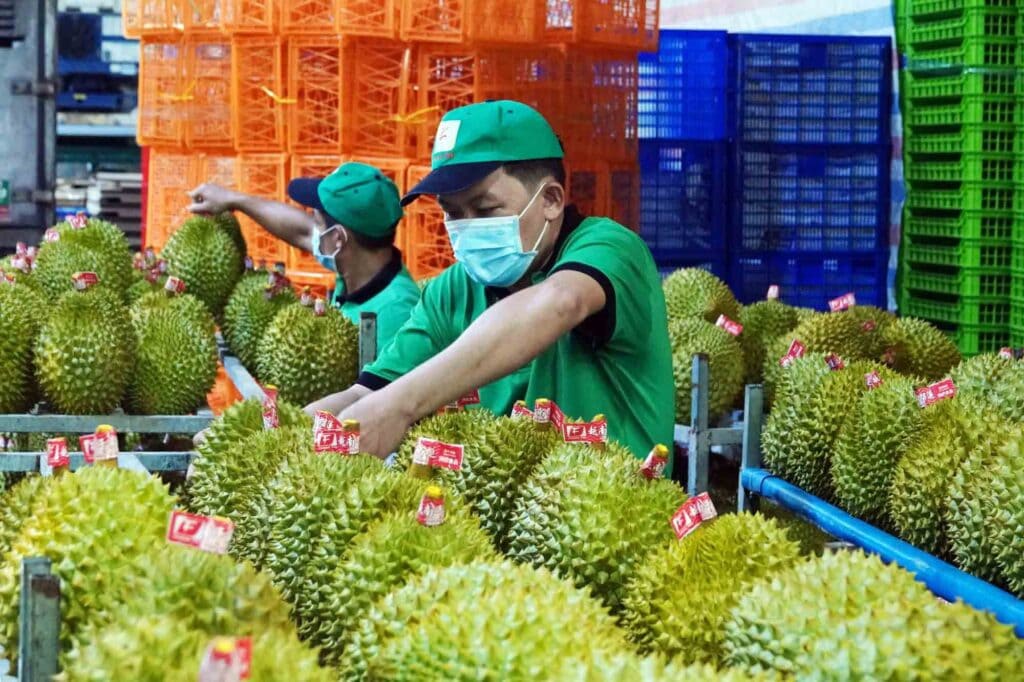
China Purchased 1.5 Million Tons of Durian in 10 Months