TRVC Project Promotes Gender Equality and Disability Inclusion in the Rice Value Chain
Date
Contents· 6 sectionsExpandCollapse
- Gender equality and disability inclusion in the rice value chain
- Enhancing the role and participation of women in the rice value chain
- Including people with disabilities in production and community activities
- Strengthening dialogue and listening to voices from the field
- Equality and inclusion help build an inclusive rice value chain
- Continuing the journey toward a sustainable rice value chain
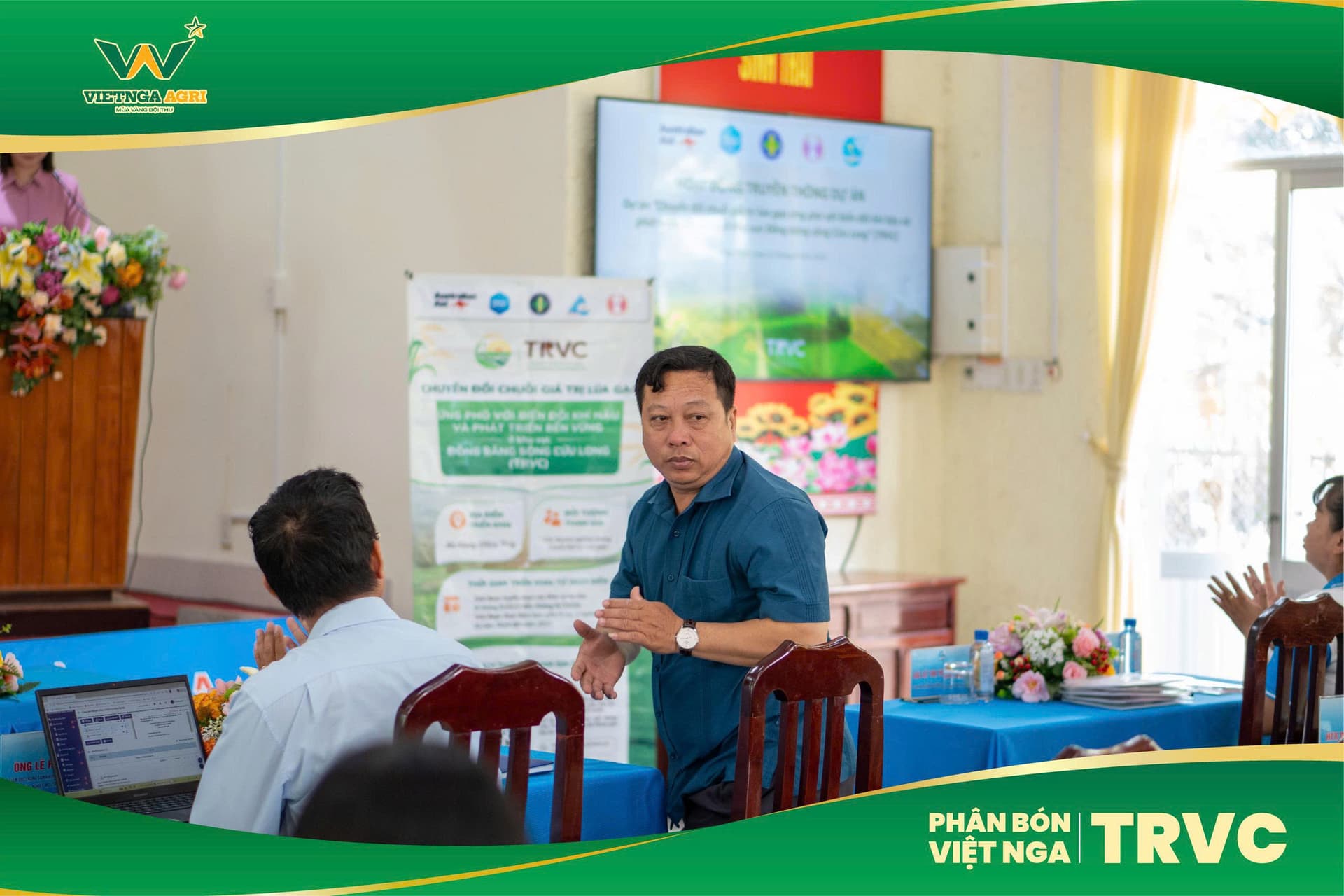
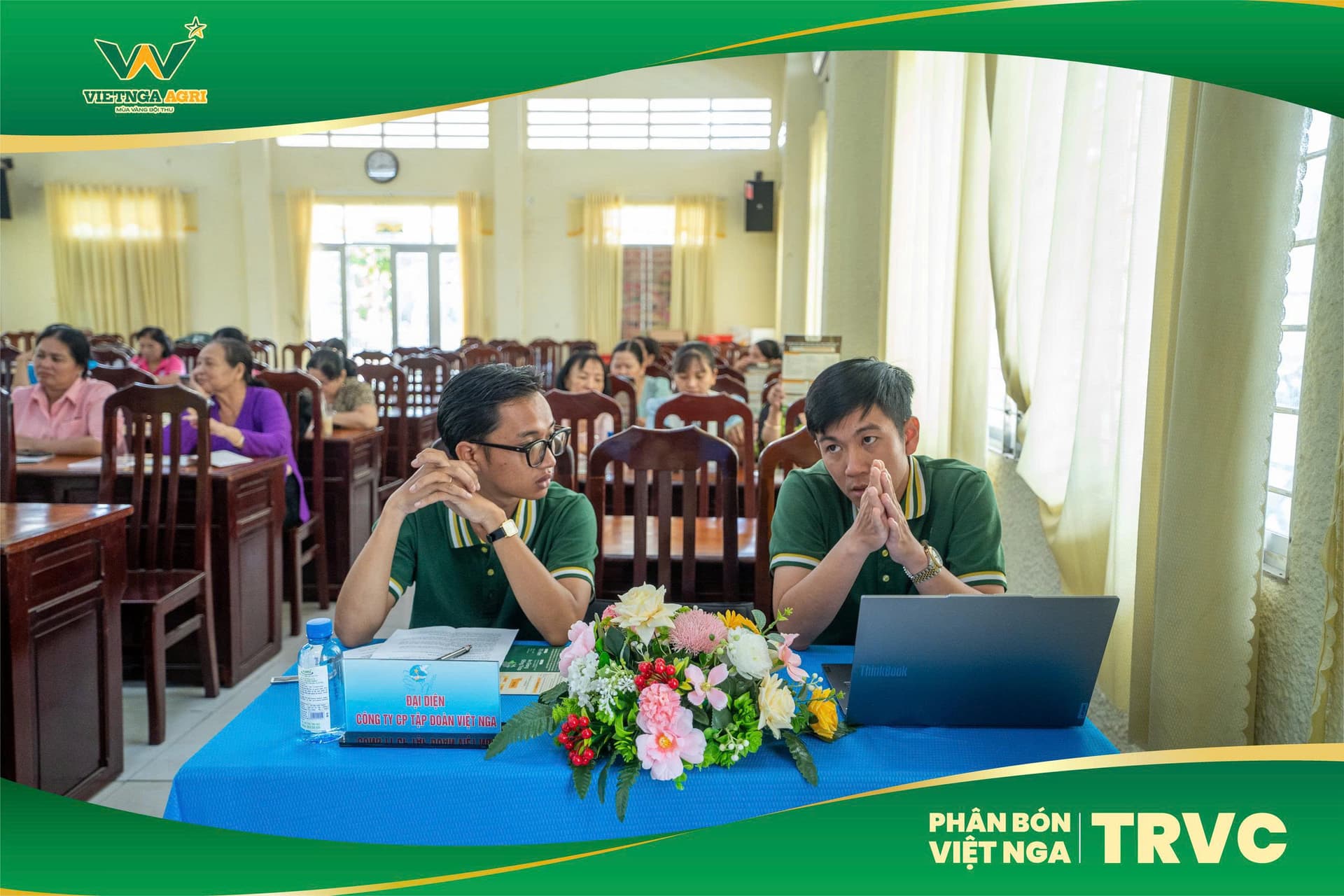
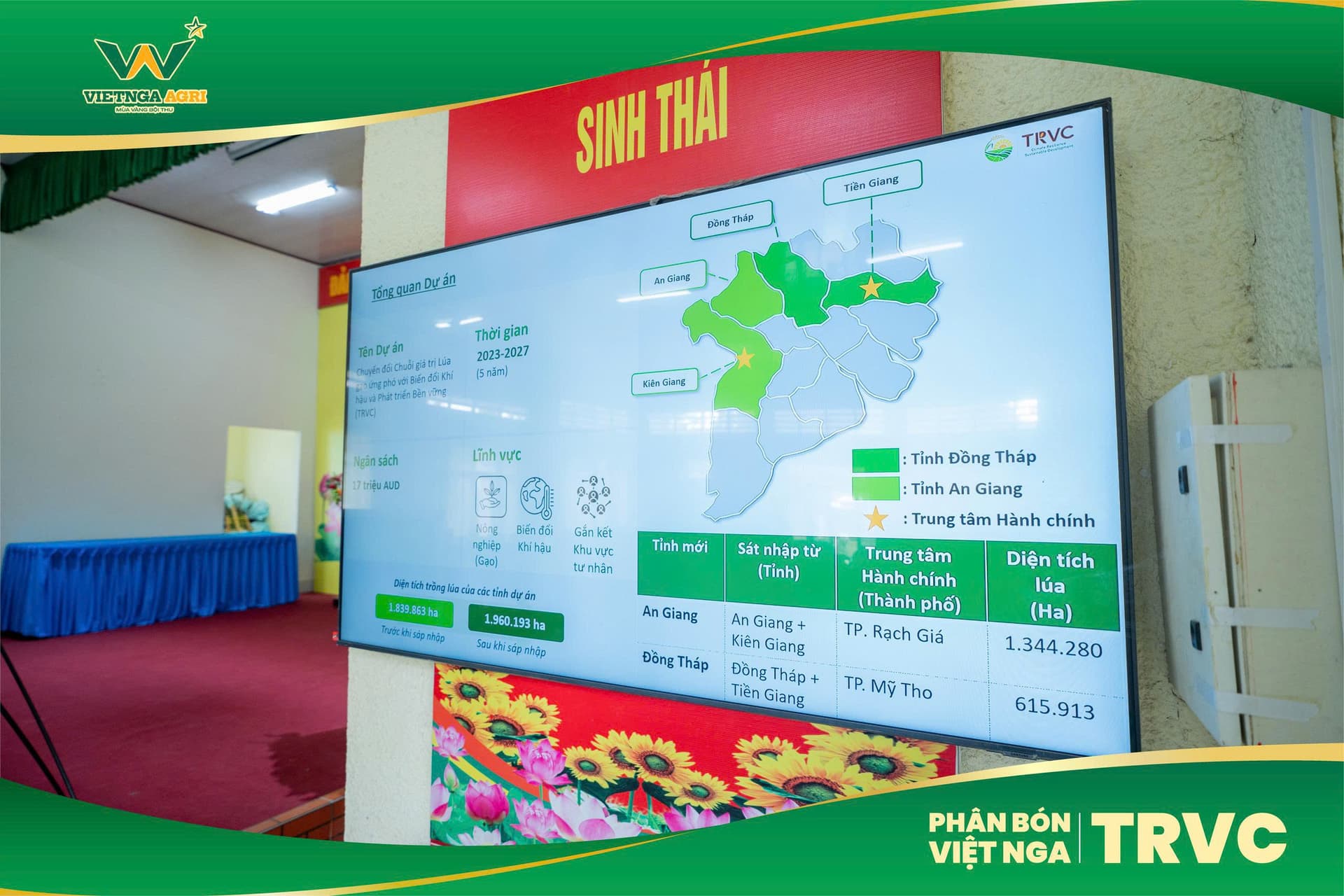
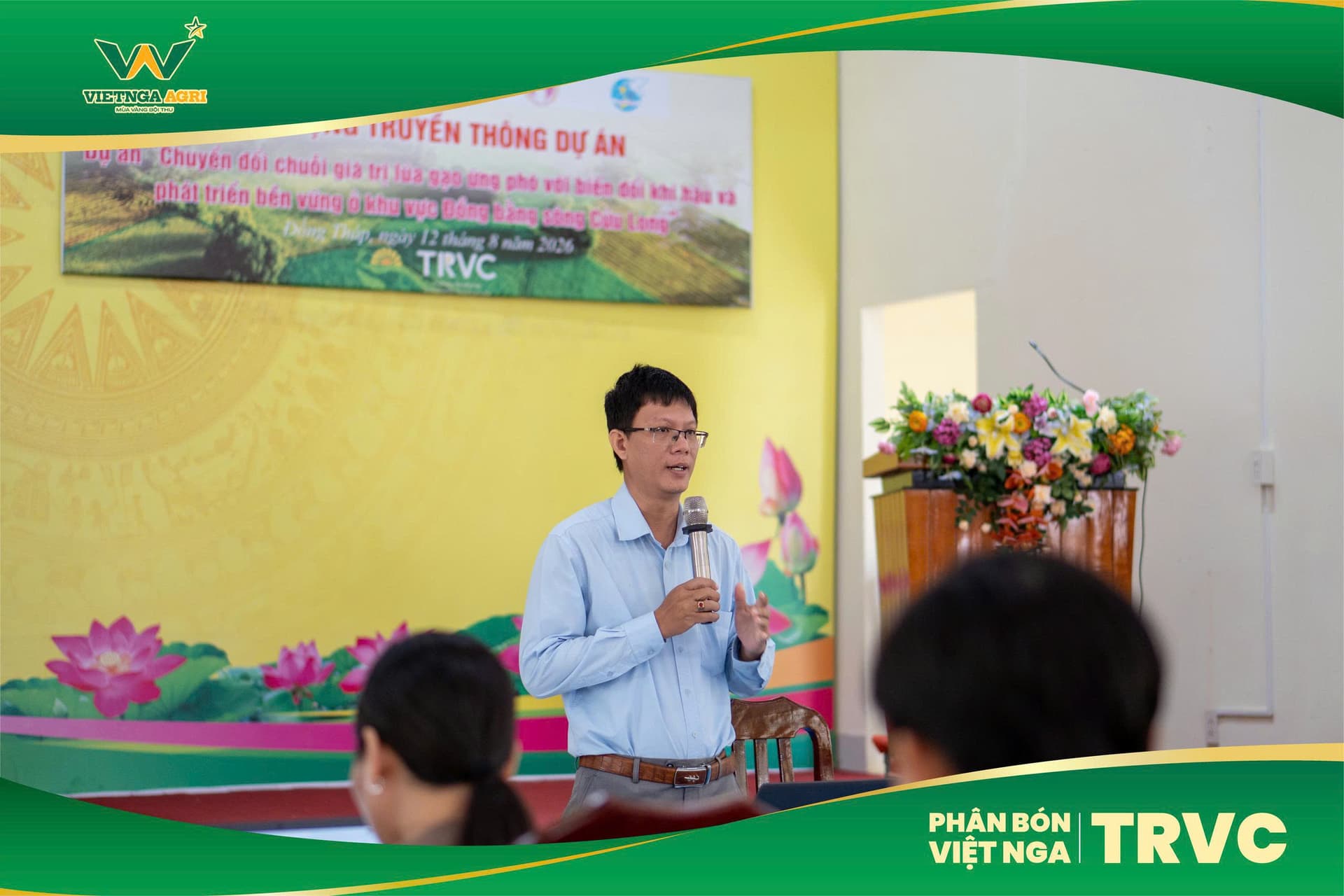
On August 11–12, 2026, Viet Nga Fertilizer worked with the Women’s Union, the Department of Health and the Project Management Board of Dong Thap Province to hold communication activities on Gender Equality & Disability Inclusion under the project “Transforming the Rice Value Chain for Climate Resilience and Sustainable Development in the Mekong Delta” (TRVC), funded by the Australian Government.
The activities aimed to raise awareness and encourage women, especially women with disabilities, to actively participate in agricultural production and in activities along the rice value chain, thereby helping to promote gender equality and disability inclusion and enabling participating groups to access the opportunities, resources and benefits of the TRVC Project.


Gender equality and disability inclusion in the rice value chain
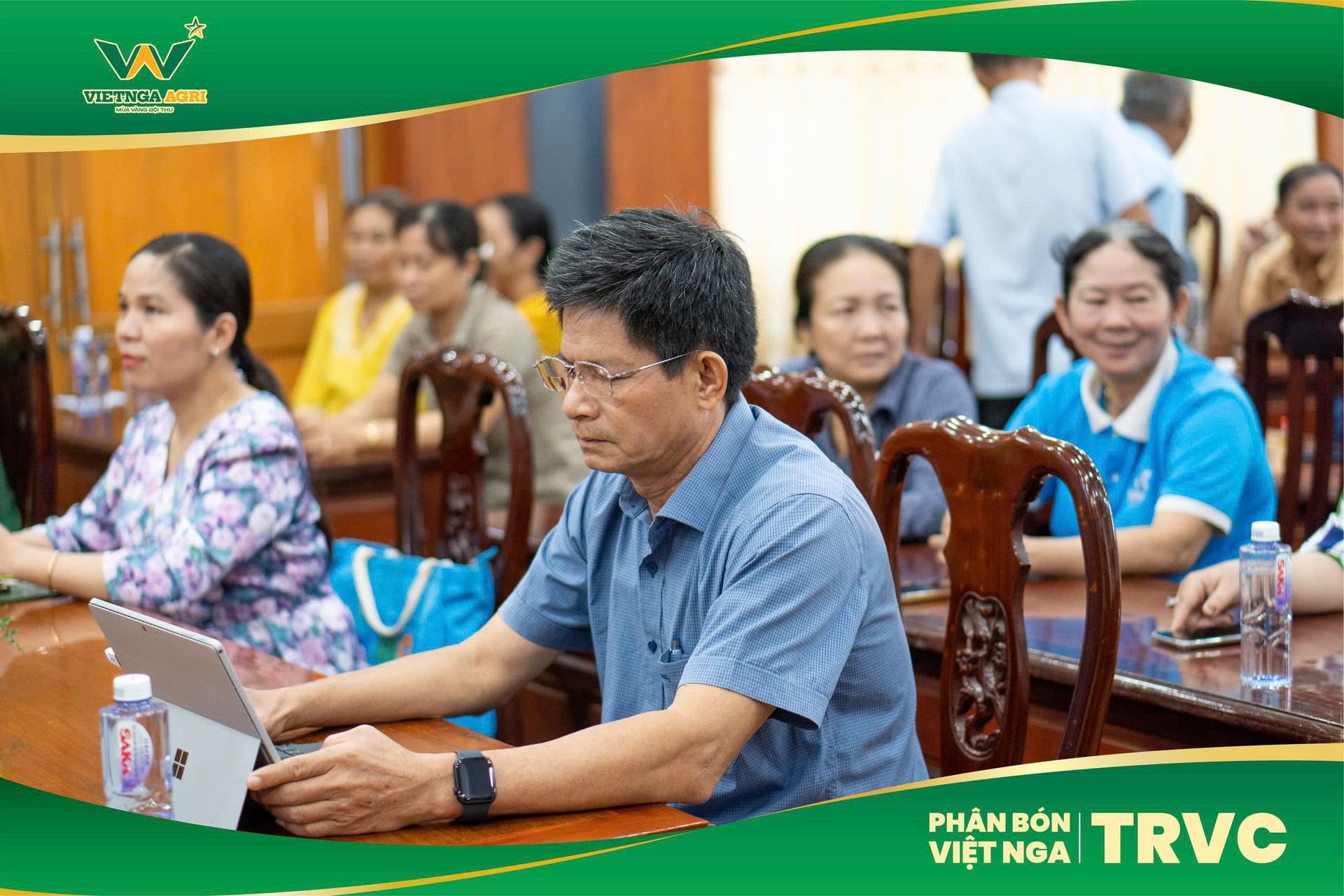
Gender equality and disability inclusion were the key topics shared and discussed at the session. Delegates were introduced to the relevant policies and together considered the roles and participation opportunities of women and people with disabilities in the rice value chain.
In the process of transforming agricultural production, creating opportunities to participate not only broadens access to information and techniques but also helps bring out the role of each member of the family, production organizations and the community.
In the rice value chain, this participation can take place across many different activities, from training, production and environmental protection to the work of cooperatives and cooperative groups and the making of production-related decisions.


Enhancing the role and participation of women in the rice value chain
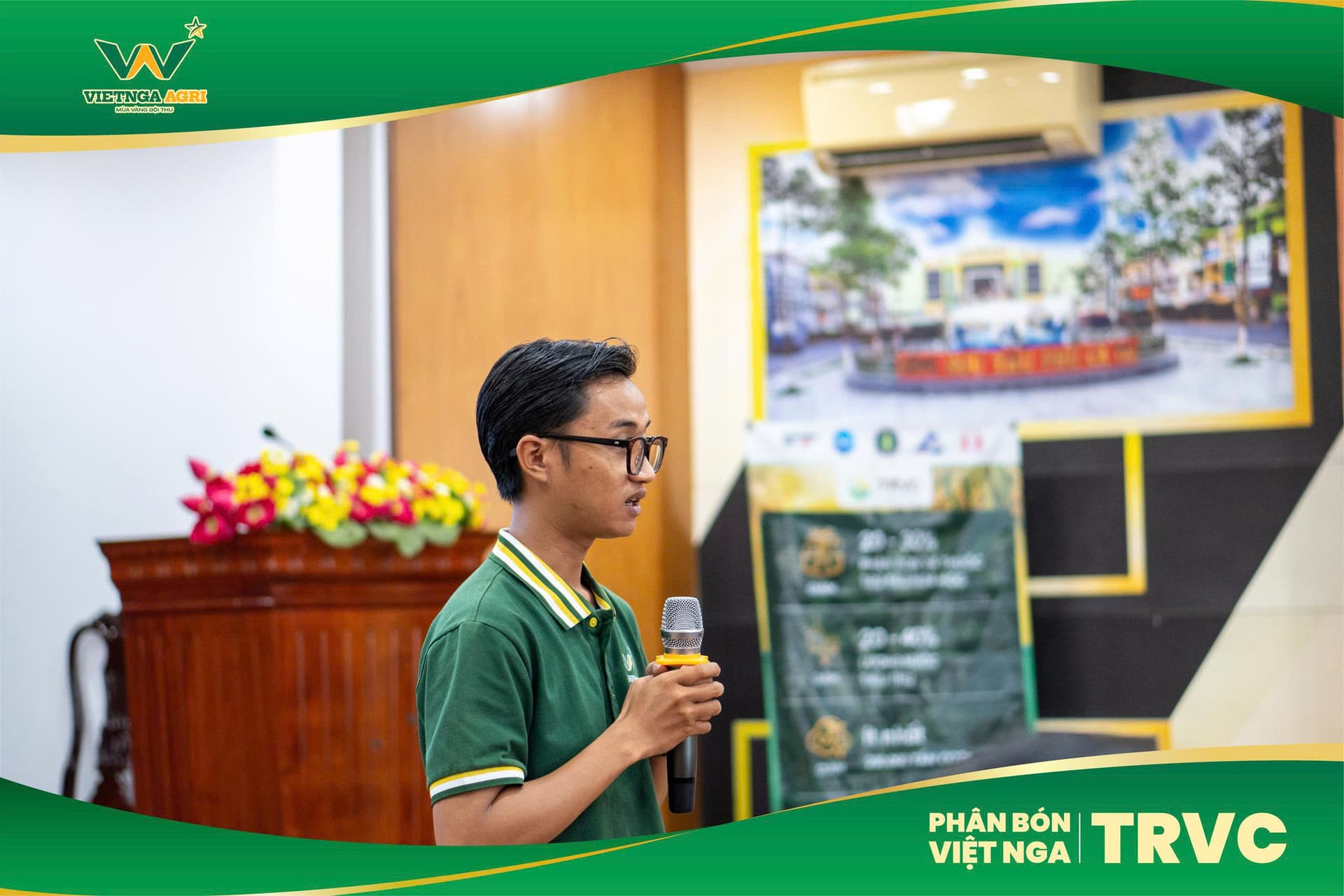
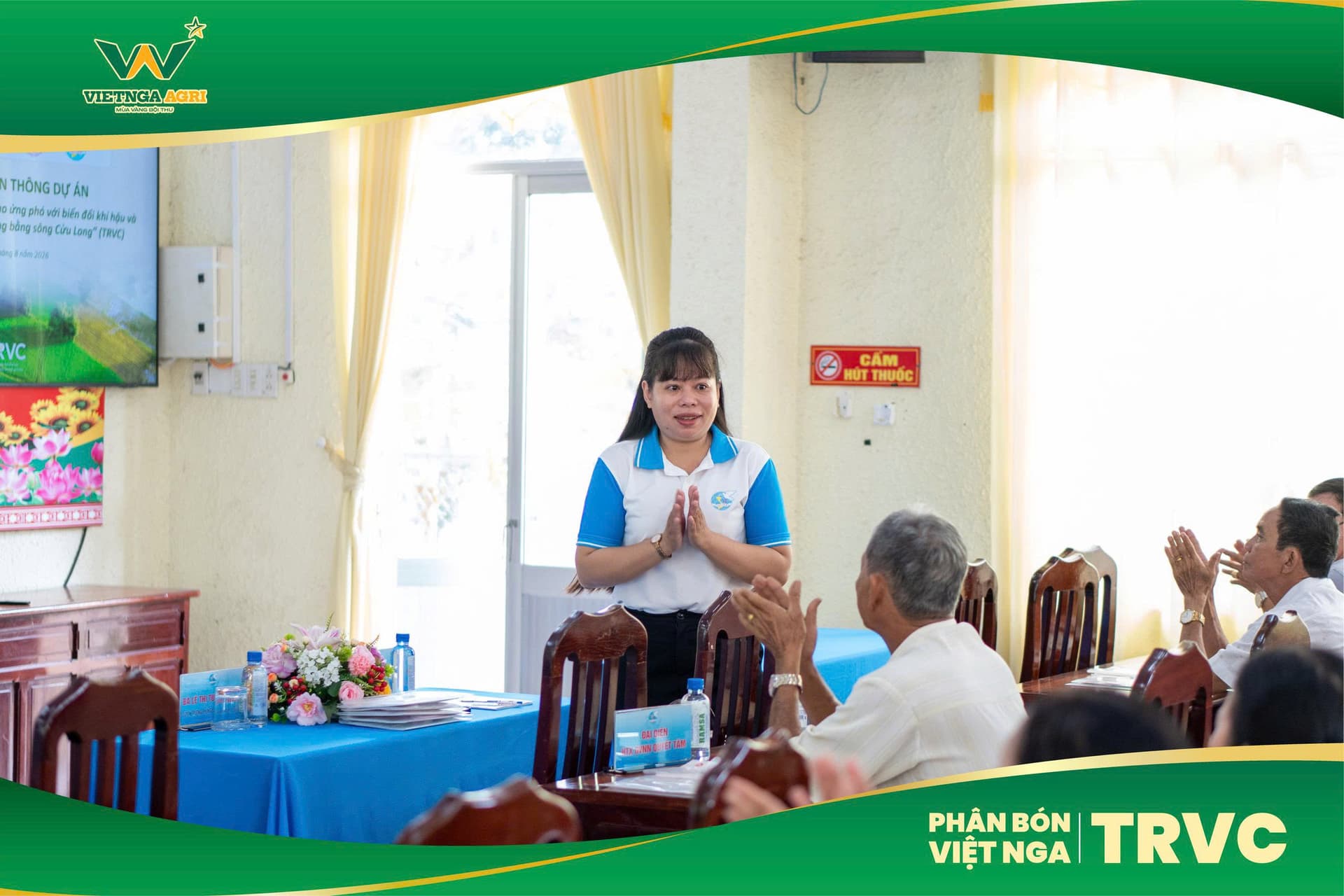
On gender equality, the workshop focused on enhancing the role and participation of women in the activities of the rice value chain: from attending training, applying low-emission rice cultivation techniques and protecting the environment to taking part in the work of cooperatives and cooperative groups and contributing opinions to production-related decisions.
In practice, women take on many different tasks in cultivation as well as in managing their family’s farming activities. Therefore, enabling women to access information and techniques and to take part in linkage activities is meaningful for the development of the rice value chain.
Through training and communication activities, women gain more opportunities to access knowledge on low-emission, environmentally friendly and sustainable rice production, while also taking part in the work of cooperatives and cooperative groups and contributing opinions to production-related decisions.


Including people with disabilities in production and community activities
On disability inclusion, delegates learned about Dong Thap Province’s inclusion policies and the support measures that allow women and people with disabilities to choose suitable activities and participate effectively in the rice value chain and community activities.
Inclusion means creating suitable conditions so that everyone can participate based on their own abilities and circumstances. In the rice value chain, participation is not limited to direct work in the field but can also be extended through community activities and other suitable roles along the chain.
Understanding the policies and support measures gives all parties a better basis for recognizing different needs, and from there creating suitable conditions so that women and people with disabilities have the opportunity to contribute and participate more effectively.
Strengthening dialogue and listening to voices from the field
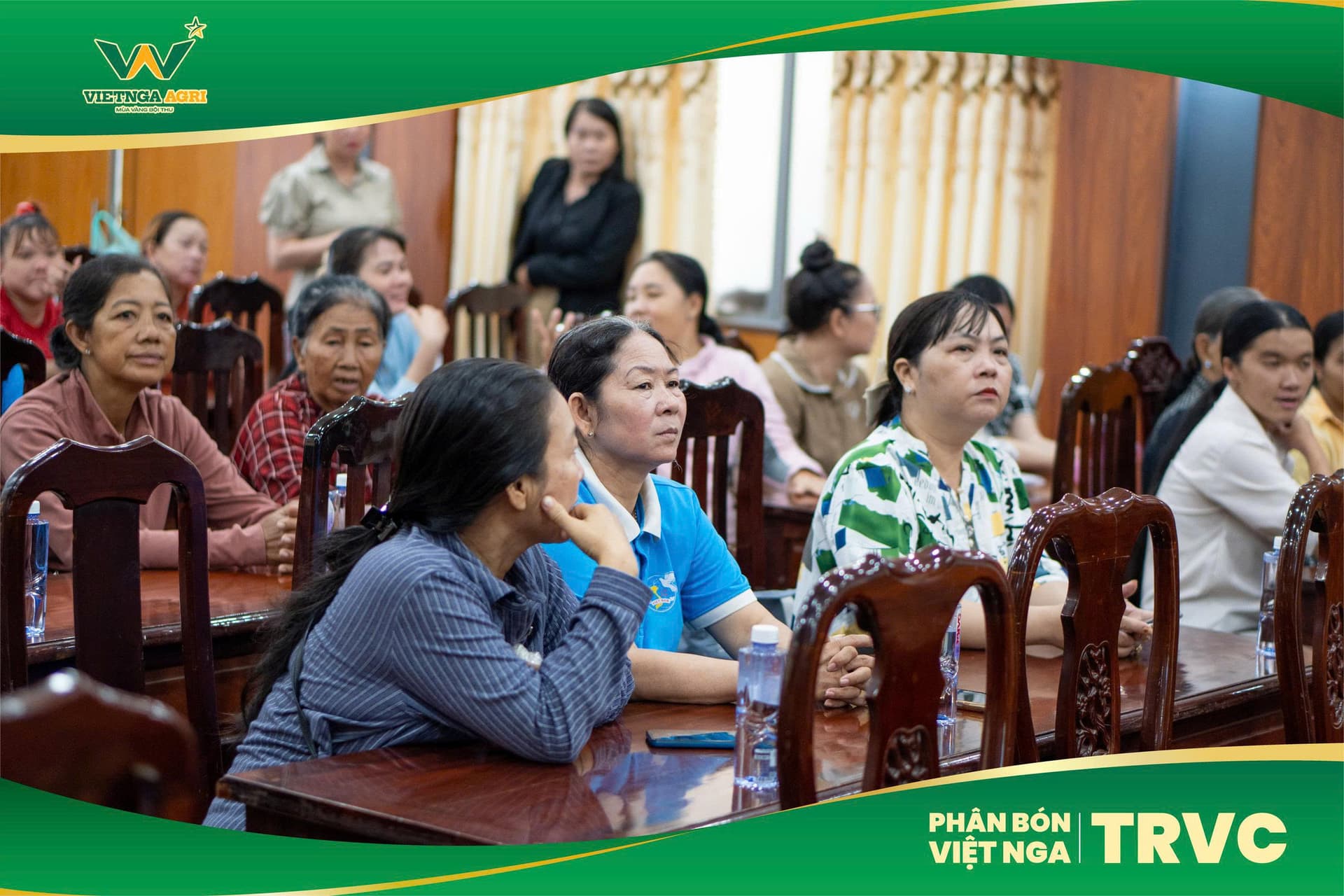
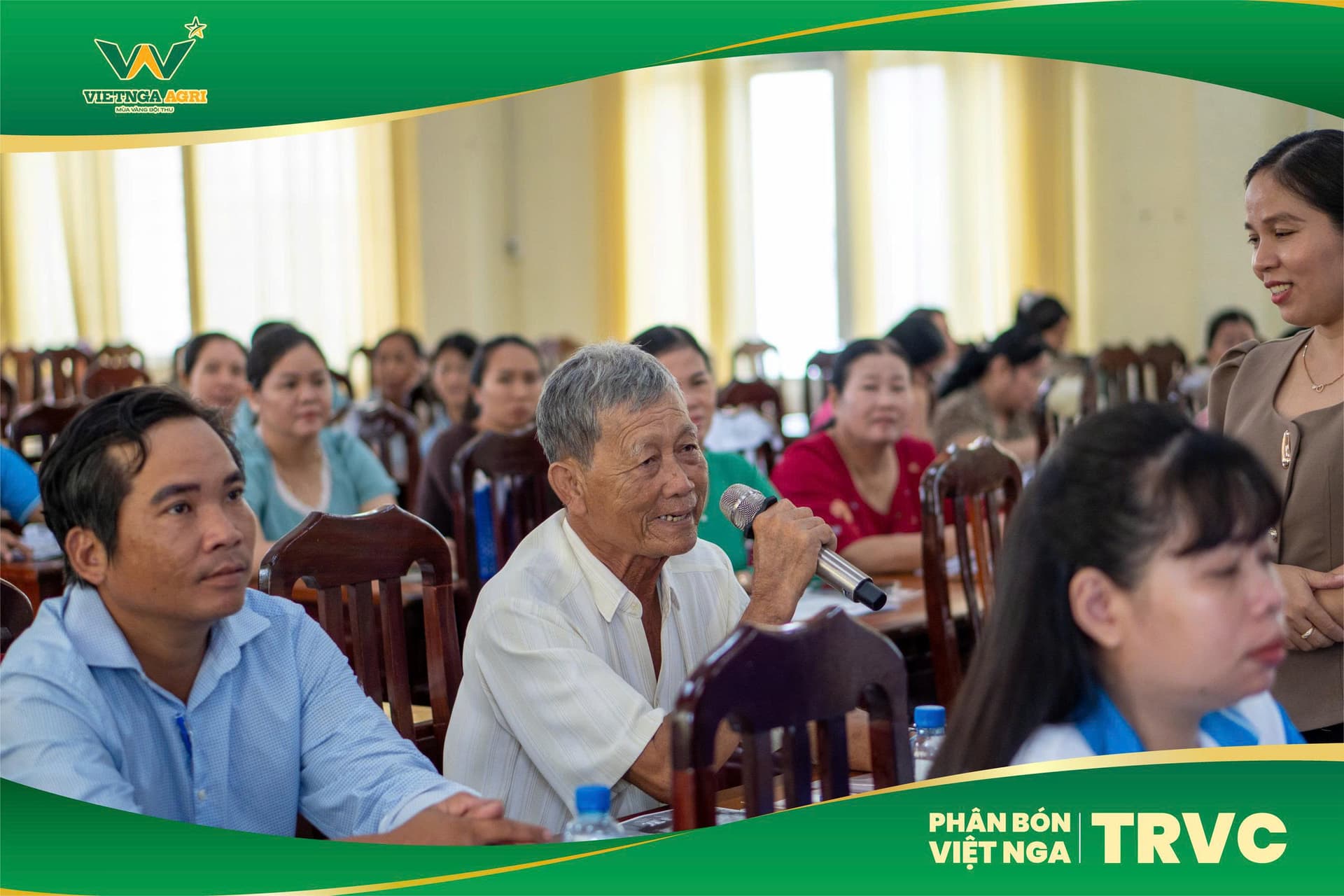
Beyond receiving information, delegates and farmers also discussed, shared perspectives and contributed ideas on how to promote gender equality and disability inclusion in real-life production and community life.
Through this exchange, the topics of gender equality and disability inclusion were placed in a context closer to actual production and everyday life. It was also an opportunity for all parties to recognize the advantages, needs and conditions required to strengthen the participation of women and people with disabilities in the rice value chain.


Equality and inclusion help build an inclusive rice value chain
Sustainable development needs to be viewed from many dimensions at once. Alongside production efficiency and the environment, the human factor also plays an important role in transforming the rice value chain.
Equality means everyone has the opportunity to participate. Inclusion means everyone is given suitable conditions to contribute and benefit. Through its communication activities, the TRVC Project aims for a rice value chain that is not only sustainable in production but also inclusive, where women and people with disabilities are cared for, supported and given the opportunity to take part in the shared journey of development.
This direction helps connect production development goals with social values, so that the transformation of the rice value chain not only brings changes to the fields but also expands opportunities for the community to participate.
Continuing the journey toward a sustainable rice value chain
From deploying farming solutions in the field to communication activities on gender equality and disability inclusion, the TRVC Project shows that developing a sustainable rice value chain is a process that must be carried out in a coordinated way across many dimensions.
It is a process aimed at more efficient production, reduced environmental impact and adaptation to climate change, while enabling many groups in the community to participate and benefit.
By continuing to accompany the TRVC Project, Viet Nga Fertilizer aims to contribute to the transformation of rice production in the Mekong Delta, linking production solutions with emission-reduction goals and the values of sustainable development.
More importantly, the development journey is measured not only by results in the field but also by the ability to create a value chain with community participation – where women and people with disabilities are cared for, supported and given the opportunity to take part in the shared journey of development.