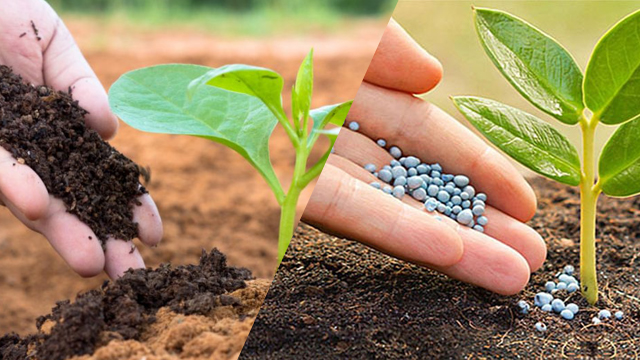
ACCOUNTING WITH FURTHER FARMERS
Agricultural mechanization helps improve production efficiency.
Agricultural mechanization is becoming an inevitable trend in the development of modern agriculture. By applying advanced machinery and technology to cultivation, harvesting, and post-harvest processing, farmers not only reduce their labor burden but also improve productivity and product quality.
This transformation not only saves time and costs but also delivers superior production efficiency, contributing to enhancing the competitiveness of Vietnamese agricultural products in the international market.
1. What is agricultural mechanization?
Agricultural mechanization is the use of machinery and equipment to perform agricultural activities, from simple tools to complex motorized equipment. More simply, it is the application of technological advancements in machinery, replacing human and animal labor with machine operation, and replacing manual production methods with high-tech production methods.
-

Applying mechanization in agriculture helps save costs and increase economic efficiency.
2. Benefits of applying agricultural mechanization to production
– Increased labor productivity: Minimizing manual labor allows for cultivation on larger areas in a shorter time.
– Meeting large-scale production requirements and reducing production costs: Saving time, manpower, and materials, thereby reducing overall production costs.
– Improve product quality: Controlling farming processes from planting to harvesting helps ensure the quality and consistency of the product.
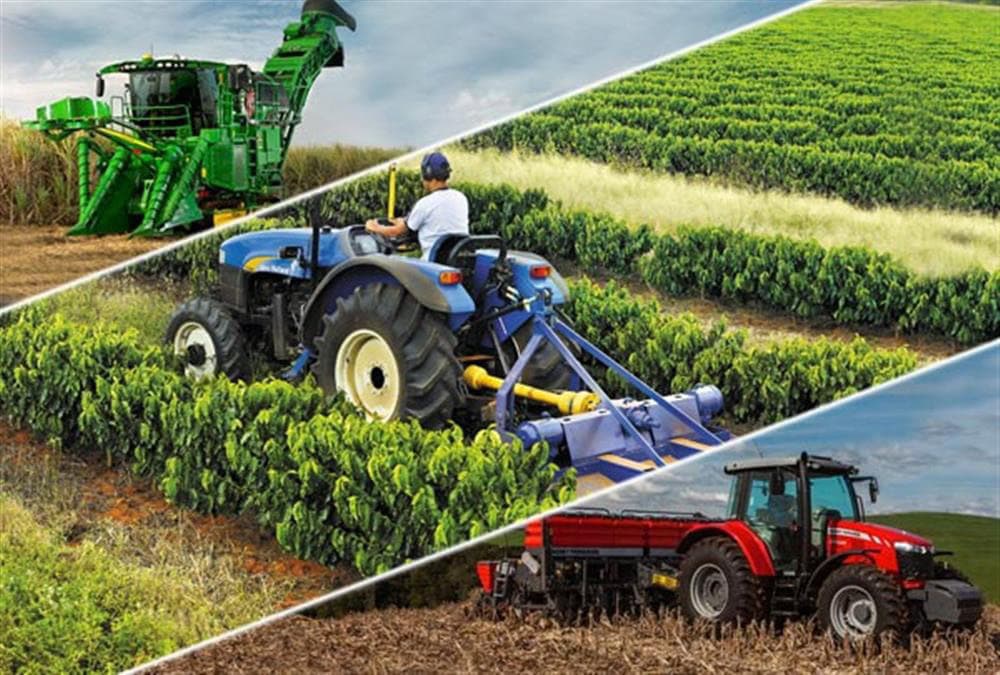
– Reduced post-harvest losses and damage: Using machinery during harvesting helps limit product loss and minimize damage during transportation.
– Saving time and effort: Freeing up labor in agriculture, reducing the intensity of strenuous work for farmers, and increasing the efficiency of land and labor use.
– Environmental protection: Helps to better control the use of water and fertilizer resources, enhancing the sustainability of agricultural production.
3. Ways to apply agricultural mechanization to production
3.1. Soil preparation
Mechanization in land preparation helps improve farming efficiency and save labor. Modern machinery such as plows and harrows helps loosen the soil and break up compacted soil layers in preparation for planting.
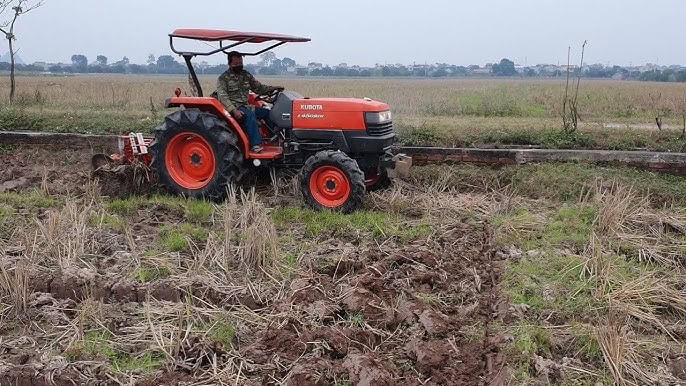
Using machinery for tillage not only reduces cultivation time but also ensures soil depth and looseness, optimizing the plant’s ability to absorb nutrients and water.
3.2. Sowing and planting
A seed planter is an advanced tool that helps to sow seeds evenly and precisely in terms of spacing and depth. Because it is towed by a tractor, it ensures uniform seed distribution over a large area.

This not only saves seeds but also increases productivity, helps plants grow uniformly, and thus improves farming efficiency.
3.3. Plant care and maintenance
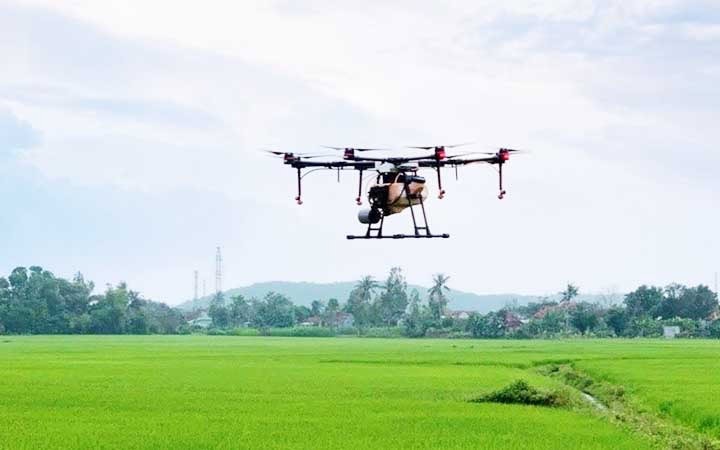
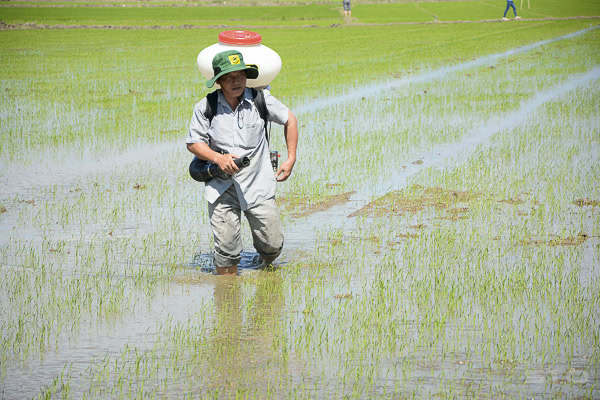
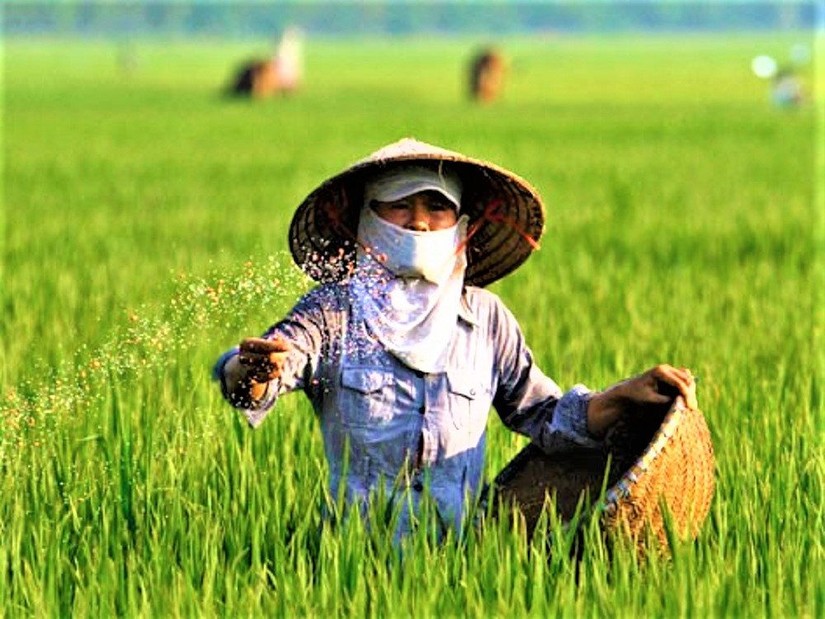
Automatic fertilizer and pesticide application machines help farmers save time and effort in caring for their crops. Mechanization in this process ensures accurate, even, and timely distribution of fertilizers and pesticides according to the plants’ growth needs.
3.4. Harvesting
Rice harvesters, corn harvesters, and other types of machinery help to harvest quickly and efficiently over large areas. The application of machinery in the harvesting process saves labor, shortens harvesting time, reduces damage to agricultural products due to weather, and ensures product quality after harvesting.

Conclusion
Agricultural mechanization has become a golden key to helping farmers increase productivity, reduce labor, and save costs in production. From land preparation, planting, fertilizing, to harvesting, the application of modern machinery and technology not only optimizes the farming process but also ensures higher quality and efficiency.
In the context of increasingly developing agriculture and the demand for high economic efficiency, mechanization not only helps reduce work pressure but also opens a new path for a more modern and sustainable agriculture. Mechanization will continue to be a driving force for the strong development of Vietnamese agriculture in the future.
Related news
The Role of Base Fertilization in Soil Improvement and Enhancing Agricultural Fertility
Measures to Improve and Treat Saline Soil
Winter-Spring rice blast warning – Don’t let leaf and flower burns rob you of your golden crop

Rice Sowing Techniques for the Early Winter–Spring Crop

What Is Slow-Release Fertilizer? Learn How to Use It Effectively