ACCOUNTING WITH FURTHER FARMERS
Efficient farming depends on identifying the right soil type and crops.
Do farmers truly understand their rice fields? What type of soil is their field, and what crops are suitable for it? Let’s explore this together with Viet Nga Fertilizer.
1. Alluvial soil
1.1. Characteristics of alluvial soil
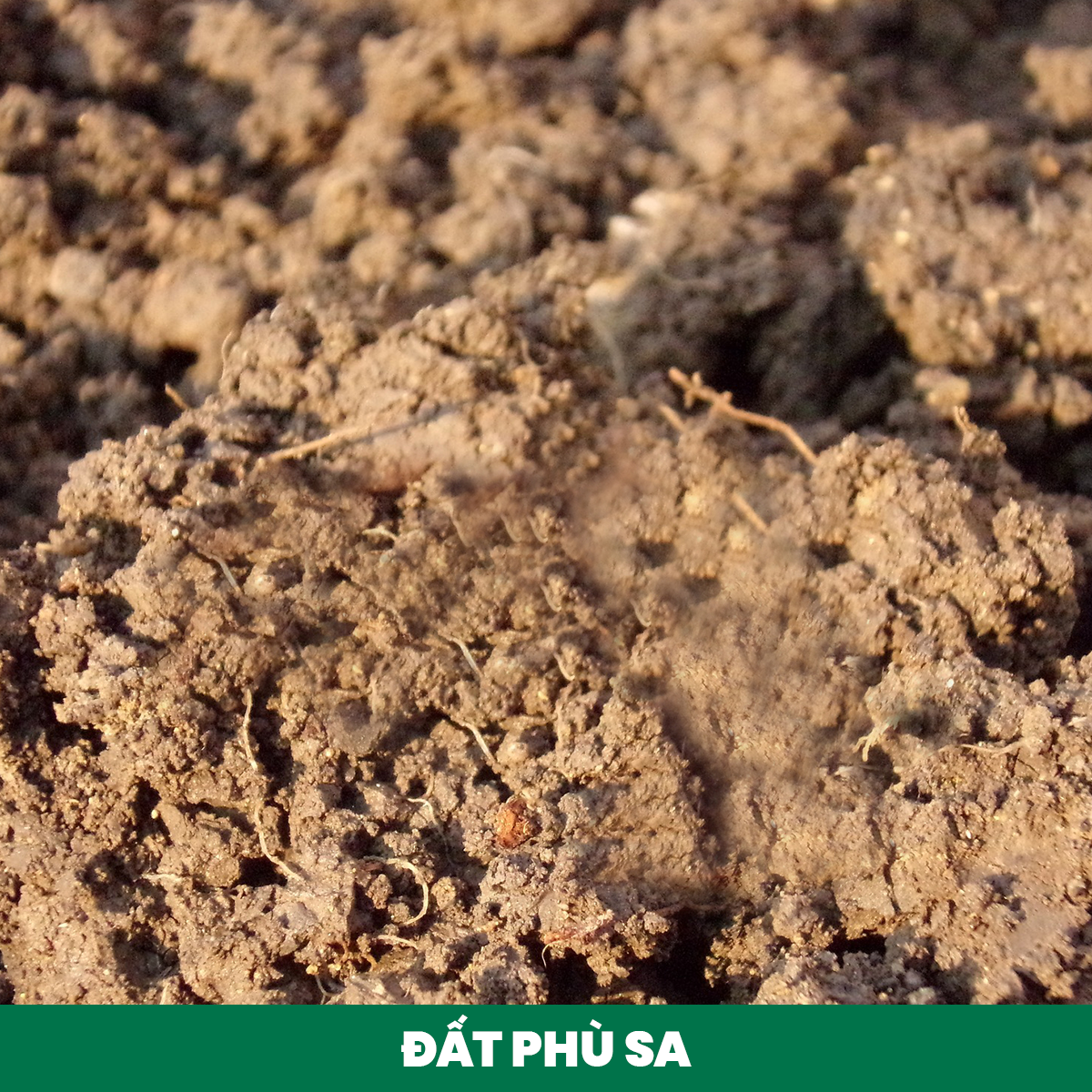
The total area is approximately 3.4 million hectares, formed by the alluvial deposits of major rivers, mainly the Red River and the Mekong River.
The general characteristics of alluvial soil are neutral to slightly acidic, high fertility, and moderate to high levels of nutrients. Alluvial soil has good water retention capacity, which helps plants absorb more nutrients.
1.2. Crops that thrive in alluvial soil
Alluvial soil is suitable for cultivating many types of crops effectively, especially those that yield high productivity and economic value, such as rice, corn, potatoes, mangosteen, durian, rambutan, etc.
1.3. Bón phân cân đối cho đất phù sa
Alluvial soil has relatively stable nutrient levels, so fertilizer selection depends on the type of plant, the time of year, etc., following the “1 Must, 5 Reduce” rule that Viet Nga has previously guided in previous articles.
2. Acid sulfate soil
2.1. Characteristics of acid sulfate soil
With a total area of 18 million hectares, acid sulfate soils are distributed across many provinces in the Southern Mekong Delta region such as Long An, Tien Giang, Dong Thap, Hau Giang, Kien Giang, etc., and some northern provinces such as Hai Phong, Thai Binh, Nam Dinh, etc. Acid sulfate soils are formed from alluvial deposits, have low-lying terrain, poor drainage, contain a lot of organic matter, and are directly or indirectly influenced by seawater.
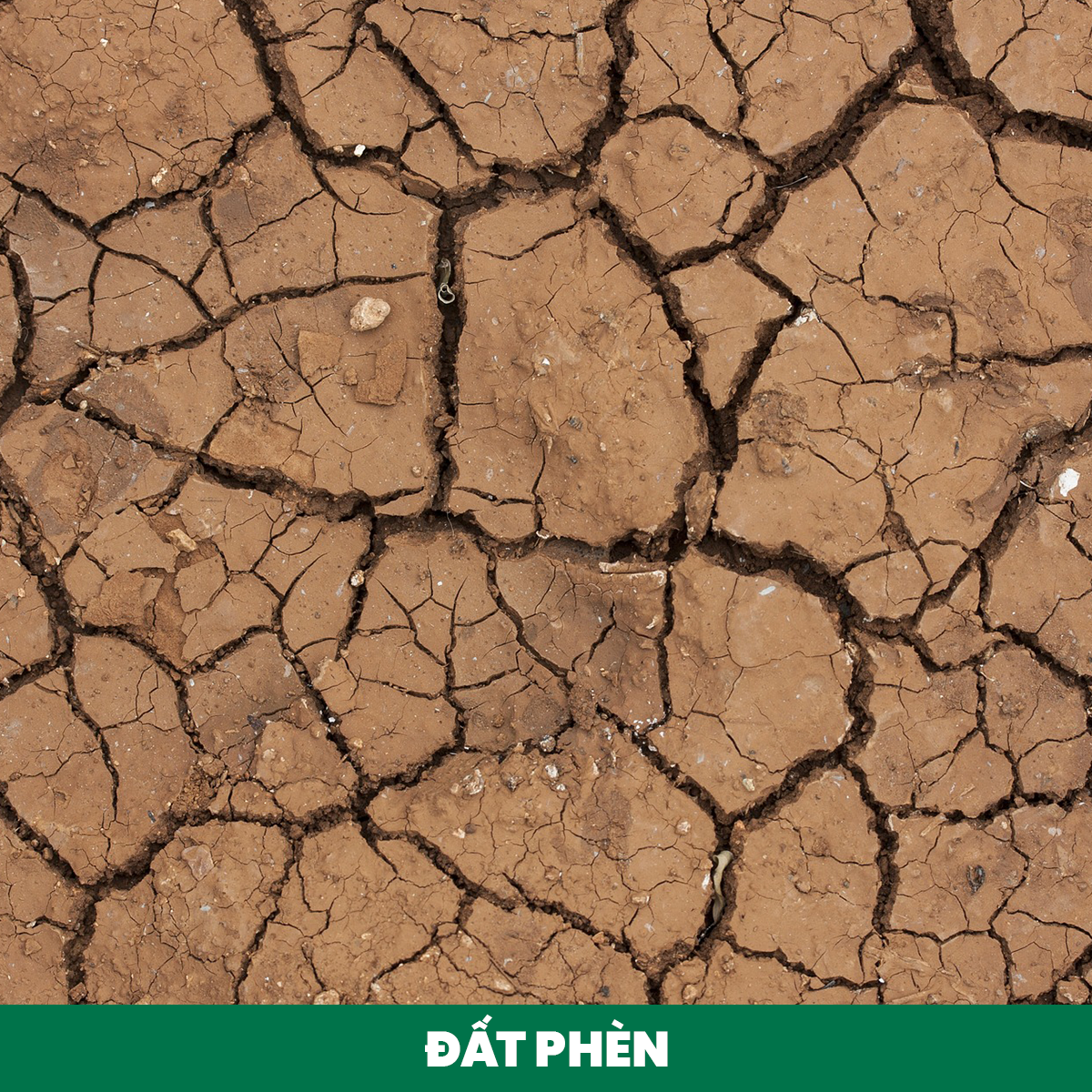
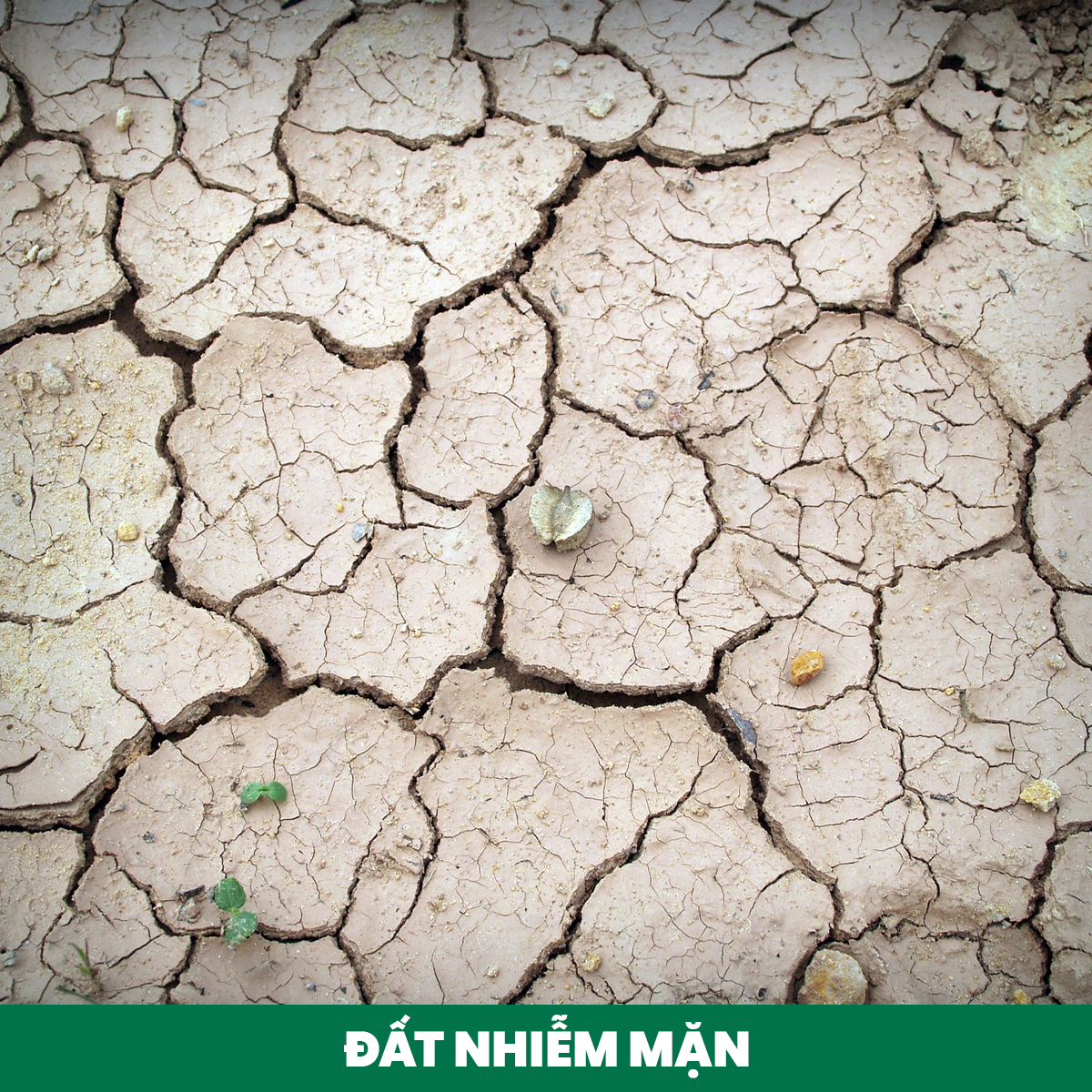
Acid sulfate soils are characterized by their low content of readily available nutrients, being both salty and acidic due to the high amount of dissolved salts. Therefore, the soil is quite dry, has a lumpy structure, and is dark brown in color, often with yellow spots.
2.2. Crops that can be cultivated effectively in acidic soil.
Acidic soils can be used to grow acid-tolerant plants such as pineapple, yam, cassava, cashew, sugarcane, coconut, guava… These are crops that can thrive in soils with a pH below 7 (neutral soil).
2.3. Reclamation of acidic soil
If there is a need to reclaim acidic soil for the cultivation of other crops, farmers can apply soil reclamation methods such as draining the acidity and leaching the soil using irrigation systems, and applying lime and phosphorus fertilizers (non-acidic fertilizers such as apatite and fused phosphate).
At the same time, avoid using fertilizers containing sulfur, such as ammonium sulfate and potassium fertilizers, as these can increase toxicity and kill plants.
3. Saline soil
3.1. Characteristics of saline soil
The area of saline land in our country is not large, about 1 million hectares, and is distributed in coastal areas due to the influence of sea level rise due to tides or saltwater intrusion.
This soil has a high salt content, especially sodium chloride (NaCl). When dry, the soil is cracked and firm, while when wet, it is pliable and sticky. During droughts, salt evaporates and forms a white film on the surface of the soil.
3.2. Crops that can be grown efficiently in saline soil.
In saline soils, especially in drought-prone areas, farmers can consider planting salt-tolerant crops such as jackfruit, mango, soursop, coconut, longan, tamarind, etc.
However, the salt tolerance of plants depends on several factors: plant age, growth stage, care regime, soil type, weather and hydrological conditions, etc. Depending on the actual conditions of each locality, the appropriate salinity level in the water is determined to advise farmers on irrigation and to store freshwater for irrigation.
3.3. Reclamation of saline soil
To reclaim saline soil, farmers must reduce the salt content to below 0.2%, add essential nutrients, and gradually improve soil structure. They should also implement irrigation, shrimp farming, and aquaculture to leach out the salt. In addition, applying lime helps plants detoxify and desalinate the soil.
Currently, Viet Nga Fertilizer offers a range of micronutrient fertilizers specifically designed to support soil improvement, neutralize acidity, reduce alkalinity, decrease salinity, and detoxify organic matter, leading to more efficient farming.
Related news
The Role of Base Fertilization in Soil Improvement and Enhancing Agricultural Fertility
Measures to Improve and Treat Saline Soil
Winter-Spring rice blast warning – Don’t let leaf and flower burns rob you of your golden crop

Rice Sowing Techniques for the Early Winter–Spring Crop
What Is Slow-Release Fertilizer? Learn How to Use It Effectively