Following Technical Guidelines for Sustainable Production in the Mekong Delta
Date · Updated · By Viet Nga Fertilizer
In 2024, rice cultivation in the Mekong Delta is estimated to cover 3.82 million hectares, yielding 24.14 million tons. Fruit production has also seen remarkable improvements in productivity, quality, and efficiency, with a total output exceeding 5.78 million tons across the region.
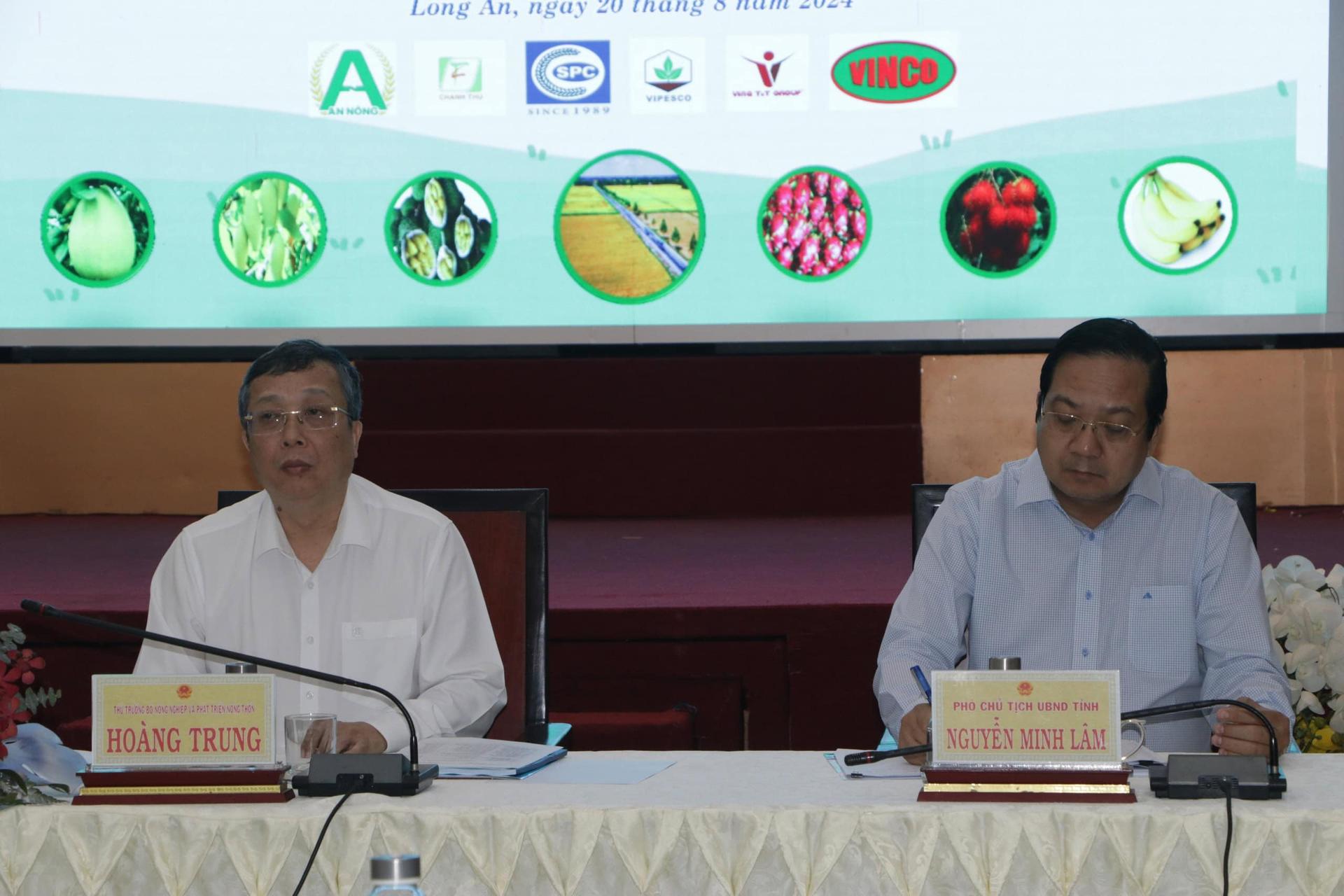
attended the Conference on Reviewing 2024 Crop Production and Implementing the 2025 Crop Production Plan for the Mekong Delta provinces and cities, held on the morning of August 20 in Tan An City, Long An Province.
During the first seven months of 2024, Vietnam’s total export value of agricultural, forestry, and fishery products reached USD 34.27 billion. Of this, crop products accounted for USD 18.21 billion, up 23.4% compared to the same period last year. Several key commodities achieved export revenues exceeding USD 1 billion, including coffee (USD 3.54 billion), rice (USD 3.27 billion), cashew nuts (USD 2.37 billion), and fruits and vegetables (USD 3.83 billion).
According to Mr. Le Thanh Tung, Deputy Director General of the Department of Crop Production (MARD), the Ministry of Agriculture and Rural Development has, for many years, actively collaborated with localities to implement comprehensive measures for crop production development, market adaptation, and response to weather fluctuations and pests.
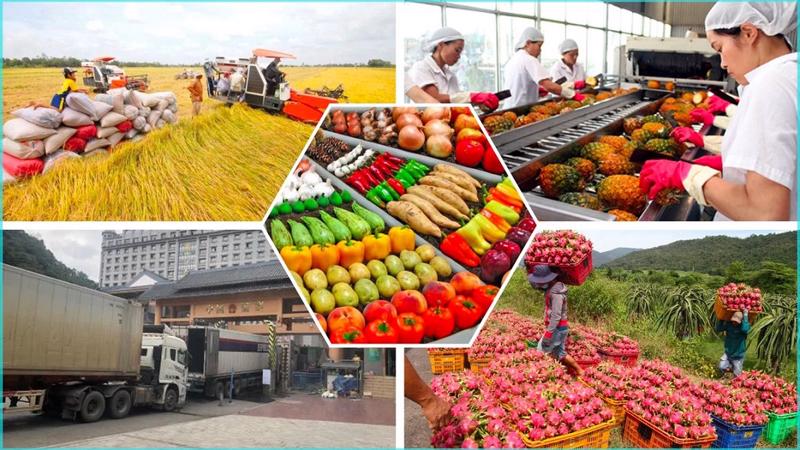
In addition, the sector has actively promoted trade activities and expanded export markets to boost the consumption of agricultural products.
Thanks to these efforts, the crop production industry continues to maintain stable growth, with improvements in productivity and output of key agricultural products, ensuring a sufficient supply of food for both domestic consumption and export.
In 2024, rice cultivation in the Mekong Delta is estimated to cover 3.82 million hectares, with a total output of 24.14 million tons. Fruit production has also seen improvements in productivity, quality, and efficiency, with the region’s total fruit output reaching over 5.78 million tons.
According to Deputy Minister of Agriculture and Rural Development Hoang Trung, although the crop production sector has achieved positive results in recent years, it is still facing a number of challenges. He emphasized the need for greater collaboration among stakeholders throughout the value chain to ensure the sustainable development of the sector.
Rice production in the Mekong Delta continues to face major challenges such as climate change, drought, and saltwater intrusion. Inefficient use of agricultural land has led to soil degradation, while the improper application of agricultural inputs (such as seeds and fertilizers) results in resource waste and environmental pollution.
Additionally, issues related to water resource management and the scheduling of irrigation for crops remain problematic. Alongside this, shifting consumer trends and changing export requirements are creating further pressure on the sector. Therefore, ensuring agricultural product quality and food safety must always be considered top priorities in the Mekong Delta’s agricultural production.
Source: Dan Viet Newspaper
Ask a Viet Nga agronomist
Leave your phone number; a Viet Nga agronomist will call back to advise.