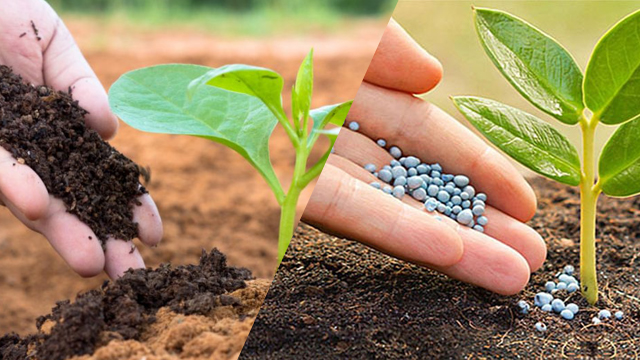
ACCOUNTING WITH FURTHER FARMERS
Guide to Growing Polyscias fruticosa ( Dinh Lang) Simply and Effectively
Polyscias fruticosa, commonly known as Đinh Lăng, has long been a popular plant in rural areas across Vietnam thanks to its strong adaptability and easy cultivation.
More than just an ornamental plant, Đinh Lăng is also regarded as a valuable medicinal herb in traditional medicine — known for its ability to nourish the body, strengthen immunity, and support the treatment of various ailments.
In this article, Viet Nga Agri will guide farmers on the proper techniques for growing Đinh Lăng, helping the plant grow quickly, develop strong medicinal properties, and remain healthy with minimal pest issues.
How to Select the Right Dinh Lang Variety
To achieve the best results when cultivating Dinh Lang, selecting the right variety is a crucial first step that farmers should pay close attention to. Dinh Lang Te (Broad-Leaf Variety) & Dinh Lang Nep (Small-Leaf Variety)
- Broad-Leaf Variety Features: Large leaves, fewer roots, small tubers, and thin outer skin.
Suitable for: Leaf harvesting — this variety grows foliage quickly and provides high yields of leaves for use in food or herbal products. - Small-Leaf Variety Features: Smaller leaves, more roots, large tubers, and thick bark.
Suitable for: Root and tuber harvesting — ideal for medicinal use, as the roots contain higher concentrations of beneficial compounds.

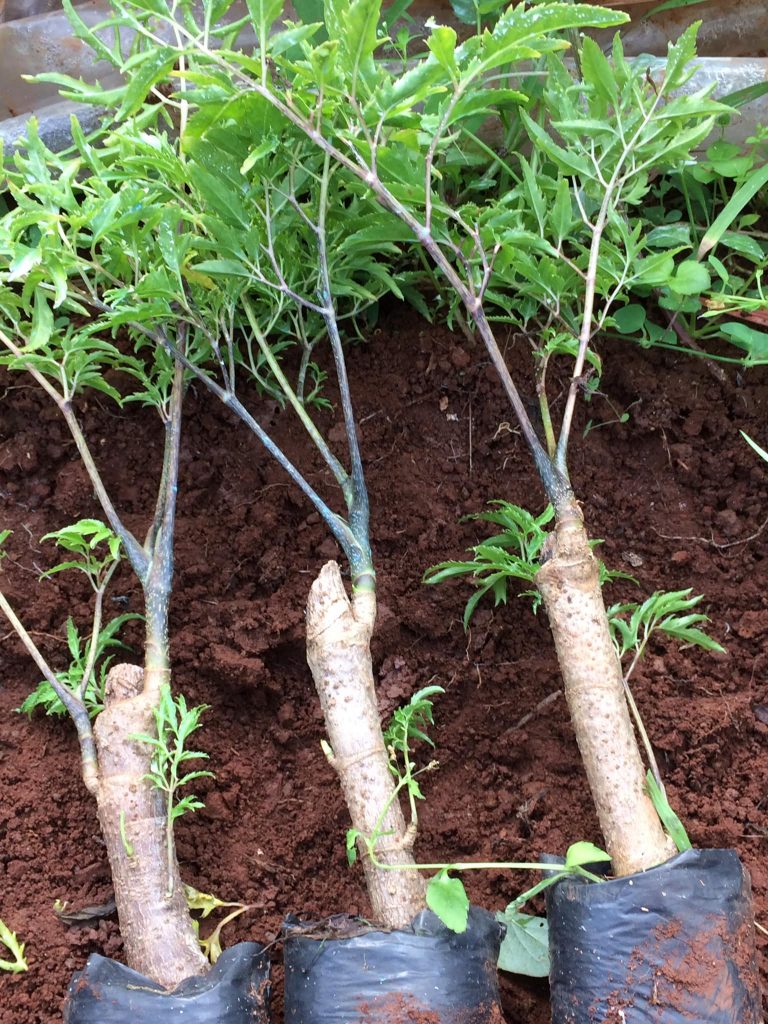
In addition to choosing the right variety, farmers should also pay attention to selecting healthy, vigorous cuttings to ensure strong growth and high productivity later on. Choose semi-mature branches or light brown shoot tips — these parts have the best vitality and root easily.
When preparing the cuttings, cut each branch into segments of 25–30 cm using a sharp knife or pruning tool. Avoid crushing or bruising the ends, as this can make sprouting more difficult.
Do not use entire long branches, as this wastes planting material and makes care more complicated.
Viet Nga Agri’s recommendation: Prepare your planting materials carefully right from the start — using healthy, well-cut, disease-free cuttings will help your Đinh Lăng plants grow stronger, resist pests better, and achieve higher yields in the long term.
Techniques for Growing Dinh Lang (Polyscias fruticosa)
How to Grow Dinh Lang in Pots
To successfully grow Dinh Lang in pots, farmers should follow the correct techniques — from preparation to planting. Below is a detailed guide from Viet Nga Agri:
- Planting Season : Dinh Lang can be planted all year round, but for strong growth and minimal pest problems, Viet Nga Agri recommends two ideal planting periods: From February to April, and From July to August. During these times, the weather is mild, and humidity levels are optimal, allowing the plant to root quickly and develop vigorously.
- Soil Preparation Dinh Lang is not overly demanding about soil conditions, but for optimal growth and high yield, the soil must be loose, well-drained, and nutrient-rich. Use clean garden soil mixed with well-composted animal manure or vermicompost to increase fertility.
Add rice husk ash and coconut coir to improve moisture retention and aeration. The ideal soil pH should range from 6.0 to 7.0. To prevent fungal diseases and root rot, mix in a Trichoderma bio-fungicide before planting — this helps maintain a healthy soil ecosystem and protects young roots. - Pot Preparation Select the right pot size based on the size of the Dinh Lang plant — ideally, the pot should have a diameter of 25–40 cm. The most important factor is drainage: Ensure the bottom of the pot has sufficient drainage holes to prevent waterlogging. Dinh Lang is highly sensitive to excess moisture; prolonged waterlogging can easily cause root rot.
Depending on where you plan to place the pot, you can choose between: Plastic pots – lightweight and easy to move, suitable for balconies or shaded gardens. Ceramic/clay pots – more durable, retain moisture better, and help stabilise plant temperature.
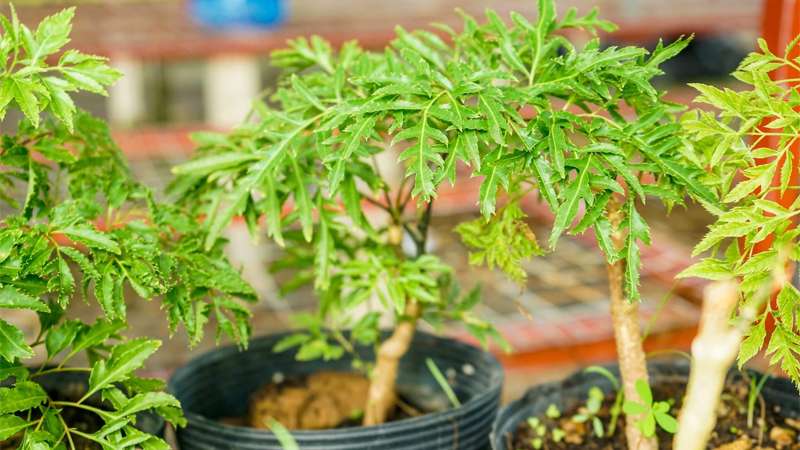
After preparing the pot and soil mixture, follow these steps to plant Dinh Lang correctly and ensure healthy establishment:
- Fill the pot with the prepared soil until it reaches about two-thirds of the pot’s height.
- Gently remove the plastic wrapping around the young plant’s root ball (if any), being careful not to damage the roots. Place the plant in the centre of the pot, ensuring the root ball fits neatly and remains upright.
- Add more soil to cover the root ball completely, then lightly press around the base to stabilise the plant.
- Water immediately after planting to retain moisture and help the plant settle. Place the pot in a cool, shaded area for the first few days — avoid direct sunlight to allow the plant to recover and root effectively.
How to Grow Dinh Lang Round-Leaf Variety
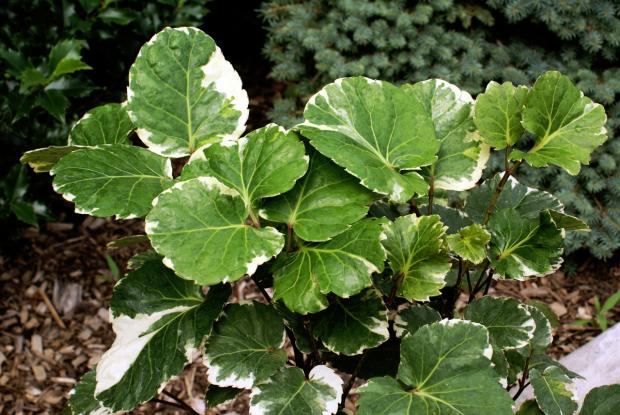
The Dinh Lang round-leaf (also known as variegated Dinh Lang) is an easy-to-grow plant that adapts well to many different climates. Because of its resilience, farmers can plant it year-round. However, to reduce maintenance effort and take advantage of natural moisture, Viet Nga Agri recommends planting at the beginning of the rainy season, typically from May onward.
Soil Preparation : Although Dinh Lang round-leaf is not too picky about soil, it thrives best in loose, well-drained, and nutrient-rich soil that retains moisture effectively.
Recommended soil mix formula: 3 parts clean garden soil; 3 parts vermicompost ;2 parts coconut coir ; 2 parts rice husk ash.
If you don’t have the conditions to mix your own soil, you can use ready-made organic potting soil specifically formulated for ornamental plants. This ensures your Dinh Lang receives adequate nutrients during the first 60 days after planting.
Once the cuttings have rooted and the soil is ready, follow these steps:
Fill the pot with soil until it reaches about two-thirds of the pot’s height.
To improve drainage, place a thin layer of light gravel or clay pebbles at the bottom of the pot.
Position the cutting upright in the centre of the pot, then gently press the soil around it to secure the stem.
Water thoroughly after planting to maintain soil moisture and help the roots establish quickly.
How to Grow Dinh Lang for Large, Healthy Roots
To cultivate Dinh Lang for high-yield root harvests, farmers need to focus on care, fertilisation, and pest management. The goal is to help roots grow faster, reach large size, and accumulate valuable medicinal compounds over a period of 3–7 years after planting.
- Proper Water Management
In the early growth stage, maintain consistent soil moisture but avoid waterlogging.
Once the plant matures and develops a strong root system, adjust watering according to weather and soil conditions.
During the rainy season, if water accumulates in the field, drain it promptly to prevent root rot and ensure steady tuber growth. - Fertilisation by Growth Stage
Viet Nga Agri recommends fertilising in annual phases for optimal results:
- Year 1: Apply 2–3 supplemental doses per year, with each dose using around 80 kg of urea per hectare (80 kg N/ha). This helps the plant develop strong stems and foliage, forming a solid foundation for root enlargement in the following years.
- Year 2: Strengthening Root and Tuber Formation In the second year, apply one additional round of fertilisation while pruning excess branches to redirect nutrients toward the roots and tubers.
This stage is a critical transition period, helping Dinh Lang form large, uniform, and high-quality roots that will later serve as valuable medicinal material.

- Regular Weeding and Soil Maintenance
Weeds compete with Dinh Lang for nutrients, water, and sunlight — which can slow down root development. To maintain optimal growth, farmers should weed regularly every 2–3 months.
Keeping the soil clean and well-aerated not only promotes better nutrient absorption but also reduces pest habitats and limits the spread of soil-borne diseases. - Pest and Disease Control – Protecting Dinh Lang Roots
During the first 1–2 years, Dinh Lang may be vulnerable to common pests such as cutworms, mealybugs, leaf-eating caterpillars, and planthoppers. To effectively manage these threats, Viet Nga Agri recommends the following integrated protection methods:
- Leven: Controls cutworms and leaf-eating caterpillars.
- Vansi: Prevents and eliminates planthoppers and mealybugs.
- Venri: Specially formulated to combat fungal and bacterial diseases that attack the roots.
Starting from the second year, farmers should also watch out for rodent damage, as mice may gnaw on the roots, causing serious losses.
It’s important to implement timely rodent control measures such as traps or natural repellents to protect the developing tubers. By applying all the techniques mentioned above, farmers can successfully grow Dinh Lang with fast-growing, large roots, ensuring high medicinal quality and delivering long-term economic efficiency.
How to Care for Dinh Lang After Planting
Although Dinh Lang is relatively easy to cultivate and adapts well to different environments, proper care is essential to help the plant develop strong roots, lush foliage, and high medicinal content. Viet Nga Agri recommends a simple two-step care process as follows:
Fertilising Dinh Lang for Strong Growth and Large Roots
Year 1 – Foundation Stage, Around June to July (Gregorian calendar), after completing weeding, farmers should apply a booster fertilisation of about 10 kg of urea per sào (approximately 360 m²).
. Application method: Scatter the fertiliser evenly into small holes about 20 cm away from the plant base, then cover the holes with soil. This helps the young plants develop strong stems and roots early on. By the end of the second year (around September), after pruning branches, apply a second round of fertilisation: 5–6 tons of well-composted animal manure per hectare, combined with 250–300 kg of NPK 20-20-15, and 100 kg of potassium chloride (KCl).. Fertilise by digging shallow holes 20–30 cm away from the base, apply the mix, then cover the soil back up.
From the third year onward, continue fertilising at the same rate as in year two.
To boost micronutrient content and improve plant health, apply foliar fertiliser every 1–2 months. Viet Nga Agri recommends: Use biofertilisers, organic compost, or specialised NPK formulations for medicinal plants to enhance nutrient absorption, enrich soil life, and maximise both yield and medicinal quality of Dinh Lang roots.
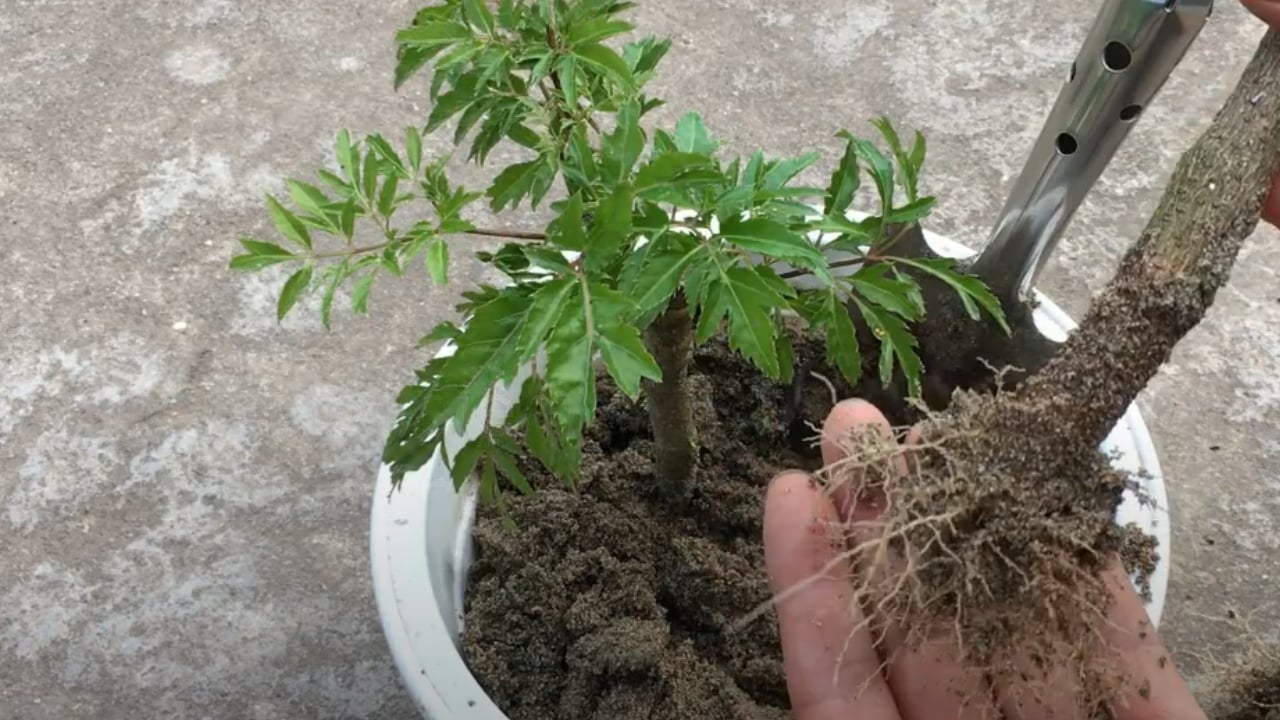
Pest Control for Dinh Lang
Although Dinh Lang is generally resistant to pests and diseases, certain insects — such as leaf-rolling caterpillars and green worms — can still cause damage if not managed promptly. Inspect your Dinh Lang plants frequently, especially during warm and humid periods when pests are most active. If pests are found early, you can manually remove them by hand in the early morning or late afternoon
In cases of severe infestation, apply biological pest control products to protect the plants effectively while keeping them safe for medicinal use.
Recommended options include: Biocin; Sherpa; Sherzol; Secsaigon; Spray these alternately to prevent pest resistance and maintain effectiveness.
How to Harvest Dinh Lang Properly
The harvesting time for Dinh Lang depends on which plant part is collected and the age of the plant. Generally, farmers can begin harvesting leaves after 1–2 years, while roots and tubers should be collected after at least 3 years to ensure the highest medicinal quality.
- Harvesting Leaves :
During plant care, prune excessive foliage to improve air circulation and allow the plant to focus nutrients on stems and roots. When harvesting, pick the mature leaves from the lower canopy, avoiding damage to young shoots at the top. After collection, air-dry the leaves in the shade to preserve their medicinal properties, then fully dry them before storage.
Dried Dinh Lang leaves can be used as: A culinary herb (served with dishes), or A traditional remedy for coughs, fatigue, and immune support. - Harvesting Roots and Bark :
Roots and bark are best harvested from the second year onward, ideally in autumn of the fifth year, when the tubers are large and rich in medicinal compounds. After digging up, wash the roots thoroughly to remove soil, then air-dry for one day to let the surface moisture evaporate.
Proceed to peel the bark carefully — keeping trunk bark and root bark separated for proper classification.
Sorting guidelines: Roots smaller than 10 mm should not be peeled, as they are too fine. Roots under 5 mm in diameter should be sorted separately for different uses. - Harvesting the Roots :
Dinh Lang roots require at least 3 years to develop, but for larger size, higher quality, and better economic value, it is best to harvest after 5–7 years of growth. After digging up the roots: Slice them thinly and sun-dry or air-dry for gradual use, or Soak them in medicinal wine to preserve their active compounds and enhance their tonic properties.
To maintain consistent quality and market value, Viet Nga Agri recommends classifying the harvested materials as follows:
- Type I: Root and trunk bark with a diameter of 10 mm or more — considered high-grade material with strong medicinal value.
- Type II: Root and trunk bark with a diameter under 10 mm, but bark thickness near the base must exceed 2 mm — medium-grade quality, still suitable for processing.
- Type III: Trunk and root bark thinner than 2 mm — low-value material, limited medicinal use.
After harvesting and slicing, farmers should continuously dry the Dinh Lang materials until they become completely crisp. This step is crucial to prevent mold and moisture accumulation during storage.
Health Benefits and Medicinal Uses of Dinh Lang
Known as the “ginseng of the poor,” Dinh Lang has long been valued for its rich nutritional and medicinal content. It contains essential compounds such as saponins, vitamins B1, B2, B6, C, and over 20 types of amino acids beneficial to the human body.
Because of this unique composition, Dinh Lang offers a wide range of health benefits for farmers and consumers alike.
In Traditional and Modern Medicine : Boosts energy and vitality: Enhances physical strength and endurance.; Stimulates brain activity: Improves focus and mental clarity. ;Reduces stress and fatigue: Helps relieve anxiety, tension, and tiredness.; Strengthens the immune system: Increases the body’s natural resistance and supports overall wellness. Protects the liver and acts as an antioxidant: Helps detoxify and slow down cellular aging. Supports treatment of skin and joint problems: Dinh Lang leaves are often used to relieve skin inflammation, rashes, and arthritis pain effectively.
Not only known as a valuable medicinal herb, Dinh Lang leaves are also a familiar and nutritious vegetable in daily Vietnamese meals.
Farmers and families can enjoy them in various delicious ways: Eaten fresh as a side dish, Mixed in salads (gỏi) for a refreshing flavor, Cooked in soups, or served with fish or grilled dishes for a light, aromatic touch.
The roots of mature Dinh Lang plants, especially those grown for many years, are often soaked in rice wine to create tonic medicinal liquor — known for strengthening the body and restoring vitality.
Beyond its medicinal and culinary uses, certain varieties such as Dinh Lang Marble are highly valued as ornamental plants. With their compact shape, elegant leaves, and ease of pruning, they are often grown as decorative houseplants, ideal for desks, living rooms, or garden corners.
In feng shui, Dinh Lang symbolizes vitality, prosperity, and harmony. Placing a Dinh Lang plant indoors is believed to attract good fortune, peace, and positive energy to the home and its owner. Viet Nga Agri firmly believes that Dinh Lang is a high-potential crop — both easy to cultivate and economically valuable for today’s farmers.
Meaning and Symbolism of the Dinh Lang Plant
For generations, Vietnamese farmers have been familiar with the image of Dinh Lang plants growing in home gardens or along fences. Beyond its easy care and practical uses, this plant also carries profound cultural and spiritual meanings — especially in feng shui and well-being.
In feng shui, Dinh Lang is regarded as a guardian plant that helps: Repel negative energy and evil spirits from the home. Absorb toxins and purify the air, creating a fresher, more balanced living environment. Attract good fortune and positive energy, maintaining prosperity and harmony within the household.
Planting Dinh Lang around your home is believed to preserve wealth, enhance luck, and safeguard family well-being.
It’s often likened to a spiritual “keeper of fortune”, standing quietly yet firmly to protect peace, abundance, and stability for generations.
Interestingly, Dinh Lang belongs to the same family as ginseng, and both are highly regarded for their vital energy and restorative properties. According to both folk wisdom and modern scientific research, Dinh Lang is a plant with strong life force and exceptional health benefits. Every part of the plant — leaves, stems, and roots — contains valuable bioactive compounds such as saponins, alkaloids, flavonoids, along with B-group vitamins and essential amino acids.
Thanks to these nutrients, Dinh Lang is not only an ornamental plant but also a precious medicinal herb in traditional medicine. It helps: Nourish and strengthen the body; Boost immunity and energy levels; Support the treatment of fatigue, stress, and various health conditions
Conclusion
Planting Dinh Lang not only enhances the beauty of your living space but also brings meaningful benefits in both feng shui and health. With its simple planting process and easy maintenance, farmers can easily grow Dinh Lang right in their home gardens — creating a green, refreshing landscape while making use of its valuable medicinal properties. Viet Nga Agri hopes that the above guidelines will help farmers master the proper techniques for planting and caring for Dinh Lang, ensuring healthy growth, high yield, and lasting economic value.
Related news
The Role of Base Fertilization in Soil Improvement and Enhancing Agricultural Fertility
Measures to Improve and Treat Saline Soil
Winter-Spring rice blast warning – Don’t let leaf and flower burns rob you of your golden crop

Rice Sowing Techniques for the Early Winter–Spring Crop
What Is Slow-Release Fertilizer? Learn How to Use It Effectively