Choosing a Fertilizer Supplier for Your Store: 7 Things to Check Before Ordering
Date · By Viet Nga Fertilizer
Contents· 6 sectionsExpandCollapse
For a fertilizer dealer, choosing a supplier affects the whole season: whether goods arrive when farmers need them, whether prices are competitive enough to keep customers, and whether credit terms are enough to keep cash flowing. A wrong choice can lose customers through mid-season shortages, tie up capital in slow-selling stock, or damage your reputation with poor-quality goods. This article covers 7 things to check before ordering from a new fertilizer supplier, with a checklist you can print out.
Quick answer: Before ordering from a new supplier, a dealer should check 7 things: legal status and fertilizer registration codes, genuine goods with invoices, enough stock in season, how wholesale prices are quoted, delivery, credit and dealer policy, and sales support. The quick checklist in the middle of this article can be used as soon as you meet a supplier.
Risks for a dealer who chooses the wrong supplier
- Customers lost mid-season: farmers need fertilizer exactly when it is time to apply. If a store runs out for a few days, customers go elsewhere, and many never come back.
- Tied-up capital: goods that do not match local demand sit in the warehouse past the season, costing both money and storage space.
- Lost reputation: a single poor-quality batch that weakens farmers' rice or fruit trees spreads a bad name through the whole village.
- Legal risk: selling fertilizer that is not registered for circulation, or without invoices and documents, can lead to fines during inspections.
7 things to check before ordering
1. The supplier's legal status and fertilizer registration codes
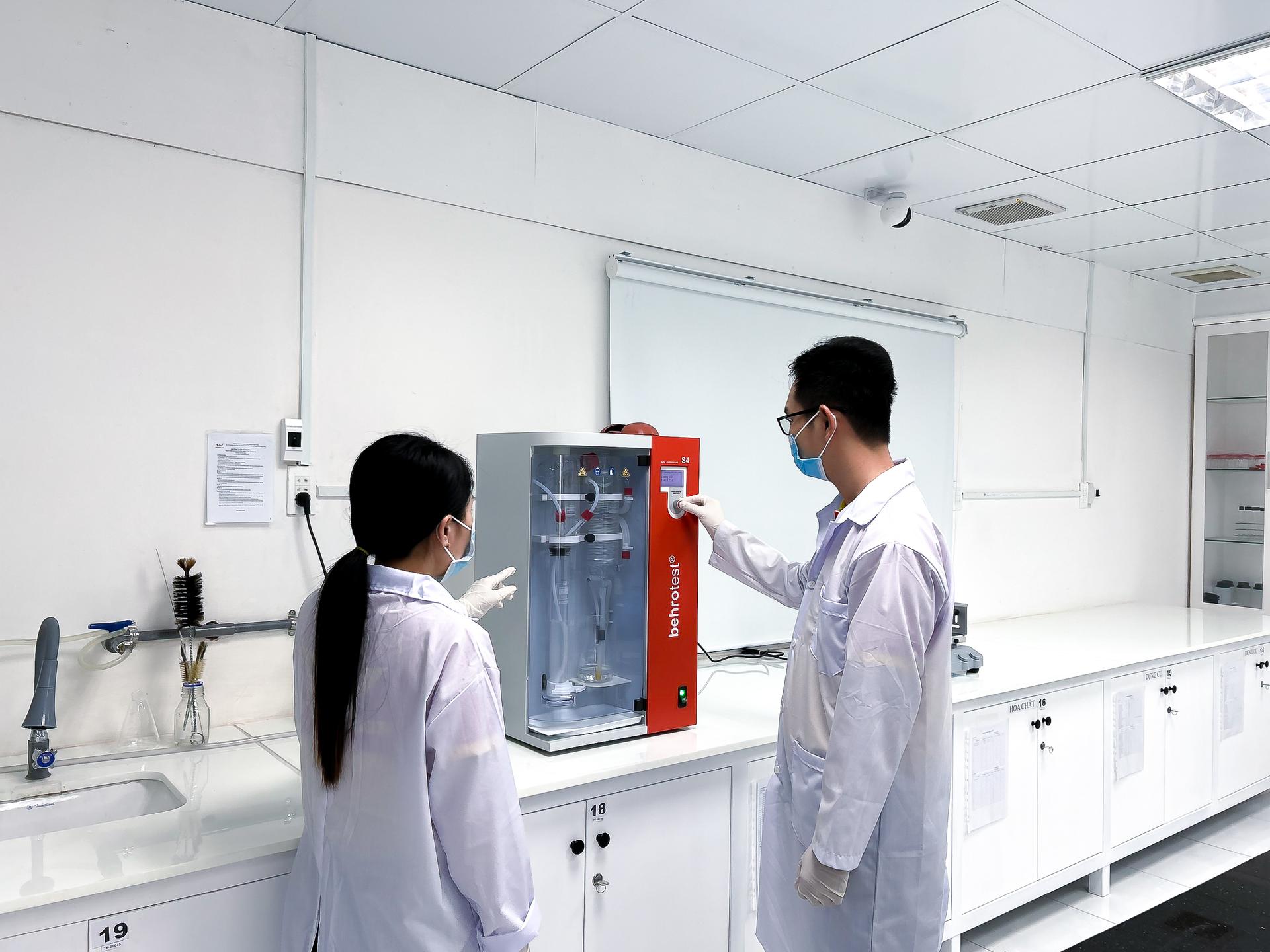
The supplier must be a registered business with a clear business address and warehouse system. Each product must have a fertilizer registration code approved for circulation. You can check it yourself in a few minutes with the guide on looking up fertilizer registration codes. If the supplier manufactures its own products, also ask about its production eligibility certificate and the quality management certification of the factory.
2. Genuine goods with invoices and documents
For goods distributed from large factories such as Ca Mau Urea and Phu My Urea, ask clearly whether the supplier is an official distributor. Every order must come with an invoice and a delivery note showing the correct product name and quantity. The invoice proves the origin of the goods during inspections and is also the basis for returns if a batch is faulty.
3. Enough stock when the season starts
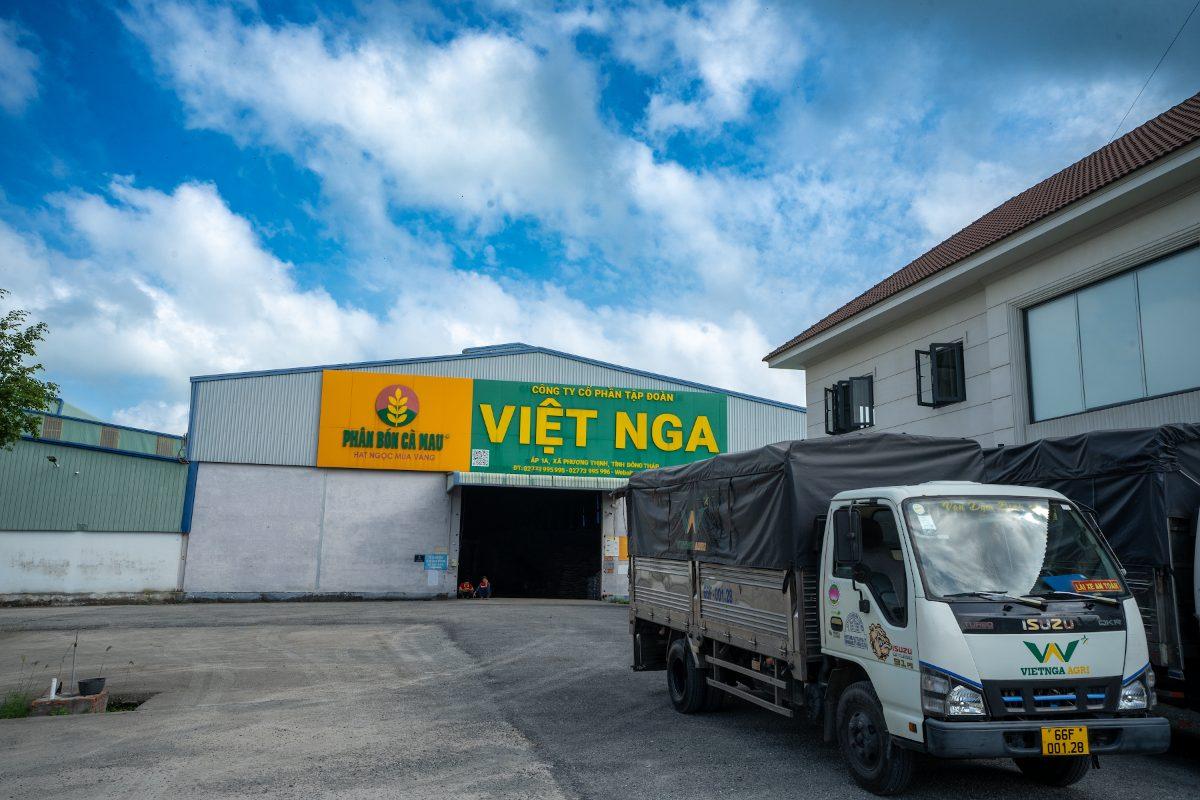
The hardest time is when the whole area sows at once. Ask the supplier: how much the warehouse holds, whether there is a warehouse near your area, and whether they ran short in previous seasons. Suppliers with large warehouses and goods from several factories run out less often than those selling only one or two brands.
4. Clear wholesale quotes
Wholesale prices should be quoted in writing or by message, stating clearly: whether the price is ex-warehouse or delivered to your store, how long it applies, and whether there are volume discounts. Avoid suppliers who quote verbally and differently each time. You should also follow general price levels, for example on the today's fertilizer prices page, to know whether a quote is reasonable.
5. Fast, on-time delivery
Ask about delivery methods (trucks, boats, barges), how long from order to arrival at your store, who pays for transport, and what happens if bags are torn or wet on delivery. In the Mekong Delta, a supplier that delivers by both road and waterway can respond better when roads are difficult in the flood season.
6. Credit and dealer policy
The credit policy directly affects how well a dealer can turn over capital and order stock. Ask clearly about the credit limit, payment terms, conditions for raising the limit, and rewards by volume or by year. All terms should be written into the dealer contract.
7. Sales support
A good supplier does not just sell to the dealer but also helps the dealer sell: agronomists who advise farmers, field-side workshops, demonstration plots, signage and usage guides. This support helps farmers trust the products and come back to your store.
Quick checklist when meeting a supplier
What to check | What to ask | Passes when |
|---|---|---|
Legal status | Business registration, registration code for each product | Codes can be looked up, real address and warehouse |
Genuine goods | Are they an official distributor, do they issue invoices | Has distribution papers, issues an invoice with every order |
Seasonal stock | Warehouse capacity, any shortages last season | Large warehouses, goods from several factories |
Wholesale quote | Where the price applies, until when | Written quote with clear terms |
Delivery | How many days, who pays, how faulty goods are handled | Commits to lead time and a process for faulty goods |
Credit | Limit, payment terms, reward policy | Written clearly in the dealer contract |
Sales support | Agronomists, workshops, demonstration plots | A concrete support plan for your area |
Questions to ask before signing a dealer contract
- If fertilizer prices rise sharply mid-season, how is the price of orders already placed protected?
- Can slow-selling stock after the season be exchanged for other products?
- How many other dealers in my area carry the same products?
- When farmers report a problem with a product, who goes to the field to check, and how quickly?
- What conditions must I meet to raise my credit limit?
How does Viet Nga support dealers?
Viet Nga Group JSC started as a fertilizer store in Dong Thap in 1993, so it knows the challenges dealers face. Today Viet Nga is a tier-1 distributor of Phu My Urea and Ca Mau Urea, with its own ISO 9001:2015 certified factory, factories and warehouses covering more than 45,000 m², and more than 700 distributors and dealers across the Mekong Delta.
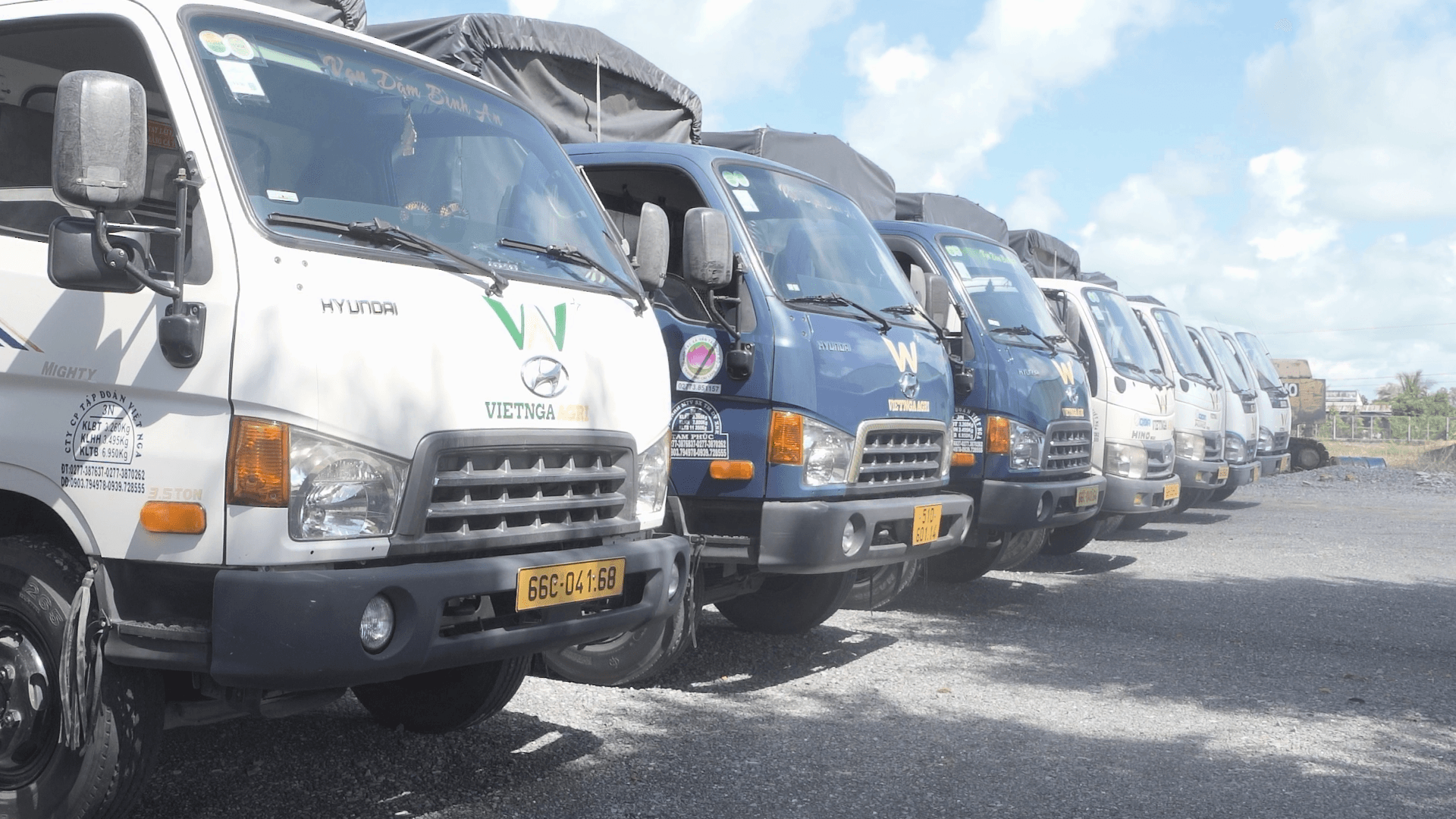
- Diverse sources of supply: distribution, manufacturing and import, with enough stock when the season starts.
- Delivery and dealer policy: a specialist advises in detail based on each store's area and needs when calling back.
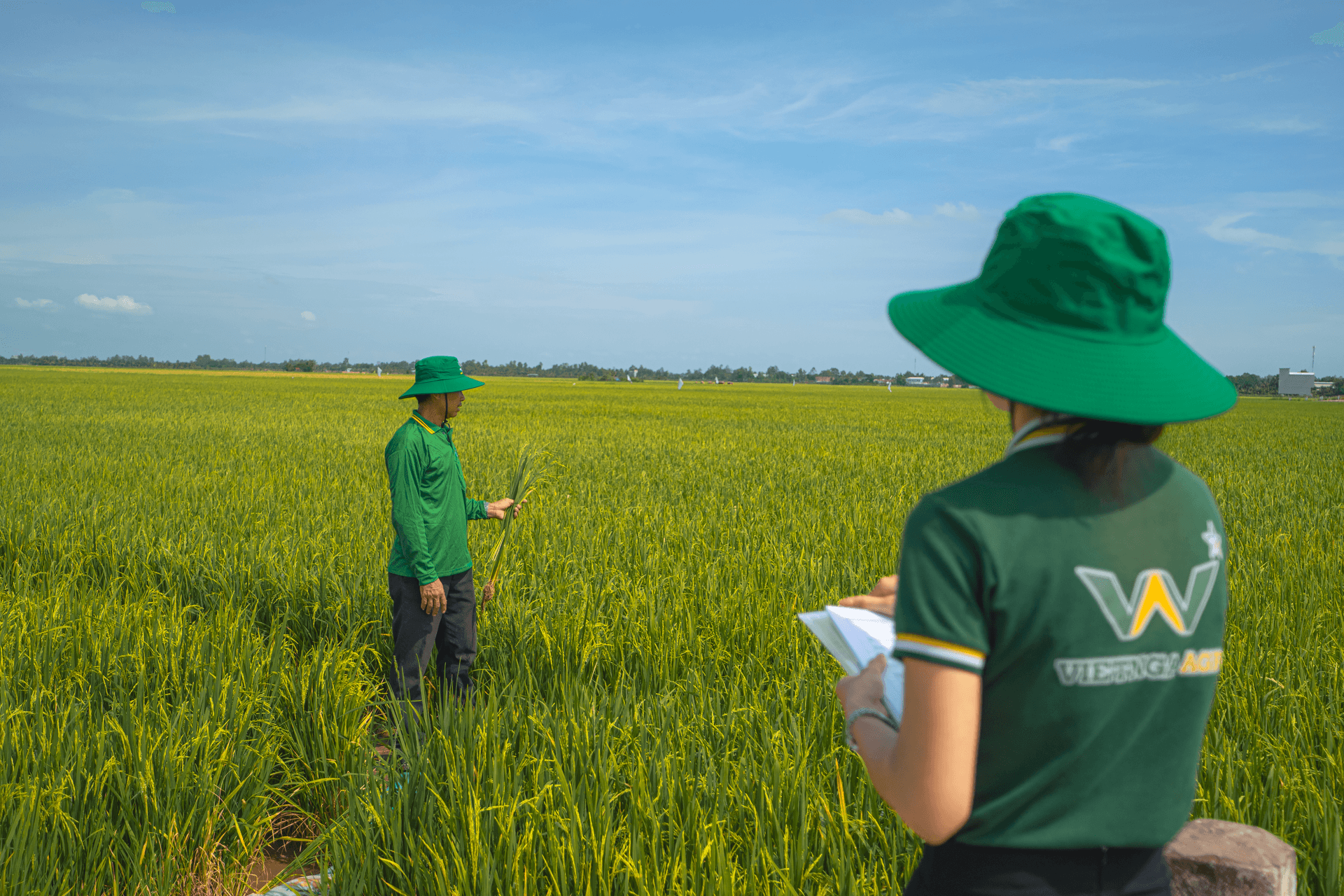
- Sales support: agronomists alongside you, field-side workshops and demonstration plots with farmers.
See how we work with dealers and register for advice on the fertilizer supplier for dealers page, or learn more about Viet Nga Fertilizer.
Conclusion
The right supplier is a long-term partner: enough stock when the season starts, clear prices, on-time delivery and help to sell. Taking time to check these 7 points before signing will help you avoid most risks in the fertilizer business. If you are preparing to open a store, read also experience in opening a fertilizer dealership and fertilizer business conditions from 2027.
Get wholesale prices and dealer policy
Our regional specialist will call you back with wholesale prices, the right products for your store and our dealer policy.
- Tier-1 distributor of Ca Mau and Phu My urea: stock every season
- Own ISO 9001:2015 factory, Vietnamese High-Quality Goods two years running
- Door-to-door delivery by truck and barge; VIP policy for long-term dealers