How to Choose NPK Fertilizer for Summer–Autumn Rice Effectively and Boost Yields
Date
Contents· 6 sectionsExpandCollapse
- Characteristics of the Summer–Autumn Rice Crop
- The Role of NPK Fertilizer for Rice
- How to Choose NPK Fertilizer for Summer–Autumn Rice by Growth Stage
- Should You Choose Blended NPK or Specialized NPK for Rice?
- Notes When Applying NPK Fertilizer to Summer–Autumn Rice
- Viet Nga Fertilizer's Specialized NPK Solutions for Rice
NPK fertilizer plays an important role in supplying nutrients that help the rice plant grow and develop steadily. To achieve high effectiveness in the Summer–Autumn crop, when hot weather and frequent rain easily cause nutrient losses, farmers need to choose the right type of NPK fertilizer and apply it according to each stage of the rice plant. In this article, let's explore with Viet Nga Fertilizer how to choose NPK fertilizer for Summer–Autumn rice to keep plants healthy, increase their resilience and raise yields.
Characteristics of the Summer–Autumn Rice Crop
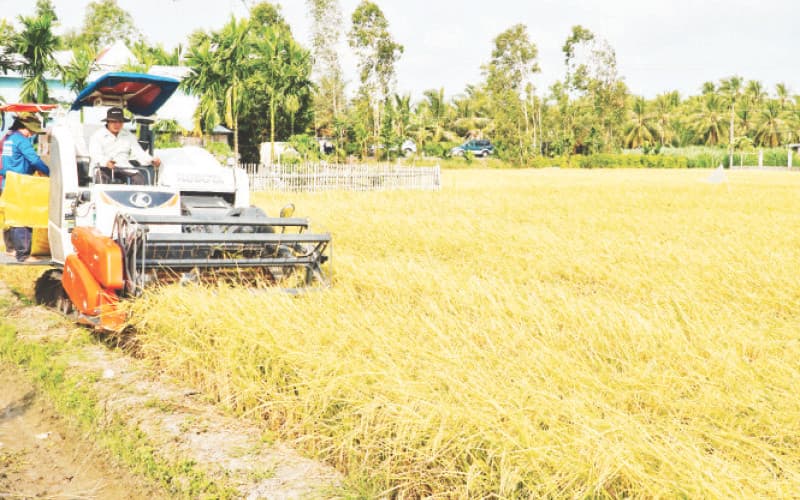
The Summer–Autumn rice crop has fairly distinctive growing conditions compared with other seasons of the year. High temperatures, heavy rainfall and strong pest and disease pressure easily cause nutrient imbalances in rice if fertilization is not appropriate. In addition, fields farmed for many consecutive crops also tend to lose fertility. Therefore, choosing and using the right NPK fertilizer for Summer–Autumn rice must be based on the key characteristics of this season.
Hot Weather and Heavy Rainfall
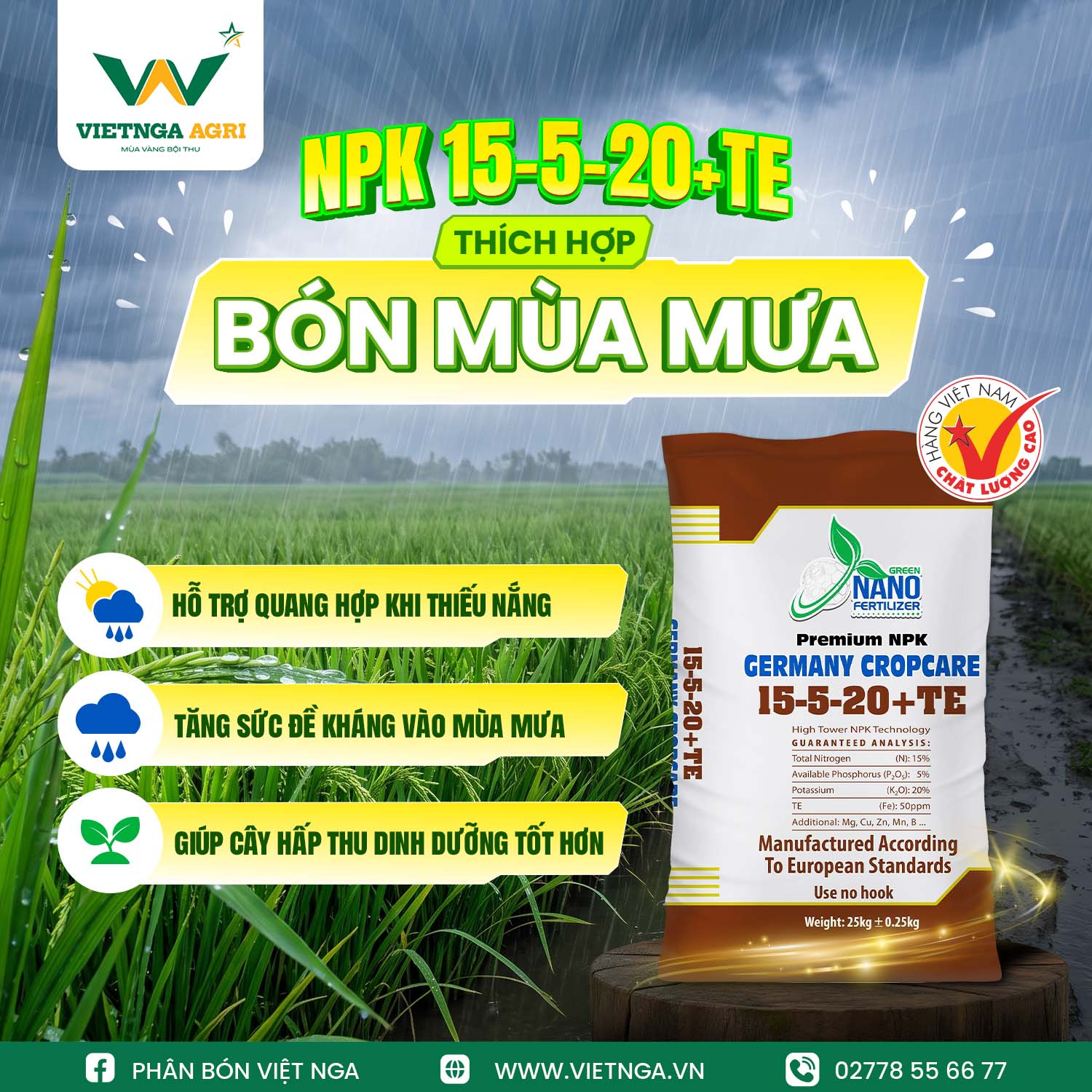
During the Summer–Autumn crop, temperatures are usually high and rainfall is more frequent than in other crops. This can cause leaching or loss of nutrients from the soil, especially easily soluble elements such as nitrogen and potassium. If nutrients are not replenished in time or fertilizer is applied at the wrong time, the rice plant can easily become deficient, affecting its growth and development.
Pests and Diseases Thrive
Hot, humid weather also creates favorable conditions for many pests and diseases such as brown planthopper, rice blast and grain discoloration with unfilled grains. When fertilization is unbalanced, especially with excess nitrogen, the rice plant tends to produce excessive leaves and stems, which increases the risk of pests and diseases and reduces the plant's resilience.
Soil Farmed for Many Consecutive Crops
In many rice-growing areas, fields are usually farmed continuously over several crops a year. This process gradually depletes soil nutrients, especially the macronutrients crops need. Therefore, supplying balanced NPK fertilizer suited to each growth stage of the rice plant is a key factor in restoring soil fertility and maintaining stable yields.
The Role of NPK Fertilizer for Rice
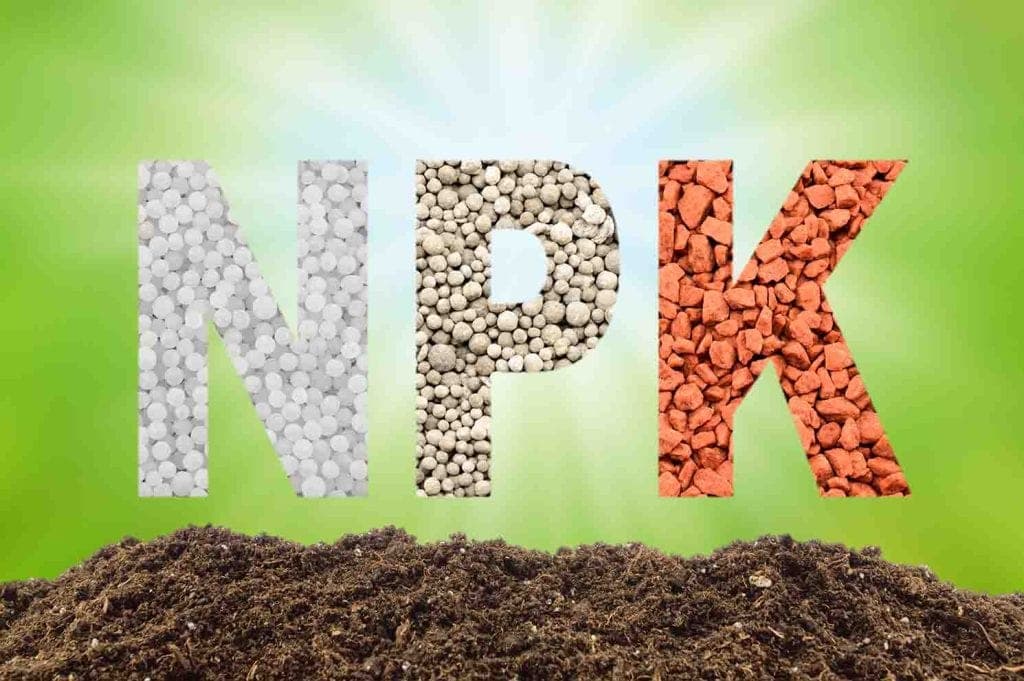
Throughout its growth and development, the rice plant needs a full supply of essential nutrients to develop in a balanced way and achieve high yields. NPK fertilizer is an important nutrient source that supplies three essential macronutrients: nitrogen (N), phosphorus (P) and potassium (K). Each element plays a different role, helping the rice plant develop healthily at every growth stage.
Nitrogen (N)
Nitrogen is an important nutrient that helps the rice plant grow vigorously in the early stage. With enough nitrogen, rice develops quickly, tillers more and forms a lush green canopy. This allows the plant to photosynthesize better and sets the stage for later yields.
Phosphorus (P)
Phosphorus plays an important role in stimulating root development and helping rice green up quickly after sowing. This element also supports nutrient uptake and metabolism in the plant, helping rice grow steadily right from the early stage.
Potassium (K)
Potassium strengthens rice stems and increases resistance to pests, diseases and adverse weather. It also promotes grain formation and filling, making grains plumper and improving crop quality after harvest.
Farmers can learn more at: What Is NPK Fertilizer? What Are Its Uses and How Should It Be Applied?
How to Choose NPK Fertilizer for Summer–Autumn Rice by Growth Stage
During its growth, the rice plant needs different amounts of nutrients at each stage of development. Choosing the right NPK fertilizer for each stage helps rice develop in a balanced way, tiller better and form plump grains. Especially in the Summer–Autumn crop, applying fertilizer at the right time also limits nutrient losses caused by heavy rain and improves farming efficiency.
Basal Application Stage
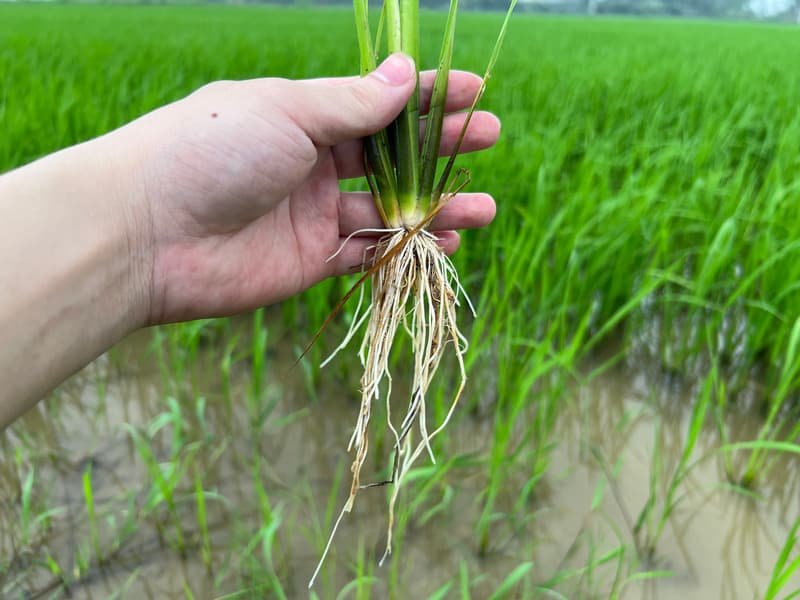
In the early stage after sowing, the rice plant needs to develop a strong root system so it can absorb nutrients well and build a foundation for later growth. Therefore, at this stage farmers should prioritize NPK fertilizers with a high phosphate content, which stimulate vigorous root development and help rice green up quickly after sowing.
Some NPK formulas commonly used for basal application include NPK 20-20-15+TE or NPK 16-16-8. These formulas provide balanced nutrition for rice in the early stage, helping plants root quickly, grow vigorously and develop uniformly across the field. When the root system develops well, the rice plant can absorb nutrients more efficiently in the following stages of the season.
Tillering Stage
The tillering stage is considered one of the most important stages in the growth of the rice plant, because it determines the number of productive tillers and directly affects the field's later yield. At this stage, rice needs a full supply of nutrients to develop strong stems and leaves and form many healthy tillers.
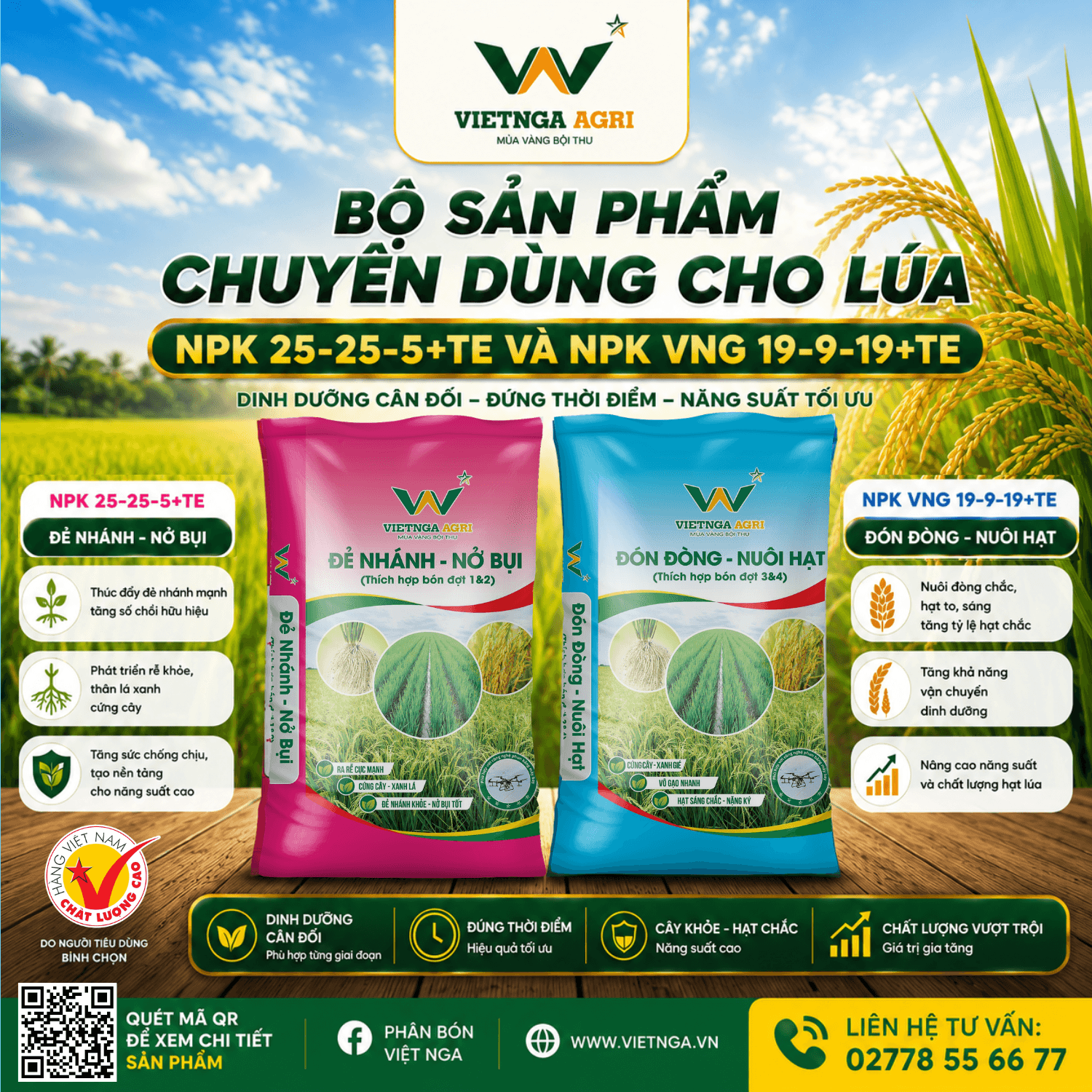
To meet the nutrient needs of rice during tillering, farmers should choose NPK fertilizers with a higher nitrogen content, which stimulate growth and promote vigorous tillering. Some formulas commonly used at this stage include NPK 22-15-8+TE or NPK 25-25-5+TE; these formulas help rice develop good stems and leaves, increase the density of productive tillers and set the stage for panicle initiation and heading in the following stages.
Panicle Initiation – Heading Stage
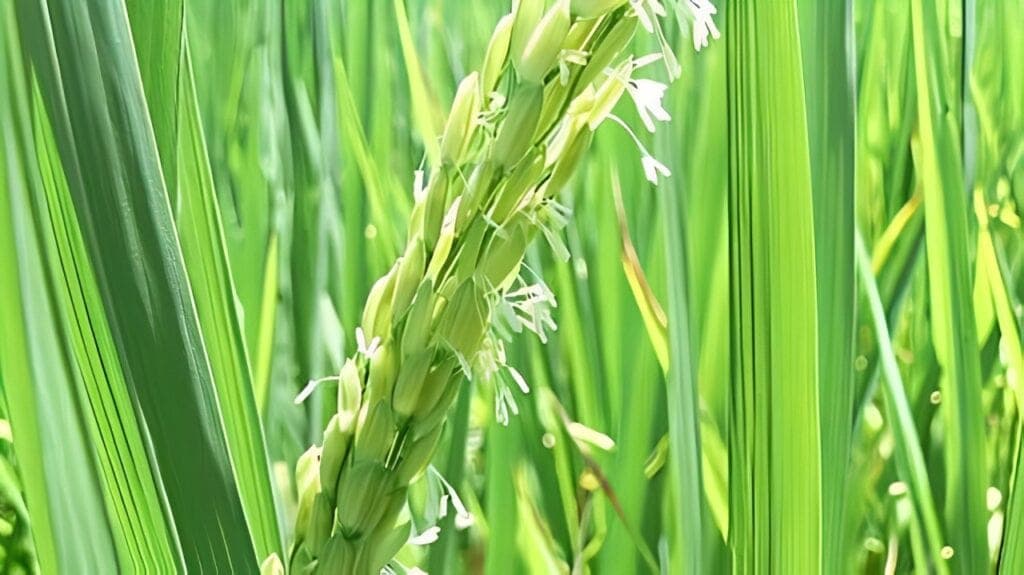
When the rice plant enters panicle initiation and prepares to head, its nutrient needs change markedly. At this point the plant needs more potassium to support panicle formation, strengthen stems and limit lodging in wind and rain.
At this stage, supplying NPK fertilizers with a high potassium content helps the rice plant develop in a balanced way and fill grains better. Some commonly used formulas such as NPK 19-7-25+TE or NPK 19-9-19 increase the plant's resilience while supporting the accumulation of nutrients in the grain. As a result, the rate of filled grains improves and the quality of the harvested rice is also enhanced.
Should You Choose Blended NPK or Specialized NPK for Rice?
There are many types of NPK fertilizer on the market today, the most common being blended NPK and specialized NPK (single-colour compound NPK). Each type has its own characteristics, but their effectiveness on crops can differ depending on the production technology and the stability of nutrients in the granule.
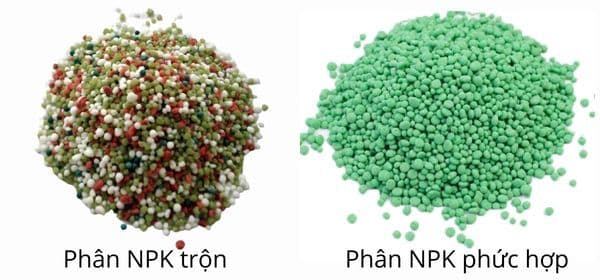
Blended NPK is made by mechanically mixing several straight fertilizers such as urea, DAP or potash in set proportions. Because it is mixed from different granules, nutrient segregation can occur during transport or storage, causing nutrients to be distributed unevenly when applied to the field.
Meanwhile, specialized NPK (single-colour) is usually produced with uniform granulation technology, so nutrients are distributed evenly in every granule. As a result, when applied to the field, crops can absorb nutrients more consistently, improving fertilizer use efficiency and supporting balanced rice growth throughout the season.
Notes When Applying NPK Fertilizer to Summer–Autumn Rice
For NPK fertilizer for Summer–Autumn rice to be highly effective, farmers should keep the following points in mind when fertilizing and caring for their rice fields:
- Do not apply too much nitrogen, as rice tends to grow excessive stems and leaves, increasing the risk of lodging, pests and diseases.
- Apply fertilizer at the right growth stage of the rice plant, helping it absorb nutrients efficiently and develop in a balanced way.
- Split the fertilizer into several applications instead of applying it all at once, to limit nutrient losses, especially in the heavy rain of the Summer–Autumn crop.
- Combine with proper water management and pest and disease control, helping rice grow steadily and achieve higher yields.
Applying NPK fertilizer correctly, at the right time and in line with Summer–Autumn conditions will help rice grow vigorously, limit pests and diseases and contribute to higher yields at the end of the season.
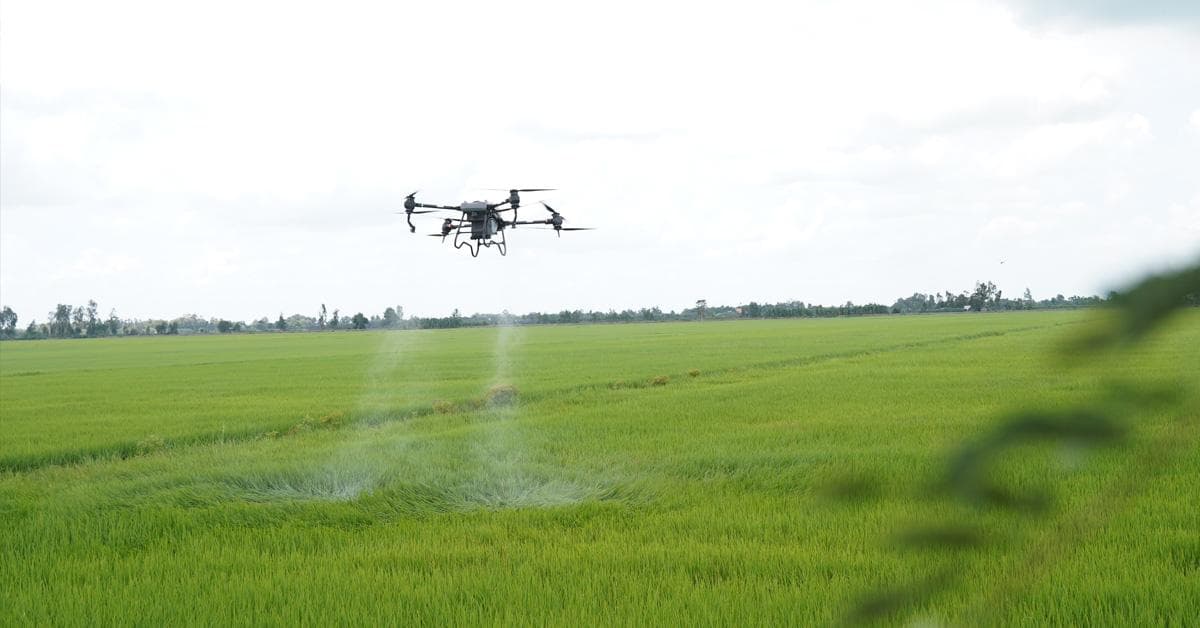
Viet Nga Fertilizer's Specialized NPK Solutions for Rice
To meet the nutrient needs of rice at each growth stage, many farmers now prefer specialized NPK fertilizers for rice. These products have nutrient formulas designed for each stage of rice development, helping plants grow in a balanced way and avoiding nutrient deficiency or excess.
At Viet Nga Fertilizer, specialized NPK lines for rice are researched with nutrient formulas suited to the growing conditions of many rice-producing areas. The granules are uniform, ensuring nutrients are distributed consistently when applied to the field and making them convenient to use.
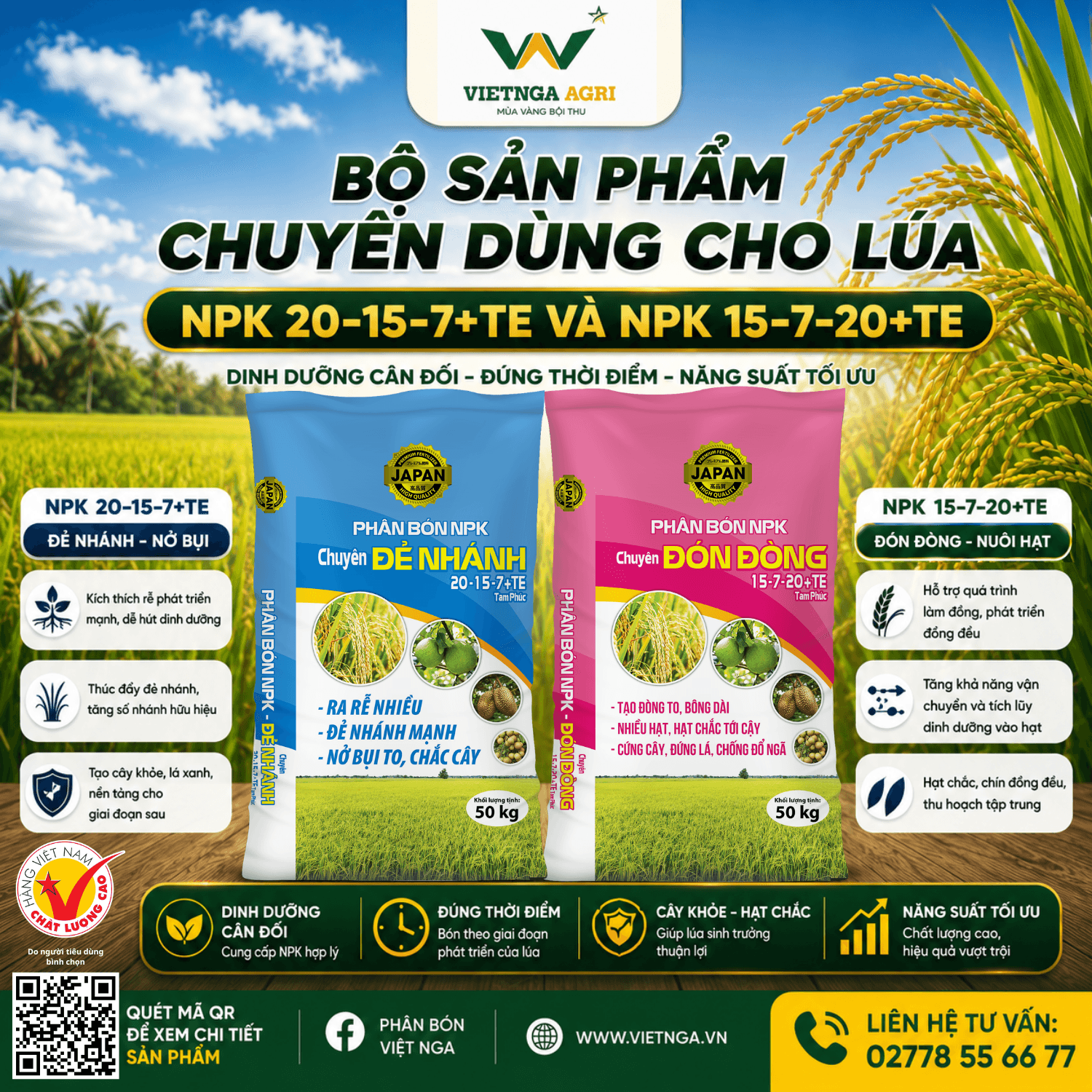
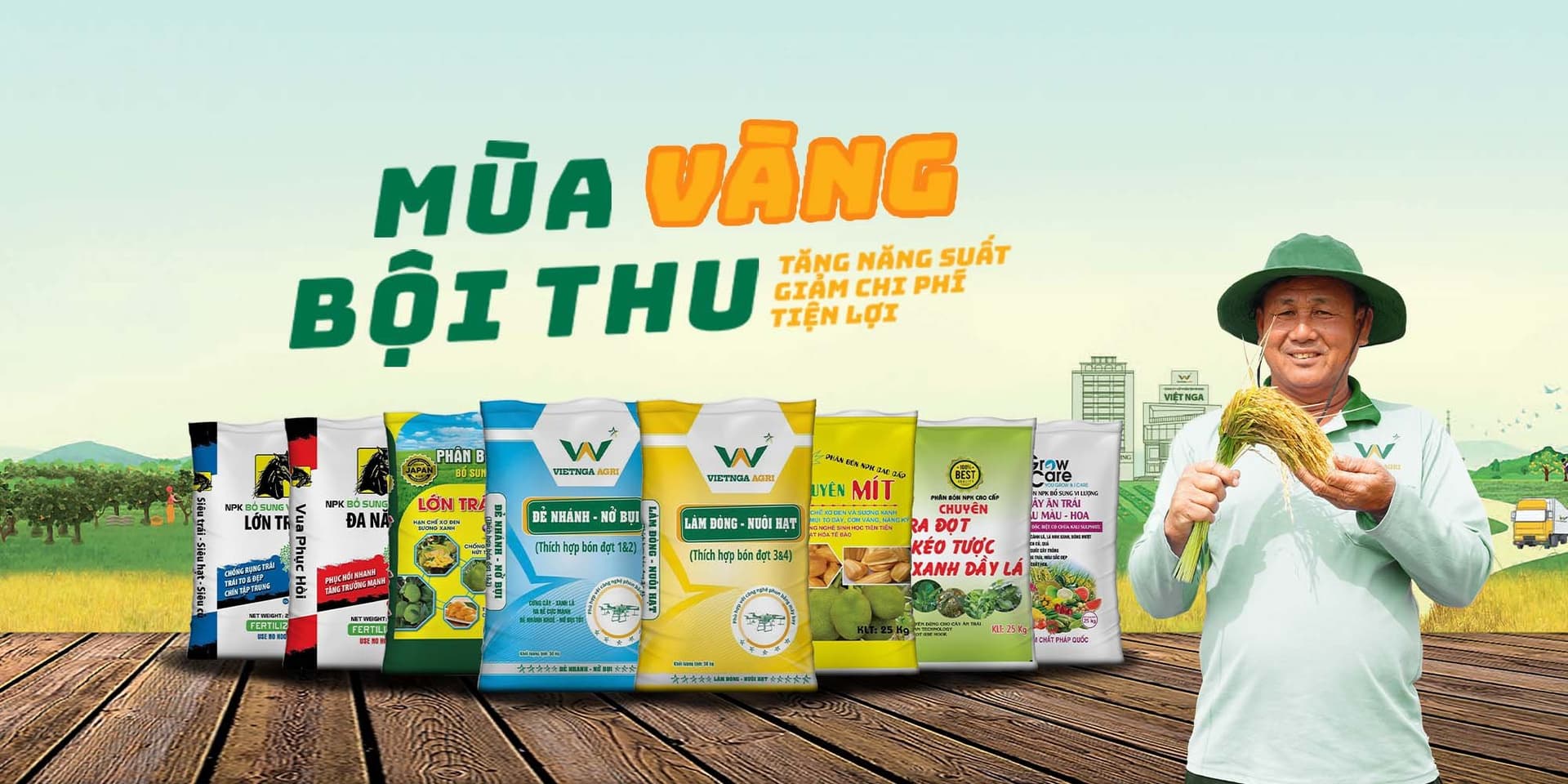
Some NPK formulas widely used by farmers include NPK 22-15-8+TE, suitable for the tillering stage; NPK 20-20-15+TE, which provides balanced nutrition for rice during growth; and NPK 19-7-25+TE, with a high potassium content that supports grain filling and helps raise yields at the end of the season.
Choosing the right NPK fertilizer for Summer–Autumn rice plays an important role in helping rice grow vigorously, develop in a balanced way and achieve high yields. When fertilizers suited to each growth stage are used, the rice plant absorbs nutrients more efficiently while lodging and pests and diseases are limited during cultivation. Therefore, farmers should take care to choose suitable NPK formulas and use specialized NPK fertilizers of consistent quality to help achieve a more successful crop.