ACCOUNTING WITH FURTHER FARMERS
What is NPK fertilizer? What are its uses and how to use it?
Throughout the growth and development of plants, fertilization is extremely important because it is the way to supplement the necessary nutrients for plant development. NPK fertilizer is one of the fertilizers favored by farmers, but what is NPK fertilizer? What are its uses for soil and plants? Let’s find out with Viet Nga Fertilizer in the article below!
1. What is NPK fertilizer?
1.1. Characteristic
NPK fertilizers are compound fertilizers containing at least two of the three main elements: N, P, and K. NPK is an abbreviation for N (Nitrogen), P (Phosphorus), and Potassium. These macronutrients are all very important for plants.

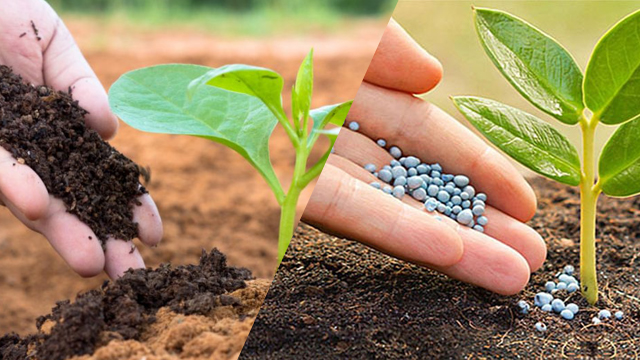
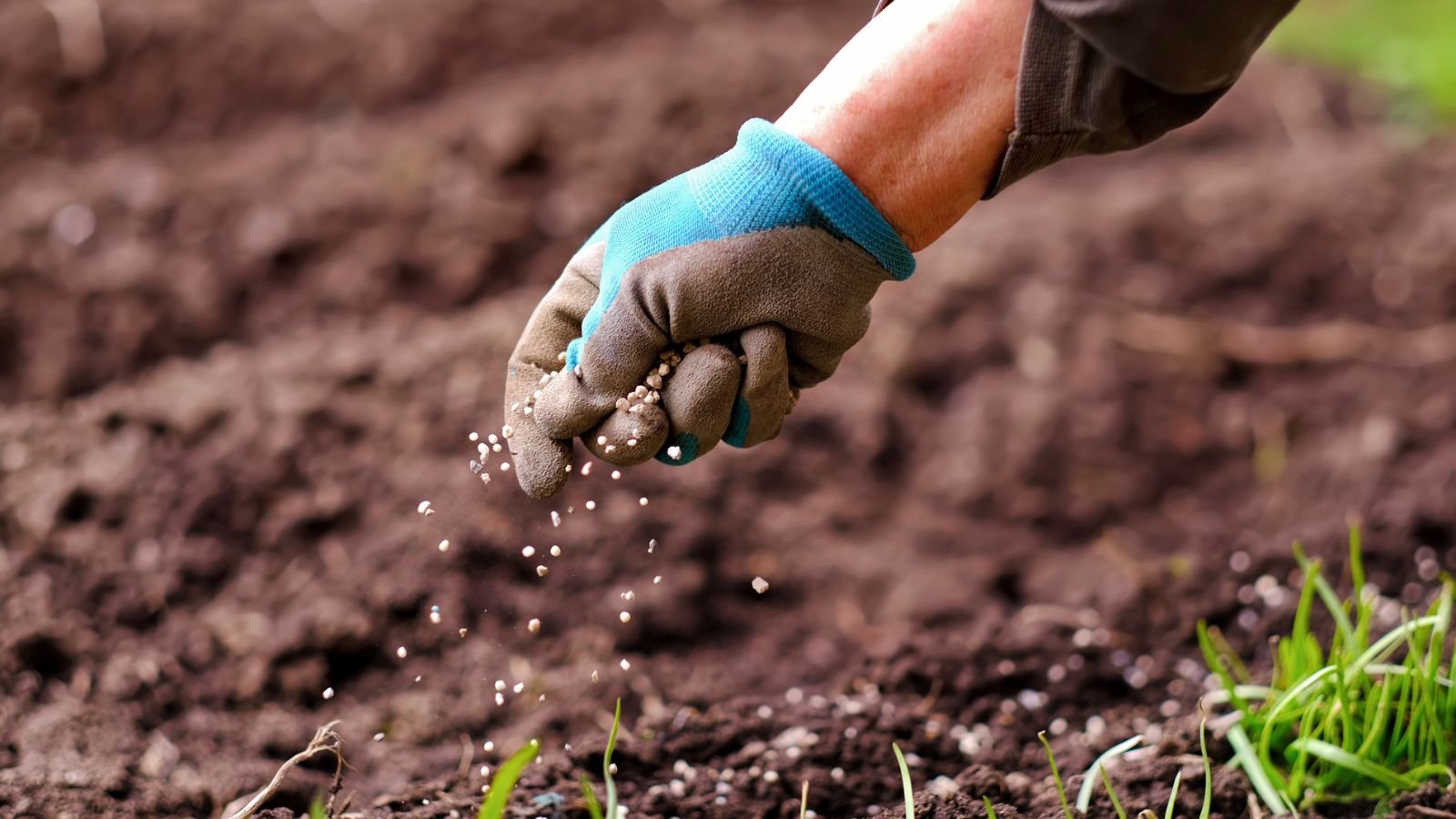
- What is NPK fertilizer?
1.2. The effects of the elements N, P, and K on plants.
Nitrogen (N):
– Role: Nitrogen is a fundamental component essential for plant growth and development, participating in chlorophyll, nucleic acids, and enzymes that promote growth.
– Uses of Nitrogen: Helps plants grow quickly, branch easily, produce shoots and leaves.
– Nitrogen deficiency: If there is a lack of nitrogen, the plant will be stunted, have difficulty growing, have poor resistance, fewer branches and leaves, and produce fewer flowers and fruits.

Phosphorus (P):
– Role: Phosphorus forms ADP and ATP, substances that provide energy for biochemical processes in plants such as respiration, photosynthesis, and nutrient synthesis.
– Uses of Phosphorus: It is a crucial element in the processes of flowering, fruit setting, and fruit ripening, helping plants grow and resist pests and diseases effectively.
– Phosphorus deficiency: Reduces metabolic efficiency and synthesis, affecting the growth and quality of agricultural products.
Potassium (K):
– Role: Participates in photosynthesis, carbohydrate production, increases cell permeability and regulates stomata, helping plants adapt better to low light conditions.
– Uses of Potassium: Increases the efficiency of photosynthesis and promotes biochemical processes in plants.
– Phosphorus deficiency: When plants do not have enough potassium, photosynthesis and biochemical processes become less efficient, affecting plant growth and yield.
2. Uses of NPK fertilizers for crops
– NPK fertilizers help supplement nutrients, making them easier for plants to absorb and promoting healthy growth. The macronutrients in the fertilizer help plants increase height, develop lush green foliage, and stimulate flowering, fruiting, and leaf growth according to their needs.
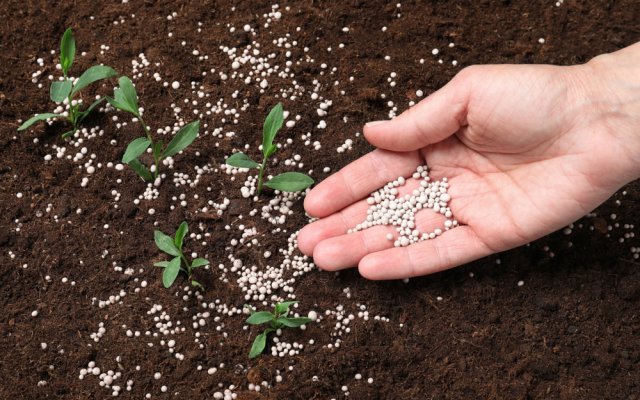
- NPK fertilizers have many uses for plants.
– NPK fertilizer stimulates flowering and fruiting, resulting in healthy plants, maximum height growth, abundant flowering, and high fruit set.
– NPK fertilizers support the plant’s resilience and increase its resistance to the effects of harsh weather and pests.
3. How to use NPK fertilizer
NPK fertilizers are widely used because they contain many macronutrients and offer numerous benefits to plants. However, to maximize the effectiveness of NPK fertilizers, farmers need to master the fertilization techniques according to the “four correct principles.”
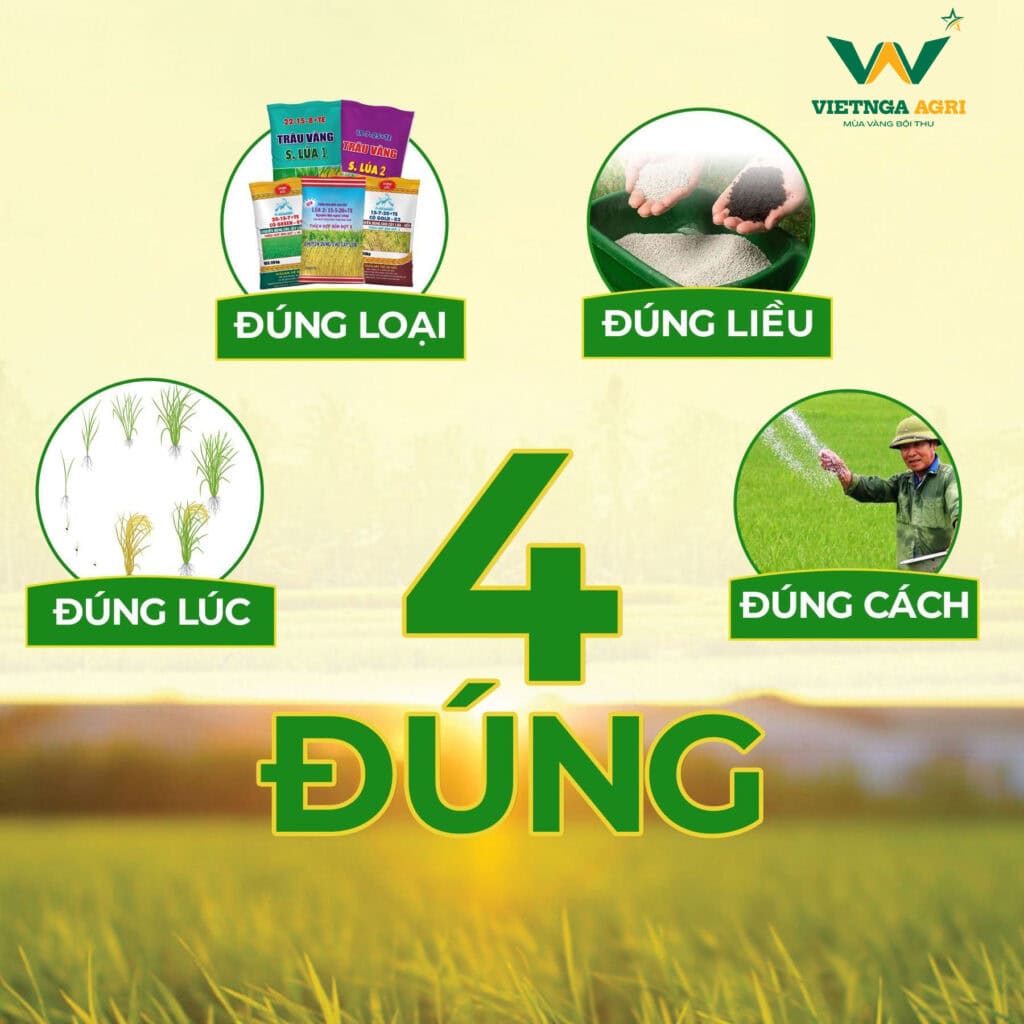
3.1. Choosing the right type of fertilizer
NPK fertilizers have different formulas and nutrient ratios depending on the needs of each crop, the timing of fertilization, and the soil conditions.
Farmers need to choose fertilizers that are of guaranteed quality, provide sufficient essential nutrients, and do not harm crops, users, or the environment.
3.2. Apply fertilizer in the correct dosage.
Dosage significantly impacts fertilizer effectiveness. Applying too little will not provide sufficient nutrients, while applying too much can harm plants and the environment.
Adjust fertilizer application based on actual conditions; observe the plants’ condition to adjust the amount of fertilizer accordingly, and do not apply a fixed formula.
3.3. Apply fertilizer at the right time.
The nutritional needs of plants vary at each stage of development. Therefore, fertilization should be planned according to the plant’s growth stage, not all at once.
3.4. Use fertilizers according to proper procedures.
Workplace safety: Provide adequate masks, gloves, protective clothing, and appropriate equipment to ensure safety.
Follow instructions: Adhere to the product’s instructions and guidelines for best results.
Ask an expert: If you lack experience, you should seek information from an expert or someone with experience to use NPK fertilizers correctly.
4. Common types of NPK fertilizers
At Viet Nga Fertilizer, NPK fertilizers come in a wide variety of formulas, suitable for all stages of plant growth.

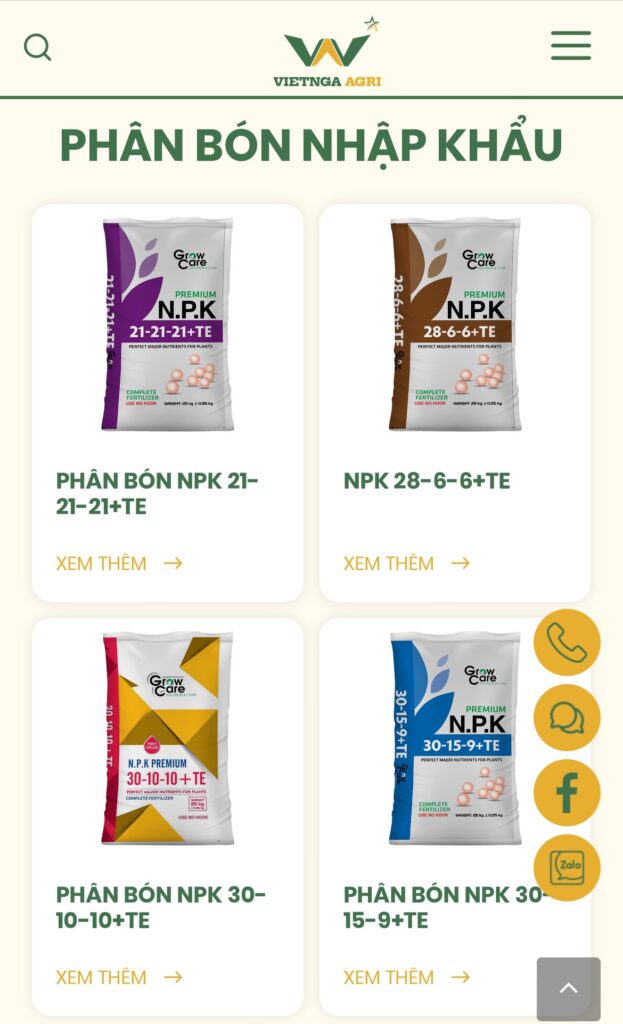
 Specialized fertilizers from Viet Nga Fertilizer Company
We invite you to browse the NPK fertilizer product lines from Viet Nga Fertilizer in our Product Catalog.
Conclusion
NPK fertilizers are an important tool for improving crop yields and ensuring nutrient-rich soil. Proper use of NPK fertilizers is crucial for successful crop cultivation.
When choosing NPK fertilizers, farmers should select reputable suppliers to ensure quality and receive guidance and support throughout the crop cultivation process.

- Viet Nga Fertilizer is a leading and reputable fertilizer supplier in the Mekong Delta region.
Viet Nga Fertilizer is proud to be a first-tier distributor of major fertilizer companies such as Ca Mau Fertilizer, Phu My Fertilizer, etc. With over 30 years of experience in the fertilizer industry, we are committed to providing farmers with the highest quality fertilizer products.
Hopefully, this article from Viet Nga Fertilizer has helped farmers better understand NPK fertilizers, their uses, and the correct application techniques. We wish you success!
Related news
The Role of Base Fertilization in Soil Improvement and Enhancing Agricultural Fertility
Measures to Improve and Treat Saline Soil

Winter-Spring rice blast warning – Don’t let leaf and flower burns rob you of your golden crop

Rice Sowing Techniques for the Early Winter–Spring Crop

What Is Slow-Release Fertilizer? Learn How to Use It Effectively