Rice Nutrient Management by Growth Stage from Sowing to Harvest
Date
Contents· 5 sectionsExpandCollapse
Nutrient management plays a vital role throughout the growth of the rice plant. Each development stage, from sowing, tillering and panicle formation to heading and grain filling, has different nutrient needs. When supplied with the right fertilizer at the right time, the rice plant grows vigorously, produces more productive panicles and delivers higher yields. In this article, join Viet Nga Fertilizer to learn how to manage rice nutrition at each stage from sowing to harvest for the best farming results.
Rice Nutrient Management at Each Cultivation Stage
Rice nutrient management means supplying the plant with the essential nutrients it needs throughout its growth, from sowing to harvest. When nutrients are supplied fully and at the right time, the rice plant grows vigorously, develops good panicles and has a higher proportion of filled grains, which helps raise rice yield and quality.
It is the scientific organization and adjustment of nutrient sources for the crop to meet its nutrient needs at each development stage. This process involves several factors, such as:
- Determining the nutrient needs of the rice plant at each growth stage
- Choosing fertilizers suited to soil conditions and the season
- Applying fertilizer at the right rate and at the right time
- Combining organic and inorganic fertilizers to improve soil fertility
Effective nutrient management helps the rice plant absorb nutrients to the fullest, reduces fertilizer loss and helps raise both yield and grain quality.
The Role of Nutrition in Rice Growth and Yield
Nutrition directly affects the entire growth of the rice plant, from stem and leaf development to grain formation and filling. When nutrients are supplied fully and in balance, the rice plant not only grows vigorously but also becomes more tolerant of adverse conditions, pests and diseases.
In the early stage, nutrition helps the plant develop its leaves and lays the foundation for tillering. In the reproductive stage, nutrition continues to play an important role in panicle formation, determining the number of grains per panicle and the proportion of filled grains. In the final stage, nutrients accumulate in the grain, directly affecting grain weight and rice quality at harvest.
Conversely, if nutrients are not supplied properly, the rice plant is prone to unbalanced growth and reduced tolerance, which affects the final yield.
Rice Nutrient Management by Growth Stage
Managing rice nutrition stage by stage is key to helping the crop develop evenly, limiting pests and diseases and optimizing yield. The rice plant has different nutrient needs at each growth stage, so applying the right type of fertilizer at the right time helps the plant absorb nutrients better, reduces fertilizer loss and improves farming efficiency.
Nutrient Management at the Seedling Stage
At the seedling stage, the rice plant is still young and its root system is not yet fully developed, so its ability to absorb nutrients is limited. Supplying appropriate nutrients at this stage helps the plant establish roots quickly, grow evenly and build a foundation for the following stages.
At the seedling stage, prioritize phosphorus to stimulate root development, combined with a light, balanced NPK to support steady seedling growth. Avoid applying too much nitrogen, as it can weaken the plant and make it prone to lodging later.
Nutrient Management at the Tillering Stage
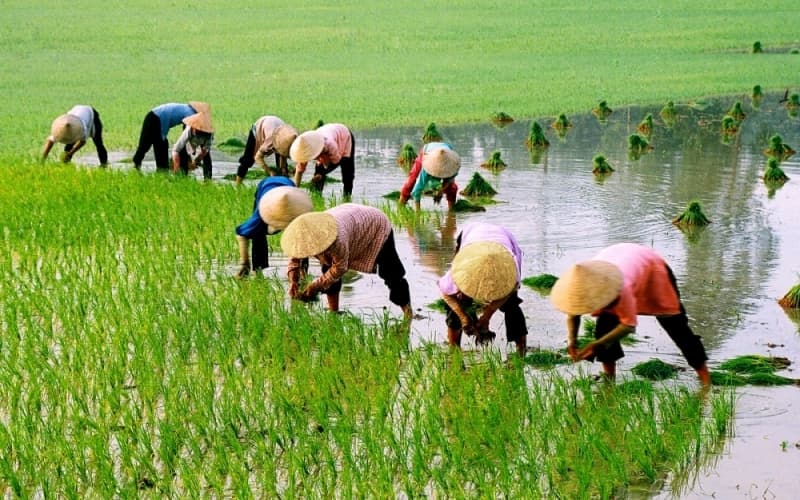
The tillering stage determines the number of productive tillers, which directly affects the number of panicles in the field. Supplying the right nutrients at this stage helps the plant tiller vigorously and develop healthy stems and leaves.
At this stage, the rice plant has a high demand for nitrogen (N) to promote growth, along with a balanced NPK to ensure steady development. However, the nitrogen rate should be controlled to avoid unbalanced growth, lodging and a higher risk of pests and diseases.
Nutrient Management at the Panicle Formation – Panicle Initiation Stage
This is when the rice plant shifts to reproductive growth and begins forming the panicle inside the stem. Nutrients supplied at this stage directly affect the number of grains per panicle and the final yield.
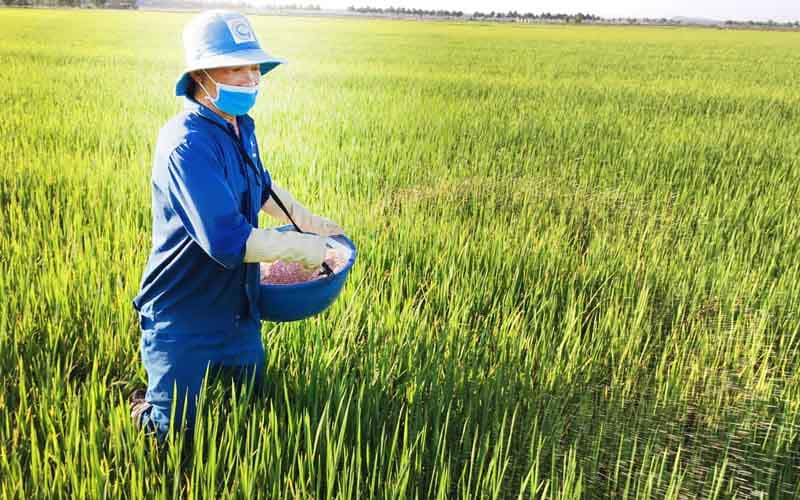
During panicle formation and panicle initiation, increase potassium (K) to strengthen the stems, improve nutrient transport and support grain formation. In addition, maintaining a balanced NPK helps the plant develop steadily and prevents nutrient deficiencies.
Nutrient Management at the Heading Stage
Heading is a sensitive stage that directly affects the proportion of filled grains on the panicle. Appropriate nutrition helps heading and pollination proceed smoothly and reduces unfilled grains.
At this stage, reduce nitrogen and focus on supplying potassium together with micronutrients such as zinc, boron and silicon to support pollination and improve grain set. Proper nutrient management helps panicles emerge evenly and improves grain quality.
Nutrient Management at the Grain Filling Stage
After heading, the rice plant enters the grain filling stage, when nutrients accumulate in the grain. This stage determines grain weight and quality.
At this stage, potassium (K) plays an important role in transporting and accumulating starch in the grain, making grains plump and heavier. Secondary and micronutrients can be added to support metabolism and help grains develop evenly. Limit nitrogen to avoid delaying ripening and affecting harvest quality.
Principles of Effective Rice Nutrient Management
To achieve high farming efficiency, rice nutrient management should follow certain principles. Applying these principles correctly not only helps the rice plant grow steadily and limits pests and diseases but also optimizes fertilizer efficiency and raises harvest yields.
Apply Balanced N – P – K Fertilization
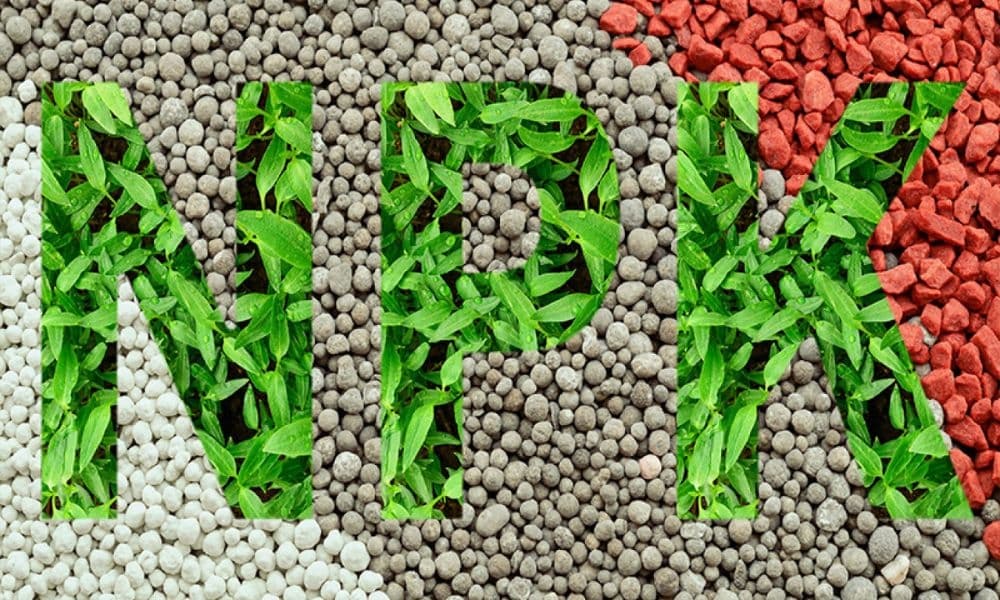
The rice plant needs a full and balanced supply of the three main nutrients: nitrogen (N), phosphorus (P) and potassium (K). Each nutrient has its own role at each growth stage, so fertilization should keep a proper ratio and avoid deficiency or excess of any one element. Balanced fertilization helps the plant develop fully, increases its tolerance and improves grain quality.
Fertilize at the Right Growth Stage
The nutrient needs of the rice plant change with each development stage. Fertilizer should therefore be applied at the right time so the plant can absorb it most efficiently. If applied too early or too late, the plant will not use all the nutrients, causing waste and affecting growth. Fertilizing at the right time optimizes fertilizer efficiency and keeps the crop developing on schedule.
Match Soil Conditions and the Season
Each soil type and season has different nutrient characteristics. Fertilization should be based on soil conditions such as acid sulfate soil, saline soil or nutrient-poor soil, and adjusted to the weather of each season. Applying it flexibly according to actual conditions helps the rice plant grow better and reduces risks during cultivation.
Combine Organic and Inorganic Fertilizers
Combining organic and inorganic fertilizers is a way to make nutrient management more effective and sustainable. Organic fertilizers improve soil looseness, fertility and soil microorganisms, while inorganic fertilizers provide fast-acting nutrients for the plant. Combining the two properly helps the rice plant develop steadily while improving soil quality in the long term.
Specialized Fertilizer Solutions for Rice
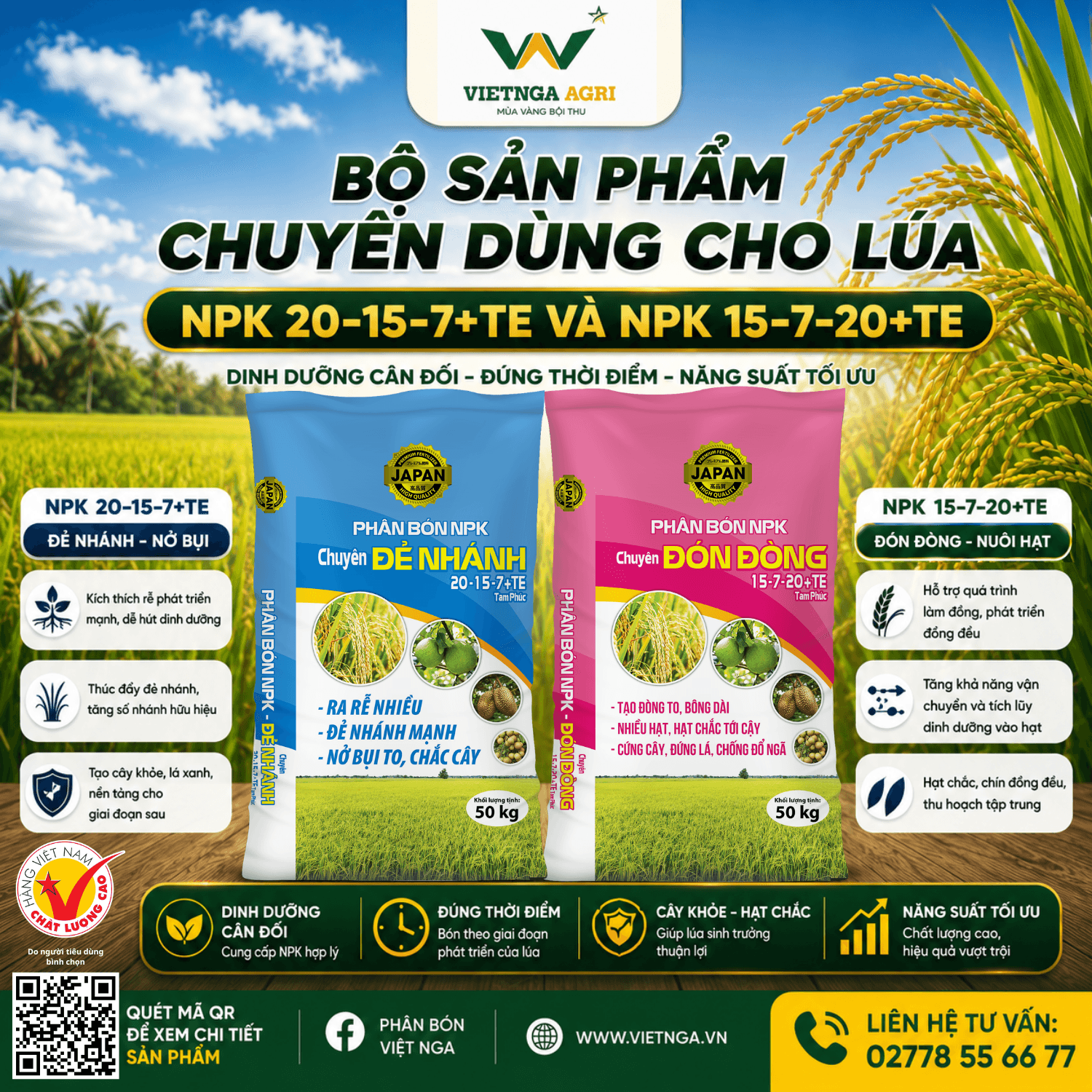
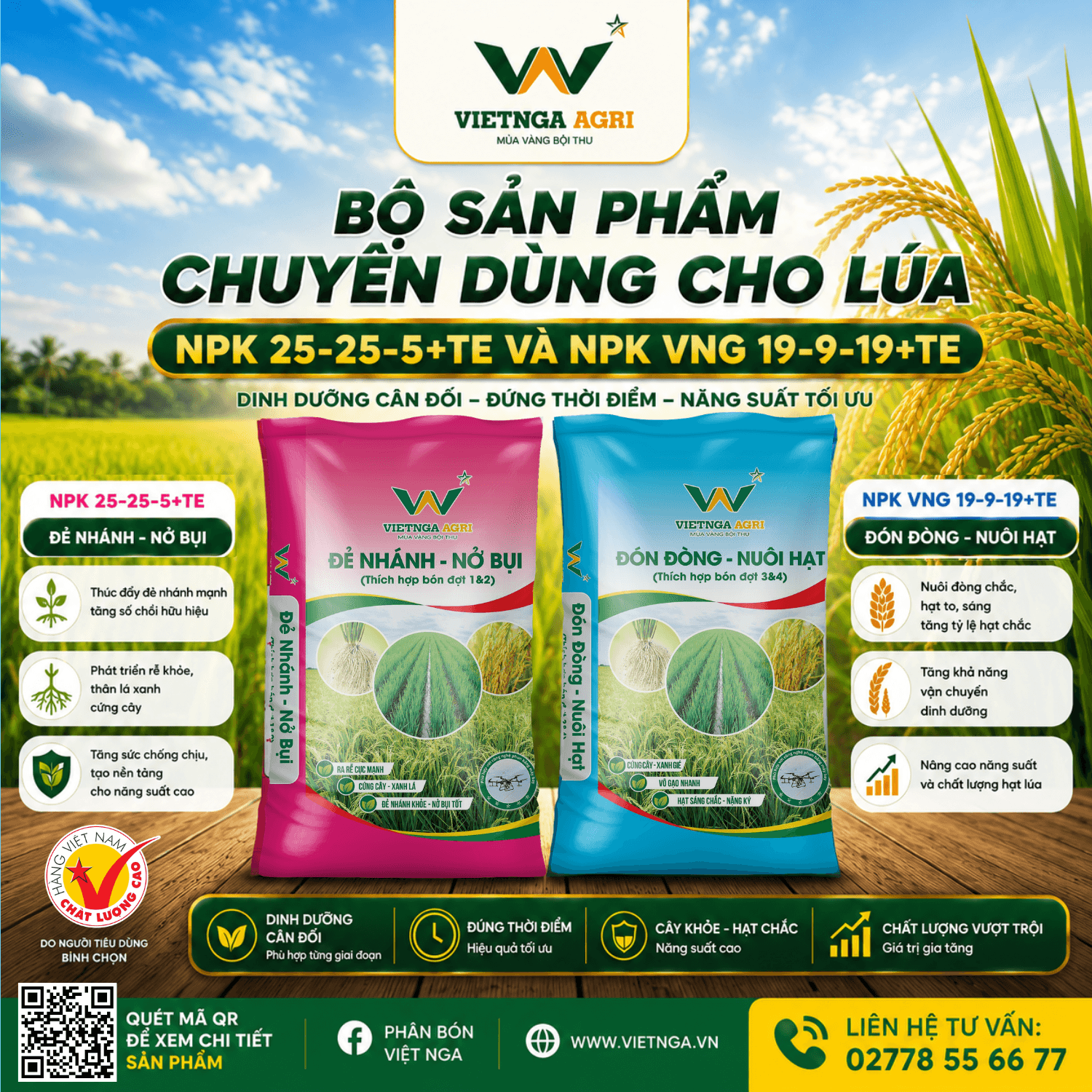
To manage rice nutrition effectively at each growth stage, many farmers and dealers choose specialized NPK fertilizers with suitable formulas. Each development stage of the rice plant requires different nutrient ratios, so choosing the right NPK formula helps the plant absorb nutrients better, develop steadily and achieve higher yields.
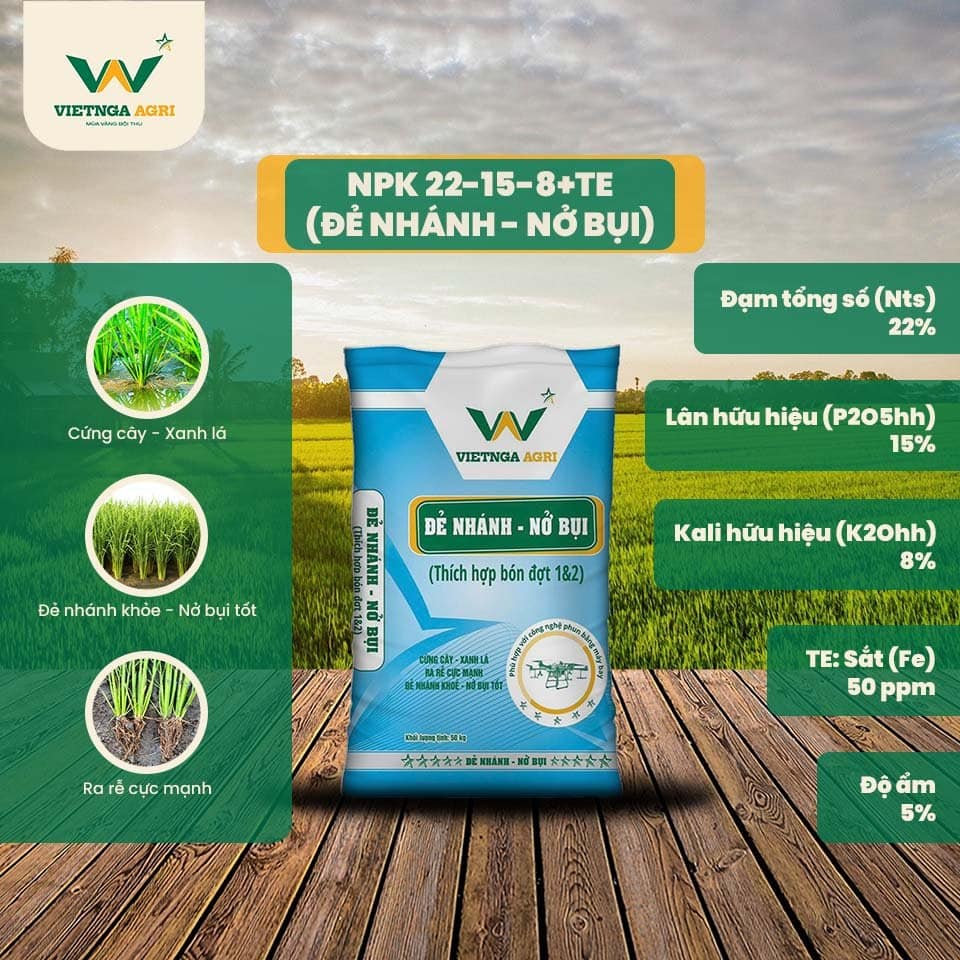
From after sowing to tillering (about 8 – 22 days), the rice plant needs to develop its roots, stems and leaves and increase the number of productive tillers. At this stage, NPK formulas with relatively high nitrogen combined with balanced phosphorus and potassium help the plant recover quickly, tiller vigorously and develop evenly.
Formulas such as NPK 22-15-8+TE are commonly used for early top-dressing and tillering applications, helping increase productive tillers and laying the foundation for later panicle formation.
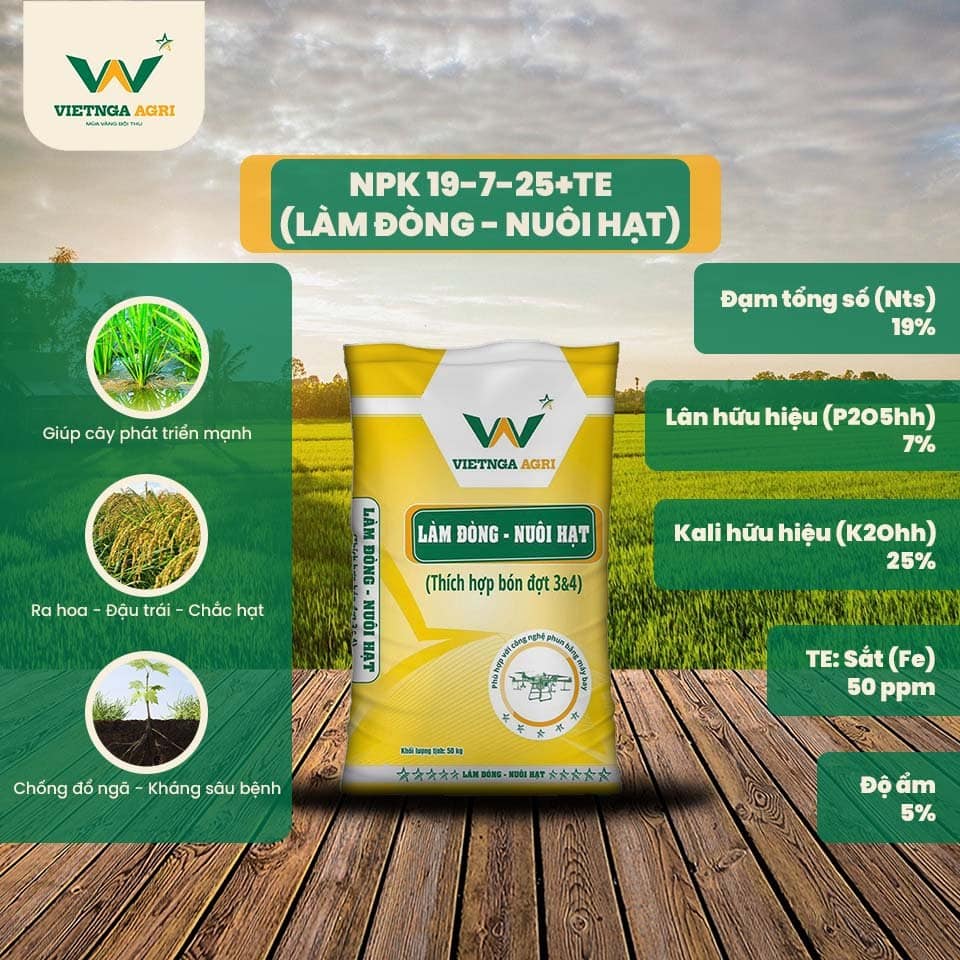
From 40 – 45 days after sowing onward, the rice plant begins forming panicles and shifts to accumulating nutrients in the grain. Potassium demand rises at this stage to support nutrient transport and grain development. High-potassium NPK formulas such as NPK 19-7-25+TE are suitable for the panicle initiation stage, helping panicles develop well, increasing grain numbers and raising the proportion of filled grains at harvest.
Managing rice nutrition by growth stage is an important factor in helping the crop develop steadily, limiting pests and diseases and raising harvest yields. Applying the right fertilizer at the right time and in line with growing conditions not only helps the plant absorb nutrients efficiently but also helps save costs and optimize production efficiency.
In practice, each rice field has different soil conditions and growth characteristics, so farmers should monitor their crops to adjust fertilizer rates accordingly. Using specialized NPK fertilizers suited to each stage makes nutrient management more effective and sustainable. For detailed advice on nutrition solutions for each rice crop, farmers and dealers can contact Viet Nga Fertilizer for support tailored to their actual growing conditions.